Dragonfly [Kyōka]

the dragonfly
is still, and I wonder
whether it's dead,
and further wonder whether
anyone has thought that of me

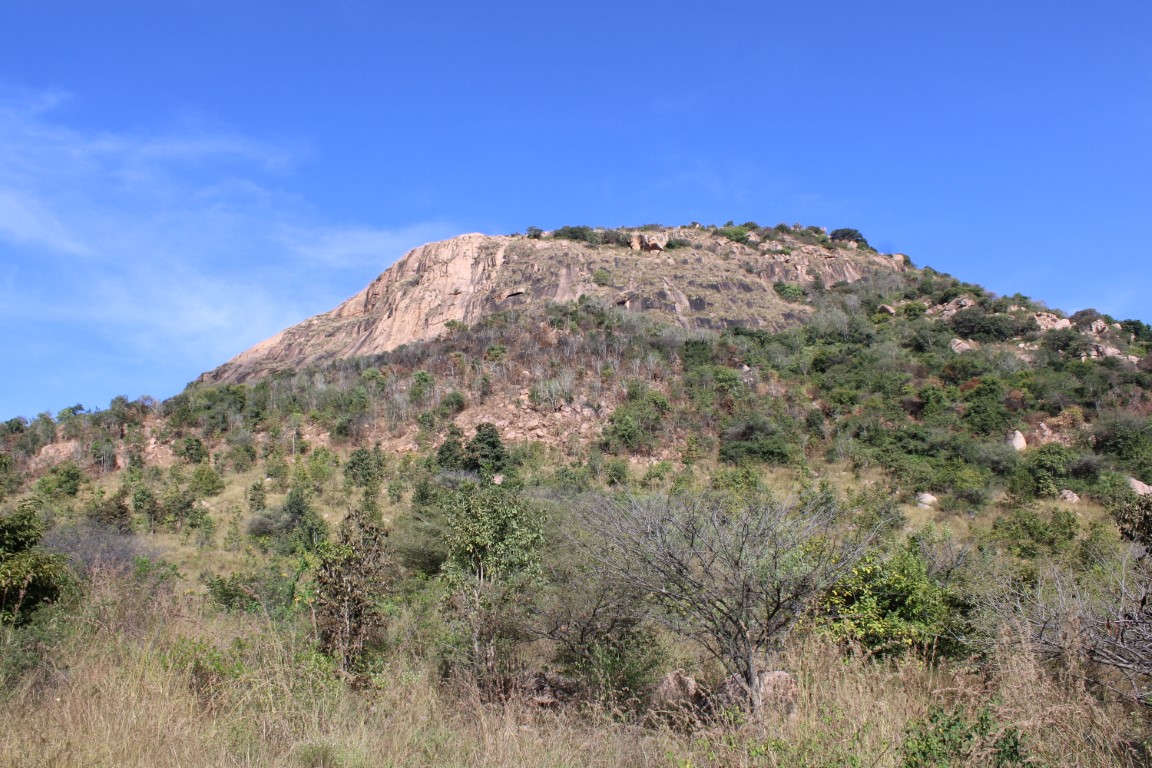
Green City [Tanka]

a desert city
stretches green between
the mountains;
do people choose trees,
or do trees co-opt humans?

Line of Blindness [Tanka]

mountains peek from clouds.
moments before they'd hid well;
i can't help but think
about all those times,
flying through clouds, blindly

Rock Agama [Tanka]

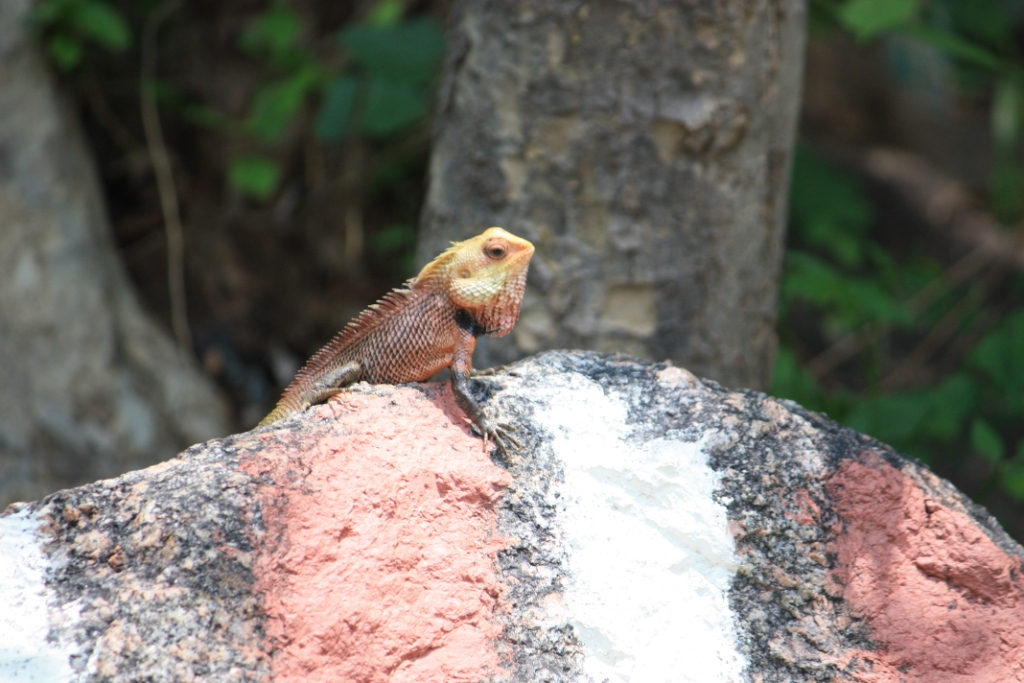
a Rock Agama
peeks over a rock, stops,
and tries to be
inconspicuously
bright orange

Nocturnal [Kyōka]

owl sticks its head out,
staring in silent rebuke
as if to say:
"Hey! I'm nocturnal.
What's with all the ruckus?"

BOOK REVIEW: The Spirit of Japanese Poetry by Yoné Noguchi

The Spirit of Japanese PoetryThe Spirit of Japanese Poetry by Yoné Noguchi
My rating: 5 of 5 stars

Amazon.in Page

Free Online at Wikisource

This book-length essay, originally published in 1914, discusses the unique style and aesthetic of Japanese poetry. It’s written for an audience of English language readers and advances its objective not only by presenting illuminating translations of Japanese poetry, but also by comparing Japanese poetry to English language poetry.

Noguchi takes a no-holds-barred approach to literary criticism that is both the strength and weakness of the book, sometimes it feels as though the author’s boldness is granting deep insight into the subject, but other times it reads as though the author is tribally narrow-minded and curmudgeonly. By “tribally narrow-minded,” I mean that he takes the view that the Japanese aesthetic and approach to art is always and in everyway superior to non-Japanese art (in this case, English language poetry.) Interestingly, he frequently compliments specific artists, e.g. Walt Whitman, but doesn’t have anything nice to say about English language poetry in general. By “curmudgeonly,” I mean that he takes the popular — if biased –view that the world is going to shit, and – in the section on modern poetry – it is only after discussing how the art has fallen on hard times that he can discuss a few modern poets who’ve produced some poems worthy of adoration [and some worthy examples of the modern form (Shintaishi.)]

One might think this bigoted view would cripple his book (as bigoted views usually do,) but because what he’s promising is depth of insight into the Japanese poetic aesthetic, he is able to succeed just fine. [Also, to be fair, being highly opinionated and pretentious were hallmarks of critics of his era – just usually not so nationalistically.] Noguchi does a great job of selecting evocative examples, providing powerful translations, and illuminating the Japanese mindset as it pertains to art and poetry.

If you’re interested in Japanese poetry and the psychology that influences Japanese artistic tastes, this short book is highly recommended. [Just be prepared to be offended if you aren’t a hardcore Japanophile.]


View all my reviews

Thorny Nightshade [Tanka]

thorny leaves
and poisonous fruits;
if ever
a plant wanted 
to be left alone!

Wild Strawberries [Tanka]

wild strawberries
line the hiking trail;
 red fruits entice,
such that even rain clouds
can't deter the foragers

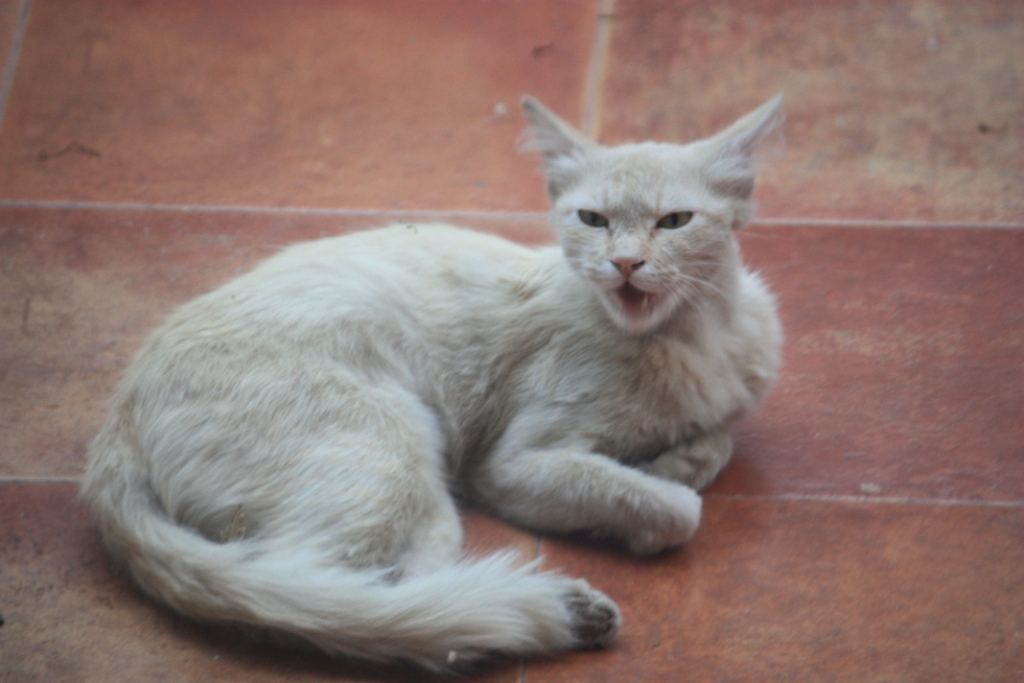
The Sleeping Cat [Tanka]

the sleeping cat
yanks its head up to see
what fell & why,
and then goes back to sleep --
master slumberer at work

May Orchids [Tanka]

tiny white orchids
hug tree trunks & branches,
hiding out of sight --
except those at valley's edge,
 broadcasting their time is short