“Concentrated” [Poetry Style #4] by Sikong Tu [w/ Audio]

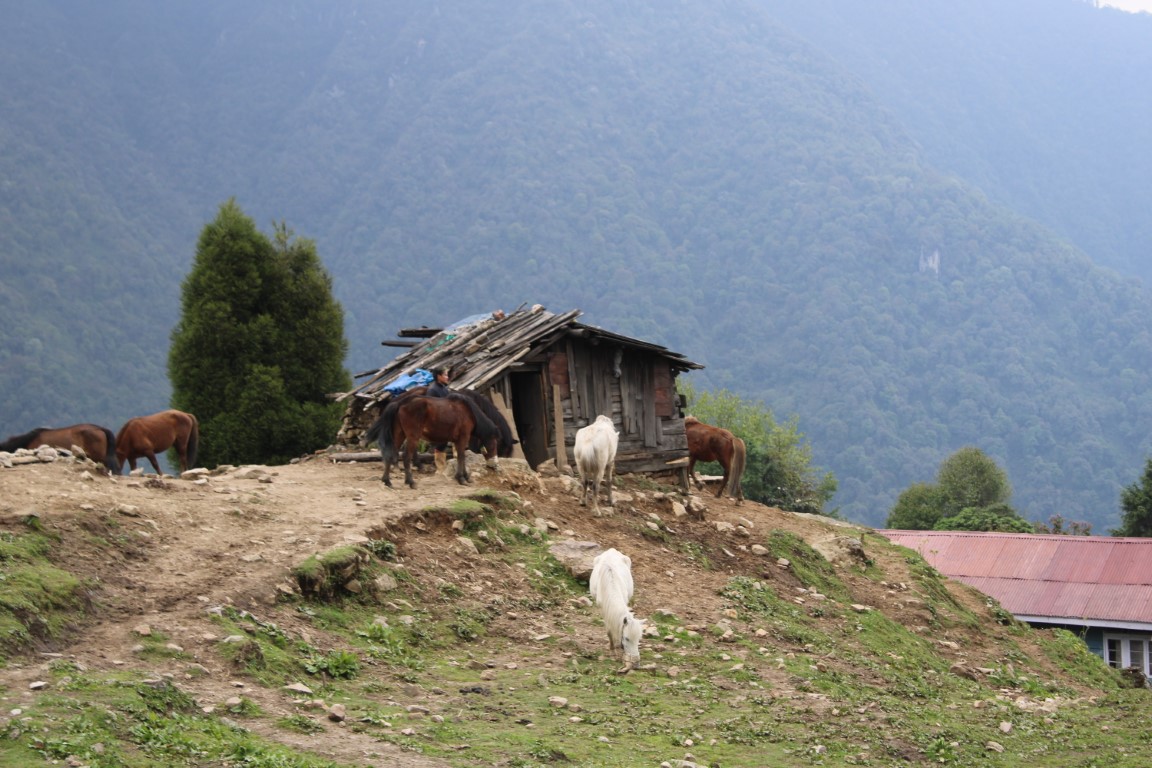
Evergreen woods and a rough-hewn shack.
The sun sets through clear sky.
I shed my hat as I walk alone,
Listening for songbirds.
No wild geese are flying
From whence my beloved lives.
But in my mind, we are close --
Close enough to touch.
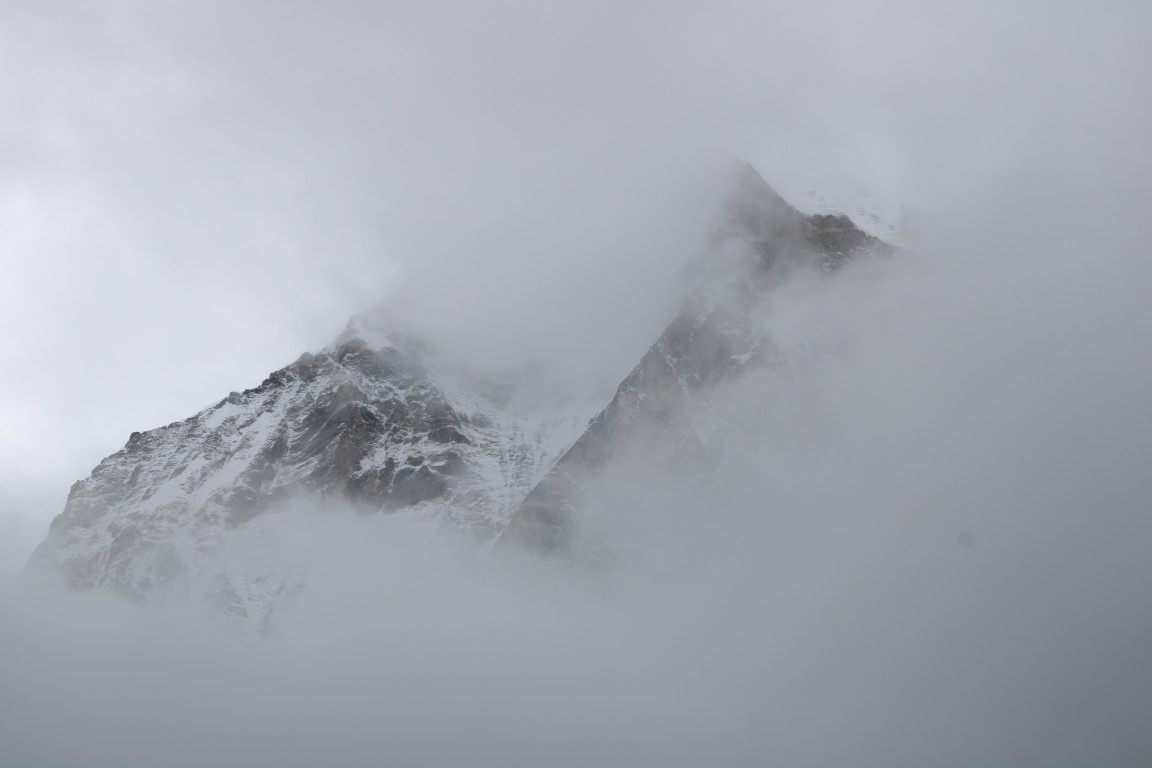
Dark clouds stand over the sea,
But in moonlight river isles gleam.
My eyes and my words stop at
That great river that sprawls ahead.

NOTE: The late Tang Dynasty poet, Sikong Tu (a.k.a. Ssŭ-k‘ung T‘u,) wrote an ars poetica entitled Twenty-Four Styles of Poetry. It presents twenty-four poems that are each in a different tone, reflecting varied concepts from Taoist philosophy and aesthetics. Above is a translation of the fourth of the twenty-four poems.
“Placid” [Poetry Style #2] by Sikong Tu [w/ Audio]

It thrives in silence and with calm --
ephemeral and gossamer.
It's ever-flowing harmony,
gliding with a solitary crane,
wisping like the gentle breezes
that rustle and billow one's robe,
trilling softly like a bamboo flute.
How does one become one with it?
A chance meeting, lucked into, but
don't lunge forward, or it'll vanish.
When you think it's attainable,
it twists in your hand and is gone.

NOTE: The late Tang Dynasty poet, Sikong Tu (a.k.a. Ssŭ-k‘ung T‘u,) wrote an ars poetica entitled Twenty-Four Styles of Poetry. It presents twenty-four poems that are each in a different tone, reflecting varied concepts from Taoist philosophy and aesthetics. Above is a translation of the second of the twenty-four poems.
“Written While Moored on the Qinhuai River” by Du Mu [w/ Audio]

Mist touches cold water and moon embraces the sand.

I’m moored for the night near a tavern on the Qinhuai.

The singing girl doesn’t know the empire is in bitter ruin.

Across the river I hear her singing “Blossom of the Inner Court.”

Translation: Barnstone, Tony and Ping, Chou. 2005. The Anchor Book of Chinese Poetry: From Ancient to Contemporary. New York: Anchor Books.

“Seeking a Hermit-Sage in Vain” by Jia Dao [w/ Audio]

I question a local boy under a pine.
He says, "Teacher is gathering herbs
right here on the mountain...
But who can say where?
The mountain is thick with clouds."

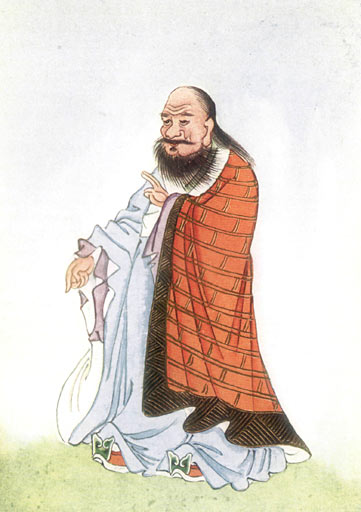
“On Laozi” by Bai Juyi [w/ Audio]

"The ignorant speak, while the wise keep silent."
I read the words of Laozi.
But if Laozi knew the Way,
Why did he write those five thousand characters?

“Night Rain” by Bai Juyi [w/ Audio]

Chirp of an early cricket. Silence.
The lamp dies then flares up again.
Night must be raining outside the window:
plink, plink on the banana leaves.

Translation: Barnstone, Tony and Ping, Chou. 2005. The Anchor Book of Chinese Poetry: From Ancient to Contemporary. New York: Anchor Books.

The Painting by Wang Wei [w/ Audio]

Afar, colorful mountains.
 Near, silent waters.
 Spring 's gone but flowers remain.
 People come but birds aren't startled.
Original:

遠看山有色
近聽水無聲
春去花還在
人來鳥不驚

Drinking Alone by Moonlight by Li Bai [w/ Audio]

A pot of wine, under blossoms.
   I drink alone, no friends in sight.
 I raise a cup to lustrous Moon:
   Me, Moon, and Shadow will make three.
 But Moon is a teetotaler.
   And Shadow just skulks at my feet.
 Still, Moon & Shadow are my chums.
   We need a bash before Spring's end.
 But my singing makes Moon recoil.
   And Shadow flops hard when I dance.
 At first, we have a grand old time,
   But we part ways when I drift off.
 We should keep this epic friendship rolling,
   and meet again in the River of Stars.

NOTE: I produced this “translation” / arrangement, using translations by Arthur Waley, Ezra Pound, and that of “The Anchor Book of Chinese Poetry” [ed. by Tony Barnstone and Chou Ping] to get varied takes on the source poem.