“Written While Moored on the Qinhuai River” by Du Mu [w/ Audio]

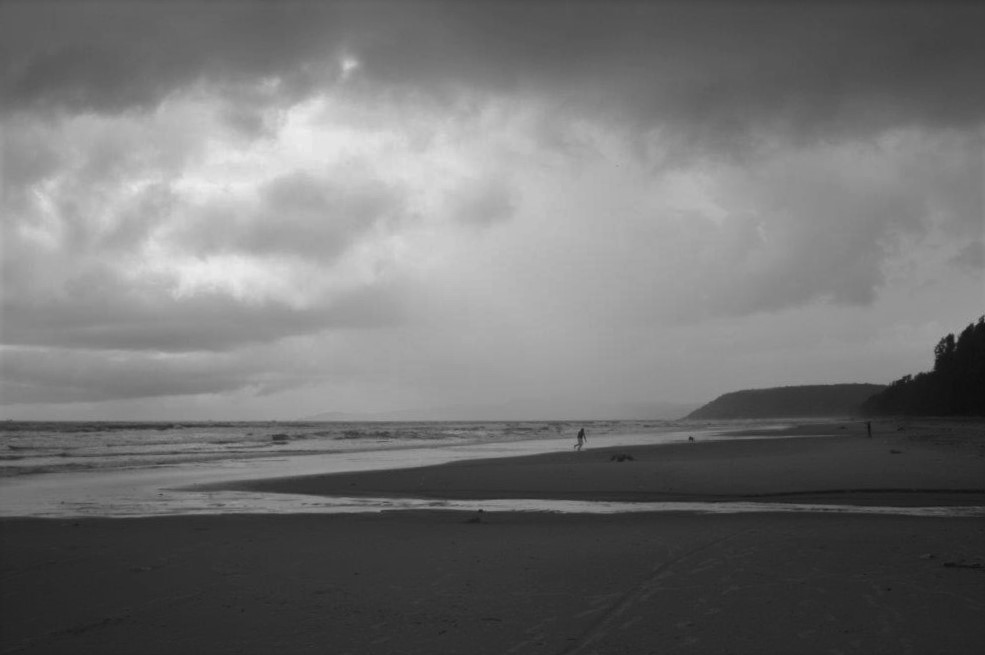
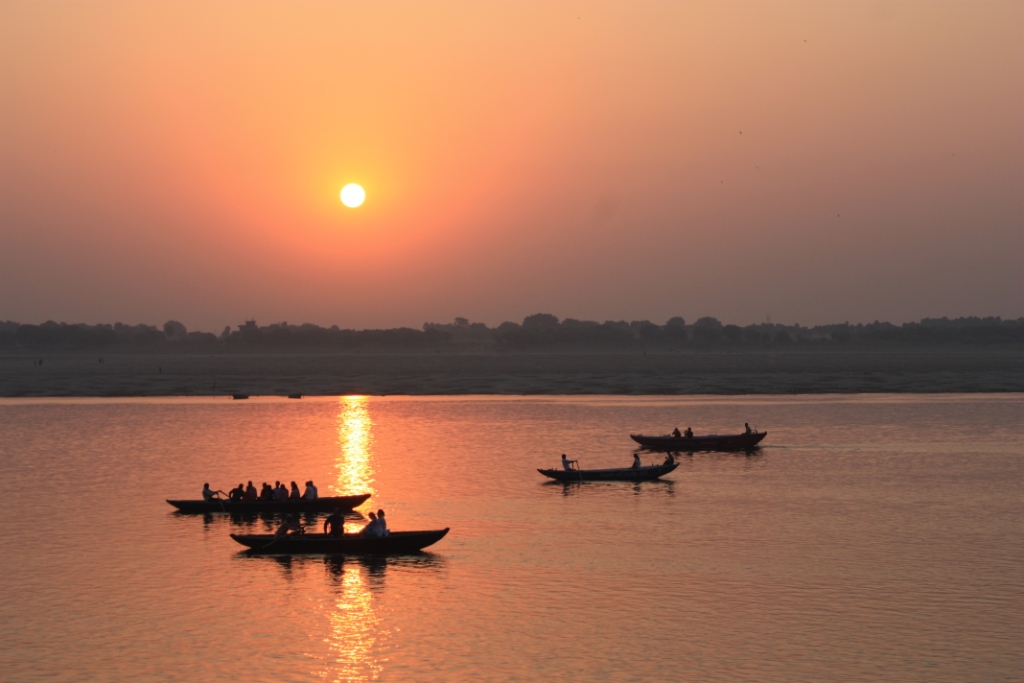
Mist touches cold water and moon embraces the sand.

I’m moored for the night near a tavern on the Qinhuai.

The singing girl doesn’t know the empire is in bitter ruin.

Across the river I hear her singing “Blossom of the Inner Court.”

Translation: Barnstone, Tony and Ping, Chou. 2005. The Anchor Book of Chinese Poetry: From Ancient to Contemporary. New York: Anchor Books.

Four Seasonal Haiku of Ryōkan [w/ Audio]

Spring

rainy days
make the monk Ryōkan
feel sad.

Summer

the moon in my window
is all the thief left behind.

Autumn

an autumn wind
chills the dangling persimmons,
and my testicles.

Winter

little birds have
gathered in the brushwood
on a snowy morn.

Hanshan 131 [w/ Audio]

During thirty years since my birth
I've hiked thousands of miles,
seen green grass converging with a river
and red dust rising at the frontiers,
searched in vain for immortals and elixirs,
studying books and histories.
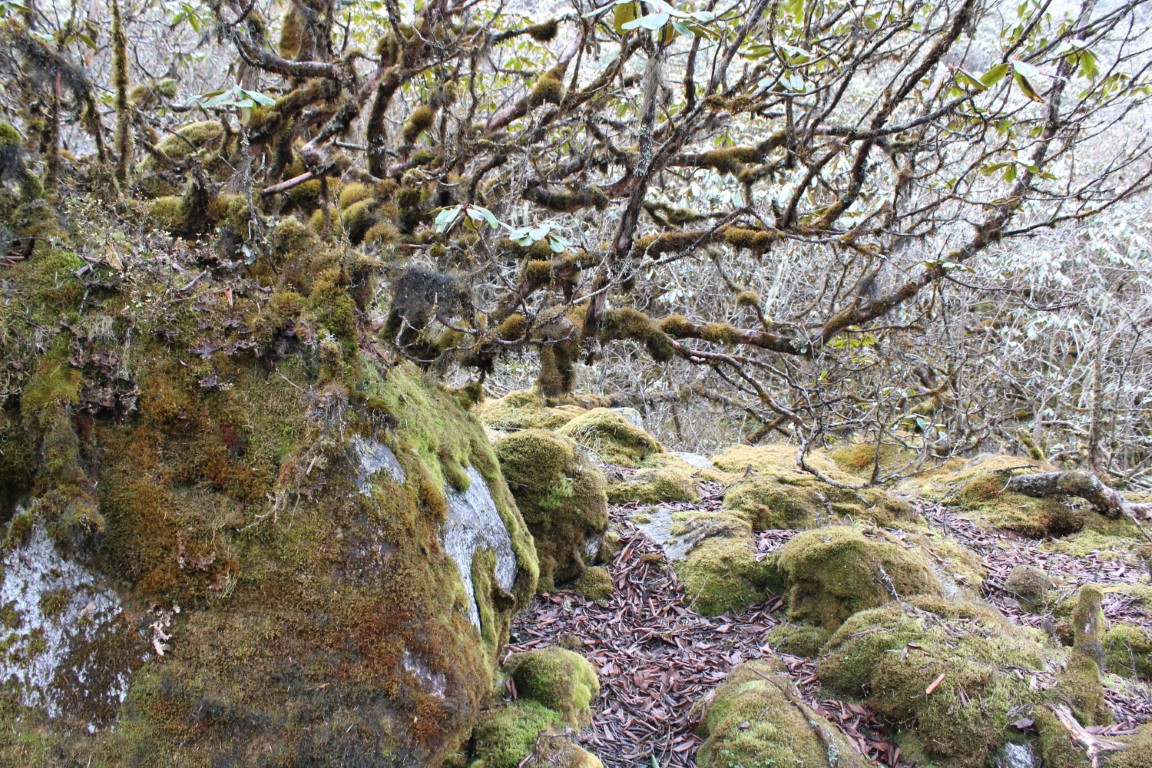
Today I've returned to Cold Mountain.
I lie back in a stream, washing out my ears.

Translation: Barnstone, Tony and Ping, Chou. 2005. The Anchor Book of Chinese Poetry: From Ancient to Contemporary. New York: Anchor Books.

“A London Thoroughfare. 2 A.M.” by Amy Lowell [w/ Audio]

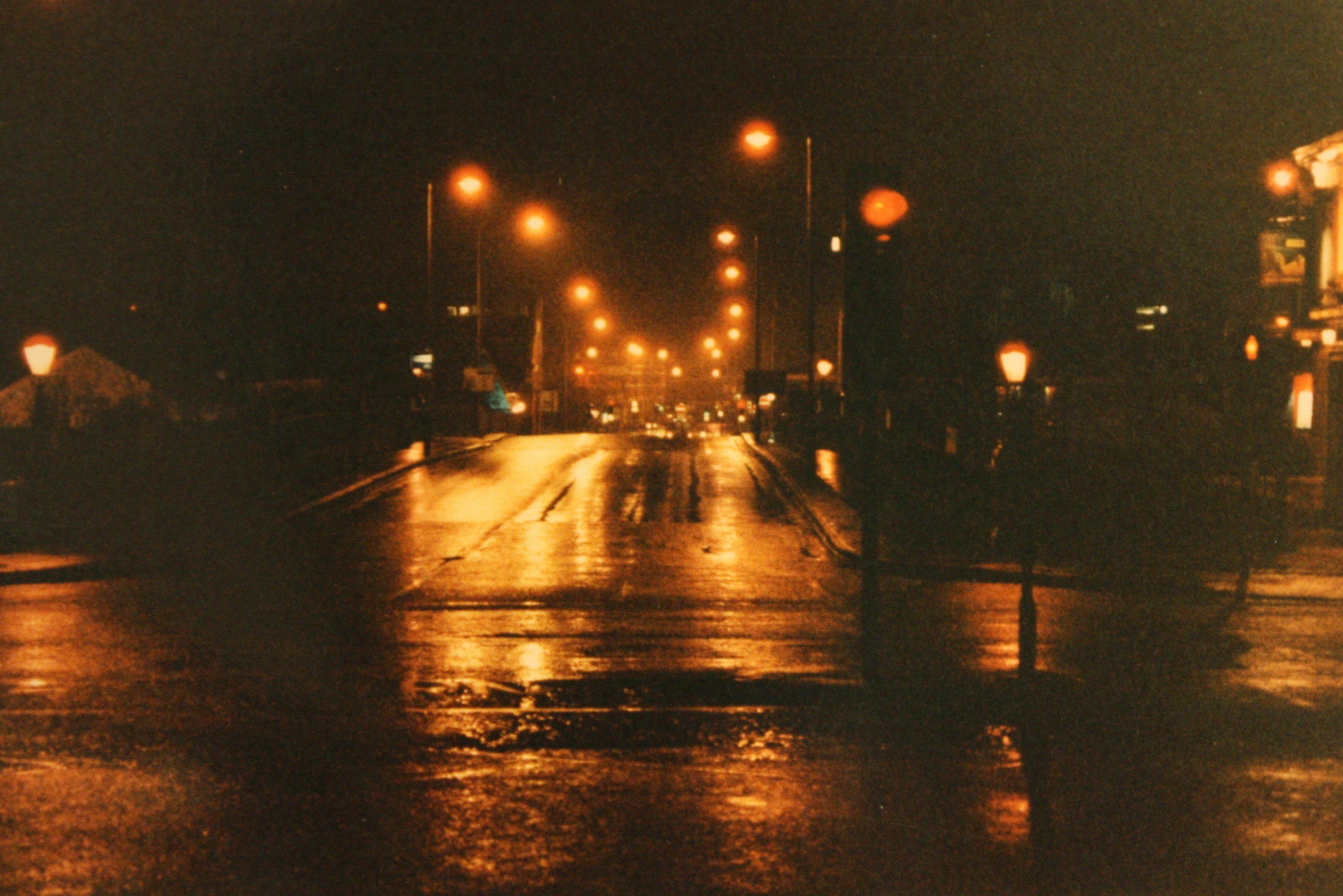
They have watered the street,
It shines in the glare of lamps,
Cold, white lamps,
And lies
Like a slow-moving river,
Barred with silver and black.
Cabs go down it,
One,
And then another.
Between them I hear the shuffling of feet.
Tramps doze on the window-ledges,
Night-walkers pass along the sidewalks.
The city is squalid and sinister,
With the silver-barred street in the midst,
Slow-moving,
A river leading nowhere.

Opposite my window,
The moon cuts,
Clear and round,
Through the plum-colored night.
She cannot light the city;
It is too bright.
It has white lamps,
And glitters coldly.

I stand in the window and watch the moon.
She is thin and lustreless,
But I love her.
I know the moon,
And this is an alien city.

“The Builders” by Henry Wadsworth Longfellow [w/ Audio]

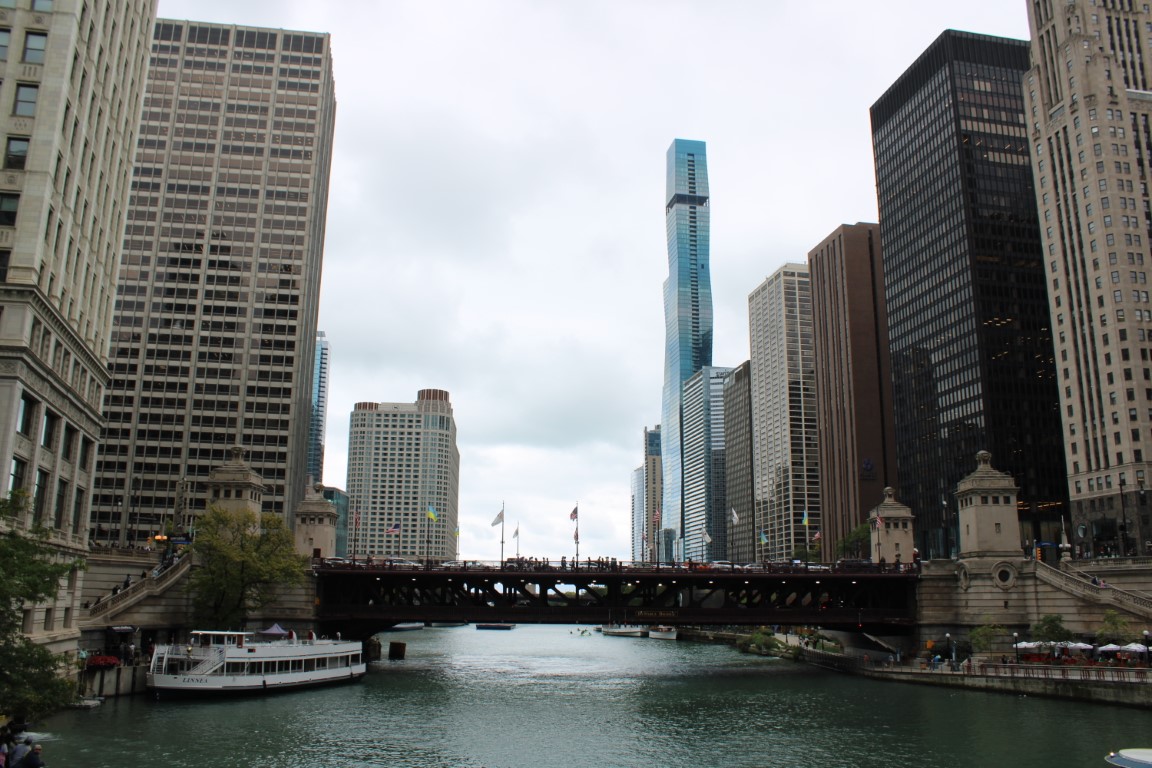
All are architects of Fate,
Working in these walls of Time,
Some with massive deeds and great,
Some with ornaments of rhyme.

Nothing useless is, or low;
Each thing in its place is best;
And what seems but idle show
Strengthens and supports the rest.

For the structure that we raise,
Time is with materials filled;
Our to-days and yesterdays
Are the blocks with which we build.

Truly shape and fashion these;
Leave no yawning gaps between;
Think not, because no man sees,
Such things will remain unseen.

In the elder days of Art,
Builders wrought with greatest care
Each minute and unseen part;
For the Gods see everywhere.

Let us do our work as well,
Both the unseen and the seen;
Make the house, where Gods may dwell,
Beautiful, entire, and clean.

Else our lives are incomplete,
Standing in these walls of Time,
Broken stairways, where the feet
Stumble as they seek to climb.

Build to-day, then, strong and sure,
With a firm and ample base;
And ascending and secure
Shall tomorrow find its place.

Thus alone can we attain
To those turrets where the eye
Sees the world as one vast plain,
And one boundless reach of sky.

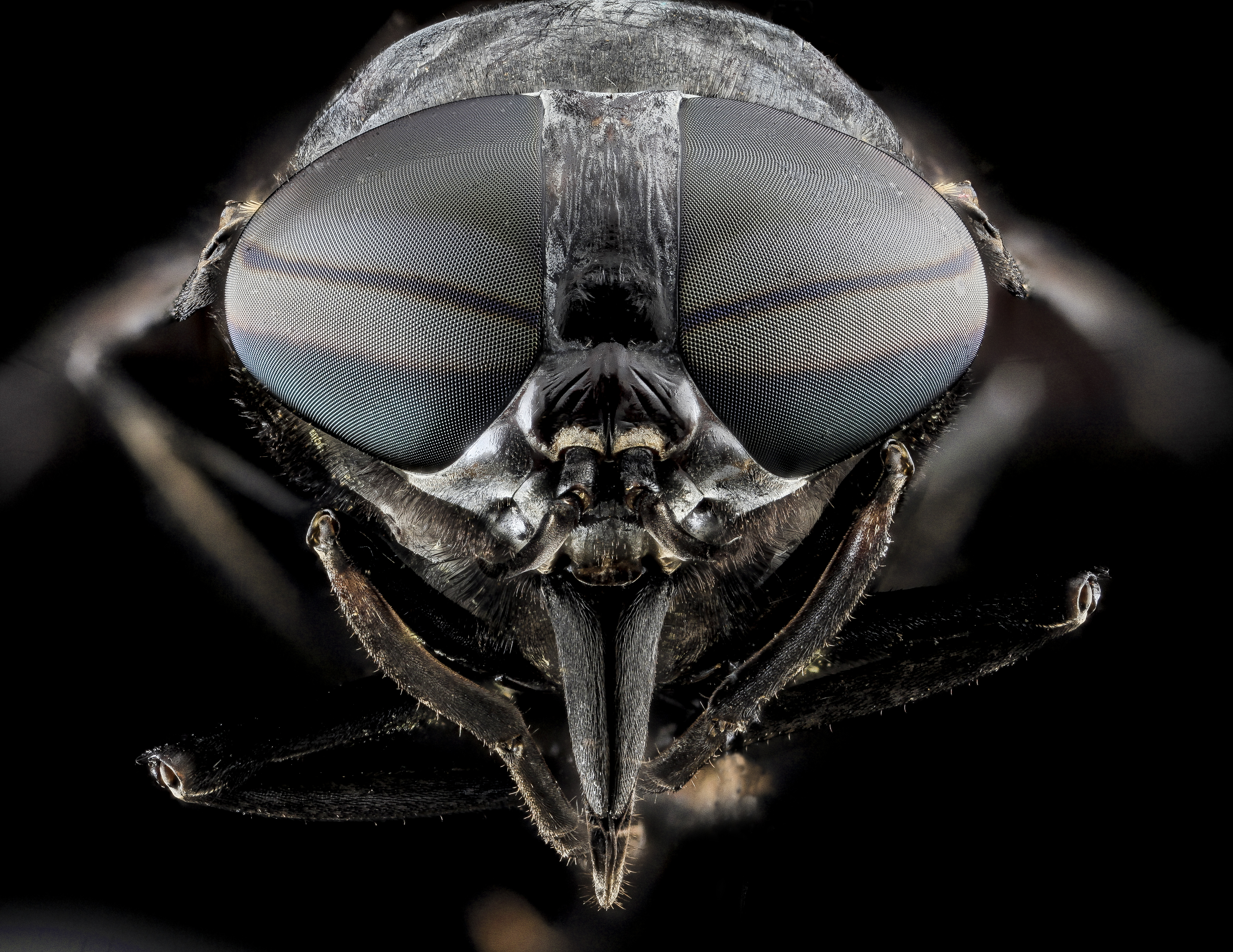
“The Fly” by William Blake [w/ Audio]

Source: USGS Bee Inventory and Monitoring Lab
Little fly,
Thy summer's play
My thoughtless hand
Has brushed away.

Am not I
A fly like thee?
Or art not thou
A man like me?

For I dance
And drink and sing,
Till some blind hand
Shall brush my wing.

If thought is life
And strength and breath,
And the want
Of thought is death,

Then am I
A happy fly,
If I live,
Or if I die.

“Gitanjali 35” by Rabindranath Tagore [w/ Audio]

Where the mind is without fear and the head is held high;
Where knowledge is free;
Where the world has not been broken up into fragments by narrow domestic walls;
Where words come out from the depth of truth;
Where tireless striving stretches its arms towards perfection;
Where the clear stream of reason has not lost its way into the dreary desert sand of dead habit;
Where the mind is led forward by thee into ever-widening thought and action
Into that heave of freedom, my Father, let my country awake.

NOTE: This poem is often entitled “Let My Country Awake,” particularly when it is anthologized independently of the larger Gitanjali poem.

“Seeking a Hermit-Sage in Vain” by Jia Dao [w/ Audio]

I question a local boy under a pine.
He says, "Teacher is gathering herbs
right here on the mountain...
But who can say where?
The mountain is thick with clouds."

Four Seasonal Haiku of Sōgi [w/ Audio]

SPRING

Despite the storm,
Spring's herald makes it through:
Scent of plum blossom.

SUMMER

Abundant fireflies
This year, but this morning
None are to be seen.

AUTUMN

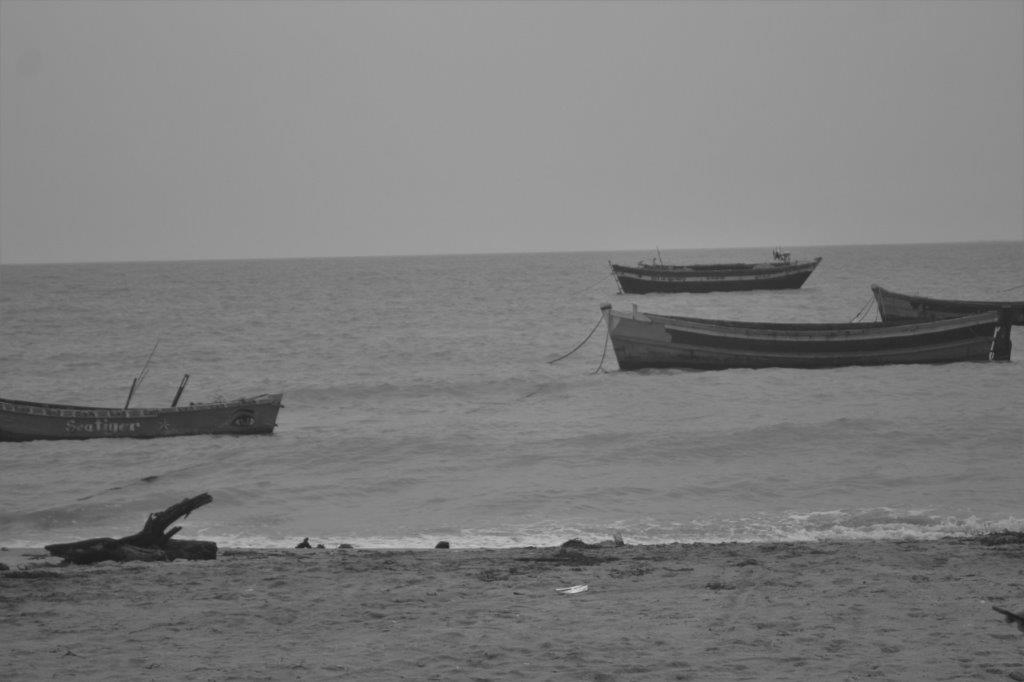
Autumn sea:
A boat moves, leaf-like,
In the floating world.

WINTER

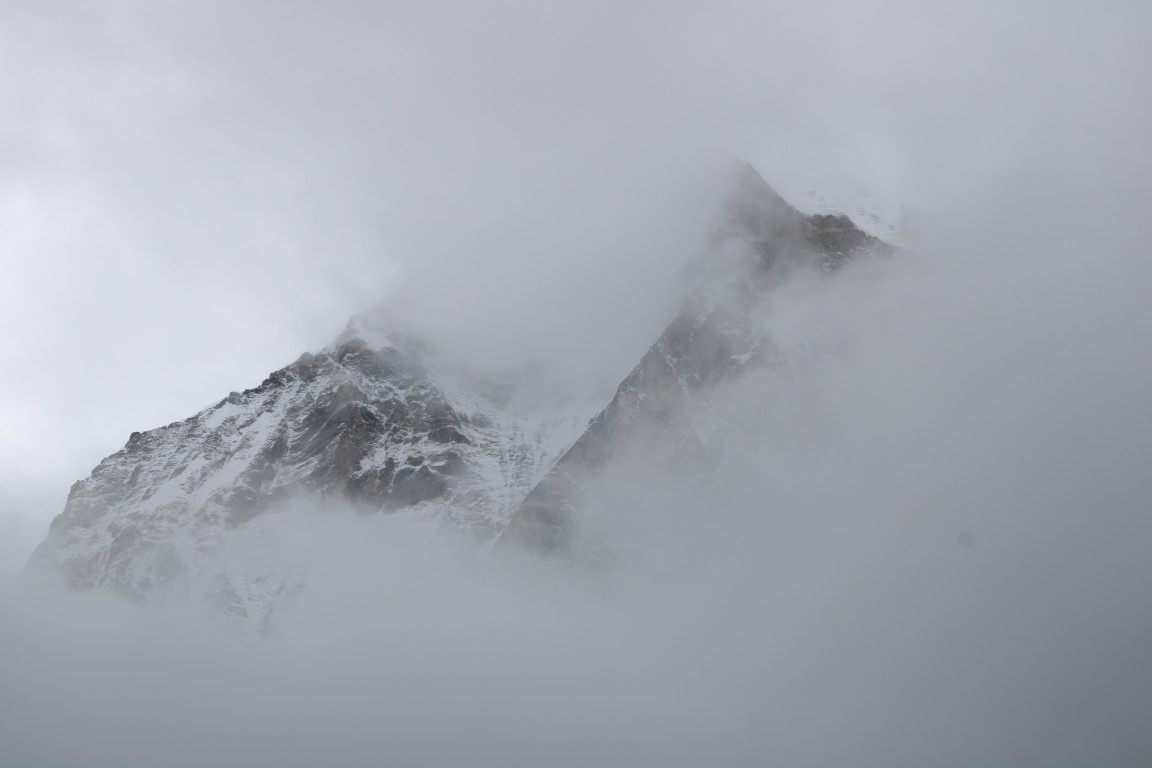
Winter rains
Cross the mountains
On rising clouds.

“Suicide in the Trenches” by Siegfried Sassoon [w/ Audio]

Photo by Ernest Brooks (Imperial War Museum)
I knew a simple soldier boy
Who grinned at life in empty joy,
Slept soundly through the lonesome dark,
And whistled early with the lark.

In winter trenches, cowed and glum,
With crumps and lice and lack of rum,
He put a bullet through his brain.
No one spoke of him again.

You smug-faced crowds with kindling eye
Who cheer when soldier lads march by,
Sneak home and pray you'll never know
The hell where youth and laughter go.