Prague Limerick

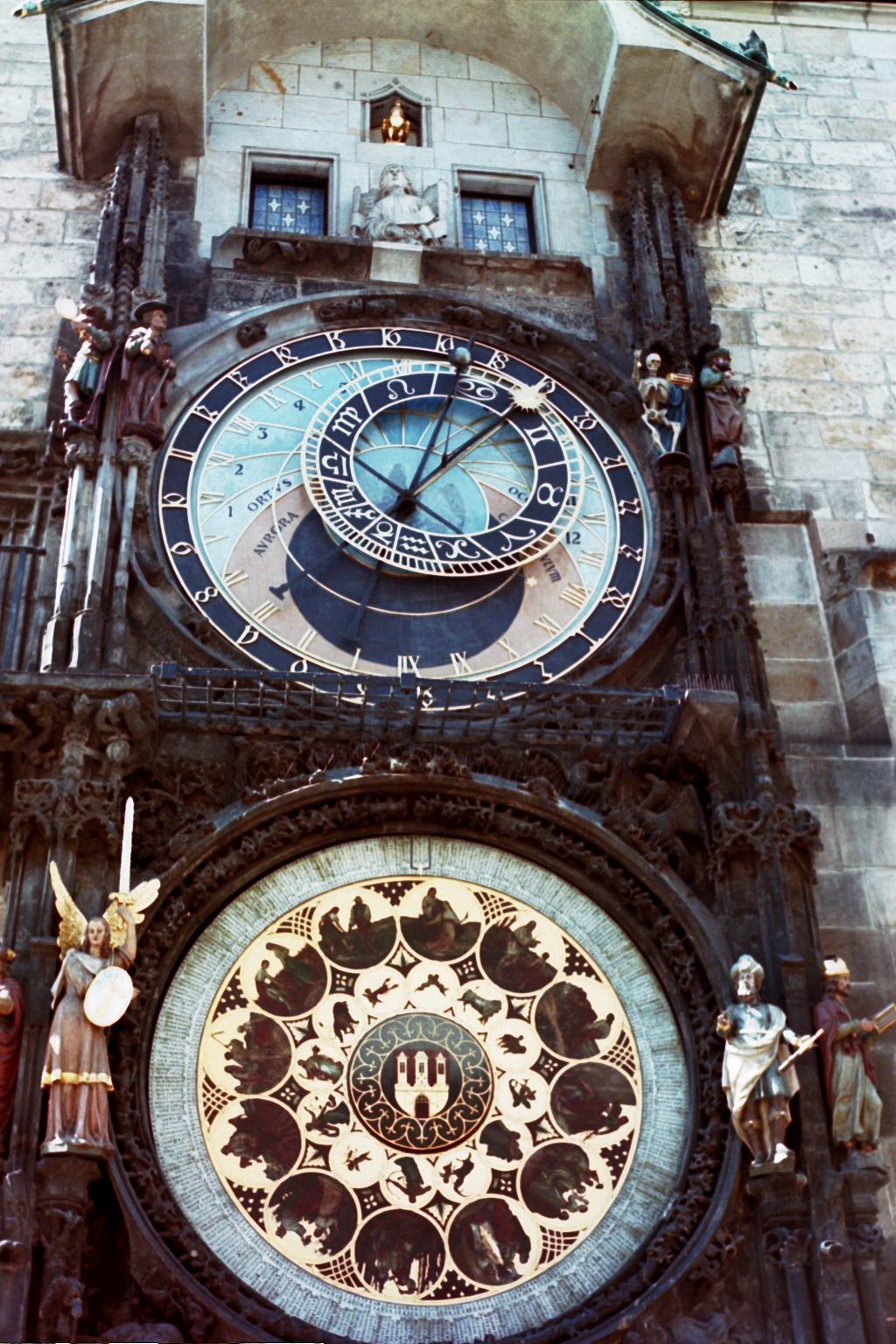
There was a clockmaker of Prague,
master of the spring, gear, and cog.
To thwart a reprise,
they poked out his eyes,
that mean Old Town Council of Prague.

Note: There is some disagreement as to whether this actually happened, but it makes an intriguing story. i.e. The town government blinding a craftsman with red-hot pokers to prevent him from building a more beautiful clock for another town. [It reminds me of a similar story (or, possibly, old wives’ tale) about Shah Jahan ordering the Taj Mahal craftsmen’s hands cut off so that they could never eclipse that structure’s beauty.] The rest of the Prague clockmaker’s story is that he returned to his creation and, despite his blindness, smashed up the mechanisms so badly that they couldn’t be repaired.

POEM: Recyclable Me

In death, I'm a recyclable,
my gut biome will gnaw its way
out of me like Ripley's Alien -
if on a microscopic scale.

Agents of the Destroyer will
turn my tissues into food bits
to feed some other animal.
Yes, I am inescapably 
animal - inescapably 
in transformation from living
to not...

This may seem morose, but is it?
He who can imagine a dog
cracking open his bones to eat
away all the marrow --
without an inner cringe, or wince --
is a person who knows freedom.

The Tree of Now [Haibun]

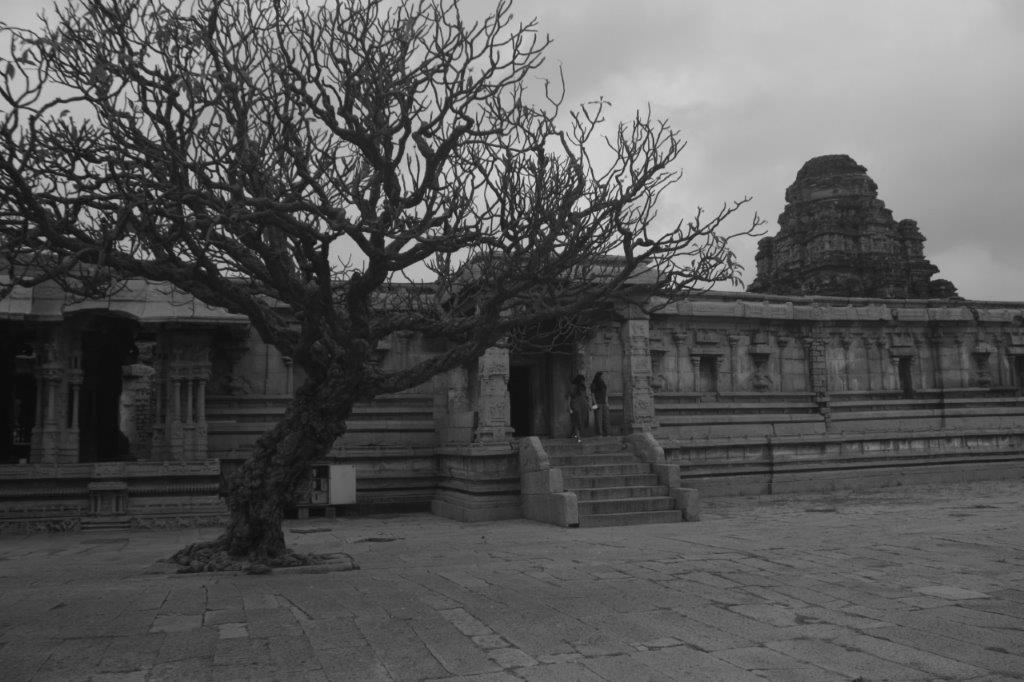
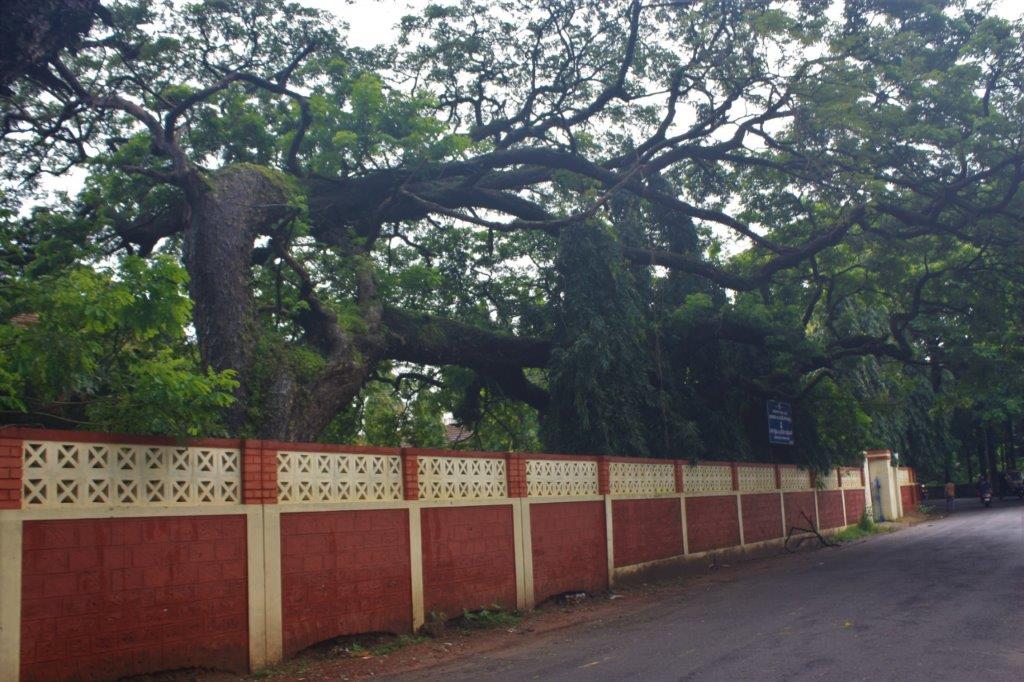
One tree stands in the temple yard, slanting but stable, its bare limbs lazily spiral skyward. Its trunk is gnarled and its branches are twisted and it makes the old ruins around it look modern by comparison. The trunk radiates hardness, a strength from deformation, like the sinewy limbs of a laborer whose muscles are held in constant tension, until they can no longer know suppleness. Seekers of shade and enlightenment once sought its shadow, but now it can only offer a good example. 

leafless tree --
sitting in the temple yard,
luring Buddhas

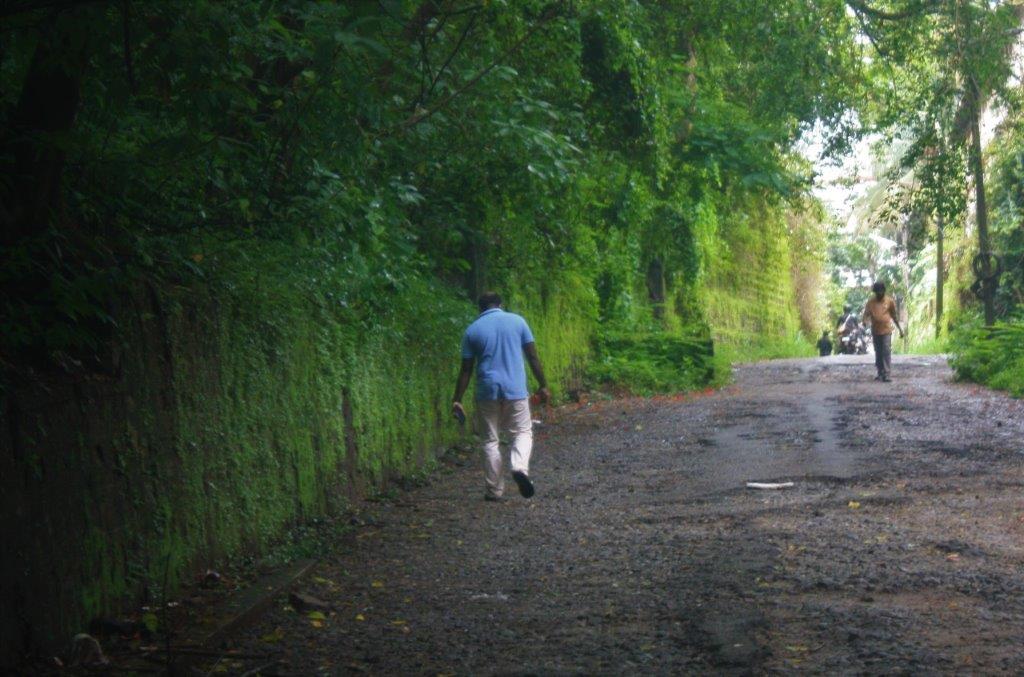
City Reclaimed [Haiku]

moss & plants grow
on the volcanic rock wall;
nature reclaims

Gravity-free Tree [Tanka]

growing upward,
the tree turns ninety degrees,
reaching sideways
three times its height -
i jump to check gravity

River Meets Sea [Tanka]

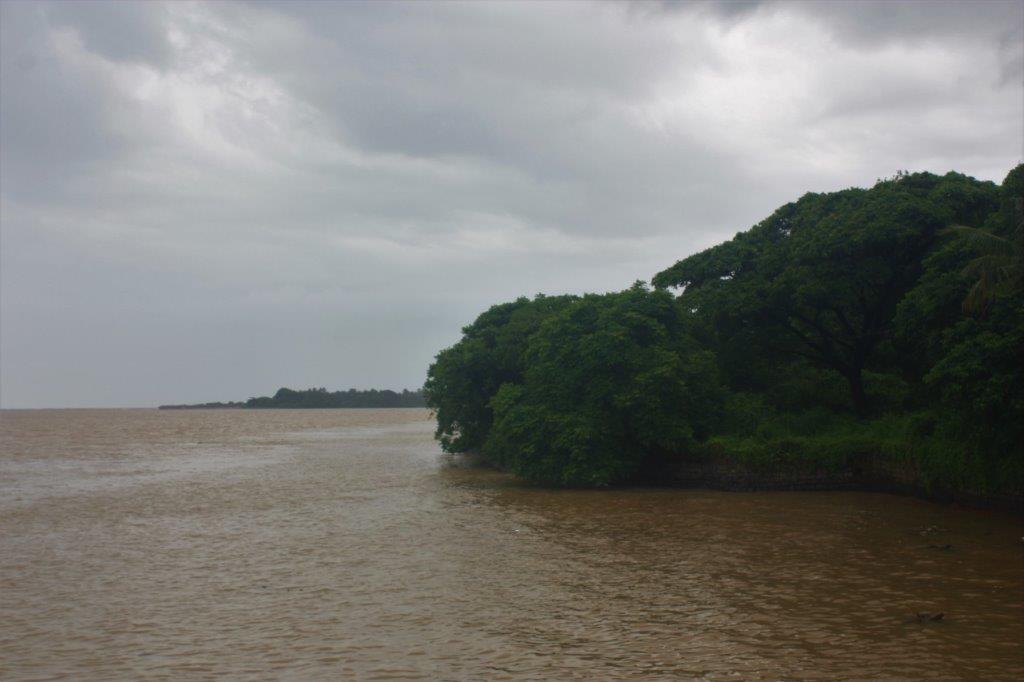
wide mouth river,
its chocolate-colored waters
smashed by breakers /
the battle is ceaseless;
no winner is declared

BOOK REVIEW: Book of Haikus

Book of HaikusBook of Haikus by Jack Kerouac
My rating: 5 of 5 stars

Amazon.in Page

For a guy who didn’t realize “haiku” was singulare tantum (like “deer,” having only a singular form,) Kerouac crafted poignant and evocative haiku. This Beat writer, best known for his semi-autobiographical novels (e.g. On the Road and The Dharma Bums) sought to create a sub-form that he called “American Haiku.” Like many English language haiku poets, Kerouac abandoned the 5-7-5 syllable format, but where others traded in the rule for a more English-friendly one (e.g. 2-3-2 stressed beats,) his American haiku used three simple lines and no strict counts. [Note: The relatively long syllables of English can cause the stark, sparse feel of Japanese language haiku to be lost.]

Lest one think this Beat poet jettisoned all the rules, he’s truer to the rules of content than to those of form. He uses season words widely in evoking a state of mind. Also, he sticks to pure observation to a surprising degree. [Traditionally, haiku merely suggested imagery, letting readers reach cognitive and emotional insights on their own.] There are some poems that are actually senryū [a poetic style that is the same as haiku in form, but which deals in humor and human foibles,] but not as many as I expected. Kerouac deals much less in political rage and shocking content than his Beat contemporary, Allen Ginsberg.

To give a taste of his haiku, here are a couple fine examples:

One flower
on the cliffside
Nodding at the canyon


Birds singing
in the dark
In the rainy dawn


I delighted in this collection. It reflects Kerouac’s Buddhist insights, plays off the work of Japanese haiku masters, and blends classic haiku with rare touches of uniquely American irreverence. I’d highly recommend it for poetry readers.


View all my reviews