
moss grows on steel.
machine on the forest’s edge,
swallowed by life

moss grows on steel. machine on the forest’s edge, swallowed by life
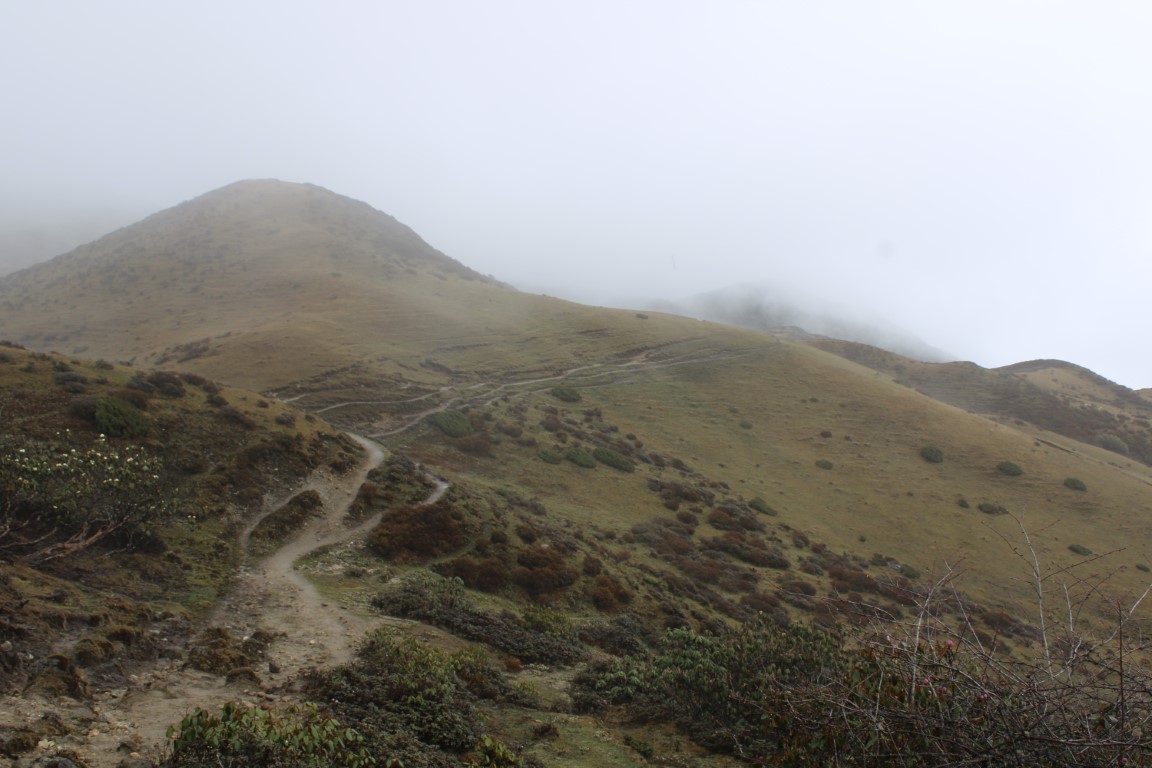
soft, round hills
under cottony clouds, yet
the hike is so hard

I see the lazy sway
of trees across the way.

And I'm lulled into trance
by their languid leafy dance.

And for the time I've lost
there must be some unit cost.

Or, perhaps, only gain.
There was no angst or pain...

only lost moments.

clouds top the green hills
and threaten to spill over,
but never do
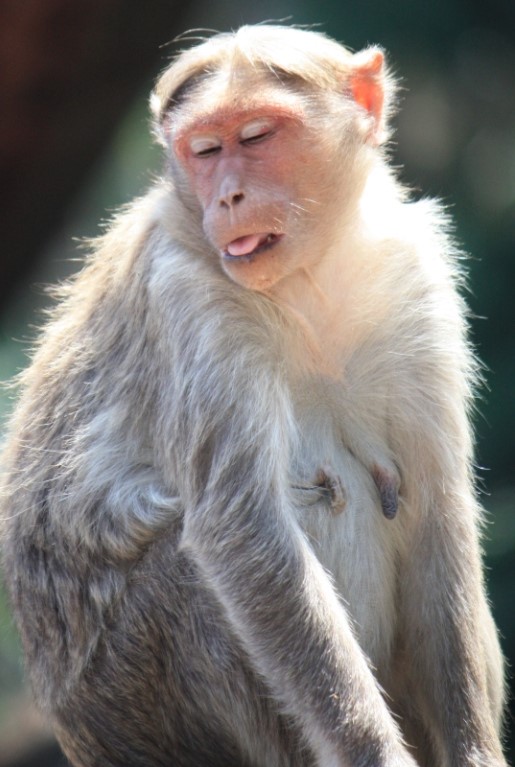
One day I passed a gray monkey,
and something made me turn.
I caught the primate in the act
of issuing a burn.

Its eyes were closed; its tongue stuck out.
Its head twisted to tease.
And when it saw me seeing it,
for a sec, it did freeze.

As if not a thing had happened,
and it was not to blame.
Before I could make my rebuke
it multiplied my shame.

by blowing me a raspberry
followed by a big smirk.
Then it scrambled away before
I went truly berserk.
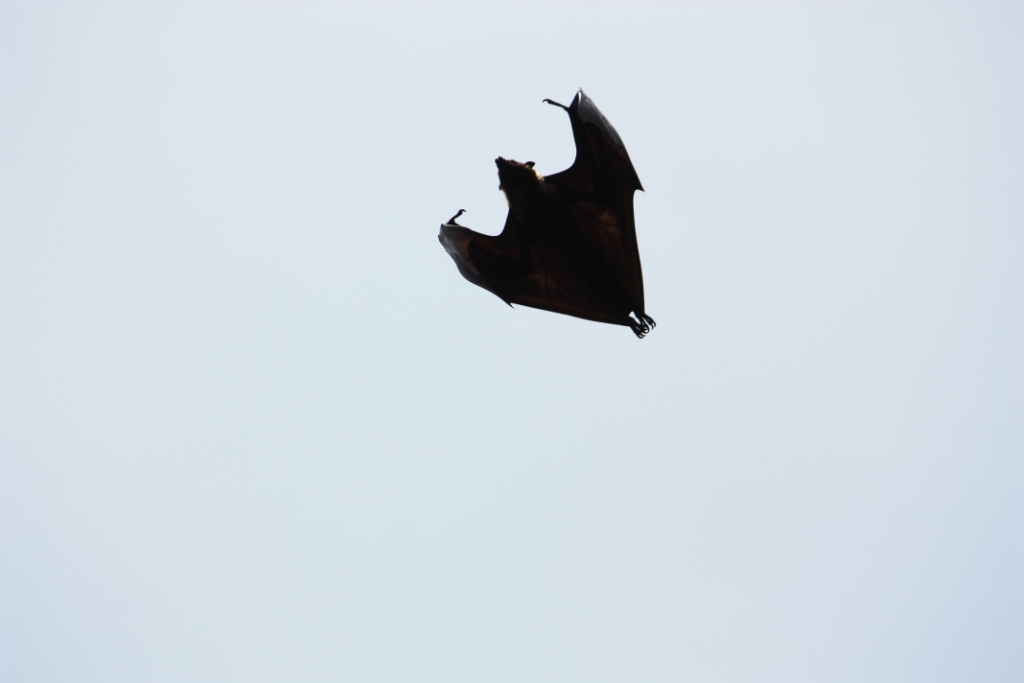
a flying fox
circles in mid-day light:
its prey, diurnal fruits

i enter an empty temple.

it’s not silent.

footfalls resonate
&
floorboards creak.

but flickering flames
&
sleepy-eyed Buddhas
are quiet enough

in an hour,
the monks will filter in
with great punctuality:
monks, young and old.
(i would say, “and ages in-between,”
but they all seem young or old.)

there will be chanting,
and the din of finger cymbals
and deep-toned drums.

and i will leave
for the solace
of the world
outside the temple.

the lake is glassy;
half rippled / half frosted,
and yet one lake

giant stag beetle
with broken antler and limp
still freaks me out
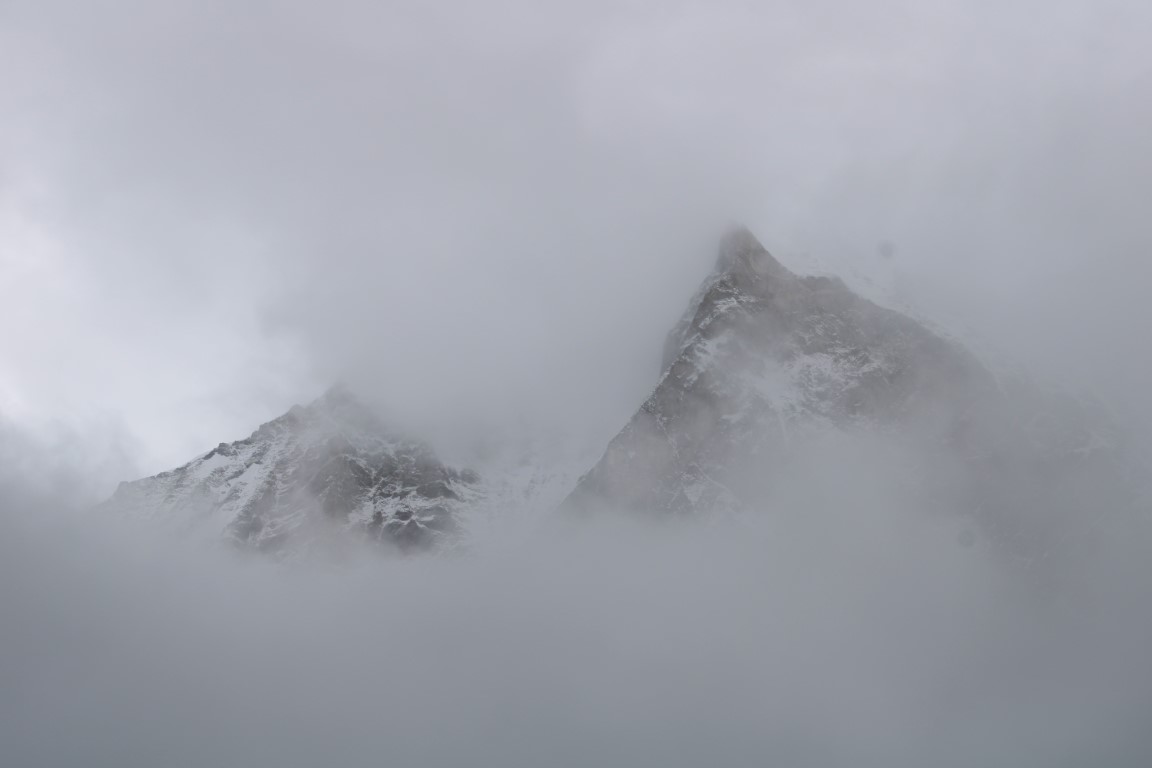
A grouchy nitwit wrote a polemic
about how Yetis had caused the Pandemic.
The Yetis protested,
and kindly requested
the man ponder head-in-ass hygienics.


