Lake Ice [Lyric Poem]

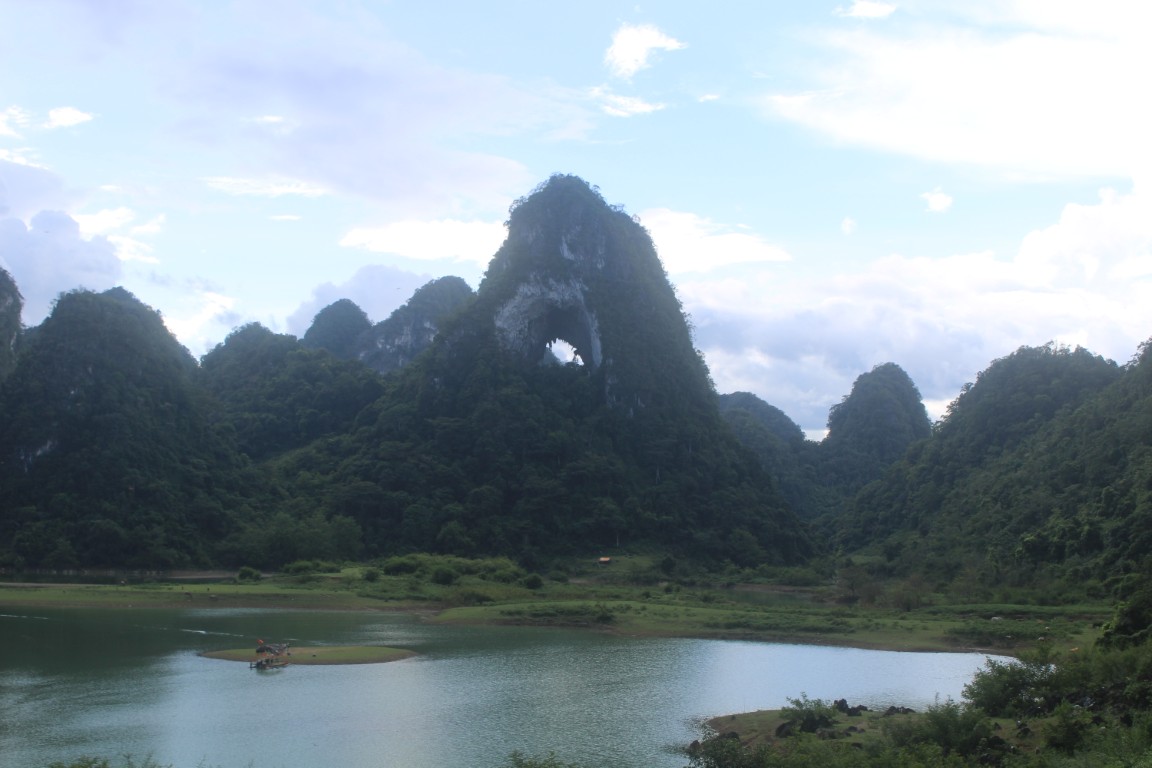
Sun-sparkles on the lake’s far end
look icy cool beneath blue skies,
but Winter shivers, I suspend,
because late Spring is telling lies.

Garden Lanterns [Haiku]

legs in leaf litter,
garden lanterns catch light
that pierces bare woods.

Winter Woods [Haiku]

bare branches,
in the Winter forest,
look frost-covered.

Ripples [Haiku]

through a window:
first ripples of a Spring rain
seen on a pond.

Passing Buddha [Lyric Poem]

The train is speeding down the line.
Gold Buddha glints in the sunshine.
Jarring is the train whistle’s whine,
we plunge into a dark tunnel.

Rushed [Haiku]

through the Autumn,
one tree holds leaves longer,
then drops them faster.

Rain Splotch[Haiku]

chilly winter day,
prismatic splotch in sky—
no bow, no ring.

Long Shadow [Haiku]

Winter sun
casts long shadows
through dead grass.

BOOKS: “The Suppressed Poems of Ernest Hemingway”

The suppressed poemsThe suppressed poems by Ernest Hemingway
My rating: 4 of 5 stars

Available online – Public Domain

I read this book because my curiosity was piqued by a reference to poems Hemingway published in Der Querschnitt, a reference that was made in a biography of Hemingway I’ve been reading recently (Forty-Three Ways of Looking at Hemingway by Jeffrey Meyers.) Five of the seventeen poems in the book are from Der Querschnitt. (Ten of the poems were published in a book entitled Three Stories and Ten Poems and a couple are odds and ends.)

The Der Quershnitt pieces are bawdy by 1920’s standards, though not particularly for today. The other poems can be a bit intense, dealing in subjects like death in war (Champs D’Honneur,) suicide (Montparnasse, and a curse upon literary critics (Valentine,) but tend to be a bit more refined (excepting Valentine. which may be the least elevated of the collected poems.)

The poems include a mix of lyric, free verse, and prose poem, though all are fairly short (the longest, The Soul of Spain, fits in three pages.)

My favorite was a short lyric poem entitled The Age Demanded, which considers the paradox of the 1920’s as a progressive age, restrained. I also found T. Roosevelt to be fascinating because in the act of critiquing Teddy Roosevelt, Hemingway (wittingly or not) gives us a bit of autobiography. (i.e.“And all the legends that he started in his life // Live on and prosper, // Unhampered now by his existence.”)

I give Hemingway more credit for saying interesting things by virtue of being bold than for saying anything in a particularly interesting way, but it’s enough to make these poems worth reading.

View all my reviews

Surrounded [Haiku]

farm surrounded by jungle:
what will disappear tonight?