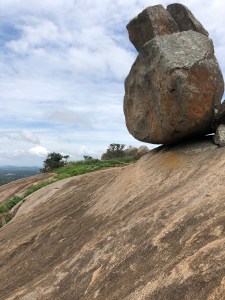
boulder on a slope:
 one grain of sandstone erodes
  at a time, until…

boulder on a slope:
one grain of sandstone erodes
at a time, until…
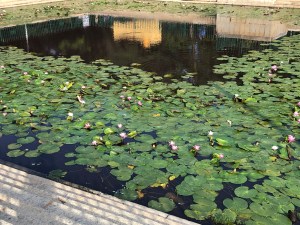
lily pad sprawl:
 herons march, beak-down,
  on the shifting surface.
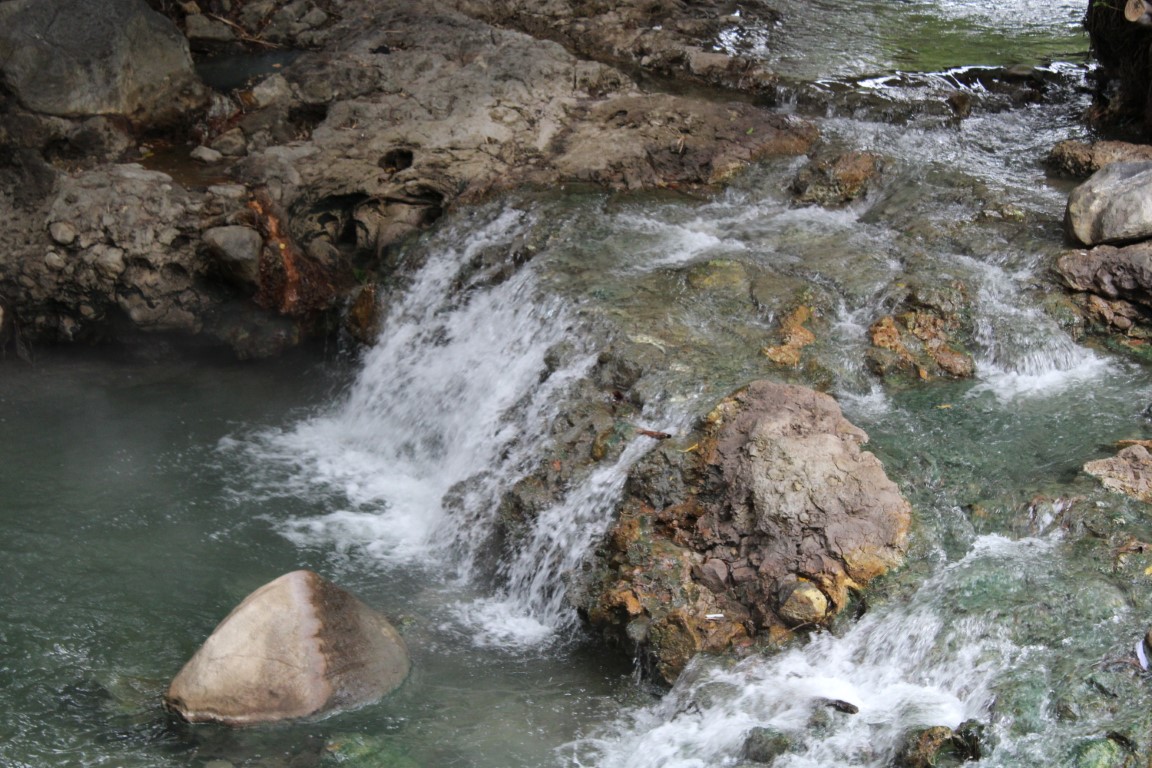
drifting toward falls,
 a leaf twists & pivots
  -- as if frantically --
 as if to avoid the fall,
 then slips over & glides.
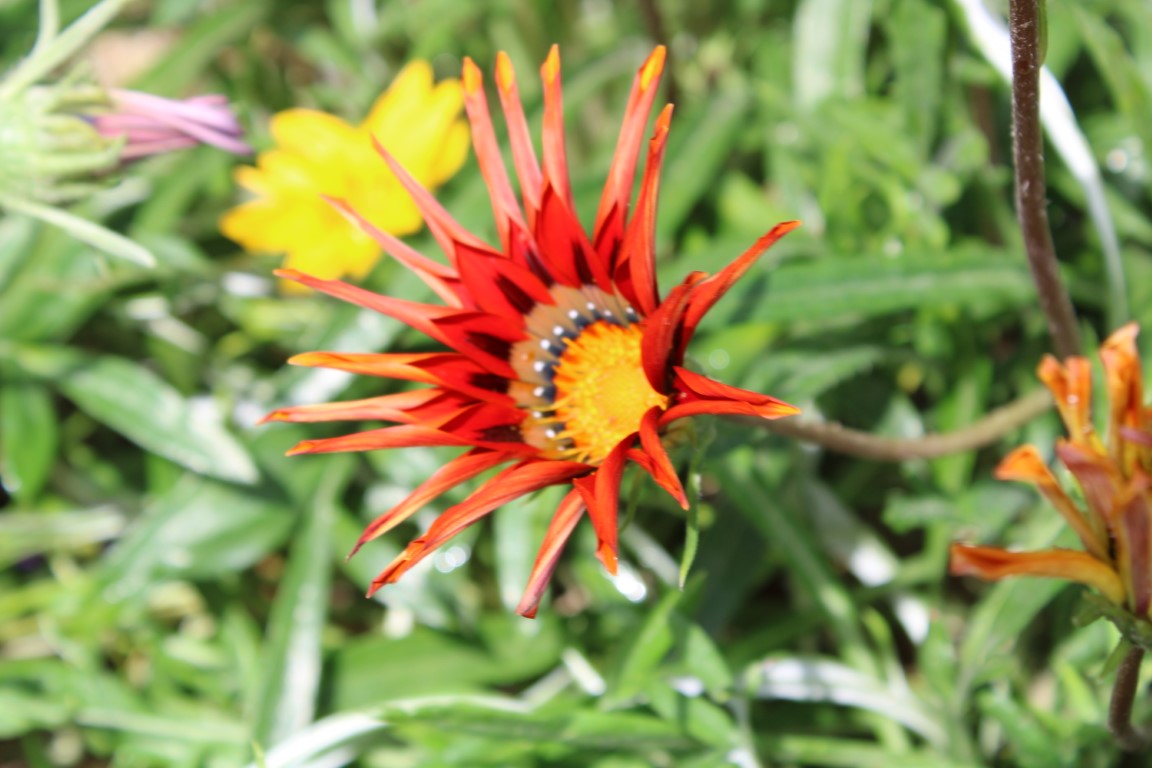
petals curling,
 the flower will not yield
  beauty at the core.
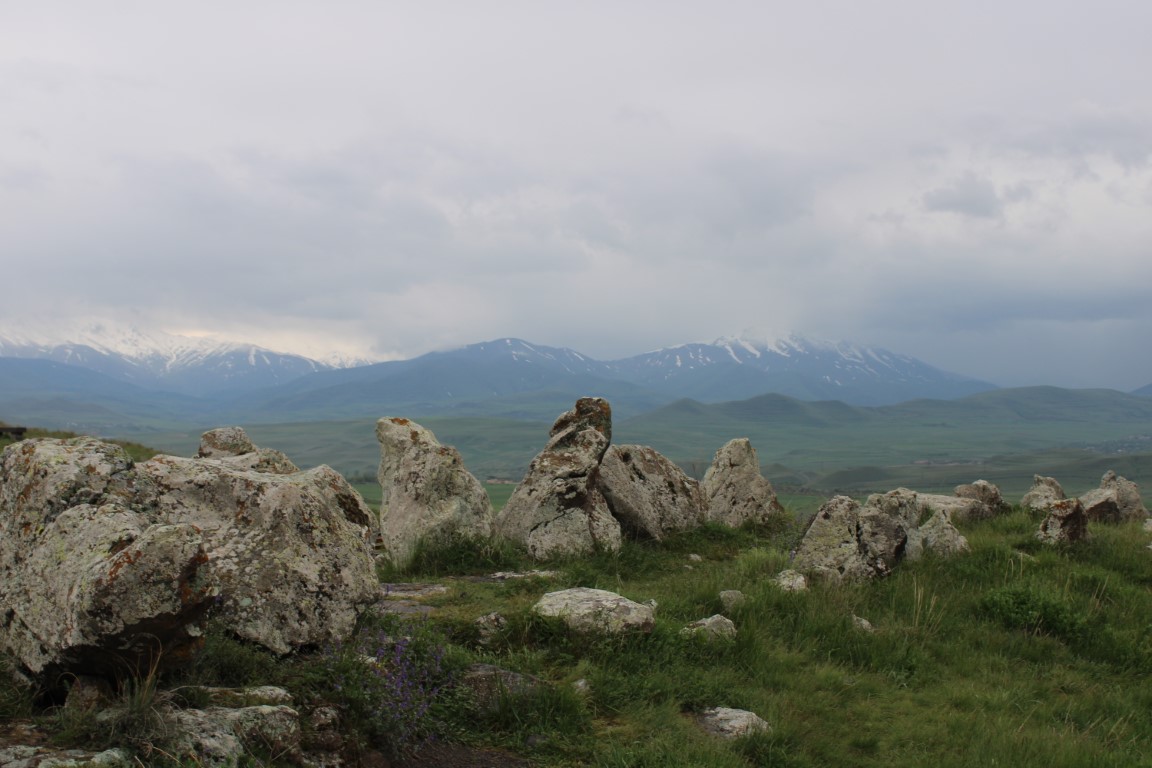
The day is cold, and dark, and dreary;
 It rains, and the wind is never weary;
 The vine still clings to the mouldering wall,
 But at every gust the dead leaves fall,
   And the day is dark and dreary.

My life is cold, and dark, and dreary;
 It rains, and the wind is never weary;
 My thoughts still cling to the mouldering past,
 But the hopes of youth fall thick in the blast,
   And the days are dark and dreary.

Be still, sad heart, and cease repining;
 Behind the clouds is the sun still shining;
 Thy fate is the common fate of all,
 Into each life some rain must fall,
   Some days must be dark and dreary.
a perched heron
 watches ripples of its
  last attempt fade.
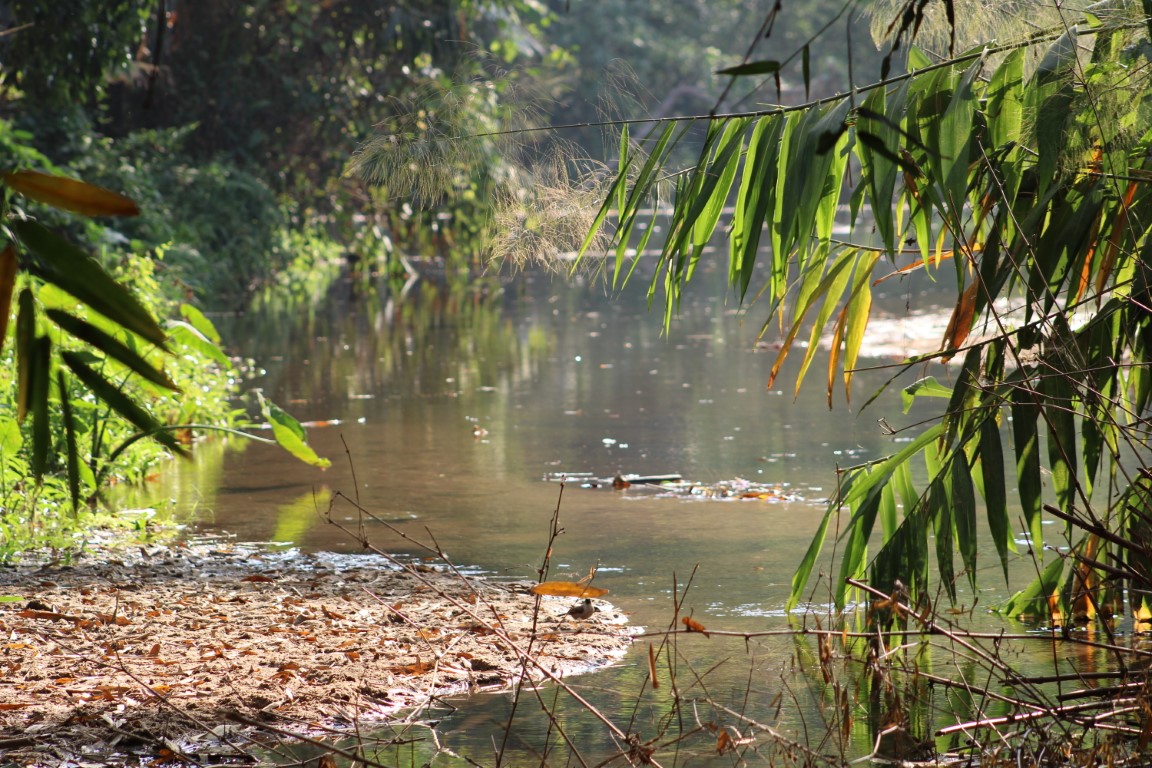
Picking, picking where water flows
 From a distant fountainhead.
 Moving up the narrow valley,
 One may see a stunning beaut.
Peachtrees laden with ripe fruit
 As breezes blow by the water
 And willows wind along the stream,
 While warblers consult with branch-mates.
The more one walks, the more Truth joins,
 And more Truth may reveal the Way.
  If this world is without end,
  The old must be made new again.
NOTE: The late Tang Dynasty poet, Sikong Tu (a.k.a. Ssŭ-k‘ung T‘u,) wrote an ars poetica entitled Twenty-Four Styles of Poetry. It presents twenty-four poems that are each in a different tone, reflecting varied concepts from Taoist philosophy and aesthetics. Above is a crude translation of the third of the twenty-four poems. This poem’s Chinese title is 纤秾. Giles translated the title as “Slim — Stout” and it’s also been translated as “Delicate – Rich.”
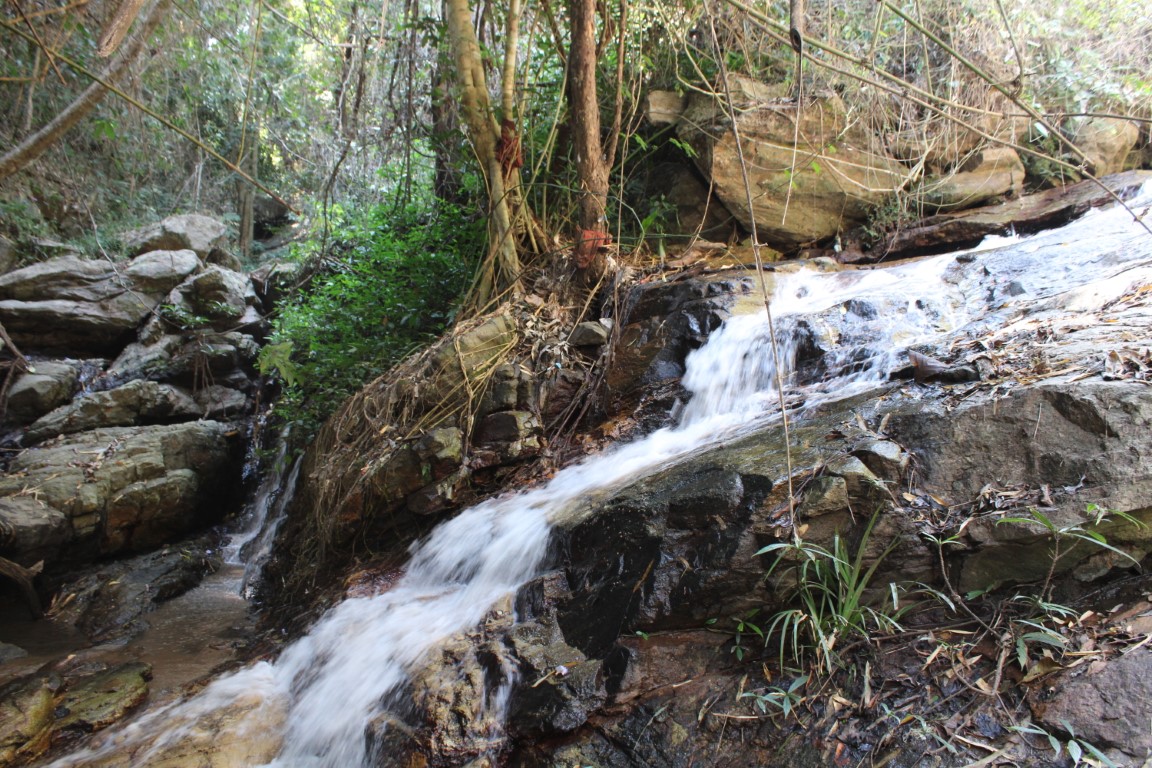
impromptu stream
 flows an uncut course
  from Spring spillage.
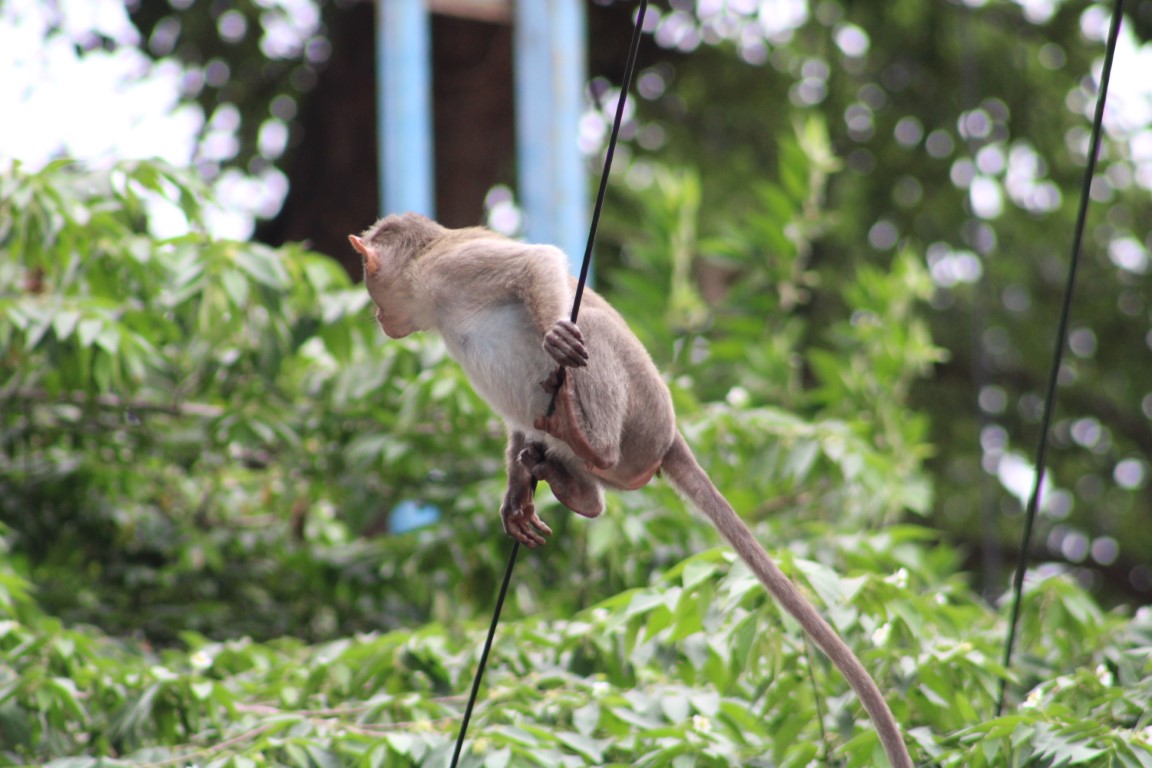
urban monkey stops
 & turns on an urban vine --
  nary a tremor.


 Tiger Riding for Beginners