
With favoring winds, o'er sunlit seas,
   We sailed for the Hesperides,
 The land where golden apples grow;
   But that, ah! that was long ago.

How far, since then, the ocean streams
   Have swept us from that land of dreams,
 That land of fiction and of truth,
   The lost Atlantis of our youth!

Whither, ah, whither? Are not these
   The tempest-haunted Orcades,
 Where sea-gulls scream, and breakers roar,
   And wreck and sea-weed line the shore?

Ultima Thule! Utmost Isle!
   Here in thy harbors for a while
 We lower our sails; a while we rest
   From the unending, endless quest.
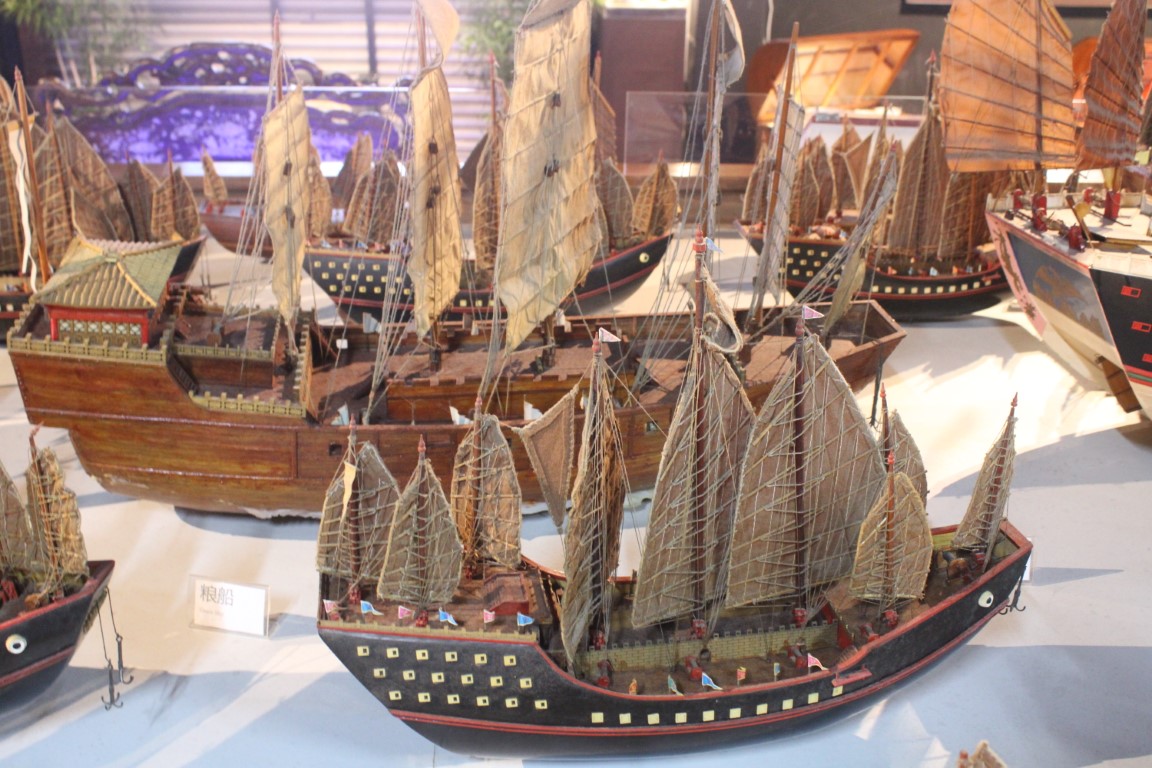
Rolling boat
   on roiling seas:
      heaving and creaking
             &
      pitching and listing --
 Decks shifting between
   untenable states,
 Crew tying in,
   tethering to what might
      become the anchor around
      their collective necks,
   pulling them all to the depths -
      'til the last bubble spills
      upward from a nostril.
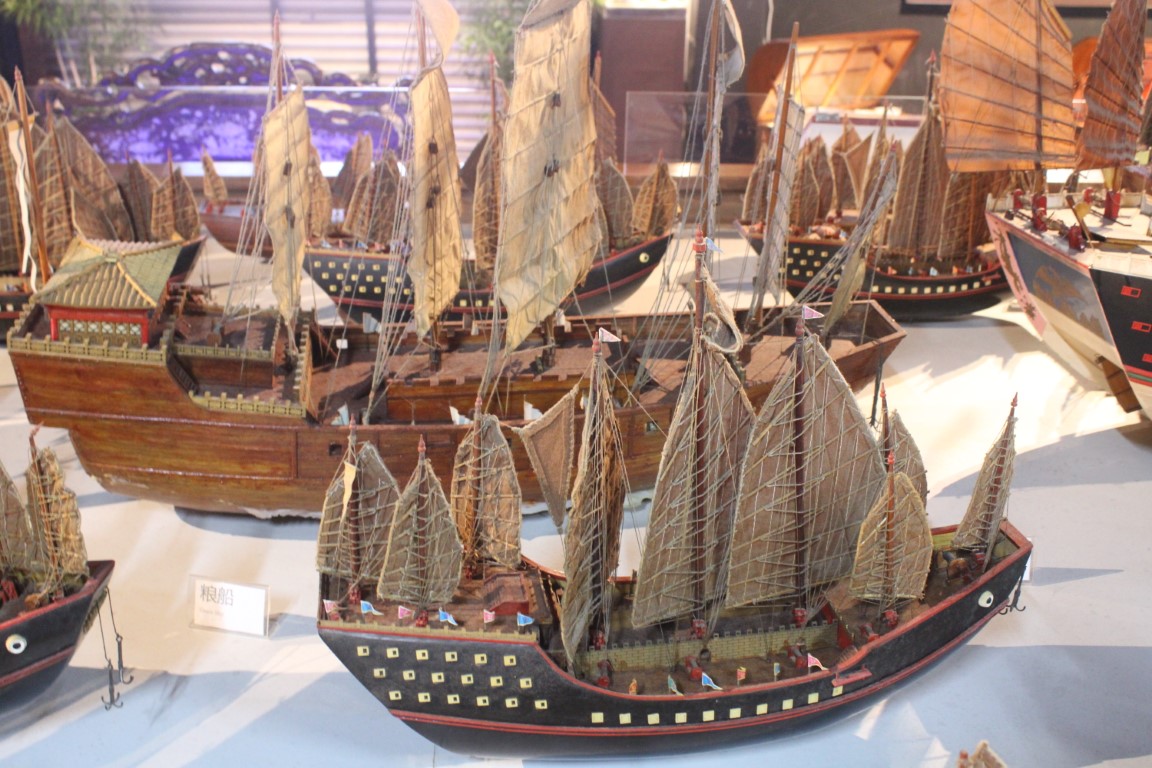
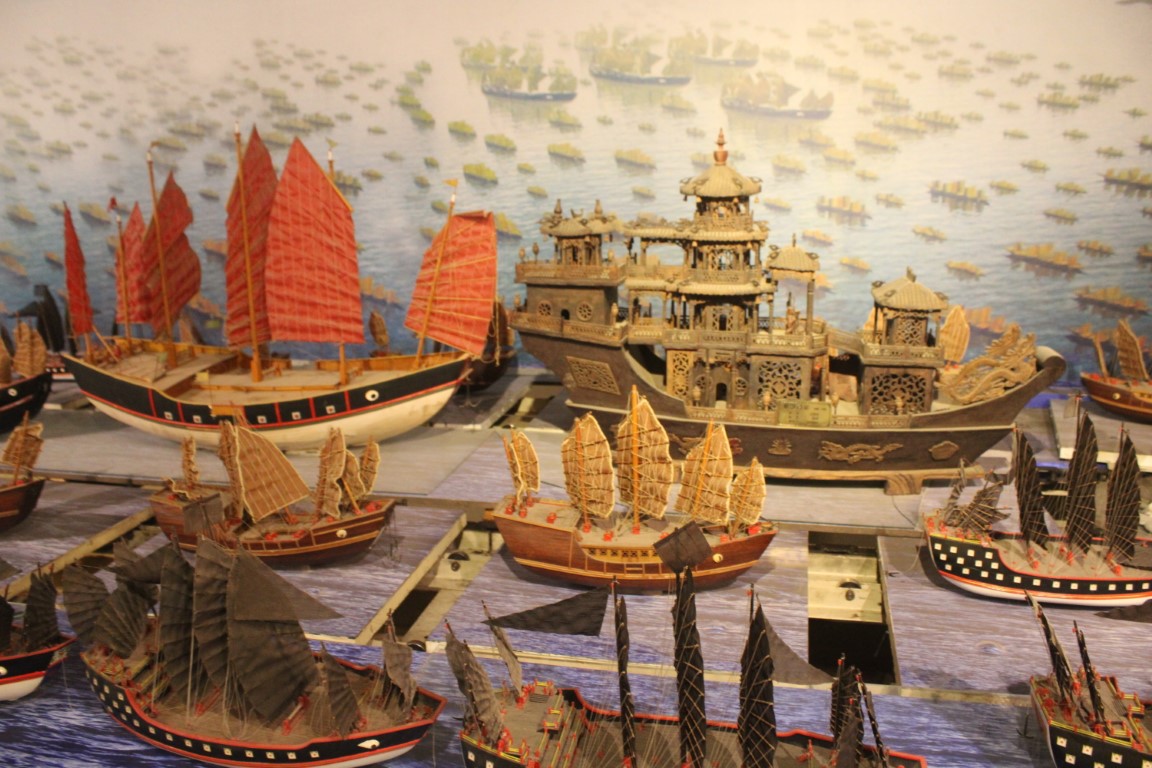
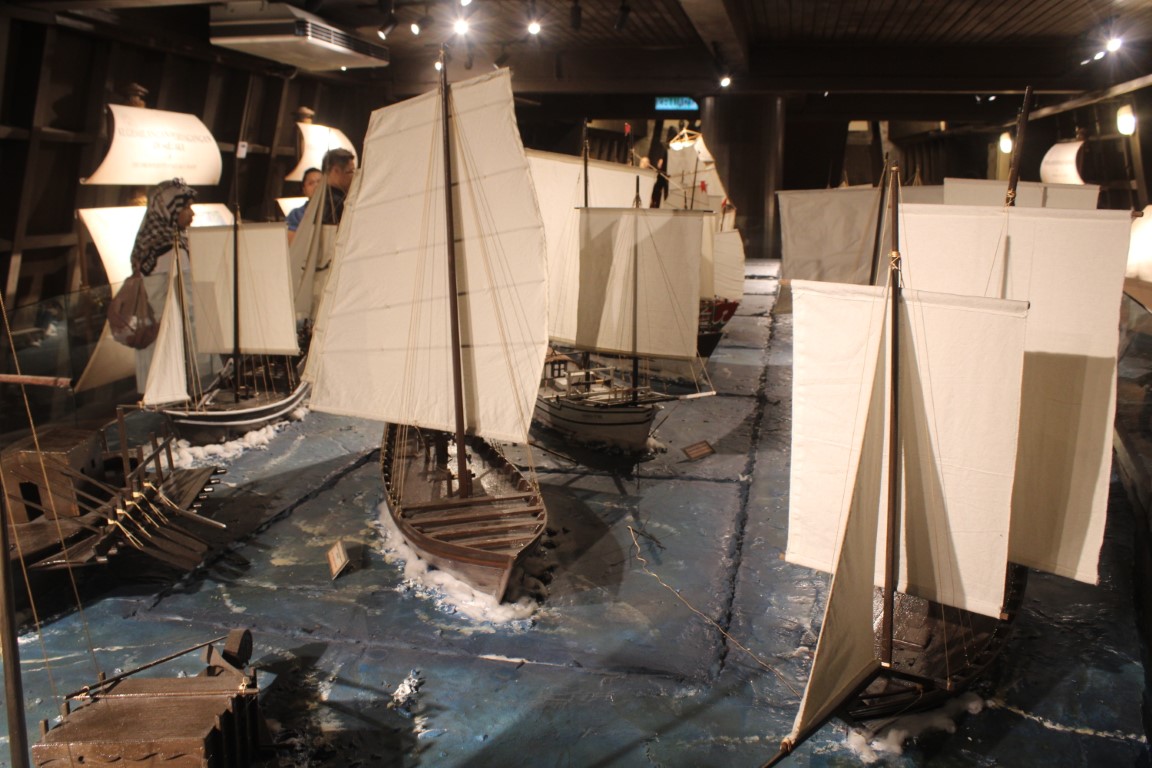
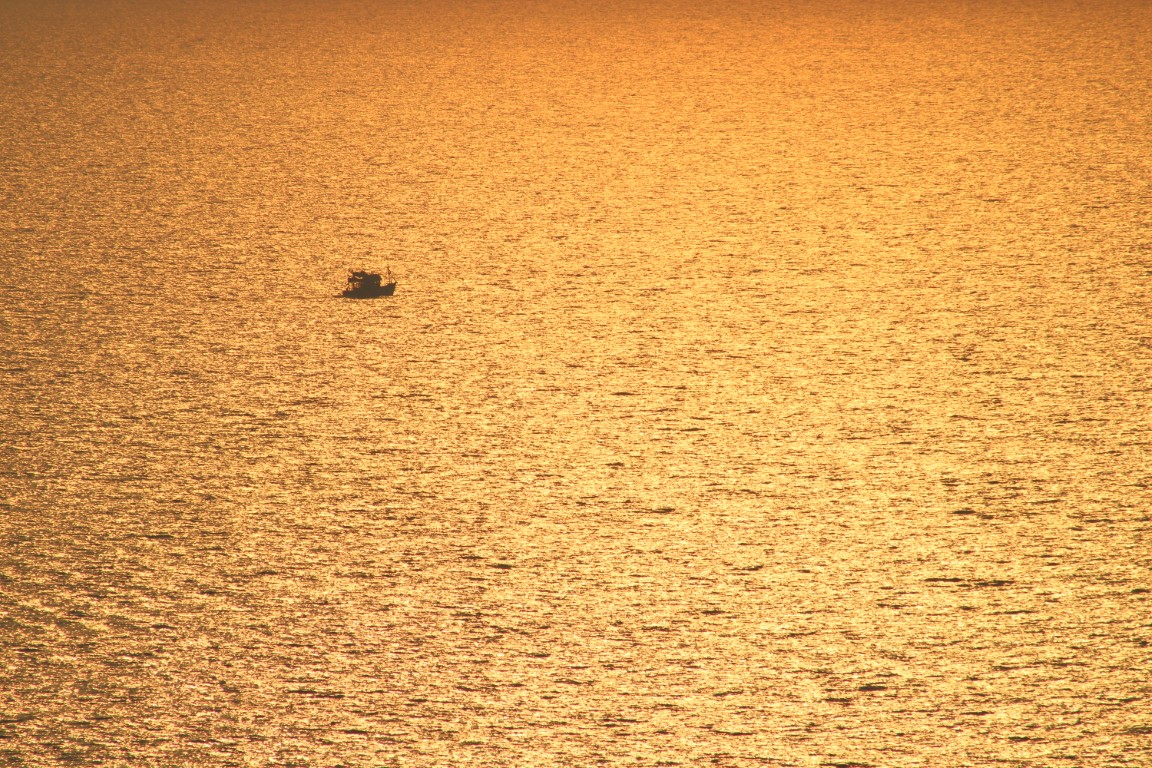
You see that one ship out on the horizon,
 and feel that unique tang of loneliness.
  There's far, far too much blank sea to thrive in,
   and all the makings for keen ghostliness.

That boat will soon be passing beyond sight,
 and maybe it will falter, maybe sink.
  The sea has created a million plights,
   and hazards there will honor no strict brinks.

In Shakespeare, ships are lost, often as not.
 See: "Tempest," "Merchant," "Pericles,” and so on.
  Perhaps, you'll say that today isn't so fraught
   with maritime menace and sea demons.

Why more vexed than those who keep ships running?
 'Cause sailors will never, ever, see it coming.
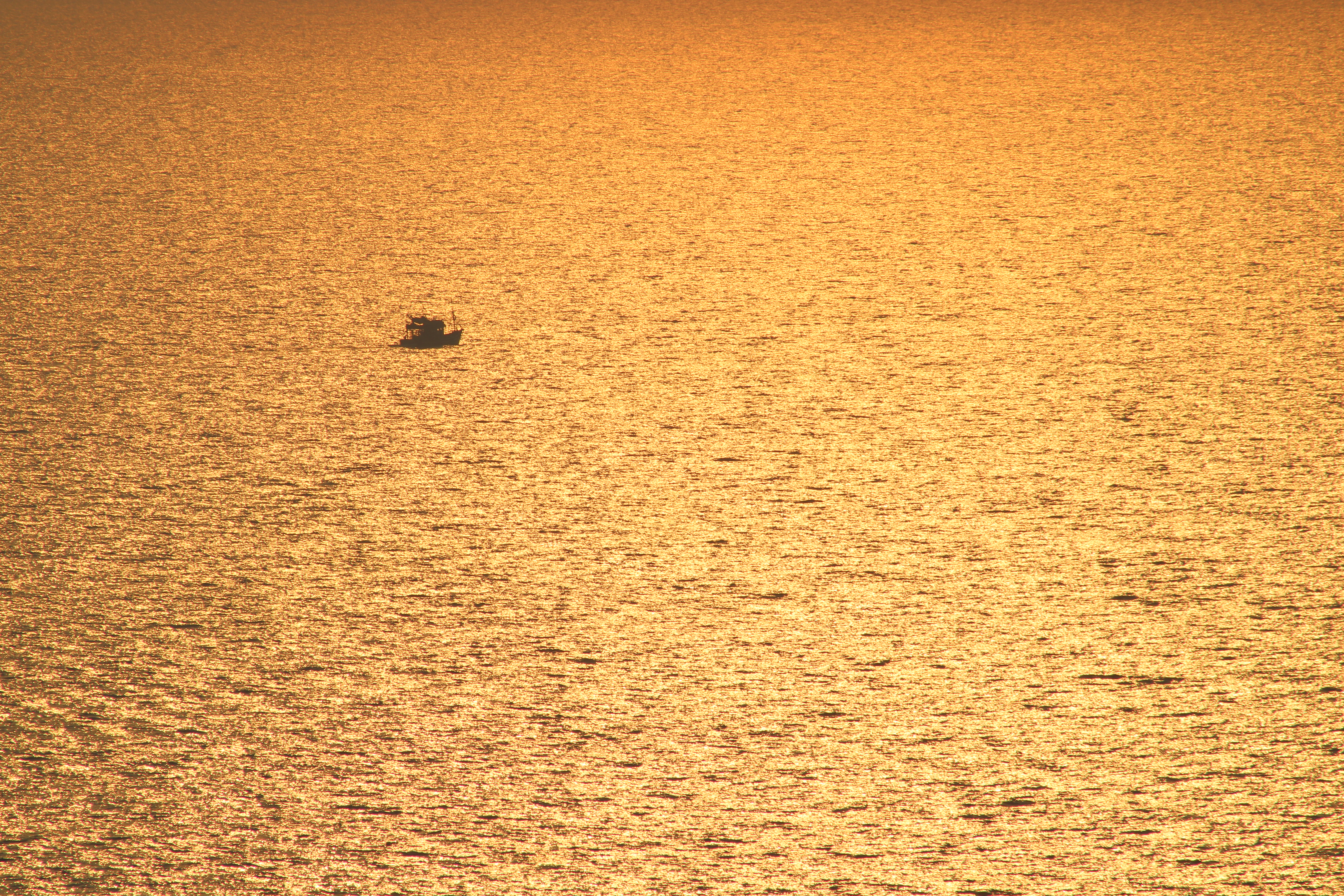
She sat on the shore
 and watched the sea.

She watched the sea
 so intently, and for so long,
  that she could see the tides rise.

She could discern
 that gradual shift
  from among the undulations
   & sea state changes.

But she was seeking a ship
 that would never return.
Back in the days of wooden sailing ships
some unsaid words could never grace the lips:
the "calms," or "doldrums," signed apocalypse.
Better storm than lull end one's life of trips.
metal rasped on rock
a grating demon squeal
where’d it come from
surely, not from Liberia
despite the flag’s claim
drifting across high seas
it found a suitable grave
on an unknown rocky shoal
[National Poetry Month: Poem #22]

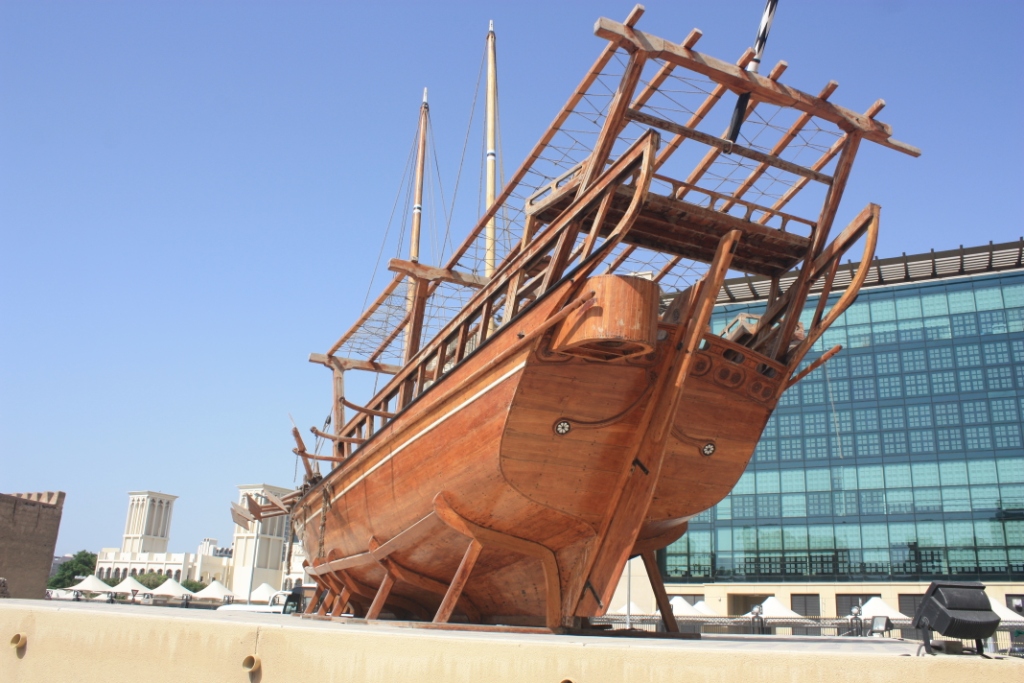
Taken in May of 2016 in Dubai

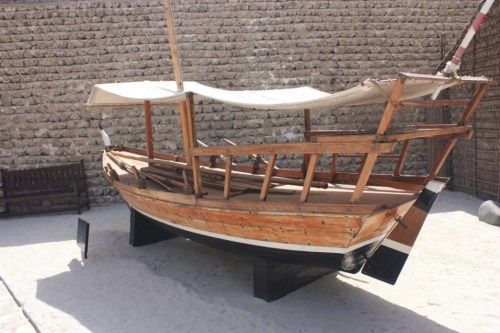
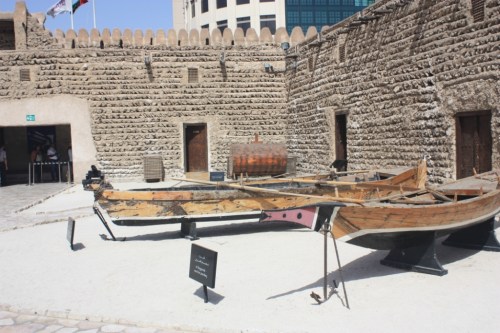

Dubai has an interesting museum that charts the Emirate’s history from fishing village to global transshipment megalopolis. As Dubai’s history is maritime, there are no shortage of boats.
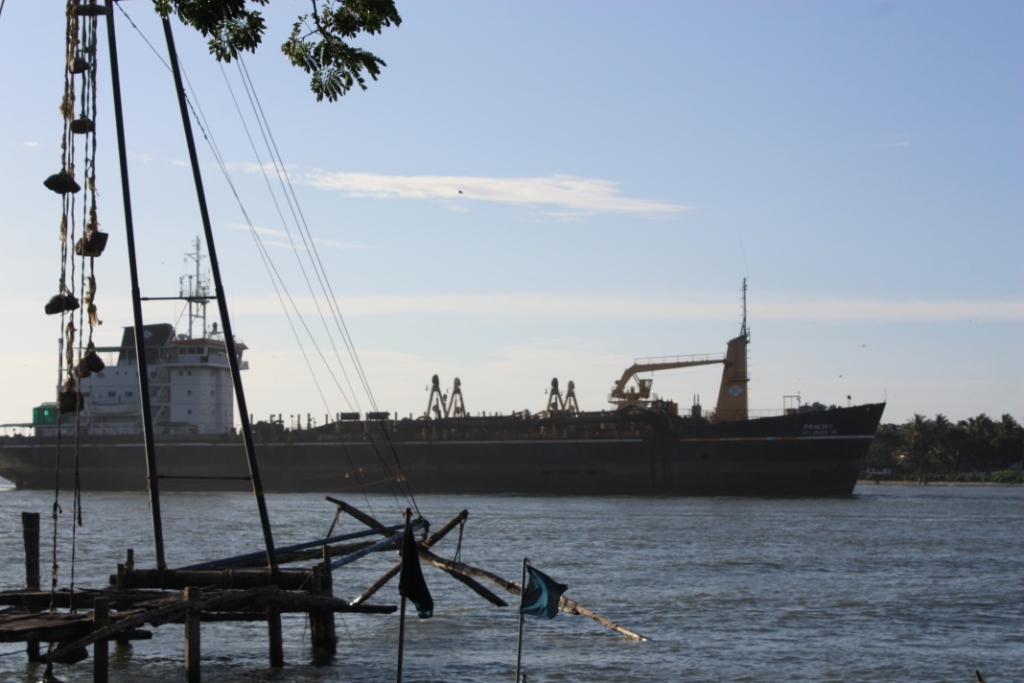
Taken on July 7, 2014 in Kochi
At the harbor at Fort Kochi, where ships enter the Arabian Sea, there are old Chinese Fishing Nets lining the coast. The nets don’t yield many fish in this area, but exist more as a tourist attraction. The fixed, lever-lowered nets were actually introduced by the Portuguese–albeit Portuguese who had spent time in southern China (i.e. Macau.)
The port at Kochi (Cochin) is one of India’s major transportation hubs (11th largest by tonnage and 8th largest by number of containers.) In addition to modern products, the port still handles a lot of the spice that made Kochi an important center of trade since ancient times.
The channel has to be dredged to keep a clear path for the large number of ships transiting in and out of port.




 Tiger Riding for Beginners