Wine comes in at the mouth
 And love comes in at the eye;
 That's all we shall know for truth
 Before we grow old and die.
 I lift the glass to my mouth,
 I look at you, and I sigh.

Wine comes in at the mouth
And love comes in at the eye;
That's all we shall know for truth
Before we grow old and die.
I lift the glass to my mouth,
I look at you, and I sigh.
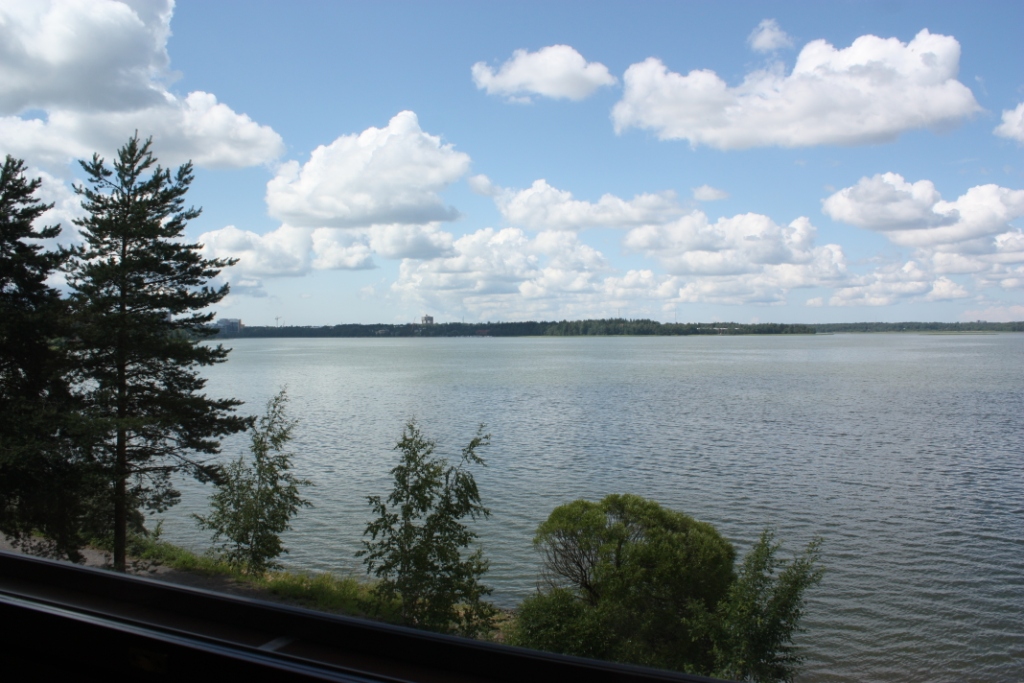
I will arise and go now, and go to Innisfree,
   And a small cabin build there, of clay and wattles made:
 Nine bean-rows will I have there, a hive for the honey-bee,
   And live alone in the bee-loud glade.

And I shall have some peace there, for peace comes dropping slow,
   Dropping from the veils of the morning to where the cricket sings;
 There midnight's all a glimmer, and noon a purple glow,
   And evening full of the linnet's wings.

I will arise and go now, for always night and day
   I hear lake water lapping with low sounds by the shore;
 While I stand on the roadway, or on the pavements grey,
   I hear it in the deep heart's core.
Turning and turning in the widening gyre
   The falcon cannot hear the falconer;
 Things fall apart; the centre cannot hold;
   Mere anarchy is loosed upon the world,
 The blood-dimmed tide is loosed, and everywhere
   The ceremony of innocence is drowned;
 The best lack all conviction, while the worst
   Are full of passionate intensity.

Surely some revelation is at hand;
   Surely the Second Coming is at hand.
 The Second Coming! Hardly are those words out
   When a vast image out of Spiritus Mundi
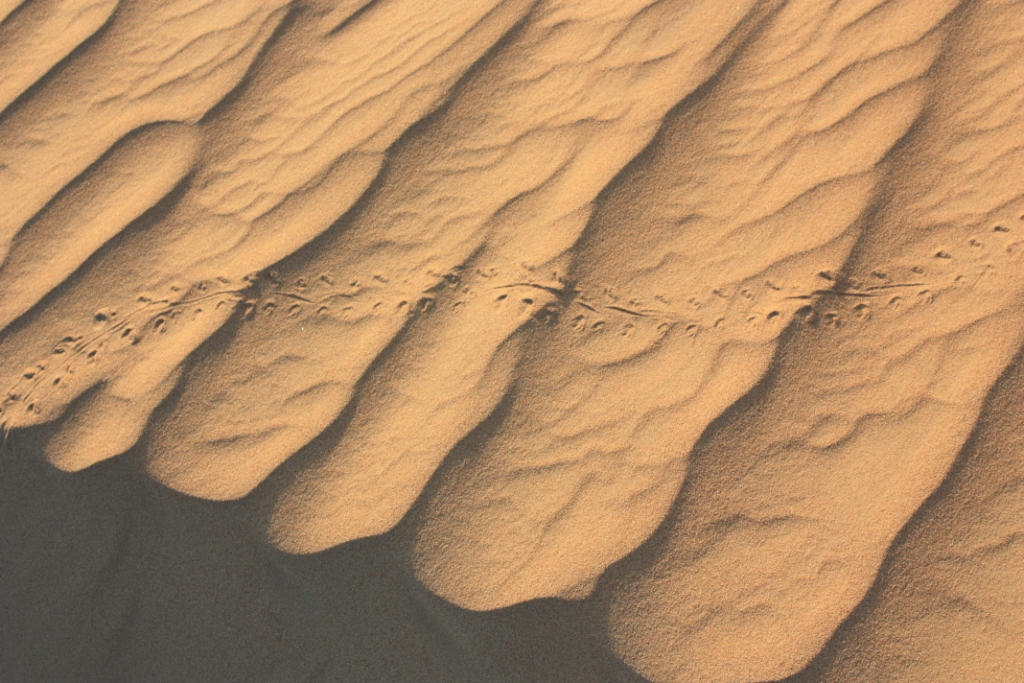
 Troubles my sight: somewhere in sands of the desert
   A shape with lion body and the head of a man,
 A gaze blank and pitiless as the sun,
   Is moving its slow thighs, while all about it
 Reel shadows of the indignant desert birds.
   The darkness drops again; but now I know
 That twenty centuries of stony sleep
   Were vexed to nightmare by a rocking cradle,
 And what rough beast, its hour come round at last,
   Slouches toward Bethlehem to be born?
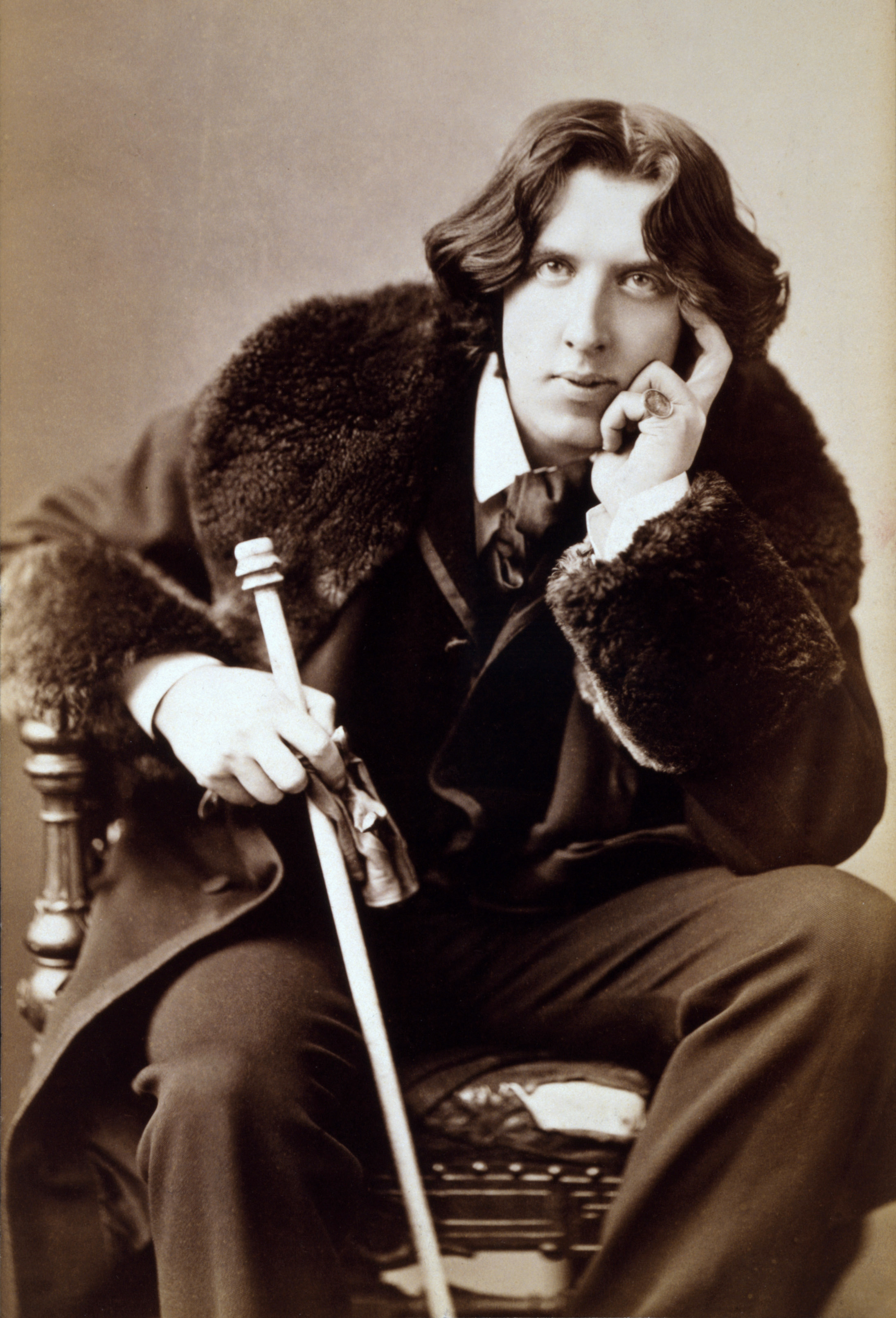
Nowadays people know the price of everything and the value of nothing.
All art is quite useless.
The books that the world calls immoral are books that show the world its own shame.
A great poet, a really great poet, is the most unpoetical of all creatures. But inferior poets are fascinating.
You will always be fond of me. I represent to you all the sins you never had the courage to commit.
It’s not something that I’ve thought of much. In my youth, I was attracted to most every culture but that of my own ancestry. In my late teens and early twenties, I visited Liverpool two or three times (just across the Irish Sea from my ancestral homeland,) but (sadly) never made it to Ireland. I’ve been to over 40 countries, but not yet my ancestral homeland. I think that’s not so uncommon to come around to an interest in such things later in life.
But the answer to the question is certainly to be found in the literature. Yeats is among my favorite twentieth century poets (if not my favorite,) and Seamus Heaney is certainly in the running. Of late, I’ve gotten on an Oscar Wilde kick, and his work definitely appeals to my ornery yet thoughtful nature. Even Joyce, who I had trouble getting into in his role as novelist, is a writer whose use of language I love.
 The Translations of Seamus Heaney by Seamus Heaney


 Tiger Riding for Beginners