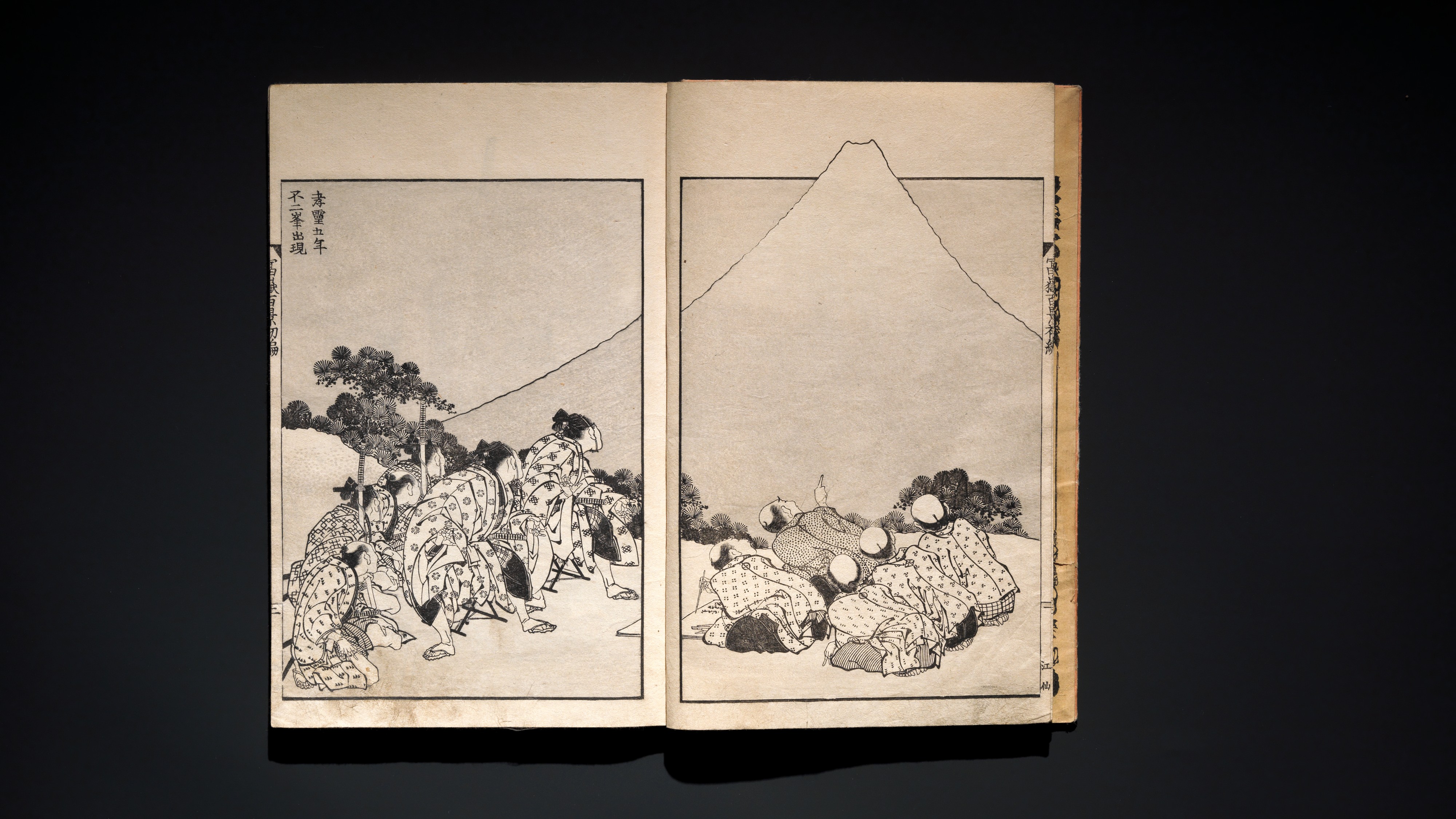
     Being thirsty,
I filled a cup with water,
 And, behold! -- Fuji-yama lay upon the water,
 Like a dropped leaf!

Being thirsty,
I filled a cup with water,
And, behold! -- Fuji-yama lay upon the water,
Like a dropped leaf!
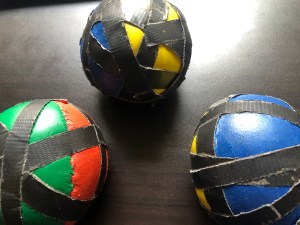
Throw the blue ball above the little twigs of the tree-tops,
 And cast the yellow ball straight at the buzzing stars.

All our life is a flinging of colored balls
                    to impossible distances.
And in the end what have we?
                    A tired arm -- a tip-tilted nose.

Ah! Well! Give me the purple one.
 Wouldn't it be a fine thing if I could make it stick
   On top of the Methodist steeple?
   Walking beside the tree-peonies,
 I saw a beetle
 Whose wings were of black lacquer spotted with milk.
 I would have caught it,
 But it ran from me swiftly
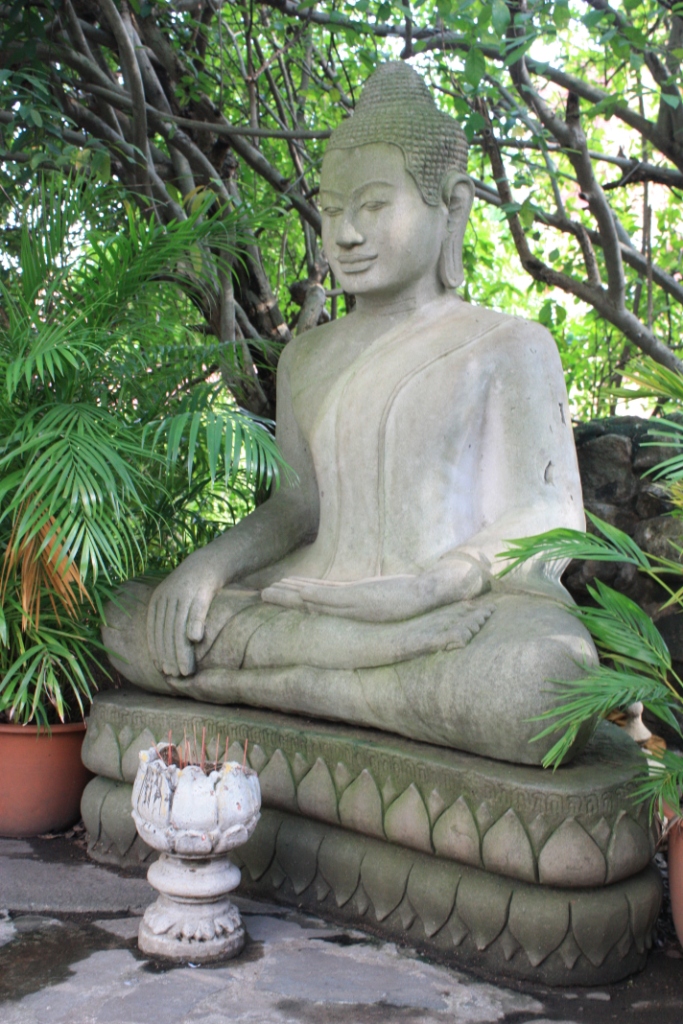
 And hid under the stone lotus
 Which supports the Statue of Buddha.
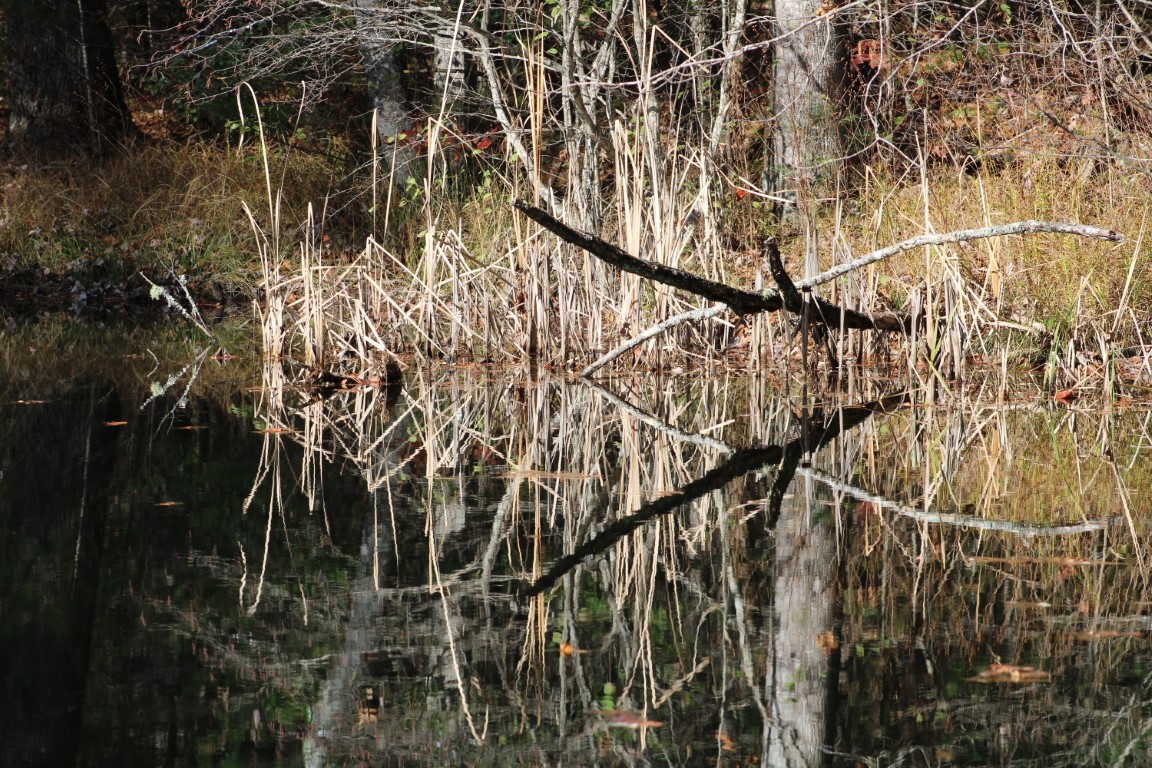
Cold, wet leaves
 Floating on moss-coloured water
 And the croaking of frogs --
 Cracked bell-notes in the twilight.
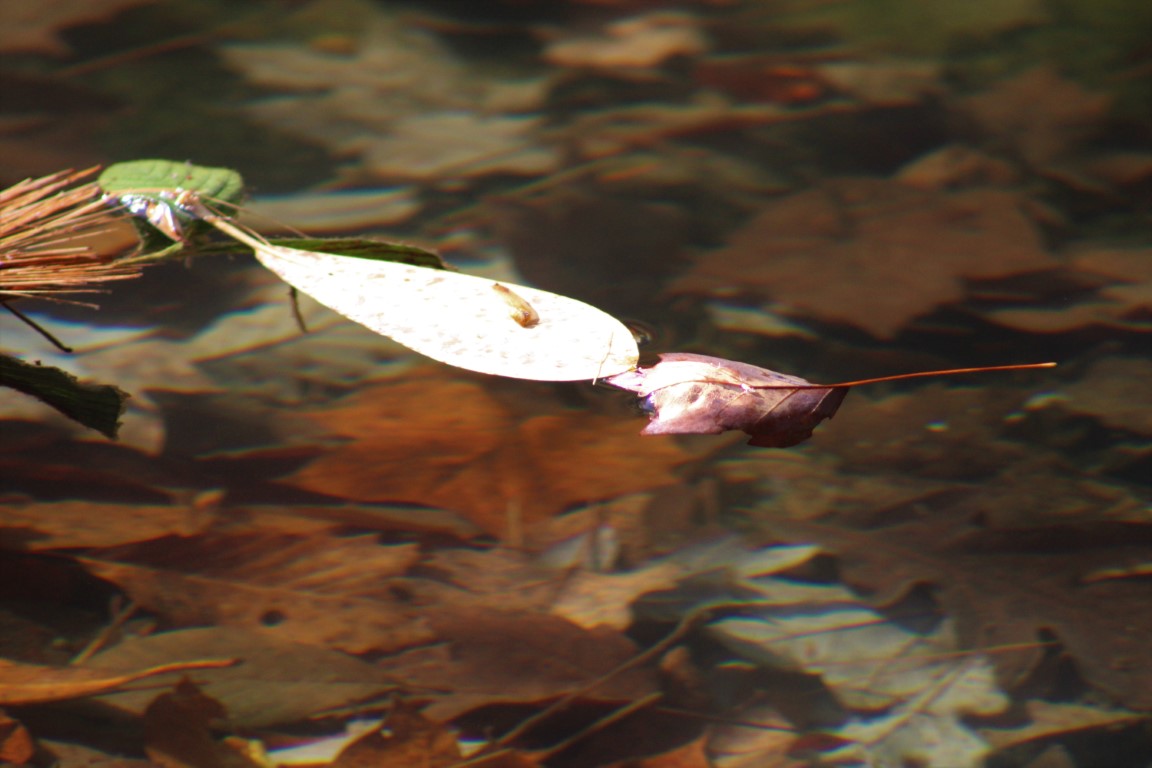

All day I have watched the purple vine leaves
   Fall into the water.
 And now in the moonlight they still fall,
 But each leaf is fringed with silver.
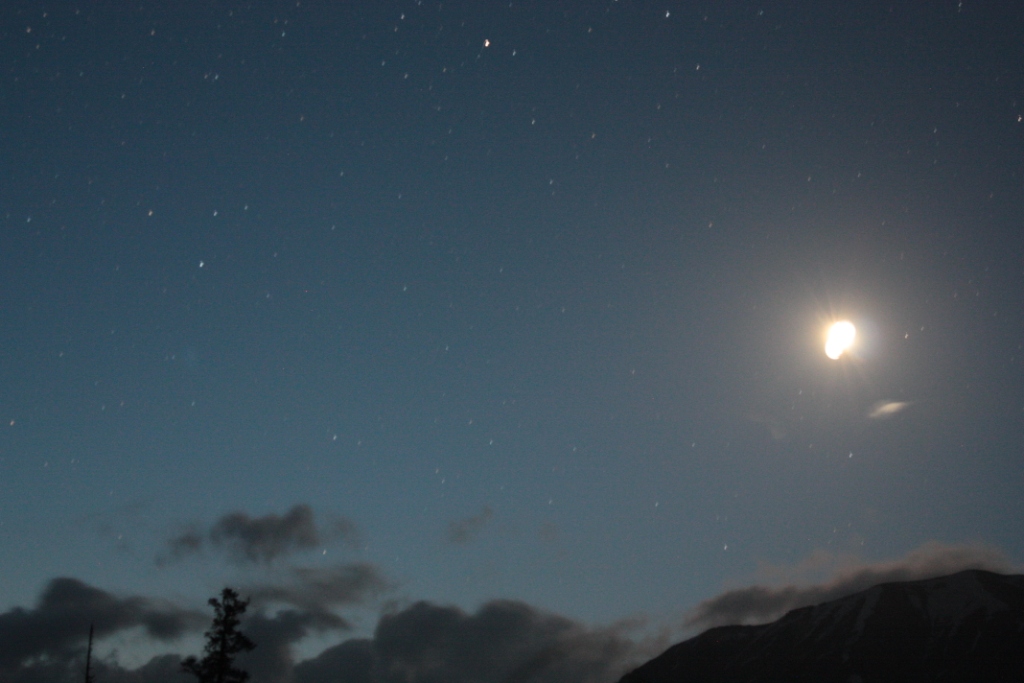
Sound of water cascading over rock.
   A silent mountain in the night.
 Bright moonlight washes over the pines.
   One thousand peaks, all in one color.
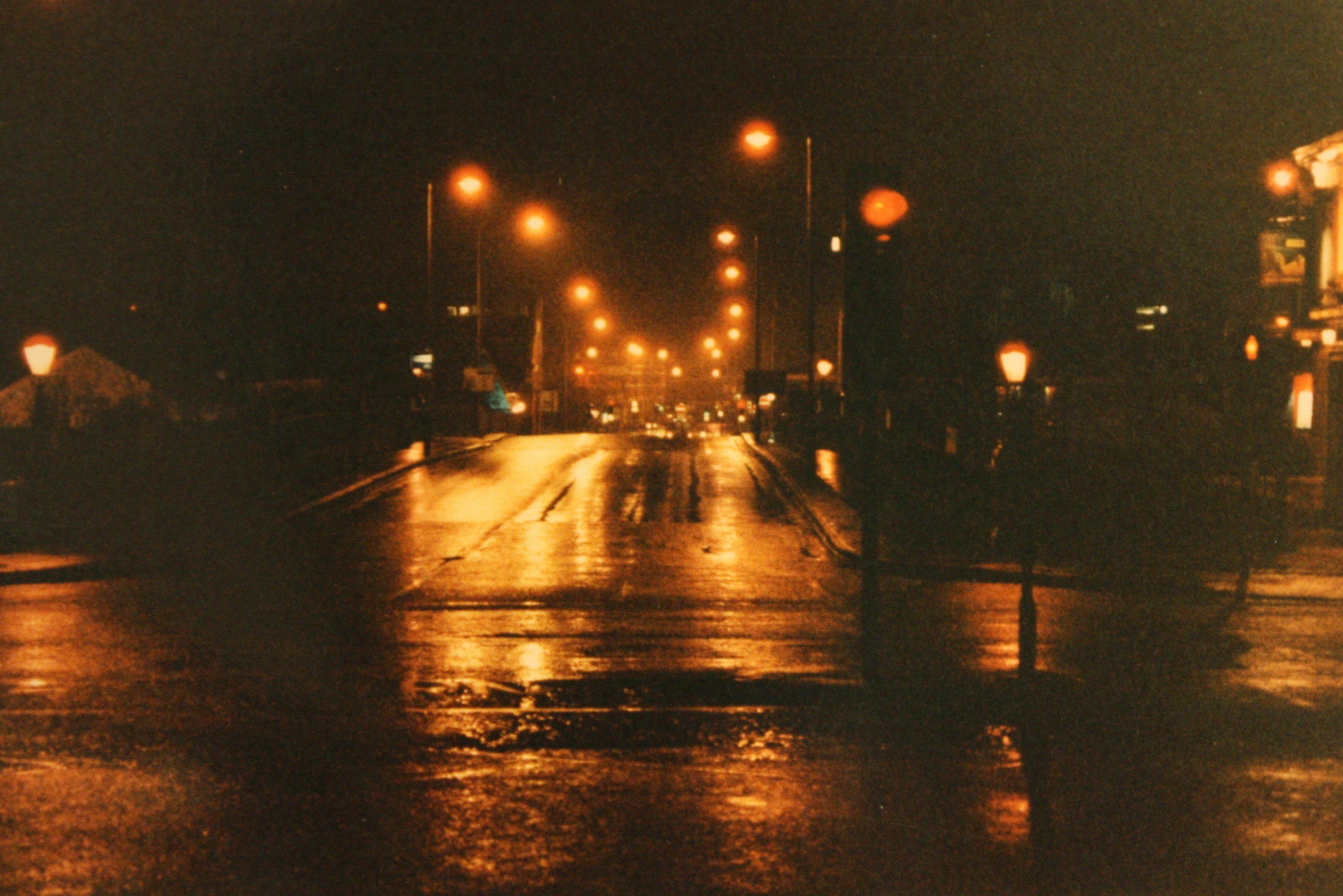
They have watered the street,
 It shines in the glare of lamps,
 Cold, white lamps,
 And lies
 Like a slow-moving river,
 Barred with silver and black.
 Cabs go down it,
 One,
 And then another.
 Between them I hear the shuffling of feet.
 Tramps doze on the window-ledges,
 Night-walkers pass along the sidewalks.
 The city is squalid and sinister,
 With the silver-barred street in the midst,
 Slow-moving,
 A river leading nowhere.

Opposite my window,
 The moon cuts,
 Clear and round,
 Through the plum-colored night.
 She cannot light the city;
 It is too bright.
 It has white lamps,
 And glitters coldly.

I stand in the window and watch the moon.
 She is thin and lustreless,
 But I love her.
 I know the moon,
 And this is an alien city.
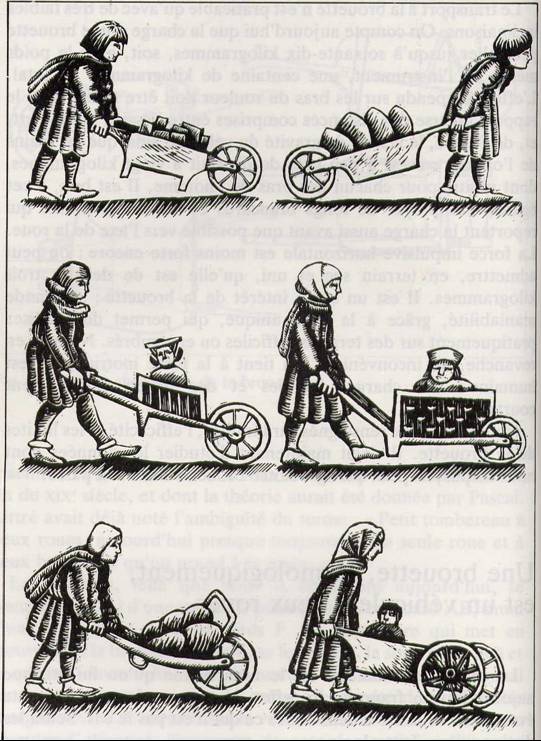
so much depends
 upon

a red wheel
 barrow

glazed with rain
 water

beside the white
 chickens
 In the Dark, Soft Earth by Frank Watson
My rating: 5 of 5 stars
Watson’s collection seizes one’s senses. Much of the poetry takes an imagist approach, using free verse poems with spare language to generate vivid, concrete images in the mind. That said, there are a number of poetic styles that appear throughout, including: haiku, tanka, sonnets (in Book X), and various lyrical variations. While natural imagery features prominently, there’s also surrealist, ethereal visuals in play as well.
The poems are arranged into ten sections, and while each book has an overarching theme there are themes that seem to cut across books. The titular notion of something buried is one of these. Another such concept is the journey.
The second section generates an expansive feeling of space as well as time. Book III intrigued me as it focused on organization, assembly, and the creation of something out of pieces and parts – which created a unique feel. Books IV and V shifted focus to hearing rather than seeing, though it largely did so by invoking the action of music creation and dance.
The book presents paintings from the fifteenth century through to the present-day throughout the book. Many of these artworks begin various sections of the collection and give one a flash of insight into the theme that will play out through that section. However, there are numerous poems that are presented as homages to paintings – notably, the whole of book VIII is poems based on tarot card imagery and subject matter.
While the majority of the paintings referenced have Western origins, one also sees Eastern influences at various points in the collection – both in the poems and in some of the paintings. Asian influences are most explicitly experienced in Book IX, which features several poems of Chinese or Japanese inspiration. The last section presents a few sonnets amid free verse poems.
I enjoyed this collection and would highly recommend it for poetry readers or those who love the visual arts, particularly those curious to see how a poet creates another dimension of experience in the realm of visceral sensation.


 Tiger Riding for Beginners