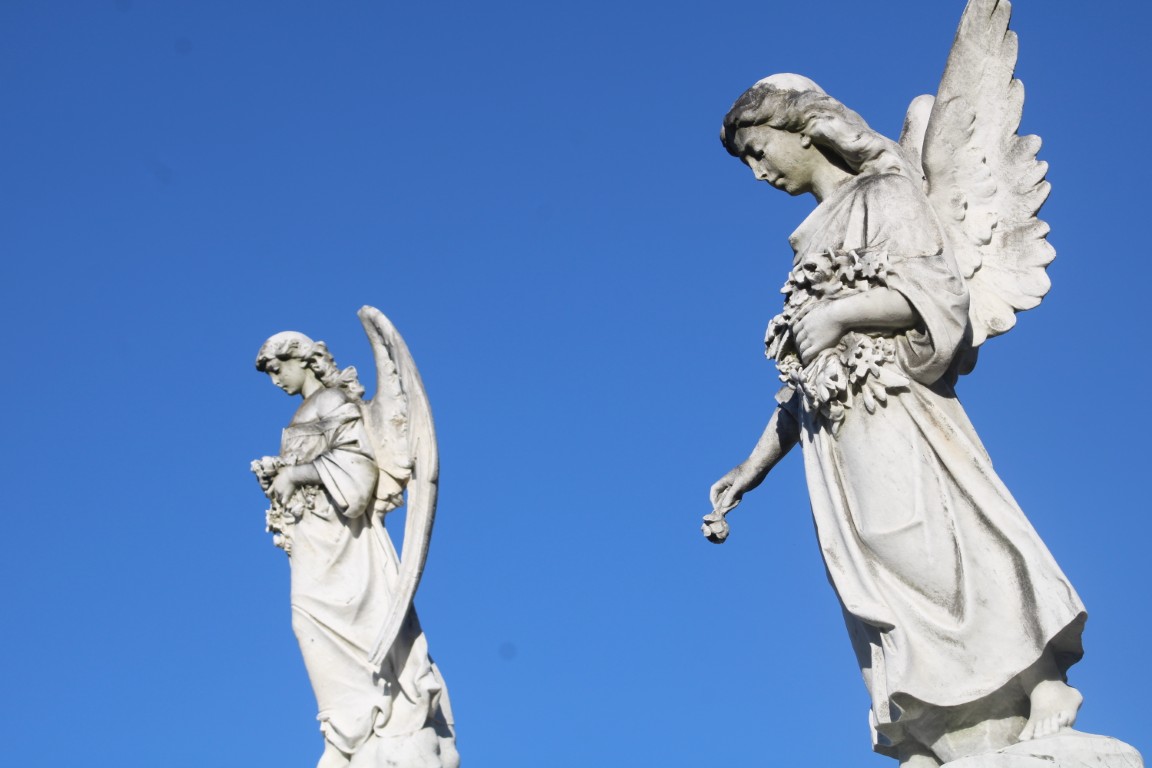
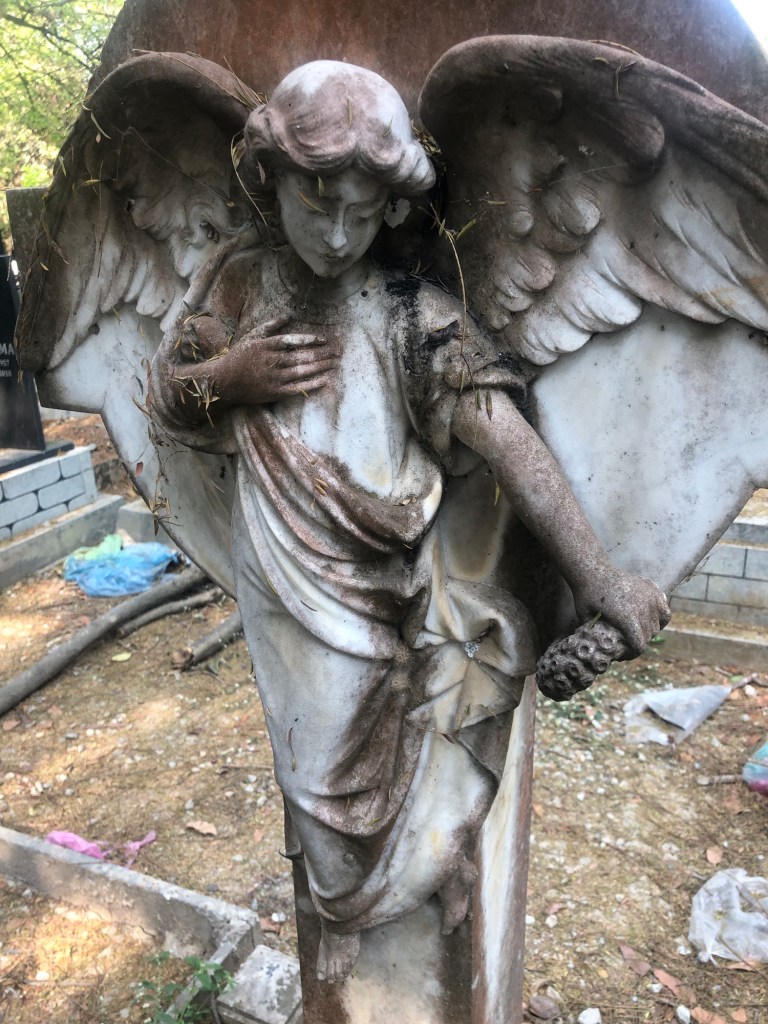
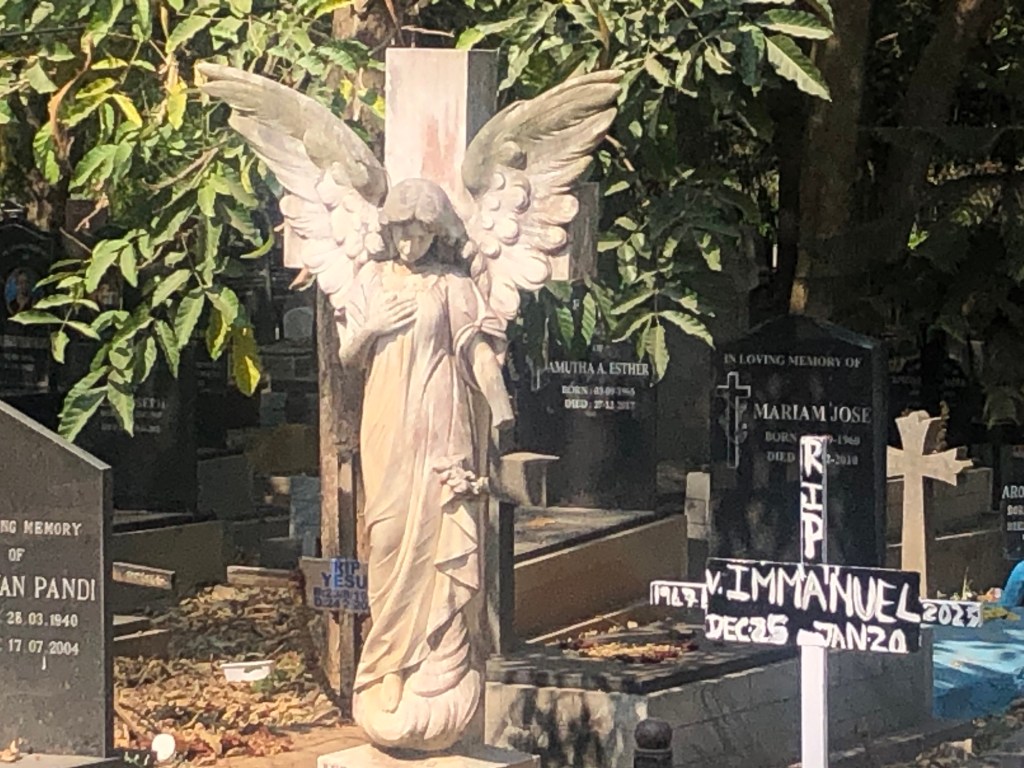
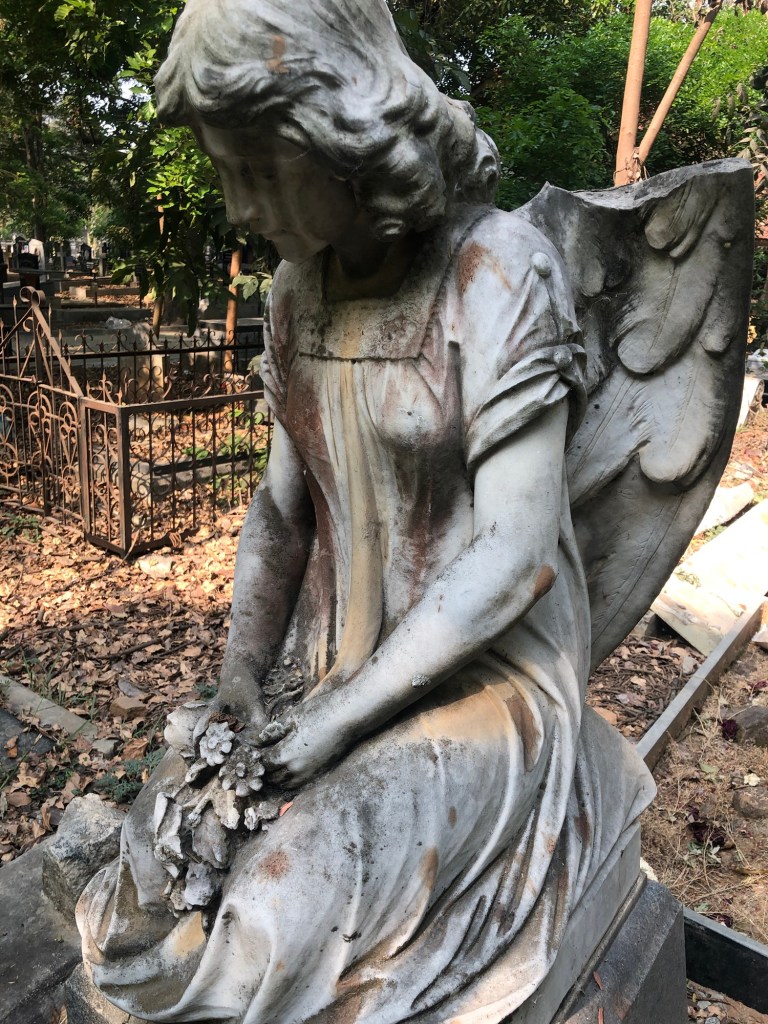
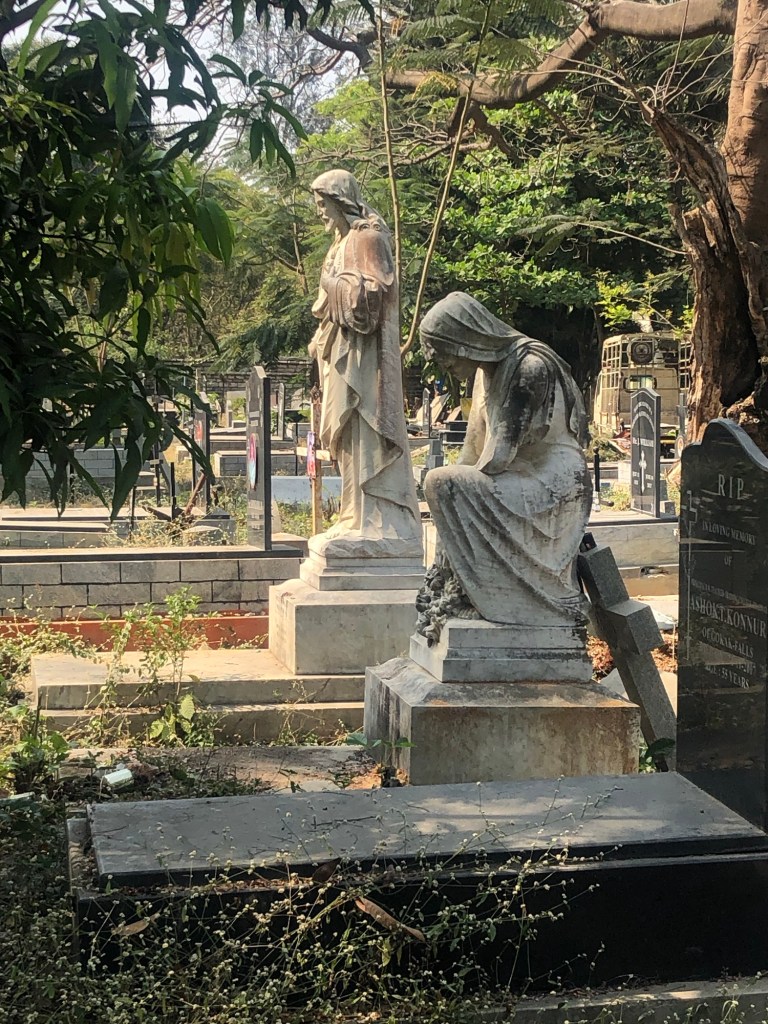
DAILY PHOTO: Angels
Image
Reply

I asked a thief to steal me a peach:
 He turn'd up his eyes.
 I ask'd a lithe lady to lie her down:
 Holy and meek she cries.

As soon as I went an angel came:
 He wink'd at the thief
 And smil'd at the dame,
 And without one word spoke
 Had a peach from the tree,
 And 'twixt earnest and joke
 Enjoy'd the Lady.
From our low seat beside the fire
 Where we have dozed and dreamed and watched the glow
 Or raked the ashes, stopping so
 We scarcely saw the sun or rain
 Above, or looked much higher
 Than this same quiet red or burned-out fire.
To-night we heard a call,
 A rattle on the window-pane,
 A voice on the sharp air,
 And felt a breath stirring our hair,
 A flame within us: Something swift and tall
 Swept in and out and that was all.
Was it a bright or dark angel? Who can know?
It left no mark upon the snow,
 But suddenly it snapped the chain
 Unbarred, flung wide the door
 Which will not shut again;
 And so we cannot sit here anymore.
We must arise and go:
 The world is cold without
 And dark and hedged about
 With mystery and enmity and doubt,
 But we must go
 Though yet we do not know
 Who called, or what marks we shall leave upon the snow.
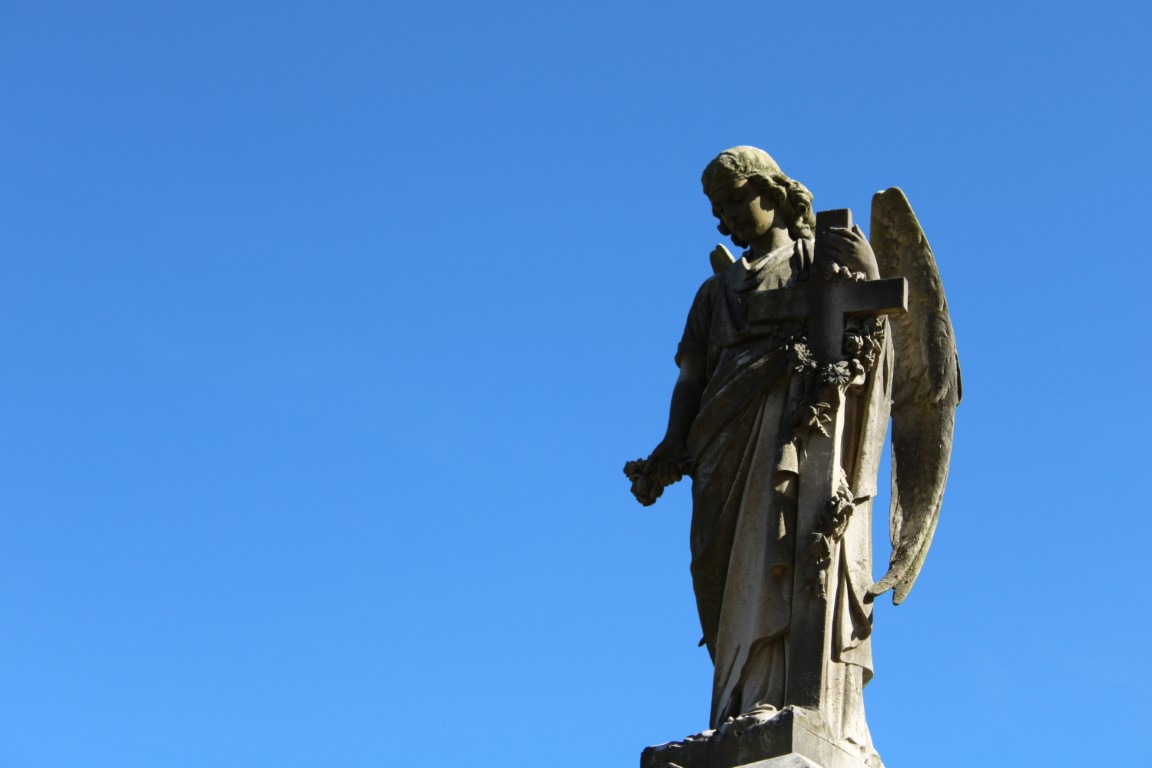
Blake had visions of angels
&
Ginsberg had visions of Blake

I'm sure some
angelheaded post-Hippie hipster
has had, or will have had,
 visions of Ginsberg,

But who are Blake's angels hallucinating?

Maybe the angels have no eyes
and have
visionless visions
of visionary poets?
 Angels: A Very Short Introduction by David Albert Jones



 Tiger Riding for Beginners