POEM: The First & The Lost

So long ago I remember 
events that weakened knees.
My mind a haze, my heartbeat hard
my soul eager to please.
When I was moved by subtle touch,
a gesture, or a tease.

But now that I'm an older soul
I've lost that state of mind,
but wish the world would grant me yet
one golden chance to find
the return to that state of life,
where love and luck are blind. 

DAILY PHOTO: Vattakottai Fort Beach

Taken in December of 2020 at Vattakotai Fort Beach, near Kanyakumari [to the South]
To the north

POEM: Agony’s Anchor

pain nails me to The Now

there is no pulling away

the only escape lies
in finding the drift,
riding the swells
until there is nothing
but those sacred undulations

DAILY PHOTO: Jui Tui Shrine, Phuket Town

Taken in December of 2014 in Phuket Town

POEM: The Impulse to Self-Destruct

energized by french fries 
Oedipal knife to the eyes
when all know the truth,
he still lies

takes without asking
burns while sun-basking
fidgets reveal  
attempted masking

always plays the ponies
rules with wicked cronies --
but, like him, 
they're all phonies

passes on a Big Mac
just to shoot some bad smack
opts to be skinny 
for his heart attack

BOOK REVIEW: Tokyo Junkie by Robert Whiting

Tokyo Junkie: 60 Years of Bright Lights and Back Alleys . . . and BaseballTokyo Junkie: 60 Years of Bright Lights and Back Alleys . . . and Baseball by Robert Whiting
My rating: 5 of 5 stars

Amazon.in Page

Tokyo is the river that runs through this book, which for large tracts reads like a memoir and at other turns reads like a broad overview of things Japanese. I’ve only been to Tokyo once, for about a two week stay, but it’s impossible to miss the almost alien level of distinctiveness of the city. It’s the largest city in the world, but in many ways feels like a small town. The subways shut down at midnight, creating an alter ego to the city, aptly depicted in Haruki Murakami novels.

Whiting’s Tokyo journey begins with his time posted there in the military, a time which happens to correspond with the city being readied for the 1964 Olympics, through the present day COVID Pandemic challenges (which happens to correspond with the 2020 Tokyo Summer games being delayed — and it remains to be seen whether these games will ever happen given the fact that the COVID virus is not taking our plans for vaccine-driven herd immunity sitting down.)

As Whiting’s book is part memoir, it gives particular scrutiny to the subjects of his earlier books, in as much as those topics touch upon life in Tokyo. One of these subjects, the more extensively discussed, is baseball and the very different way the game is played and reported upon in Japan. The other key subject is organized crime and the legendary Yakuza. Crime in Japan is a captivating topic because it is both invisible and infamously brutal. I enjoyed the view through these niche lenses because (particularly) the latter is not so conspicuous, but is riveting stuff. [When I was in Japan, I was taken to a bathhouse (not considered strange in Japan as it sounds to an American.) Before we went, I was told that if I had big tattoos, I couldn’t go; and, if I had a small tattoo, I’d need to use a washcloth to keep it covered the whole time. This is apparently because reputable establishments don’t want the taint of Yakuza on their premises. So, this is how much they keep things on the down-low.]

Whiting led various lives in Tokyo, he was an airman, a student, a salaryman, an unofficial advisor to a Yakuza gang, a journalist, and a nonfiction writer. These allowed him to see the changing city from a number of varied perspectives, offering much deeper insight than the run-of-the-mill expat.

In addition to the modern history of Tokyo, Japanese baseball, Yakuza, and Whiting’s various lives in the city, the book makes a lot of fascinating dives into a range of Tokyo topics, such as: sumo wrestling, the aftermath of the Fukushima disaster, the city’s distant history, salaryman drinking habits, the demographic crisis (i.e. its aging population has been approaching the point of too many retirees per working taxpayer,) etc. The book offers a no-holds-barred look at the good, the bad, and the ugly underside of the city. It at once praises the city’s politeness, cleanliness, and smooth-running order and rebukes its dark side – dirty politics, toxic workplaces, xenophobia, etc.

I enjoyed this book tremendously. It offered great insight into Tokyo, Japanese culture, as well as many niche areas that I probably would never taken the time to investigate, otherwise. If you are interested in learning about Tokyo, particularly modern Tokyo, this is an excellent read.

View all my reviews

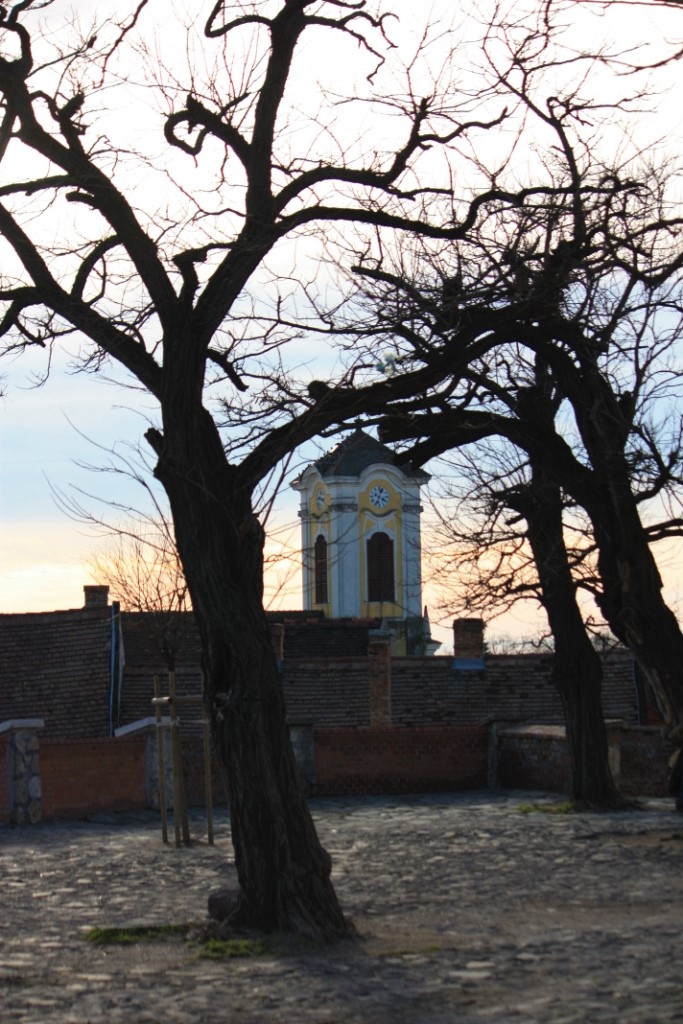
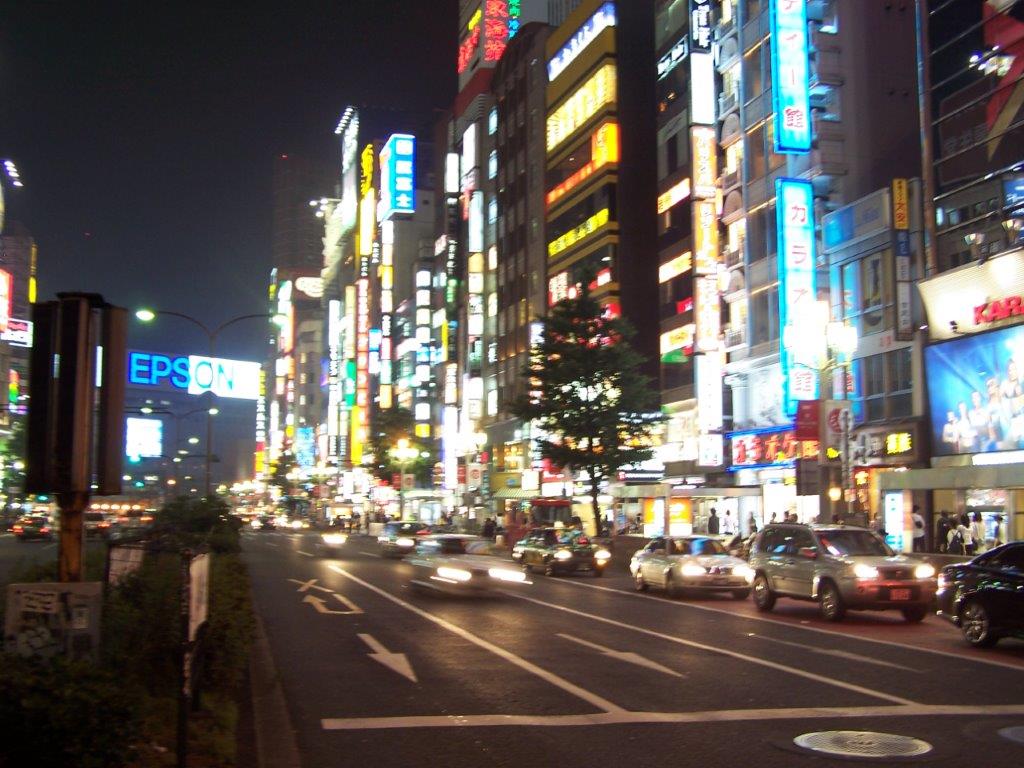
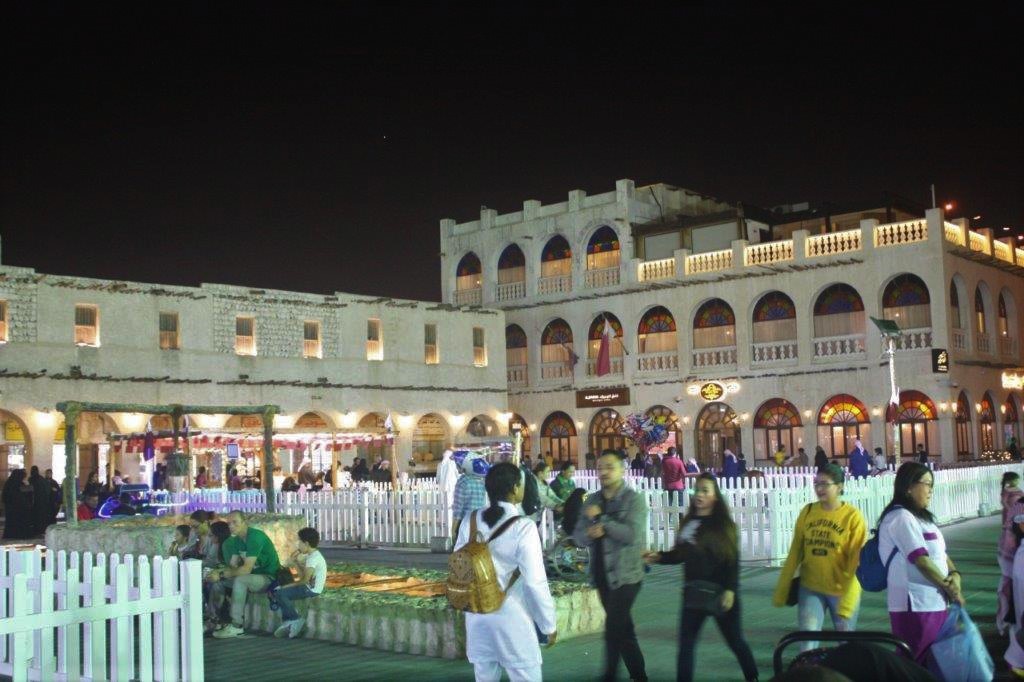
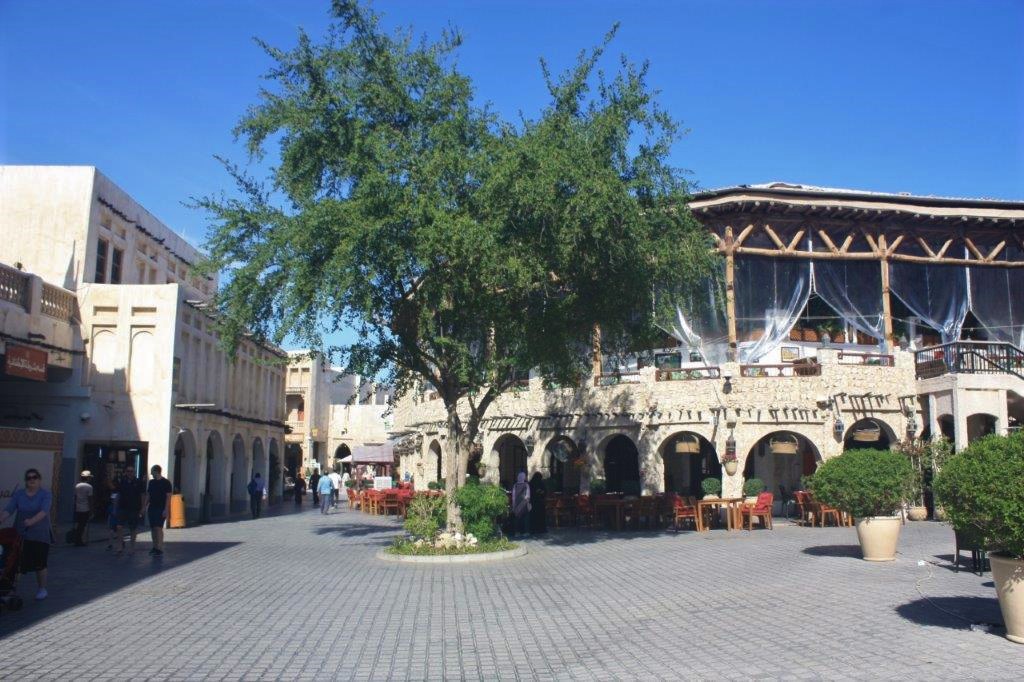
DAILY PHOTO: Three Szentendre Street Scenes

Taken in Szentendre, Hungary in the Summer of 2011

BOOK REVIEW: Drawing is for Everyone by Kateri Ewing

Drawing Is for Everyone: Simple Lessons to Make Your Creative Practice a Daily Habit - Explore Infinite Creative Possibilities in Graphite, Colored Pencil, and InkDrawing Is for Everyone: Simple Lessons to Make Your Creative Practice a Daily Habit – Explore Infinite Creative Possibilities in Graphite, Colored Pencil, and Ink by Kateri Ewing
My rating: 5 of 5 stars

Amazon.in Page

Out: July 20, 2021

True to its title, this book presents an excellent set of lessons for rank amateurs to develop drawing techniques in a way that helps keep their inner critic from being their undoing. It does this by using mostly abstract and still life subjects as a means to convey the technique, such that the early lessons in each section aren’t expected to look like anything recognizable, and there is not the disappointment of off-kilter drawings. [There are some little birdy drawings in the higher numbered lessons, but nothing particularly complicated.]

The book consists 21 lessons evenly divided between three parts: graphite pencil, colored pencil, and ink. Each lesson gives some background information, presents the list of needed supplies, provides step-by-step textual instructions matched with a series of drawings to graphically demonstrate said step, and a section with creative options that show what some of the author’s students produced with the same exercise. This is also a nice feature for those with an intense inner critic, a tendency to compulsively copycat, and / or a conviction that they aren’t capable of drawing. It does this by presenting numerous different ways a project could turn out – all attractive but all very different.

Besides the lessons, there’s a brief introduction to set up the project. And, in addition to the aforementioned drawings, there are numerous graphics, such as photographs of still life subjects and supplies.

I thought this book was smartly arranged and organized. It’s a small book, but presents the dabbler with all they need to start building their skills, plus it’s beautifully presented. If you’re a neophyte looking to get into drawing but worried that you have not talent for it, this is an excellent place to start.

View all my reviews

BOOK REVIEW: Poetics by Aristotle

Poetics. EnglishPoetics. English by Aristotle
My rating: 5 of 5 stars

Amazon.in Page “Poetics” is the surviving volume of Aristotle’s guide to literary criticism. This volume explores Tragedy. [The lost volume covered Comedy.] Considering the age of this book and that it came from the student of one who was not a fan of poetics at all (i.e. Plato,) it is surprisingly readable and much of the information presented has aged well. [That said, there are some ideas that will be controversial – including, for instance, a blatantly sexist comment or two. Also, it should be pointed out that there is disagreement about what Aristotle was trying to say on a number of points.]

This short book is organized to dissect tragedy along many lines, laying out the four kinds of tragedy (complex, pathetic, ethical, and simple,) the segments of a tragedy (prologue, episode, exode, choric song, parode, and stasimon,) etc. But the work is probably most famous for two ideas. First, there is the idea that stories provide catharsis. For his teacher, Plato, the stories conveyed via poetry were all risk and no reward. That is, there was a risk that young and impressionable minds would take away the wrong lessons, and there wasn’t much to counterbalance that risk. Aristotle believed there was in fact something, and it was catharsis, the purging of emotions through vicarious living.

Second, there is the idea that there are six crucial elements of a tragedy (i.e. plot, character, diction, thought, spectacle, and song,) and that they are of importance in more or less that order. A good bit of the work is devoted to breaking down these elements. For example, with respect to plot, Aristotle writes at length about reversals and recognition (the moment a character discovers some key piece of information,) telling us a little about how these actions best work. With respect to character, Aristotle tells about the kind of character that generates the best story, and it’s the same advice one sees in writing books today that talk about flawed but good characters. Perfect characters are boring and bad characters get what they have coming in a tragedy.

I was surprised how relevant this book remains, considering that it’s perhaps the first extant book of literary theory. It’s definitely worth a read. At less than fifty pages (not including the ancillary material you’ll find with many editions) it’s a quick read, and while it’s a bit dry at times, it’s not brutal by any means. So, given its historic importance, give it a read.


View all my reviews