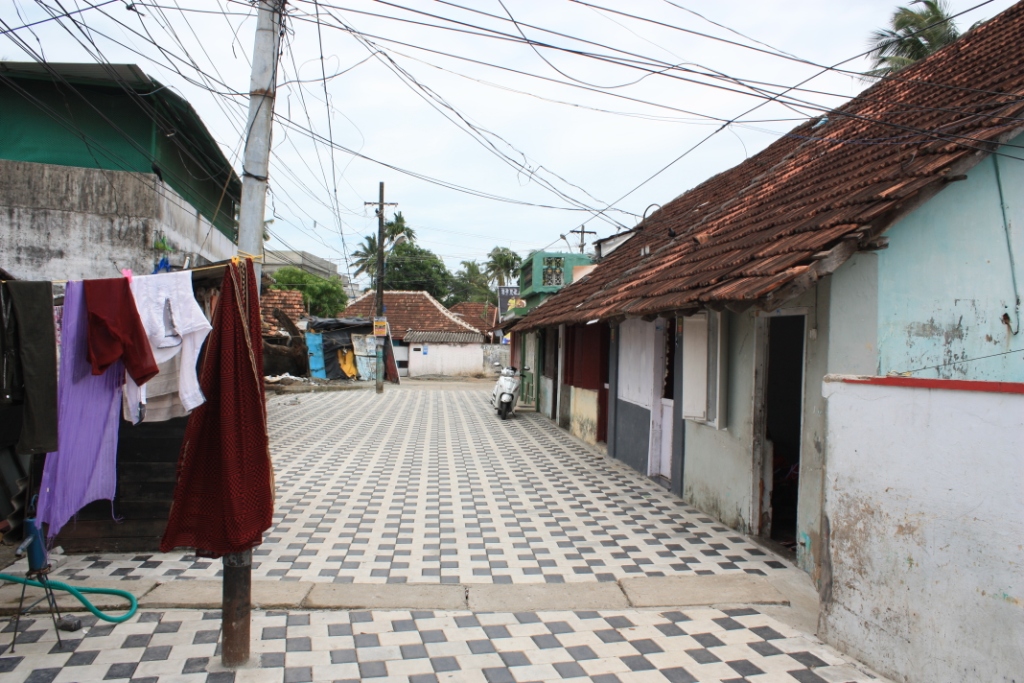
DAILY PHOTO: St. Aloysius Church, Mangalore

Taken in Mangalore in July of 2021

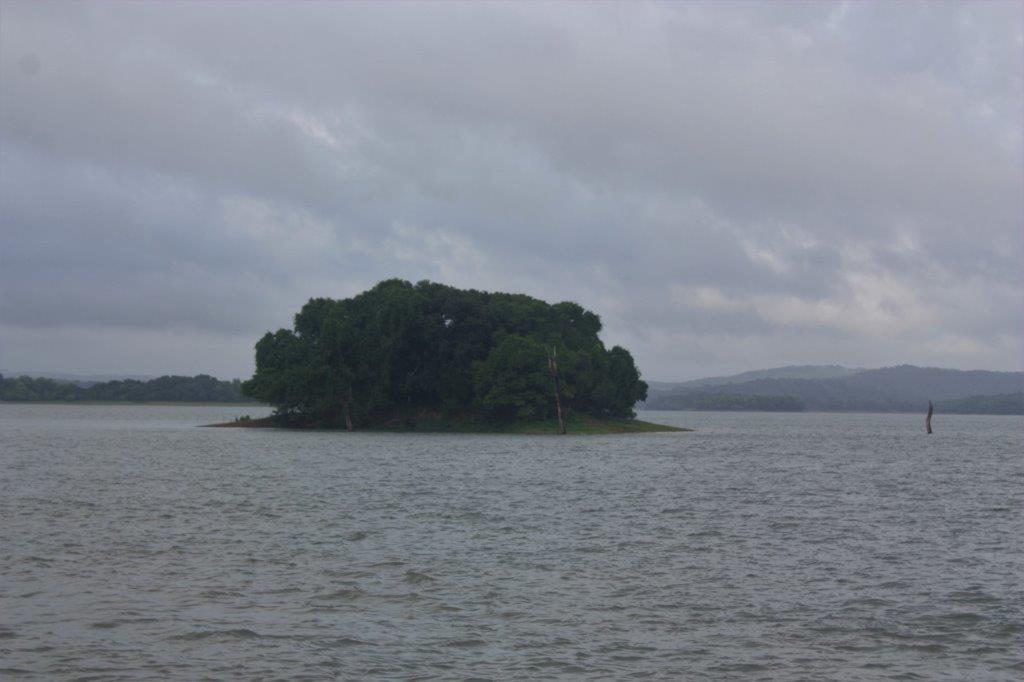
DAILY PHOTO: Mayo Hall, Bangalore

Taken in Bangalore in July of 2021

BOOK REVIEW: (Mis)Diagnosed by Jonathan Foiles

(Mis)Diagnosed: How Bias Distorts Our Perception of Mental Health(Mis)Diagnosed: How Bias Distorts Our Perception of Mental Health by Jonathan Foiles
My rating: 4 of 5 stars

Amazon.in Page

Out: September 7, 2021

I’m fascinated by the challenges of mental health diagnostics. From the Rosenhan experiments (mentally well researchers checked into psychiatric hospitals) to the perpetual disappointment with new editions of the Diagnostic and Statistical Manual of Mental Disorders (DSM,) a lot has been written about the difficulties of diagnosing disorders that largely express themselves through subjective experiences. Foiles’ book looks at how this challenge (combined race, gender, and gender identity biases) leads to differential diagnoses between various demographic groups.

The book serves as a call to action to be more aware of biases, and how they play into diagnoses. Though, in some cases it does a better job of that than in others. The six chapters present six faces of the problem: race and psychosis, race and ADHD [Attention Deficit Hyperactivity Disorder,] sex and Borderline Personality Disorder, and changing (though skewed) views of gender dysphoria, trauma, and intelligence.

Overall, I felt I learned something from the book, but sometimes it wasn’t as strong in supporting assertions and objectively presenting evidence as other times. For example, Chapter three examines how borderline personality disorder was (at least until recently) overwhelming seen as a female disorder. It went on to say that now it’s believed to have the same incidence in males, but that men present with different symptoms. To a neophyte, this sounds a lot like: “The Smiths eat meatloaf 50% of the time for dinner on Wednesday. Until recently, it was thought that the Joneses only ate meatloaf 10% of Wednesdays, but then it was discovered they also had meatloaf 50% of the time – but the Joneses meatloaf was made of ingredients such that it usually looked like chicken pot pie.] What?

For the most part, I found this book intriguing and informative, and would recommend it for those interested in the issue.

View all my reviews

DAILY PHOTO: Giraffing to the Max

Taken at the Giraffe Centre in Lang’ata, Kenya in May of 2018

BOOK REVIEW: Hansel and Greta by Jeanette Winterson

Hansel and Greta: A Fairy Tale RevolutionHansel and Greta: A Fairy Tale Revolution by Jeanette Winterson
My rating: 3 of 5 stars

Amazon.in Page

This story takes a green twist on the similarly named Brothers Grimm fairy tale. Being such a beloved classic, it seems like it would be hard to mess up an environmentally friendly re-telling, and yet it succeeds [in messing it up.] It’s true to its subtitle, “A Fairy Tale Revolution,” being – in part – fairy tale and – in part – the kind of vitriolic villainization of out-group members that one sees in the diatribes of political revolutionaries.

In one of the only non-rant departures from the original story, the witch is made a good character. This might be viewed as a progressive and charitable turn of the story were it not for the fact that the author just – unconsciously or consciously – shifts villainization over to another group: fat people. In the story, fat characters not only consume more food, they are in every way materialistic, gluttonous, and environmentally hateful — as opposed to the skinny in-group who aren’t at all part of the problem. This us-them tribalization is particularly unproductive in dealing with environmental problems because we are all part of the problem, and we all need to be engaged.

I don’t know whether Winterson got caught up in her own ideological anger, or whether she thought young readers need to have the issue oversimplified and the villains made over-the-top. It seems to me like reading Silverstein’s “The Giving Tree” results in kids wanting to plant trees and be more aware of how they use natural resources. Reading this book is more likely to make the child want to slap food out of a fat kid’s hands and shame him for his gluttony.

I can’t really recommend this book for kids. It’s more for parents who want their kids to know how to virtue signal than to be thoughtful about using resources.

View all my reviews

BOOK REVIEW: Book of Haikus

Book of HaikusBook of Haikus by Jack Kerouac
My rating: 5 of 5 stars

Amazon.in Page

For a guy who didn’t realize “haiku” was singulare tantum (like “deer,” having only a singular form,) Kerouac crafted poignant and evocative haiku. This Beat writer, best known for his semi-autobiographical novels (e.g. On the Road and The Dharma Bums) sought to create a sub-form that he called “American Haiku.” Like many English language haiku poets, Kerouac abandoned the 5-7-5 syllable format, but where others traded in the rule for a more English-friendly one (e.g. 2-3-2 stressed beats,) his American haiku used three simple lines and no strict counts. [Note: The relatively long syllables of English can cause the stark, sparse feel of Japanese language haiku to be lost.]

Lest one think this Beat poet jettisoned all the rules, he’s truer to the rules of content than to those of form. He uses season words widely in evoking a state of mind. Also, he sticks to pure observation to a surprising degree. [Traditionally, haiku merely suggested imagery, letting readers reach cognitive and emotional insights on their own.] There are some poems that are actually senryū [a poetic style that is the same as haiku in form, but which deals in humor and human foibles,] but not as many as I expected. Kerouac deals much less in political rage and shocking content than his Beat contemporary, Allen Ginsberg.

To give a taste of his haiku, here are a couple fine examples:

One flower
on the cliffside
Nodding at the canyon


Birds singing
in the dark
In the rainy dawn


I delighted in this collection. It reflects Kerouac’s Buddhist insights, plays off the work of Japanese haiku masters, and blends classic haiku with rare touches of uniquely American irreverence. I’d highly recommend it for poetry readers.


View all my reviews

Grazing Horse Tanka

grazing horses
approach a cliff:
not watching
where they are going,
but knowing where they are

DAILY PHOTO: Beijing Bell Tower

Taken in the Summer of 2008 in Beijing

Dragon Spine [Tanka]

riding the ridge,
the dragon-spine wall
stretches beyond sight --
some say it ends there;
some say it never ends