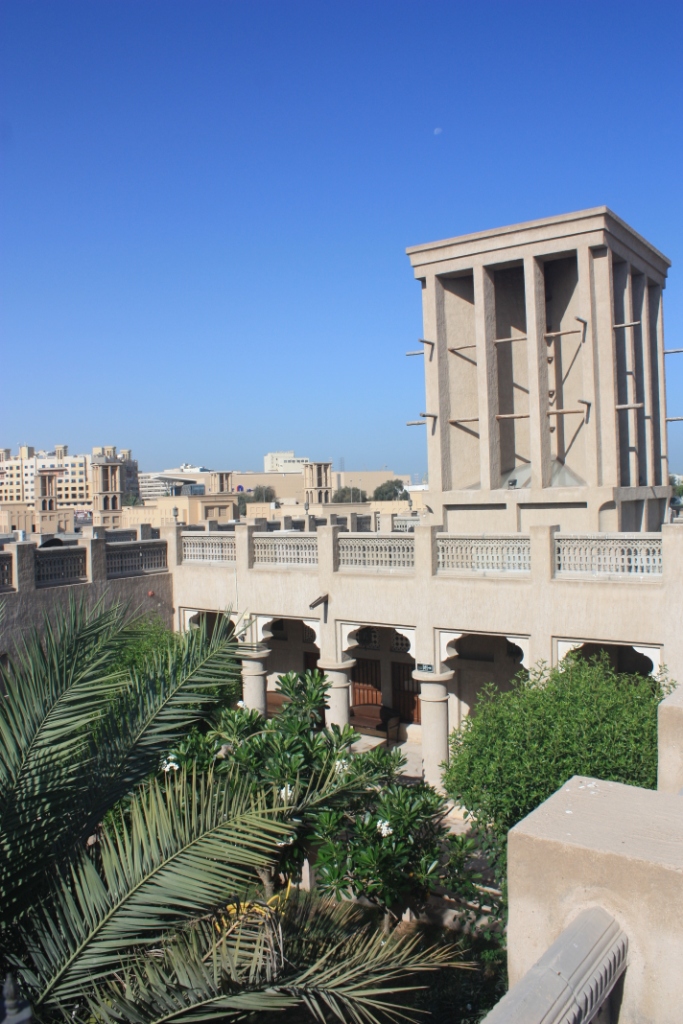
DAILY PHOTO: A Heritage House in Dubai

Taken in May of 2017 in Dubai

BOOK REVIEW: The Stories Behind the Poses by Raj Balkaran

The Stories Behind the Poses: The Indian mythology that inspired 50 yoga posturesThe Stories Behind the Poses: The Indian mythology that inspired 50 yoga postures by Raj Balkaran
My rating: 4 of 5 stars

Amazon.in Page

Released: July 26, 2022

Yoga practitioners will be aware that — while some posture names are banal, straightforward descriptions (e.g. Utthita Hasta Padangusthasana, or “standing hand-to-big toe pose –”) many others invoke animals, sages, or deities for historical, mythological, or symbolic reasons. As this book’s title suggests, it presents the mythological backstories for fifty yoga postures. The vast majority of these fifty poses are common ones that will be readily familiar to most Hatha Yoga practitioners, though a few are advanced or obscure and aren’t likely to come up in your run-of-the-mill studio class. (And a couple may be familiar to some individuals by another name.)

The book is cleanly organized with five sections (Shiva poses, Vishnu poses, Devi / goddess poses, God story poses, and sage poses) each containing writeups for ten poses. Each pose is presented via colorful artwork in the Indian style (typically with the deity or sage in question performing the posture.)

I found the entries to be well-written and clear (Hindu Mythology can be extremely complicated and some authors get lost in the weeds by including too much minutiae or unnecessary details, but that wasn’t the case here.) The full-page artistic renderings of the poses are also clear and tidy, such that anyone familiar with the pose should readily recognize it.

The one thing I think could have been done better (though probably not without messing up the aforementioned clean organizational scheme) would be to cut some of the redundancy in the stories. In a few instances, the same story appeared in multiple chapters. To the author’s credit, these weren’t just copy / pasted, they were written uniquely, sometimes with additional information or a different focus. Still, it was a bit distracting to find myself in the middle of the same story and wondering whether I’d zoned out or lost my place. This might have been dealt with by putting multiple poses with one story and not repeating the tale one or more times. For example, the stories about Vasisthasana and Visvametrasana are inherently coupled, and the poses might be as well. (Perhaps even referencing the fact that the story had already been told might have been helpful and less distracting.)

All-in-all, I thought this book did a fine job of presenting the myths and relating them to the postures. I learned a great deal from reading the book and would recommend it for yoga practitioners and those interested in Hindu Mythology.


View all my reviews

“Anguish” [Haiku]

“Anguish” by August Friedrich Albrecht Schenck (1878)
mother bleats a cloud,
standing over its dead lamb --
ringed by a murder 

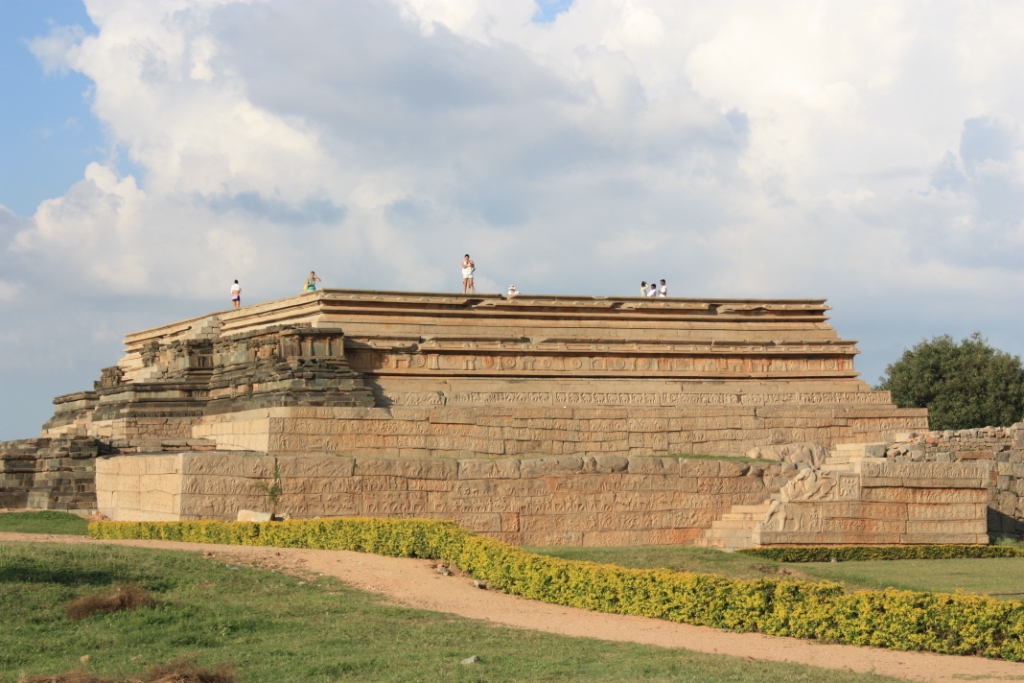
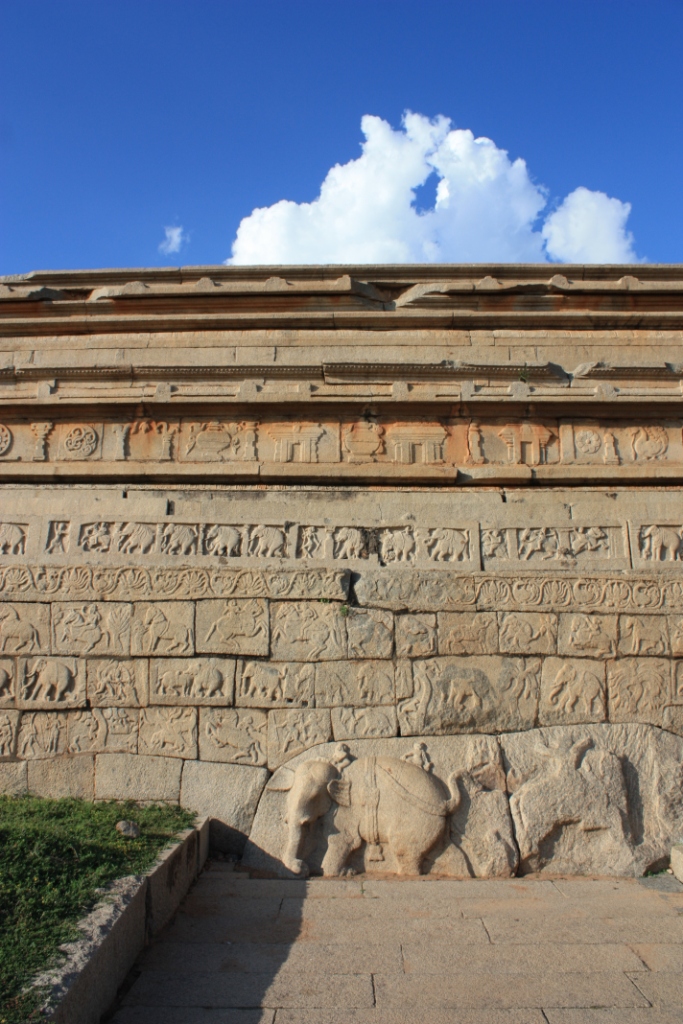
DAILY PHOTO: Mahanavami Platform, Hampi

Taken in November of 2013 at Hampi

BOOK REVIEW: The Art of Darkness by S. Elizabeth

The Art of Darkness: A Treasury of the Morbid, Melancholic and MacabreThe Art of Darkness: A Treasury of the Morbid, Melancholic and Macabre by S. Elizabeth
My rating: 5 of 5 stars

Amazon.in Page

Release: September 6, 2022

As the title suggests, this book collects a diverse group of artworks that share the common theme of the macabre. While most of these works are paintings, a few photos and sculptures are included. It’s also predominantly Western (European and North American) art, but some exceptions exist, notably several Japanese works are included. Where the collection really shows its breadth is in the styles of art and eras included. The works range from more than half-a-millennium old to some produced within the last couple years, with the expected variations in styles and media, given the centuries covered. The collection is also varied with respect to the popularity of the pieces and artists. You’ll likely see some familiar works (e.g. Fuseli’s “The Nightmare,” Bosch’s “The Garden of Earthly Delights,” and Dalí’s “The Face of War.”) However, most of the works were new to me. (Granted, I’m a visual arts neophyte.)

The pieces are arranged into four topical divisions, each containing three chapters. The subjects include realist content such as: bodily ailments, crime, dark takes on nature, and architectural ruins. However, much of the book delves into surreal and supernatural subject matter, including: nightmares, hallucinations, gods, monsters, ghosts, and magic.

The book lets the art do the heavy lifting, but it does have brief chapter introductions and captions for each piece that includes not only the title, artist, and (if known) the year the art was released, but also some interesting tidbits about artwork and / or artist. These write ups are concise, intriguing, and well-written, and offer some fascinating insights. The book also presents numerous quotes from poets, artists, and other intellectuals.

I learned a great deal from reading this book and discovered some new favorite artworks, art that is beautiful or grotesque but often a combination of both — but always evocative. If you’re interested in how artists depict the darkness in the lives and souls of humanity, you should definitely give this book a looksie.


View all my reviews

DAILY PHOTO: Snake Boat on the Backwaters, Kerala

Taken in July of 2017 on the Backwaters of Kerala

Mystic Limerick

A mystic sought to be one with all things,
but couldn't make it, allowing no strings,
"I'm a little bit torn:
one with rose equals thorn,
and one with bees invites many a sting."