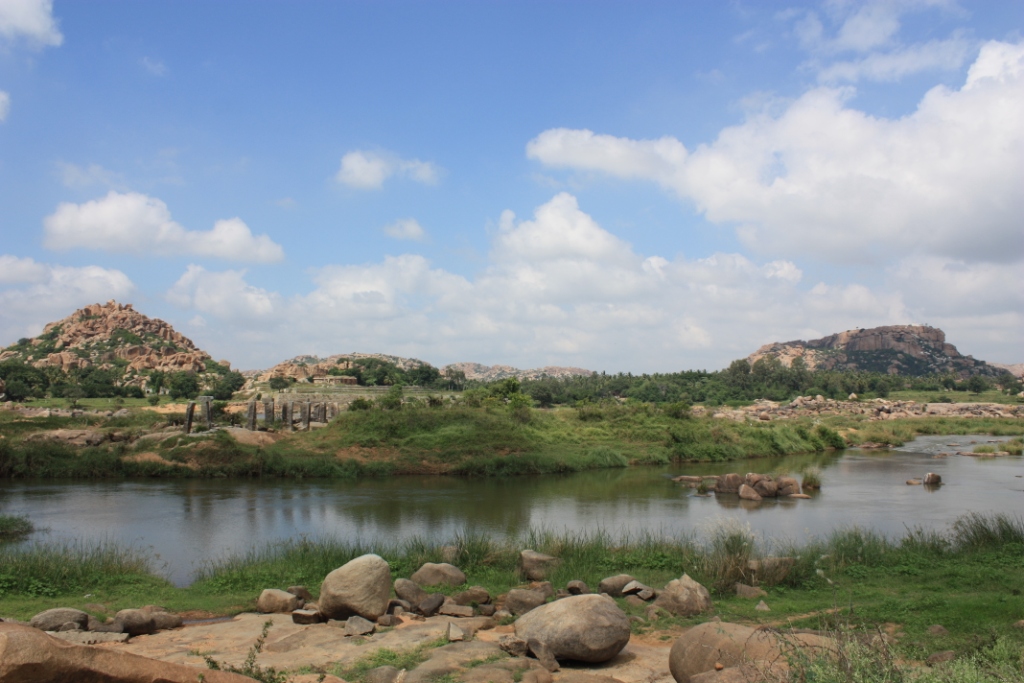

Lonely Forest [Haiku]

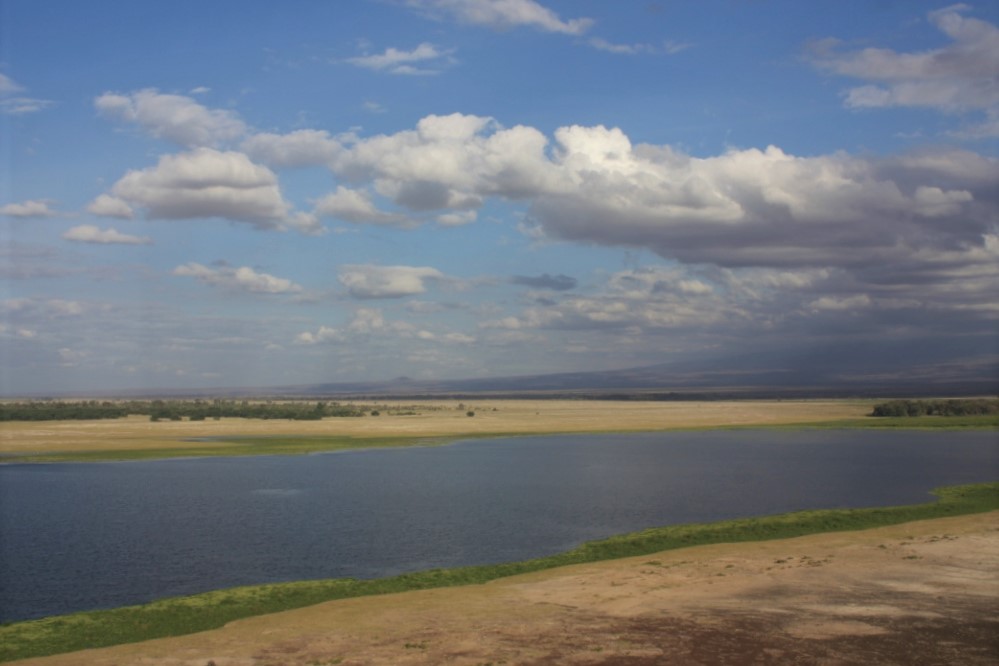
despite all the trees
in this densely packed forest,
it feels lonely.

BOOK REVIEW: Crabwalk by Günter Grass

CrabwalkCrabwalk by Günter Grass
My rating: 5 of 5 stars

Amazon.in Page

This story is narrated by its lead character, Paul Pokriefke, a journalist who was on the ill-fated ship, the Wilhelm Gustloff, being born on a rescue ship immediately after his pregnant mother was among the small proportion of survivors to escape that most deadly maritime disaster in history. The sinking of the Gustloff is the book’s center of gravity, it’s around that event – and the events that led to it and that sprang from it – that the story swirls.

The strange title, “crabwalk,” can be taken in a number of ways. For example, the author uses the term when he advances the story by moving in some direction that isn’t chronologically forward. However, the central crabwalk is the failure of a segment of the German population to move forward in the aftermath of the Second World War. This is shown through the narrator’s son, Konrad Pokriefke, a neo-Nazi of sorts who has an obsession with the sinking of the Wilhelm Gustloff and the incident by which that huge ship got its name (Gustloff being a Swiss Nazi who was assassinated by a Jewish student named David Frankfurter.) For much of this story, Konrad’s obsession plays out on the internet, in chatrooms and on websites that Paul covertly monitors – Paul being estranged from his son, a misfortune that he often blames on his own fatherless upbringing.

One confounding element of the story is the apparent cold rationality of Konrad Pokriefke. To clarify, the young man doesn’t exhibit sound reasoning, but he has this rationale in his mind (nutty as it may be) and he is dispassionate about doing what he believes he needs to do. Konrad isn’t the red-faced, spittle-flying Neo-Nazi. At first, it felt implausible for Konrad to have such a set of views and to be so coolheaded about them. That said, I suspect the author wrote it that way intentionally, and eventually it came to feel true – if horrifying [i.e. the idea that this cold version of hatred might be more sustainable than the intensely angry variety and that it might also retain more hatred in the face of interaction with “the enemy” (it being harder to maintain generic hatred of people with which one has an up close and personal interaction.)]

I found this book, which mixes factual events with fictional characters, to be compelling and thought-provoking. It did have a slow burn at the start, but it makes up for it with greater intensity as the story climaxes.


View all my reviews

Edgeless Edge [Free Verse]

Some speculate about
 the edge of the universe,
  and what exists beyond.

But that edge - if it exists -
 is beyond another edge:
  the farthest points
   from which we can see light.

In a tower
 on a mountain,
  there's still an edge
   of our eyesight --
like the others,
 it's an edgeless edge, 
  signifying nothing 
   but our own limitations.

We are builders
 of edgeless edges,
  fashioning boundaries
   that don't bound anything,
    but by which we are bound.

DAILY PHOTO: Arabian Sands, UAE

Noda City Limerick

There was an executive from Noda,
a member of the class, high bourgeois.
He was the big boss
over all the soy sauce,
but when he told people, they heard, "Blah, blah, blah!"

Fire Line [Haiku]

an orange streak
burns across the water —
brightly but briefly

To Prickly Pear Pluckers [Haiku]

the plucking of
prickly pears is at risk
of being pricked

DAILY PHOTO: Ulsoor Lake, Bangalore

Dive-Bombed [Haiku]

a walk in the park.
eyes glued to the rising sun,
a crow dive-bombs me.