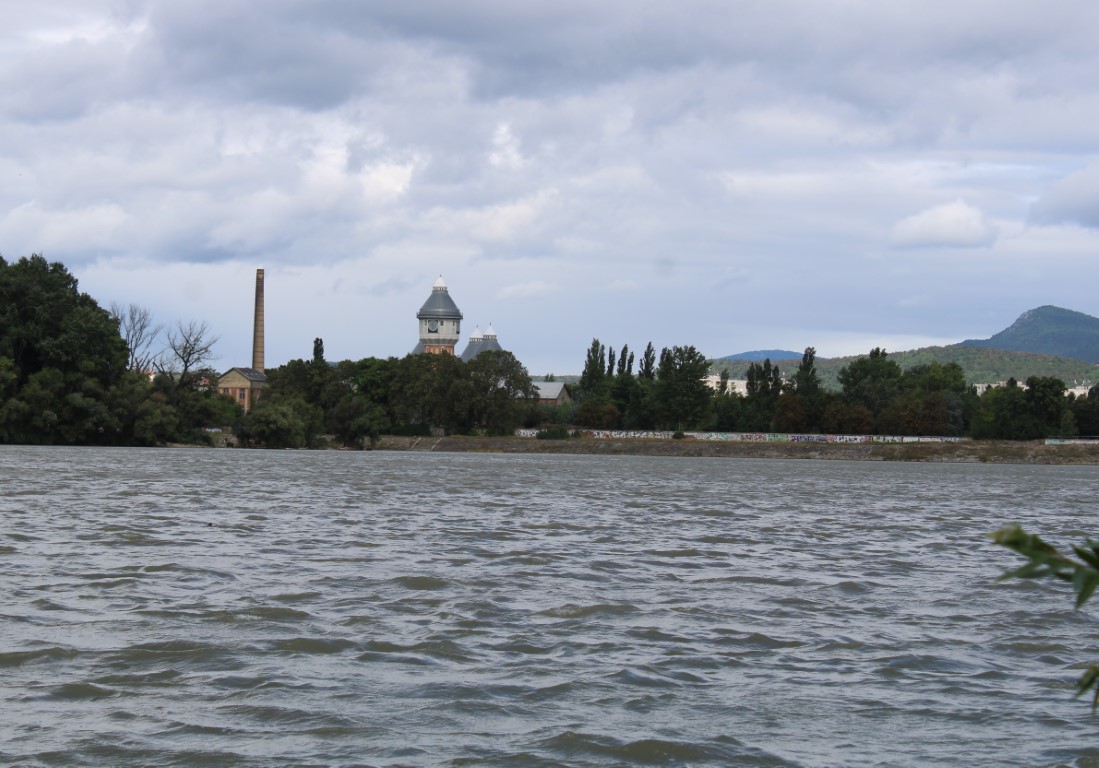
From the water's edge,
 I see the spastic, choppy
   topography of a river
   that looked glassy
   from the bridge that
   spans it.

Is this one river?

Am I one traveler?
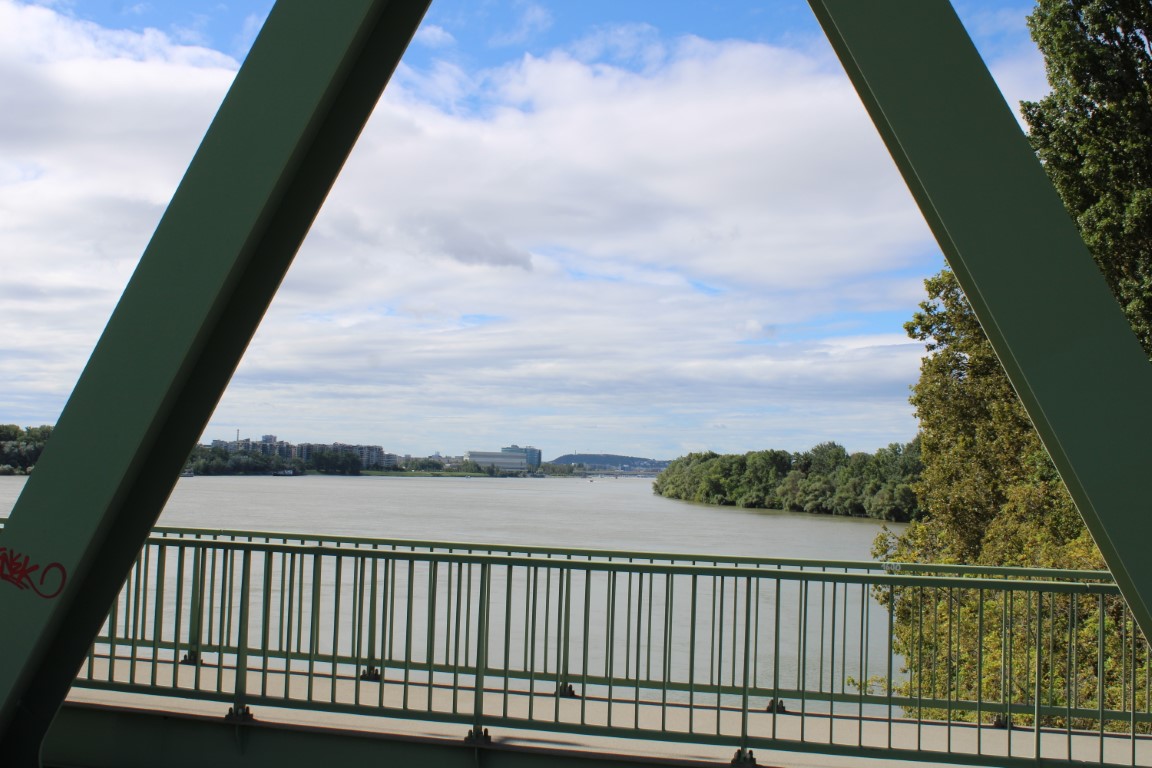

From the water's edge,
I see the spastic, choppy
topography of a river
that looked glassy
from the bridge that
spans it.
Is this one river?
Am I one traveler?
I
The grey sea and the long black land;
 And the yellow half-moon large and low;
 And the startled little waves that leap
 In fiery ringlets from their sleep,
 As I gain the cove with pushing prow,
 And quench its speed i' the slushy sand.

II
Then a mile of warm sea-scented beach;
 Three fields to cross till a farm appears;
 A tap at the pane, the quick sharp scratch
 And blue spurt of a lighted match,
 And a voice less loud, thro' its joys and fears,
 Than the two hearts beating each to each!
Any that I can. If I can’t, it’s probably a tedious work-a-day task that I’m trying to get through so that I can get back to activities in which I can lose myself.

Reeds cover the tiny island.
   Shallow streams cut through the cold sand.

I see the Southern Tower for
   The first time in two decades.

How many days since I moored
   Under this willow tree?
   Mid-Autumn Festival is almost here.

On the rocks of Yellow Crane,
 Do my friends still reside?

This old place has many new sorrows.

If I bought wine and we cast off together,
 Could we be young again?
Movies: The Matrix (1999), Kung Fu Hustle (2004), and – possibly – The Dark Knight (2008) and Inception (2010). [Really, I could watch any Christopher Nolan film more than once (and probably need to in order to fully get them.)]
TV Series: None. I can’t think of a series that I’ve watched more than once — except maybe in reruns as a kid, watching episodes out of sequence and on a hit or miss basis.
The dogs were in a wee hours war:
 Growling and snapping and howling,
 Breaching night's plutonian shore,
 And sweet dreams those barks were fouling.

What monstrous dreamland incursions
 That yapping must have brought about.
 Bucolic scenes turned perversions
 Of bared teeth and menacing snout.