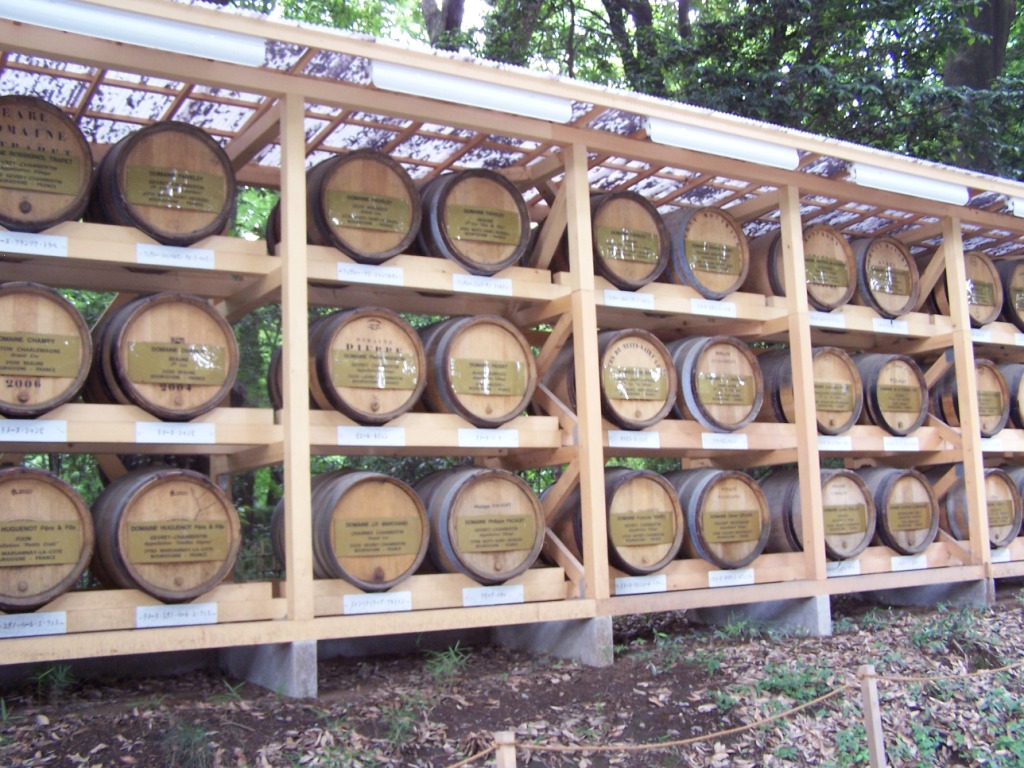
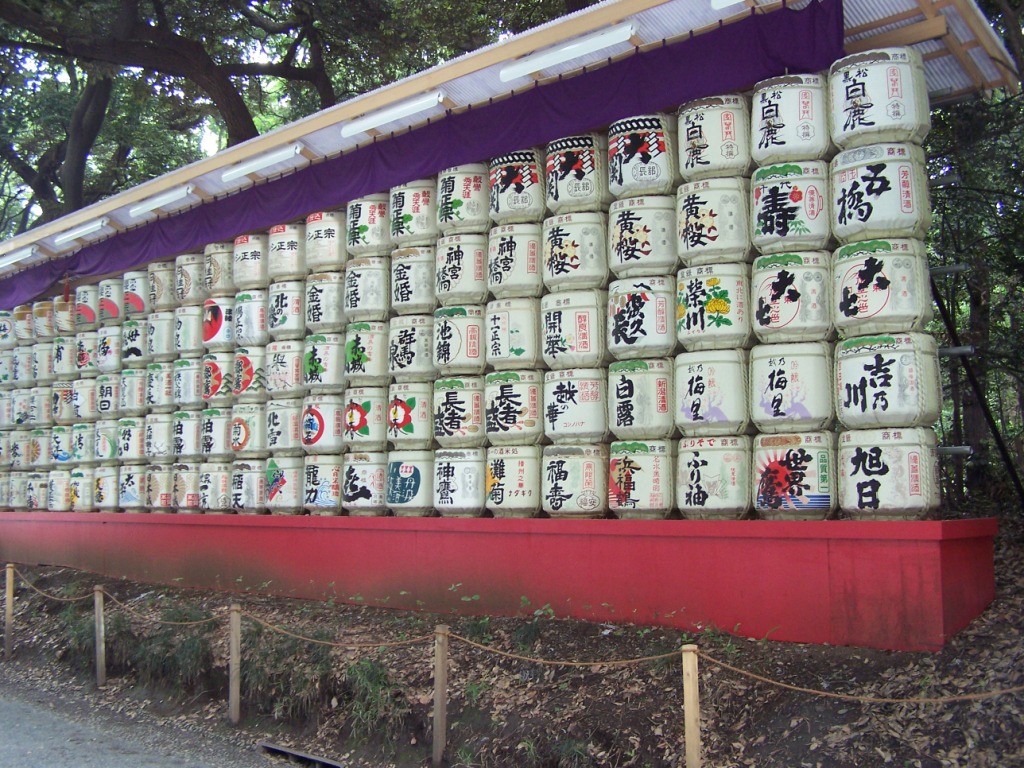
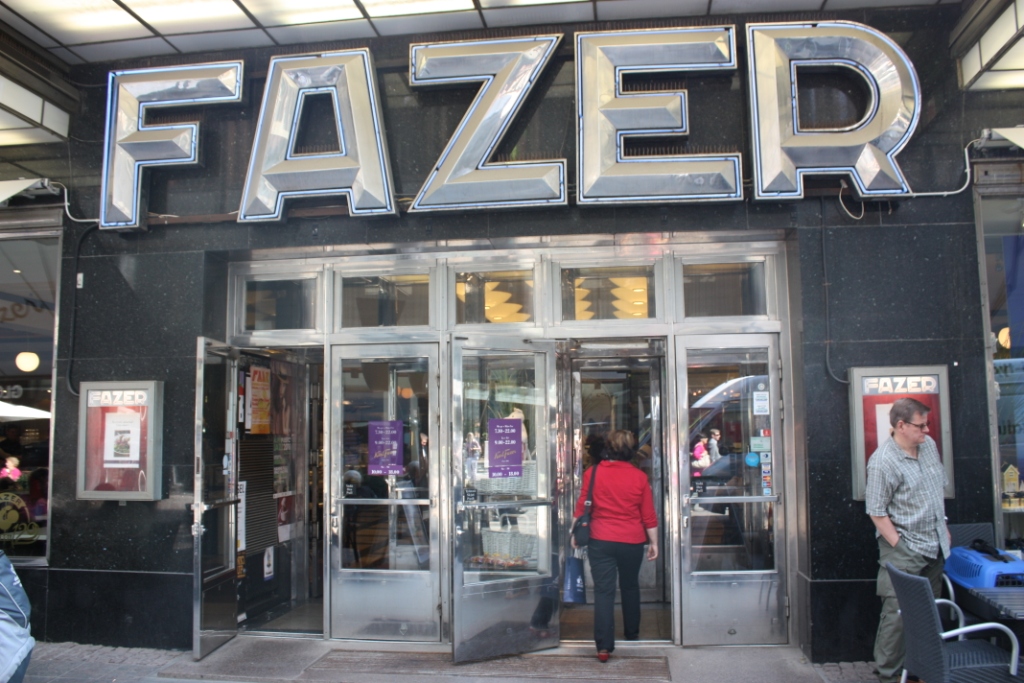
The answer to the previous question #4 (wine casks) was Tokyo, Japan (Meiji Shrine)
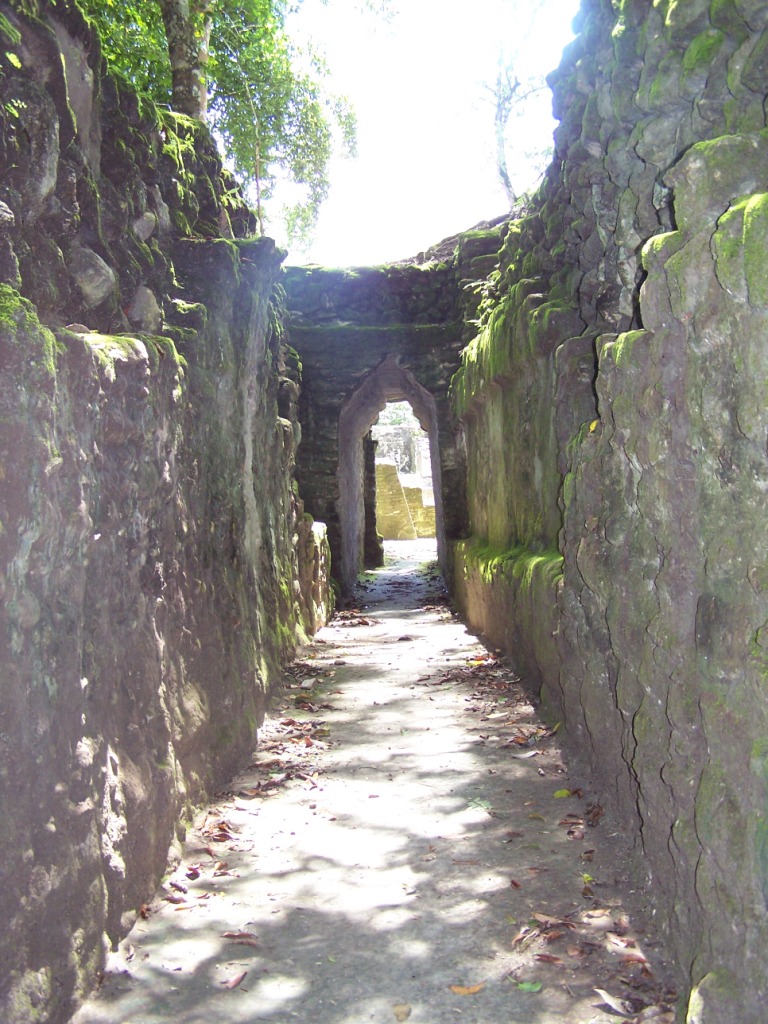
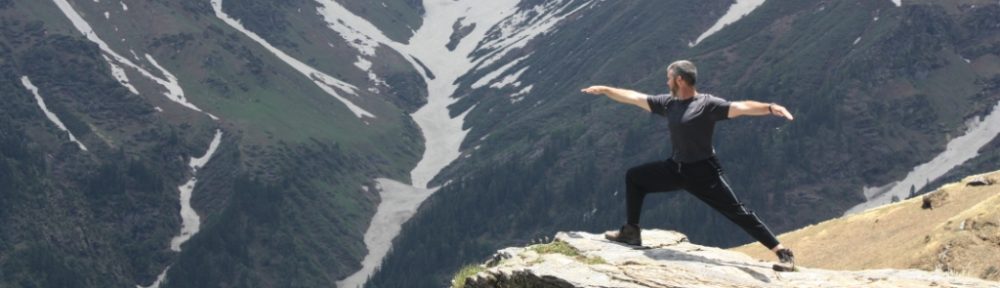
WitW#5 is a US-centric question. I took the photo below in the 1990’s.

Where was I?
This is the fourth and final installment of pictures from my October 2012 visit to Angkor in Cambodia.
These are all from the Bayon, a large temple in Angkor Thom. Unlike many of the sites that were originally Hindu and were later modified to meet the needs of Buddhist successors, this was built as a Mahayana temple — though later Hindu and Theravada Buddhist leaders made changes.
The Bayon is sometimes called the temple of a thousand faces. The reason will be clear.
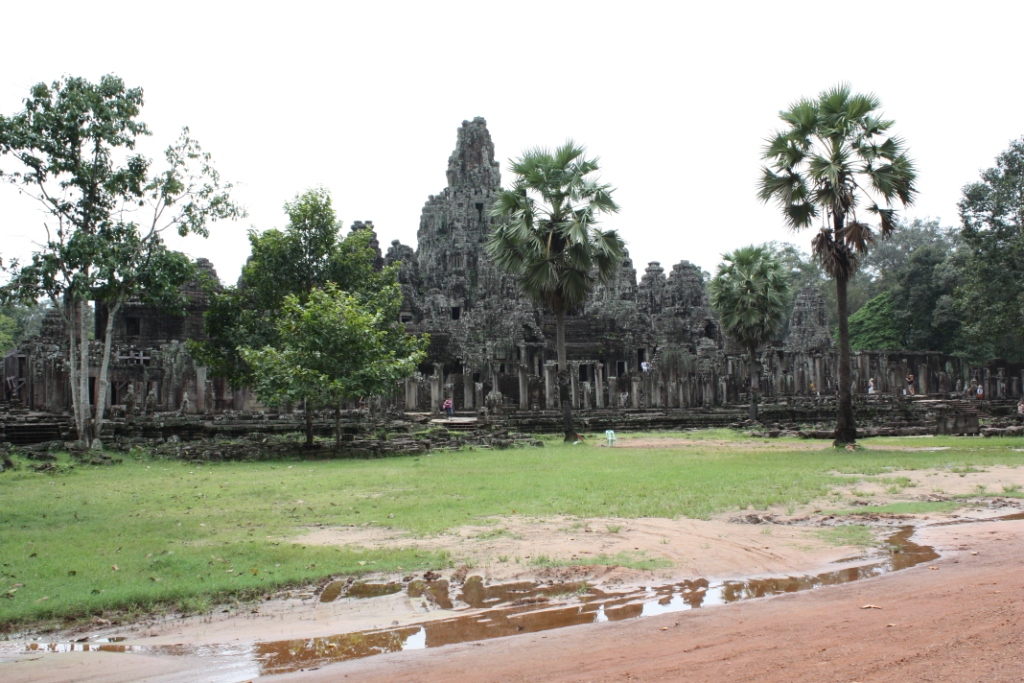
The site is circled by the road through Angkor Thom.
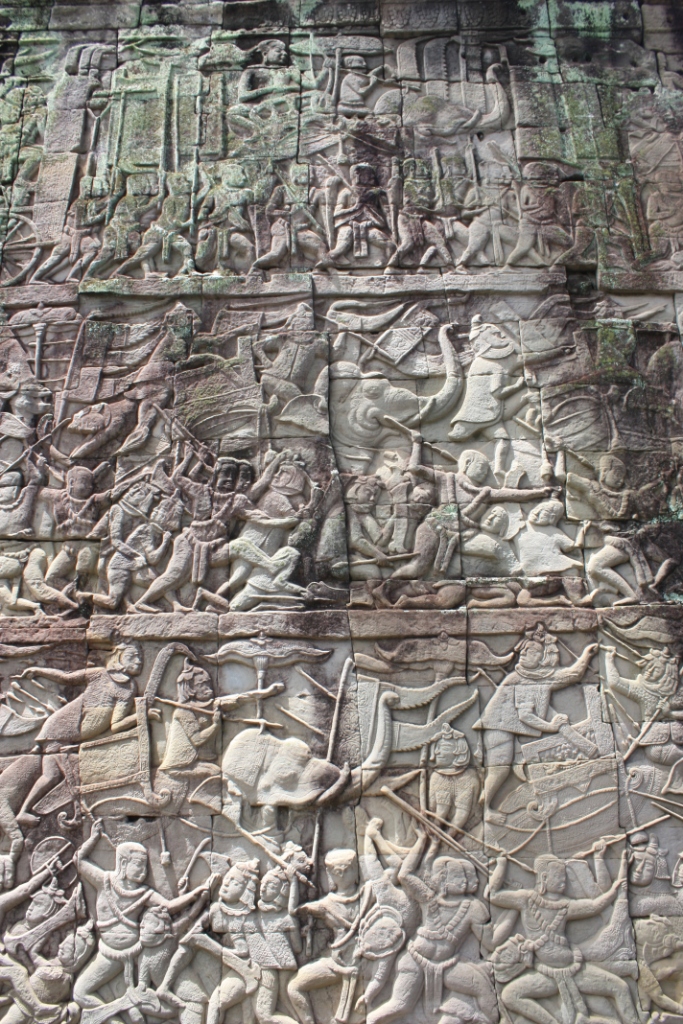
A three-tiered bas relief depicts battles with the Champa.
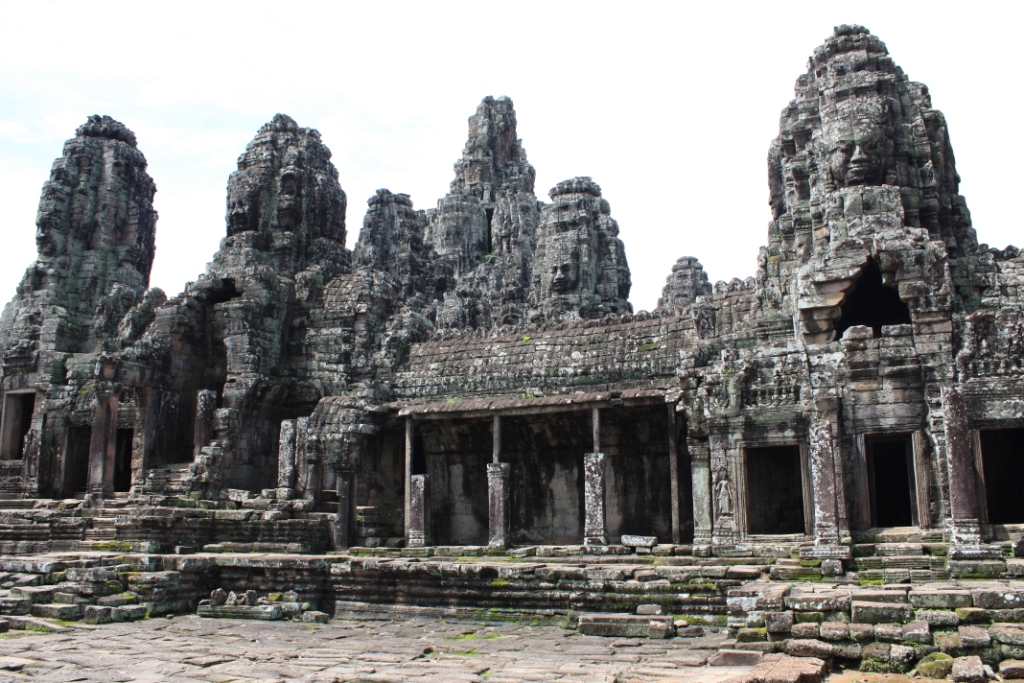
Northside facade
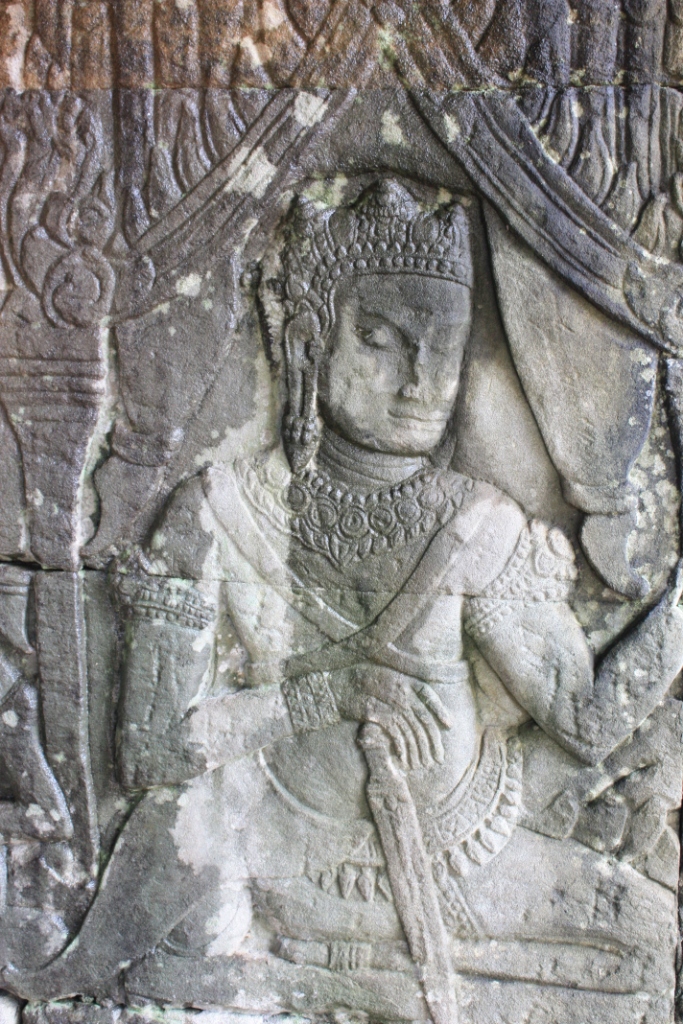
Wall carving
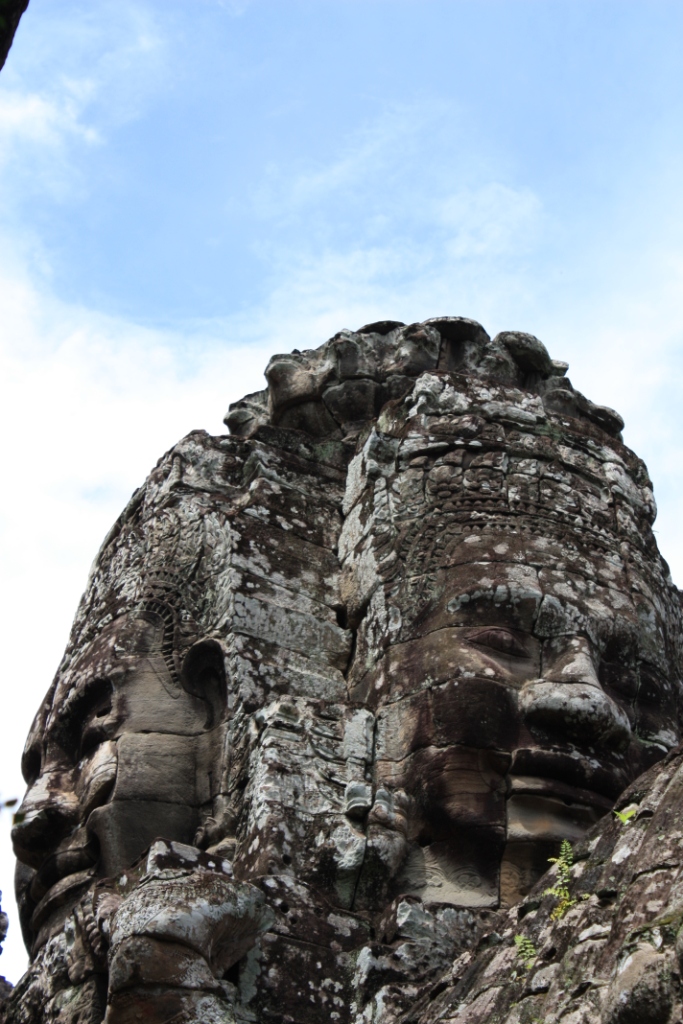
Janus-faced spire
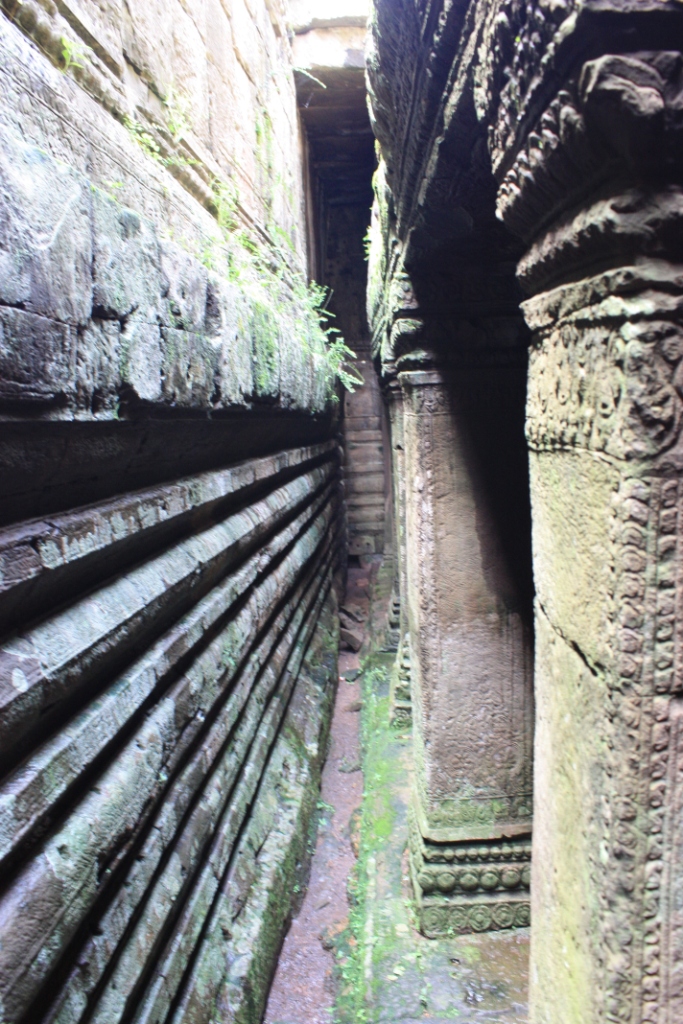
One can see what looks like old foundations that were built over.
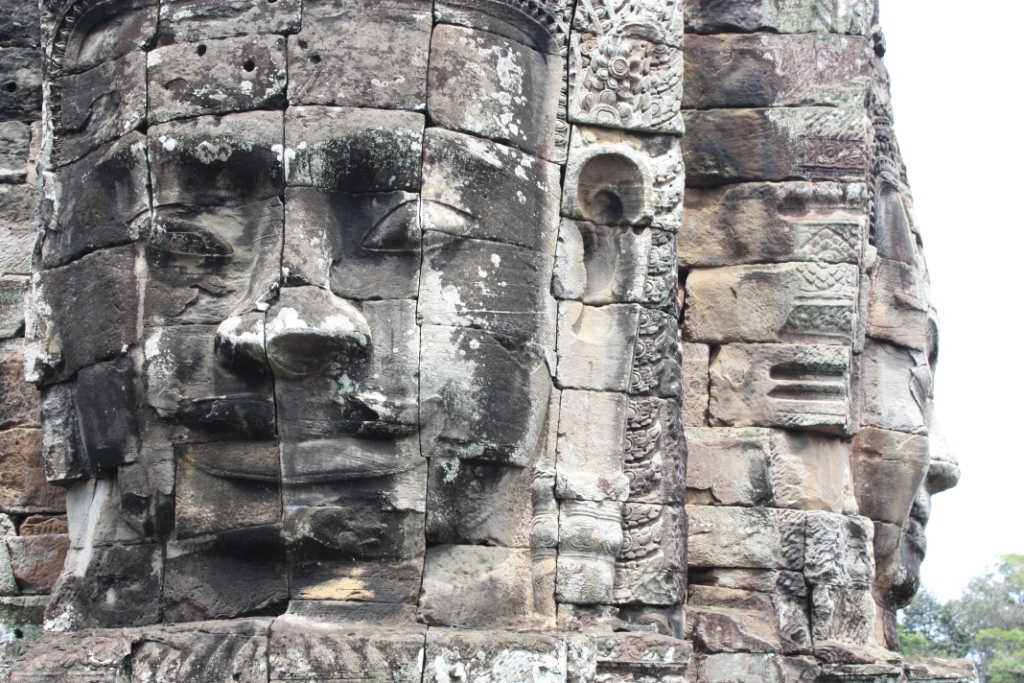
more faces
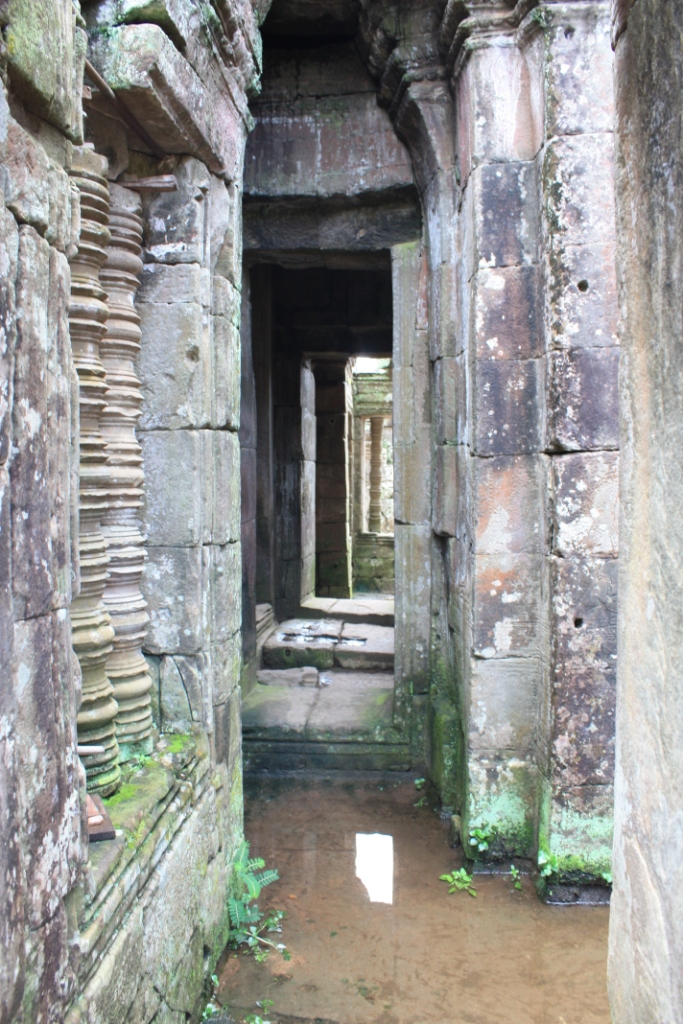
Water standing in the lower level of the temple.
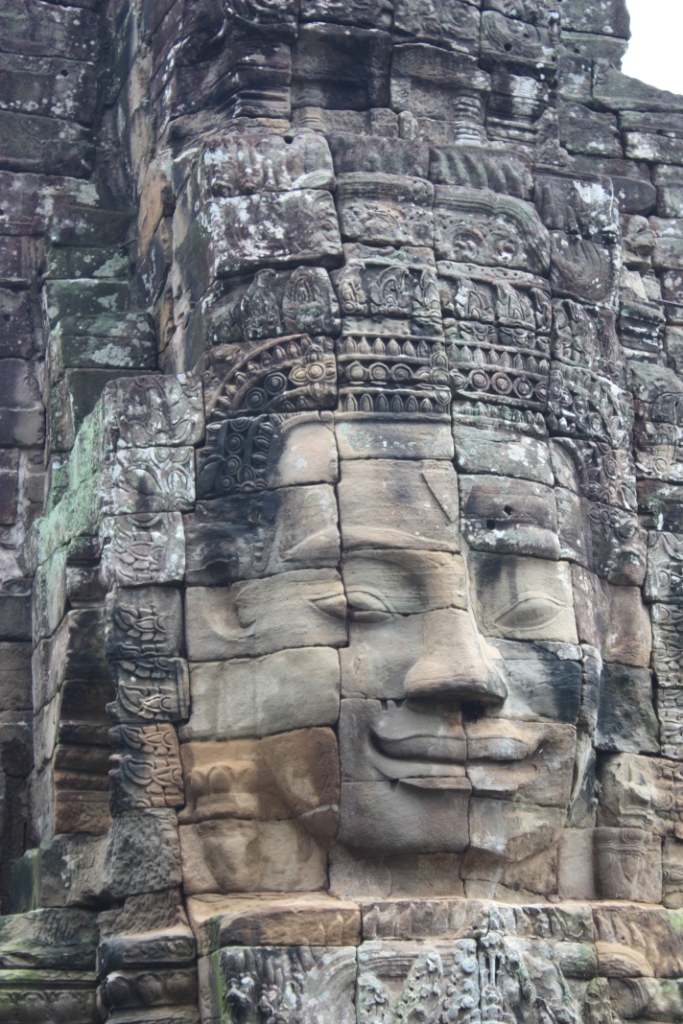
Another face, one can see the size of the blocks from which the sculptures were formed.
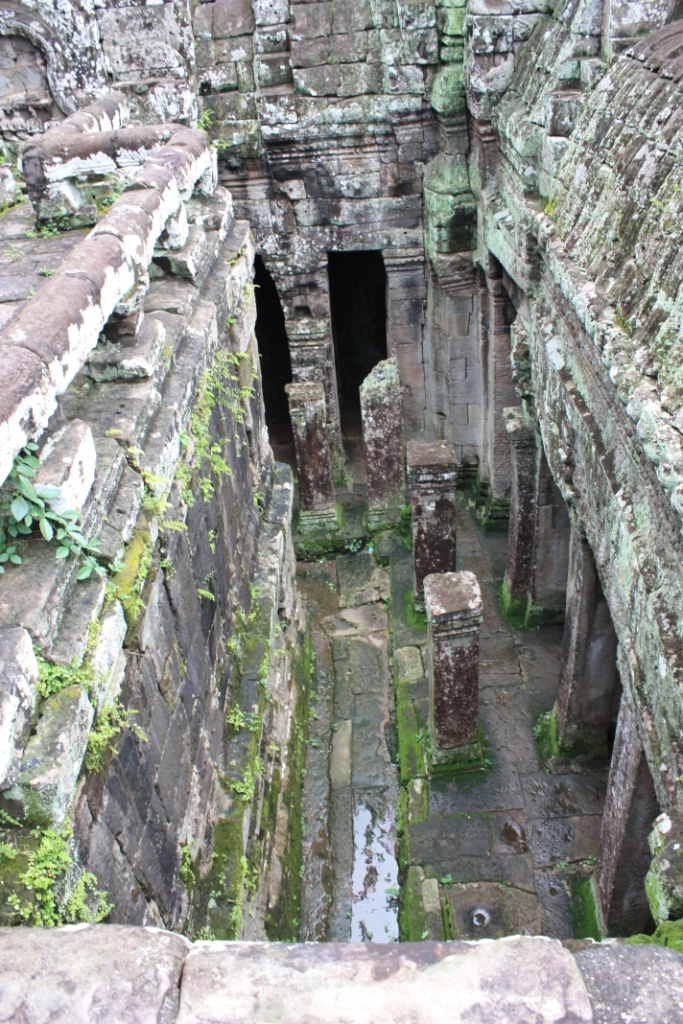
Looking down at the substructure from above
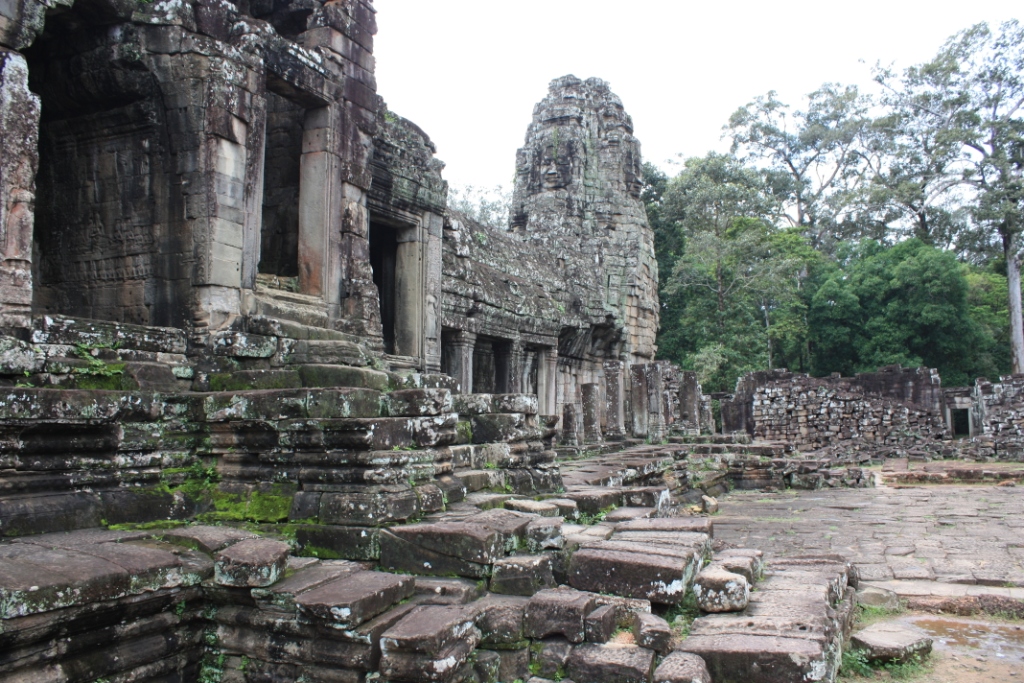
The south facade
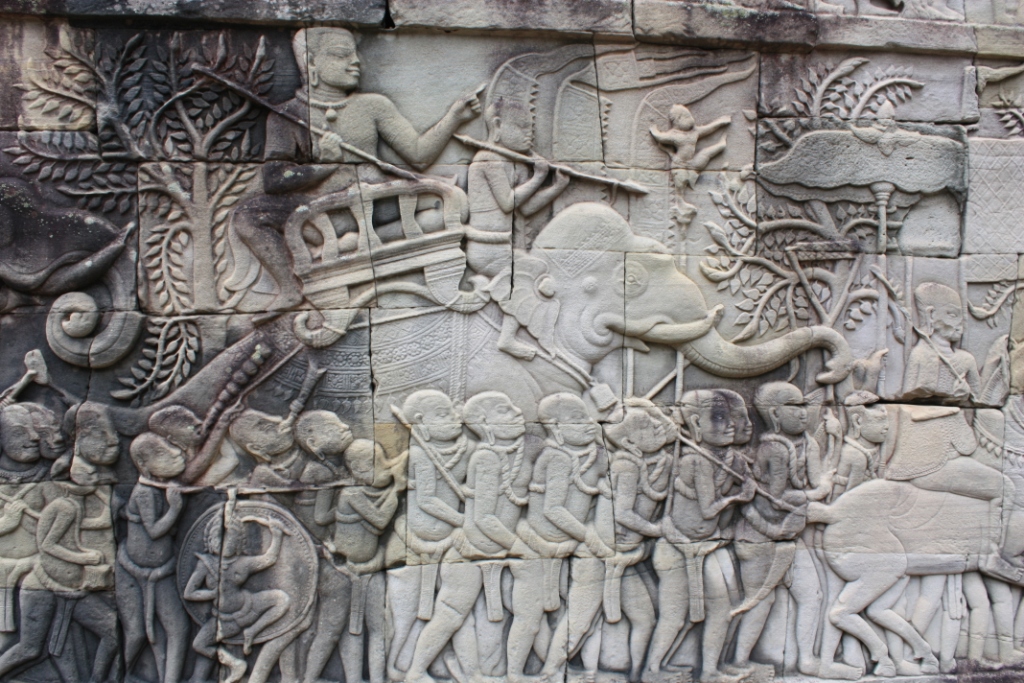
More bas relief.
This is the third installment of photos from Angkor that I took in October 2012. Unlike the previous two installments, each of which included photos from multiple sites, all of these photos come from the Angkor Wat. (While most people think of the entirety of the ancient city as Angkor Wat, in reality Angkor Wat is just a portion (granted a big and important portion) of what was the city of Angkor. “Wat” means temple, and this was the main (though by no means the only) temple in the ancient Khmeri capital.
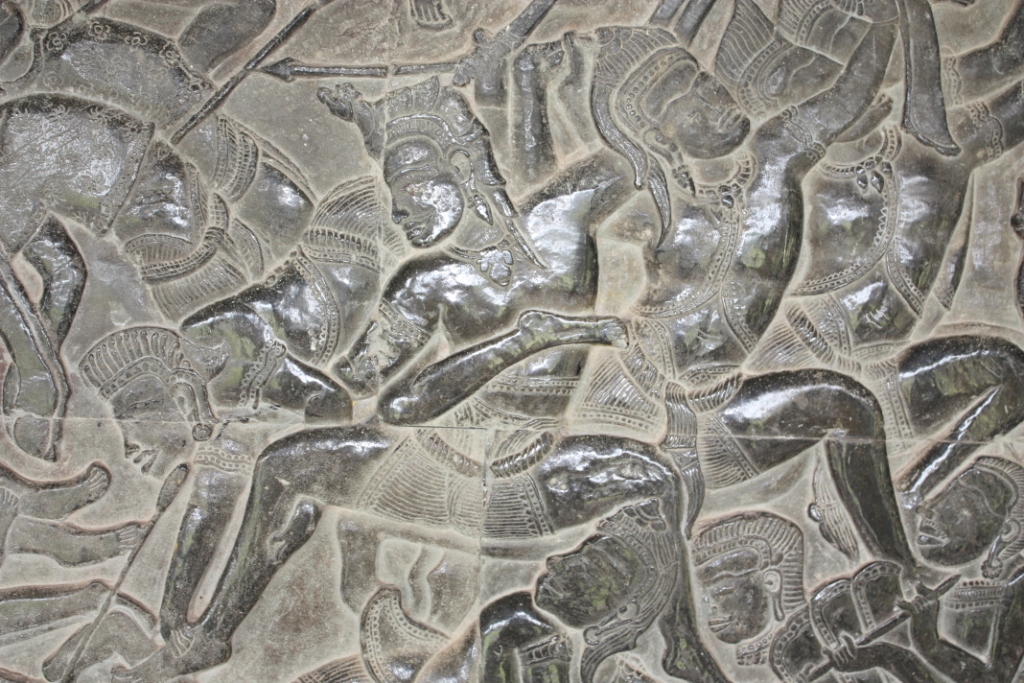
This is part of a massive bas relief battle scene
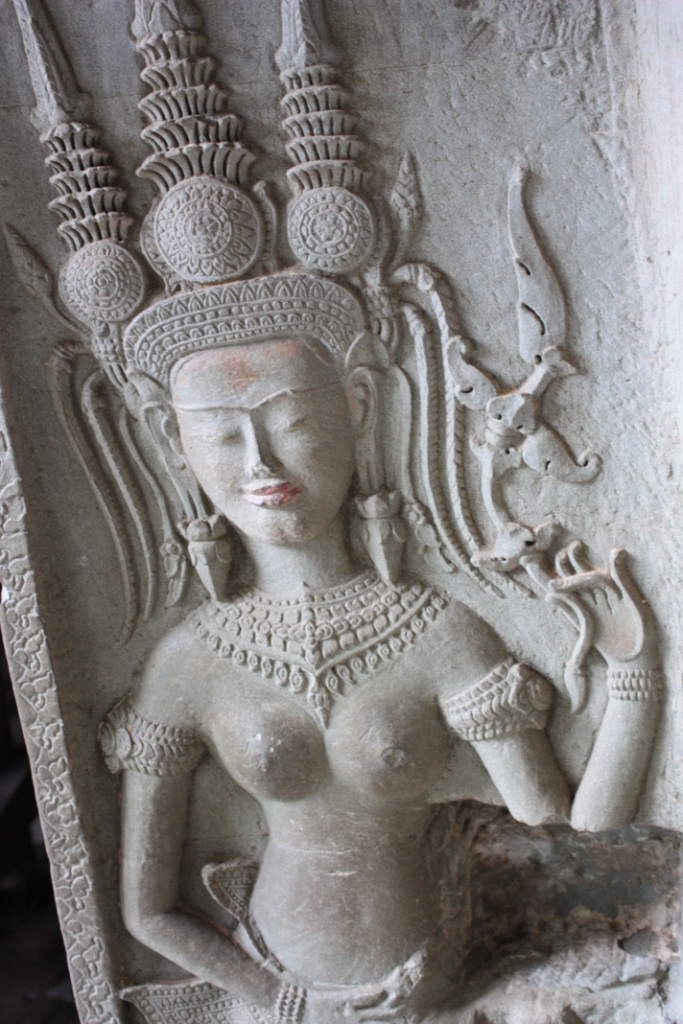
You can see where someone gouged out a cube of the wall (lower right.)

One of the courtyards of the main temple building
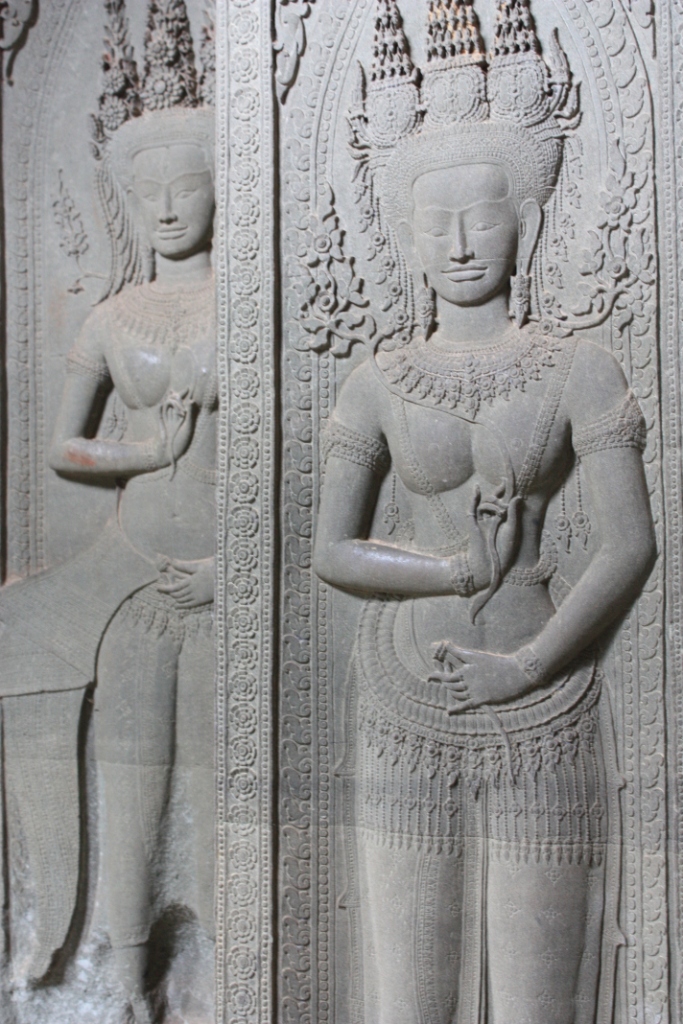
There are hundreds of these on the site.
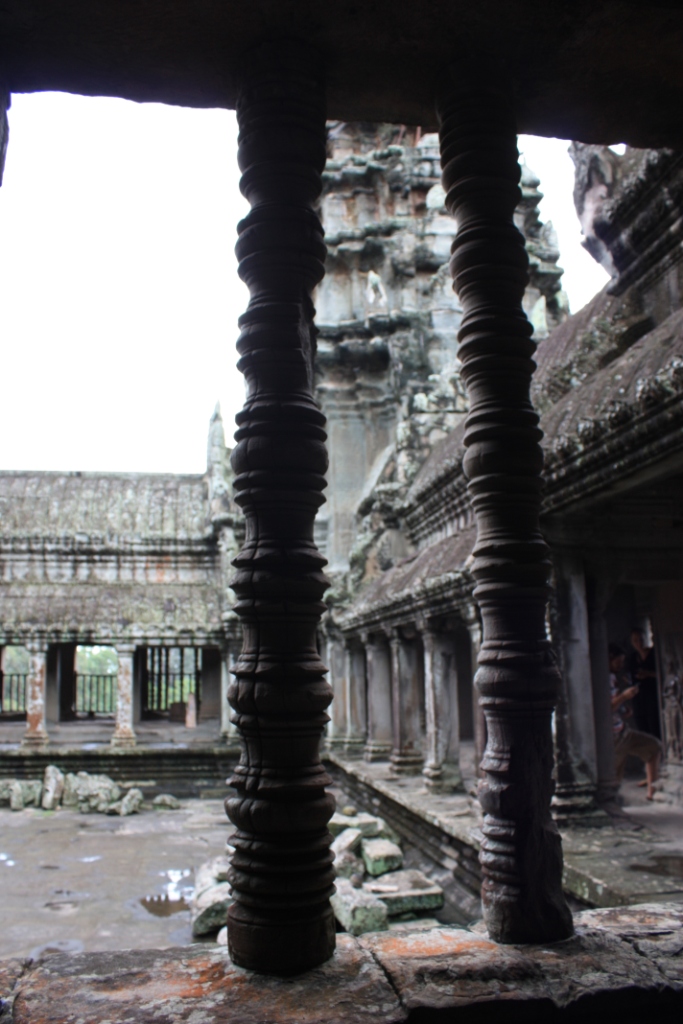
Courtyard as seen through a window with a couple pillars remaining
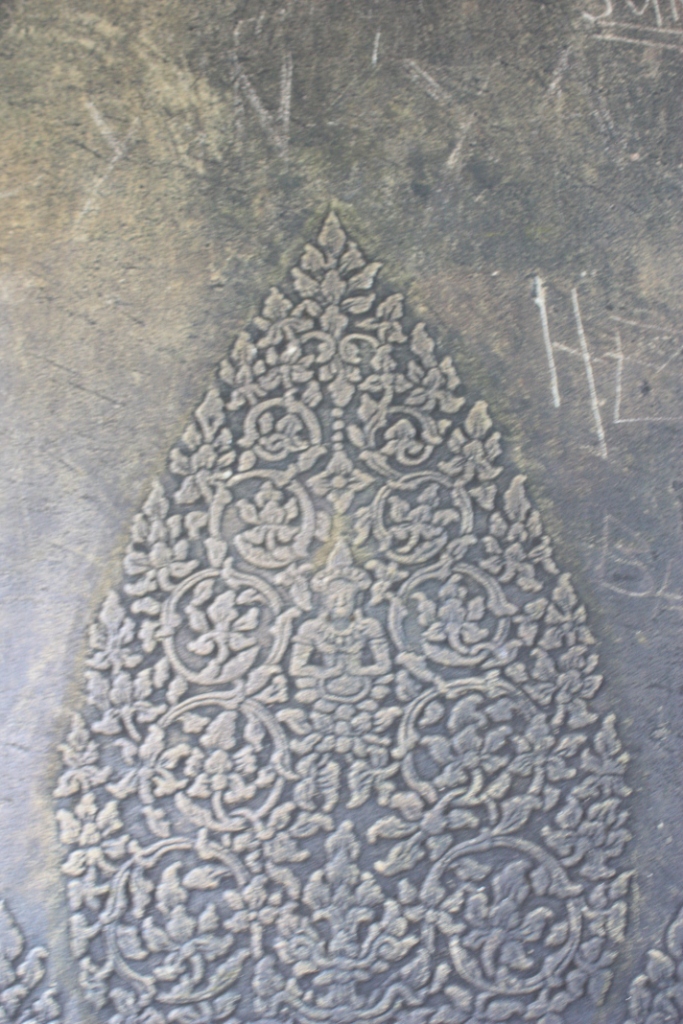
Ornate wall carvings abound
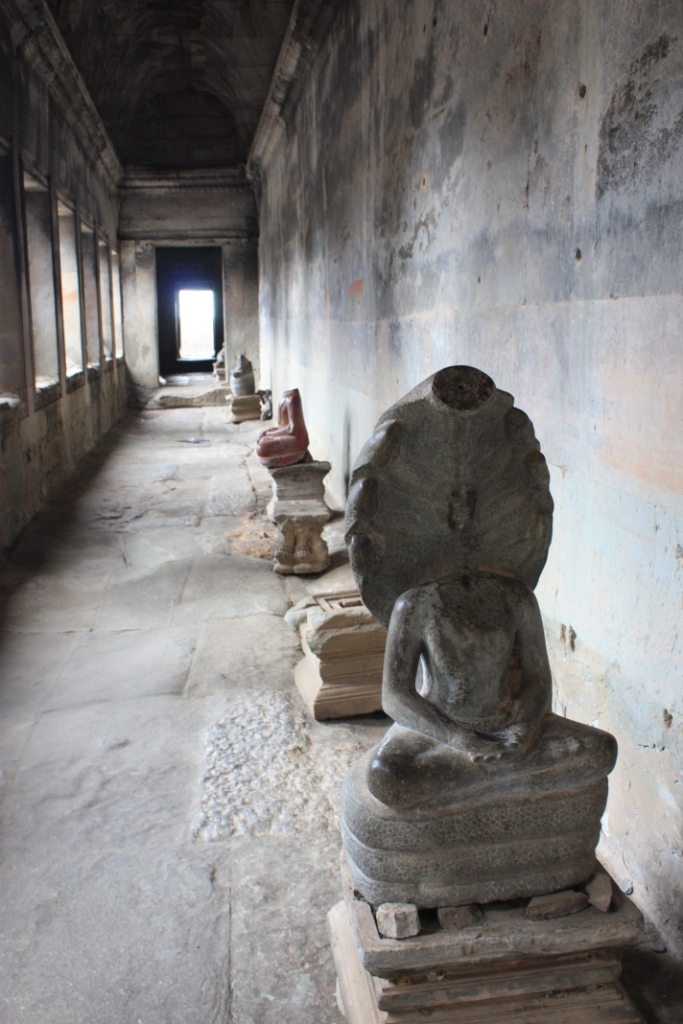
Between theft from the French, vandals, and the Khmer Rouge, most Angkor Wat Buddhas lack heads
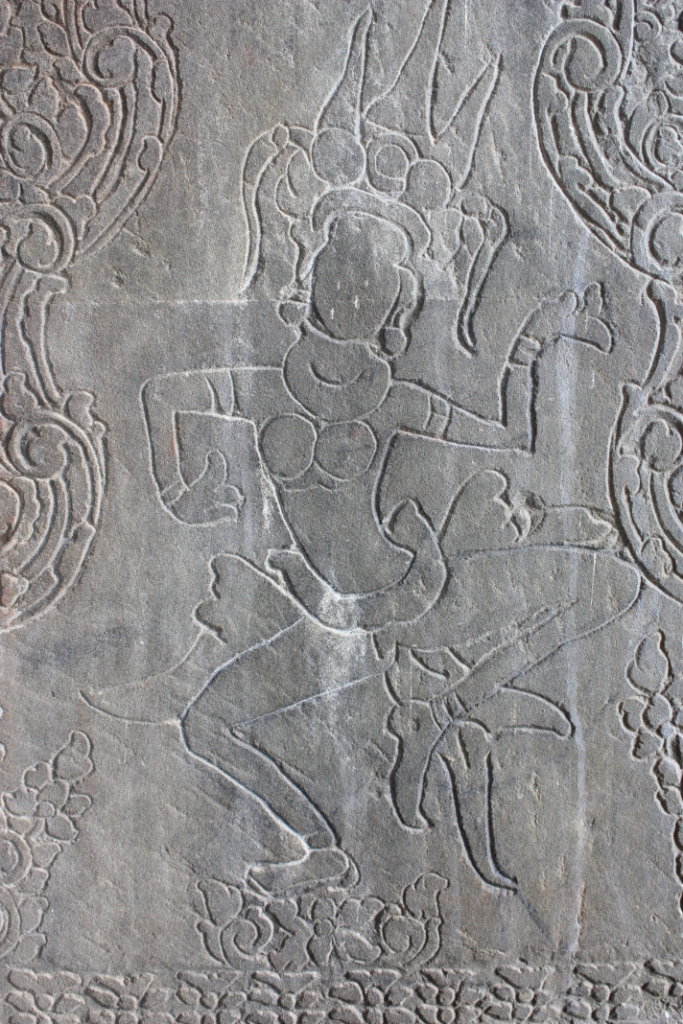
Another wall carving roughed out
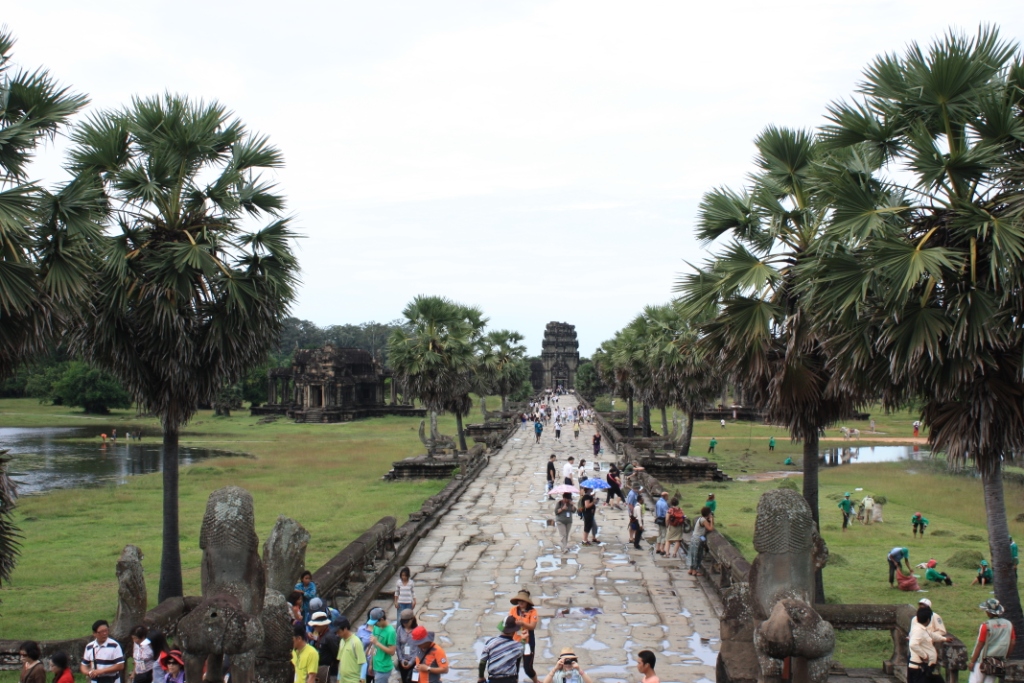
The main walk. There is a bridge across this moat which is contiguous with this grand walk.
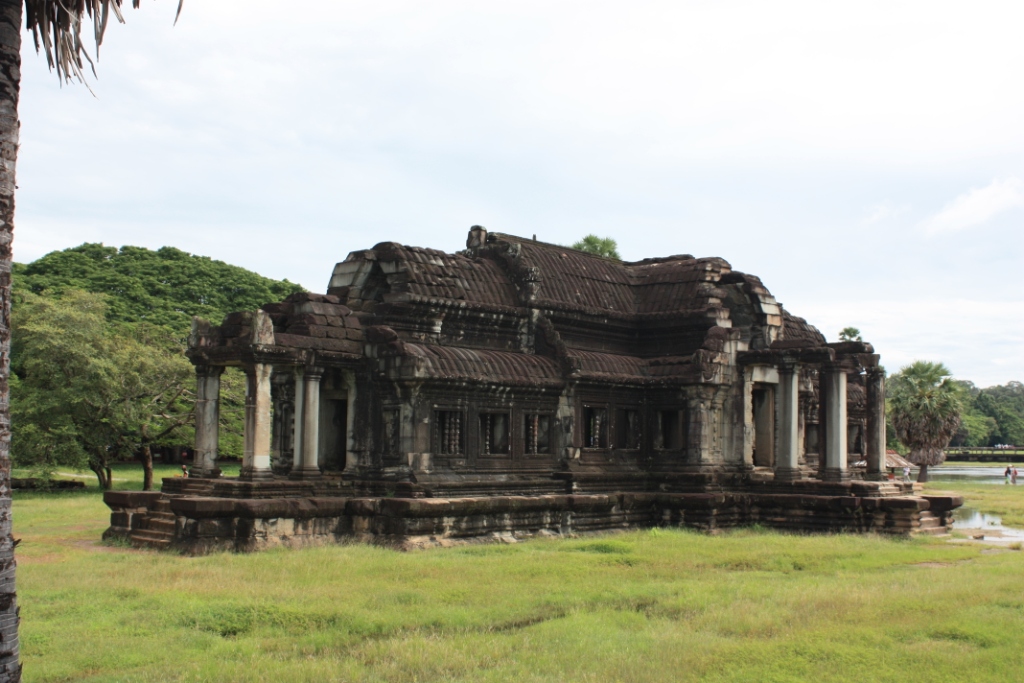
These are symmetrically located to either side of the main walk.
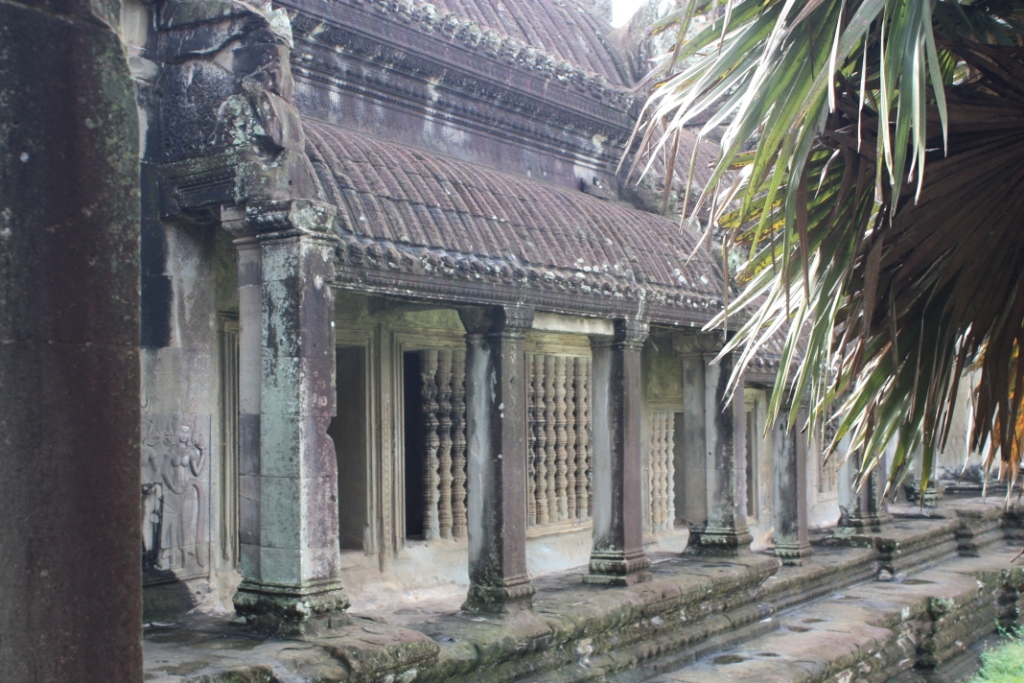
Temple facade
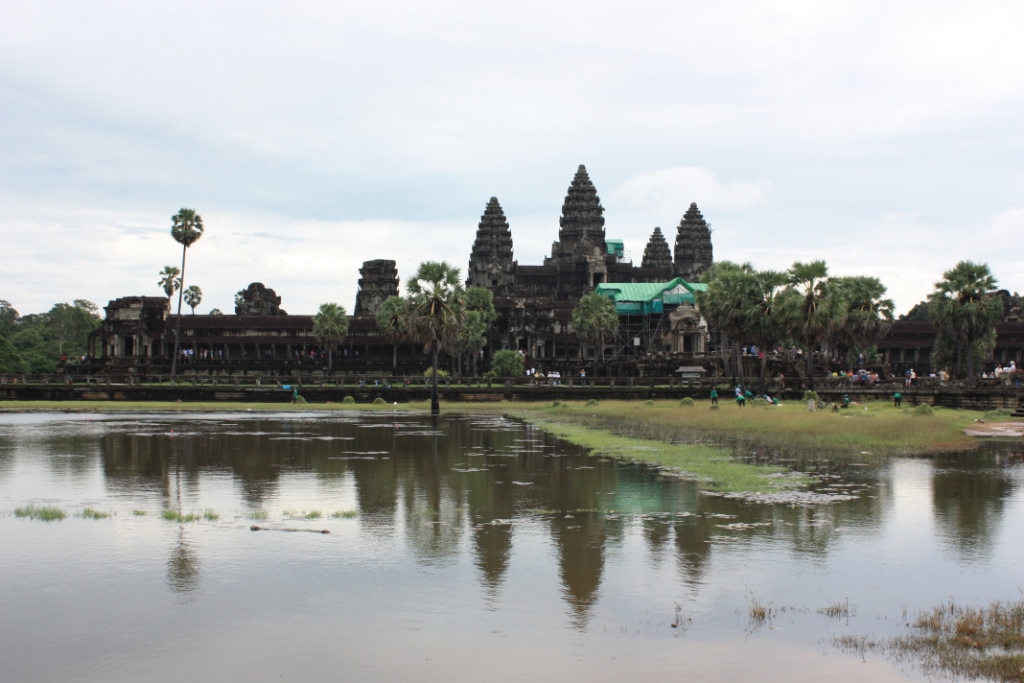
Wet season was just ending when we visited. Standing water was ubiquitous.
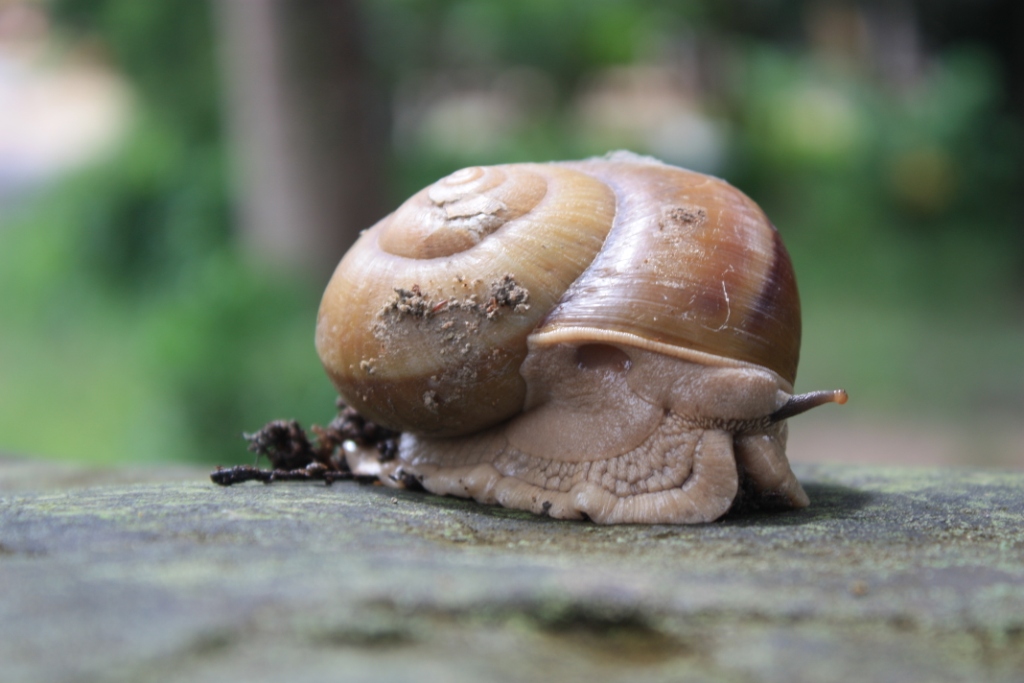
Escargot like these may have been why the French colonized this country.
More photos from my October 2012 visit to Angkor in Cambodia.
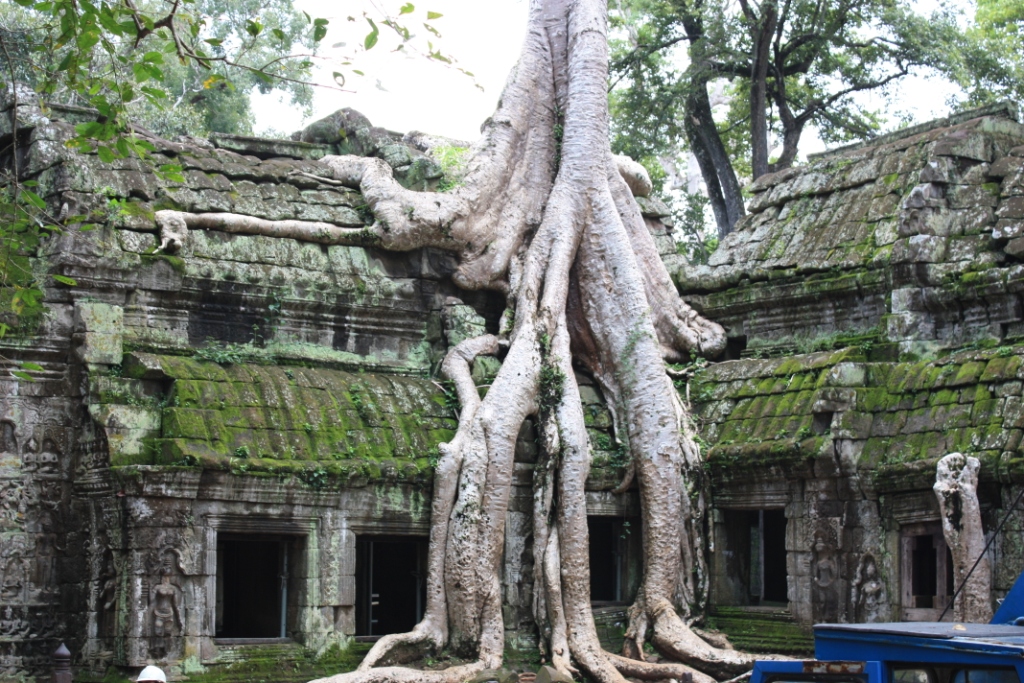
Ta Prohm
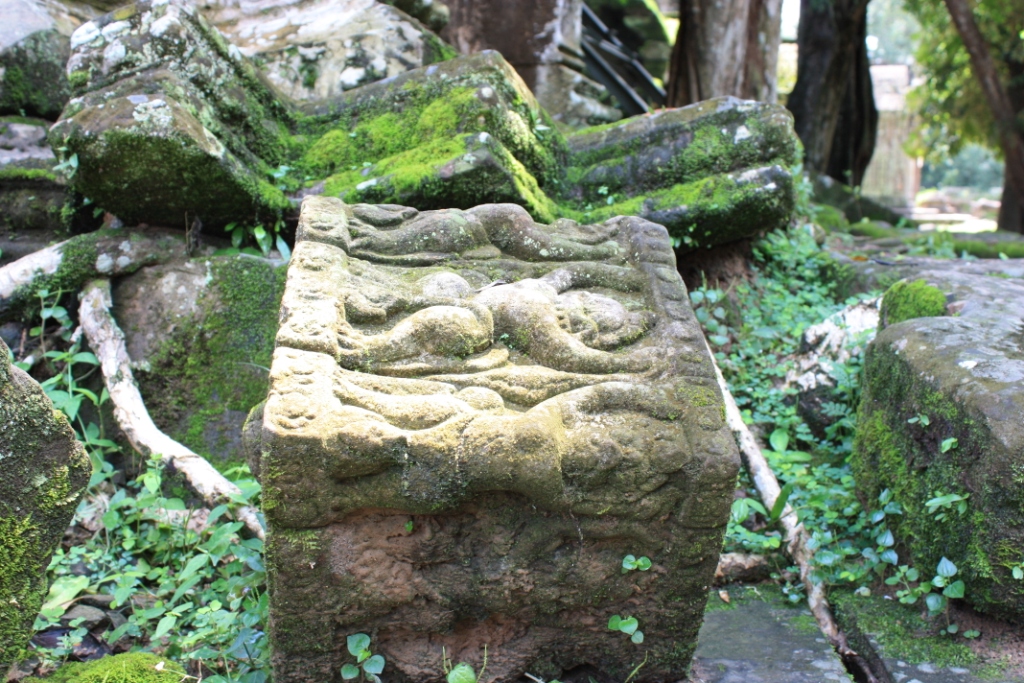
Ta Prohm
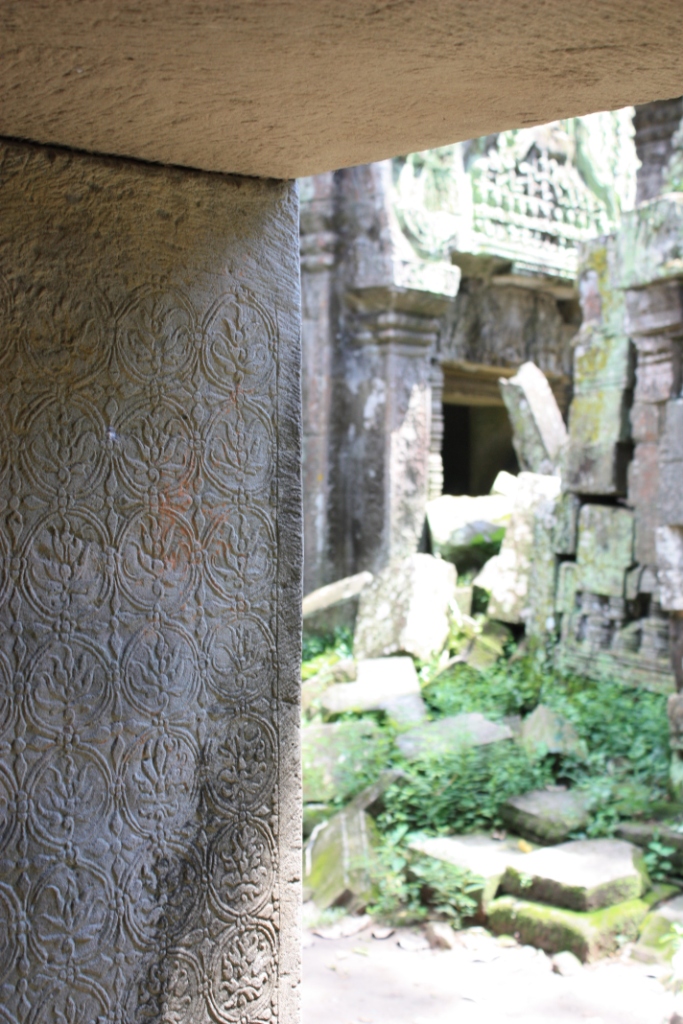
Ta Prohm

Ta Prohm
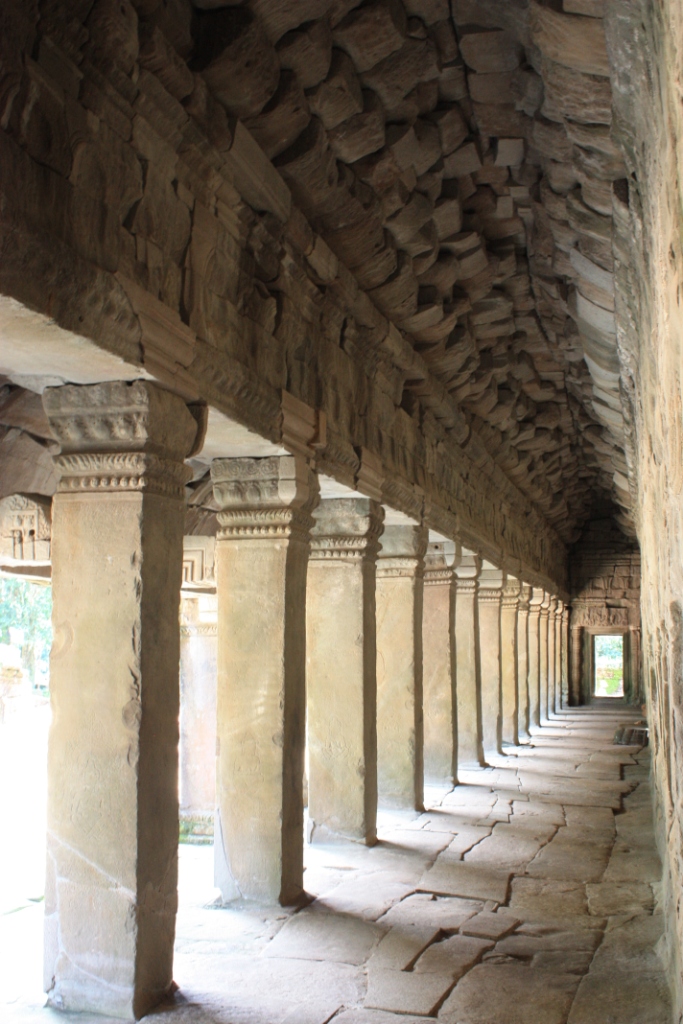
Ta Prohm
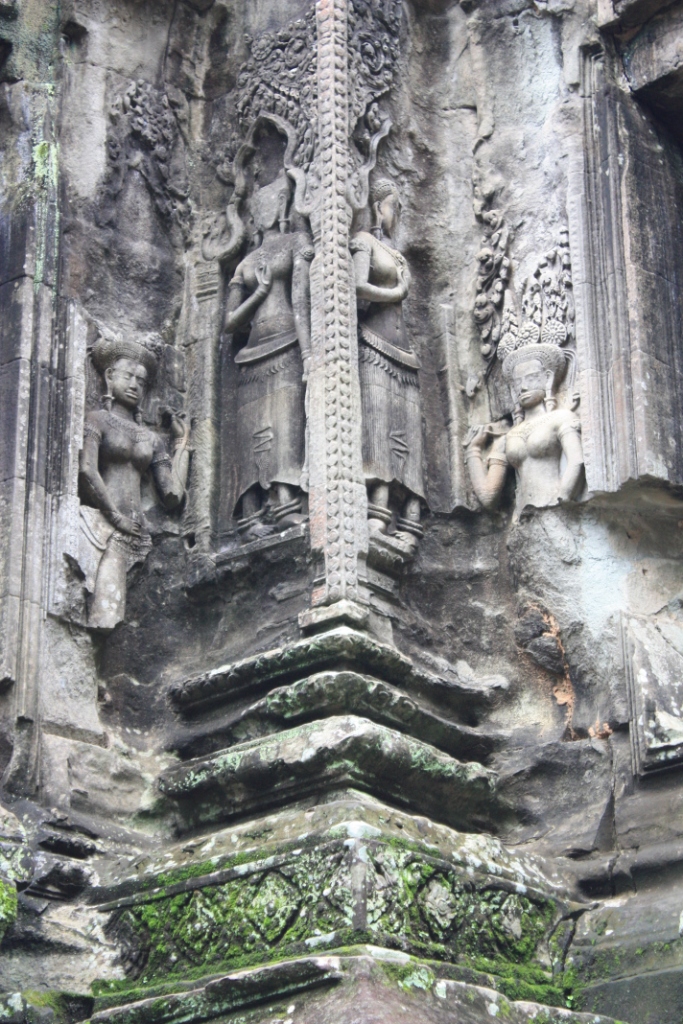
Thommanom

Ta Som
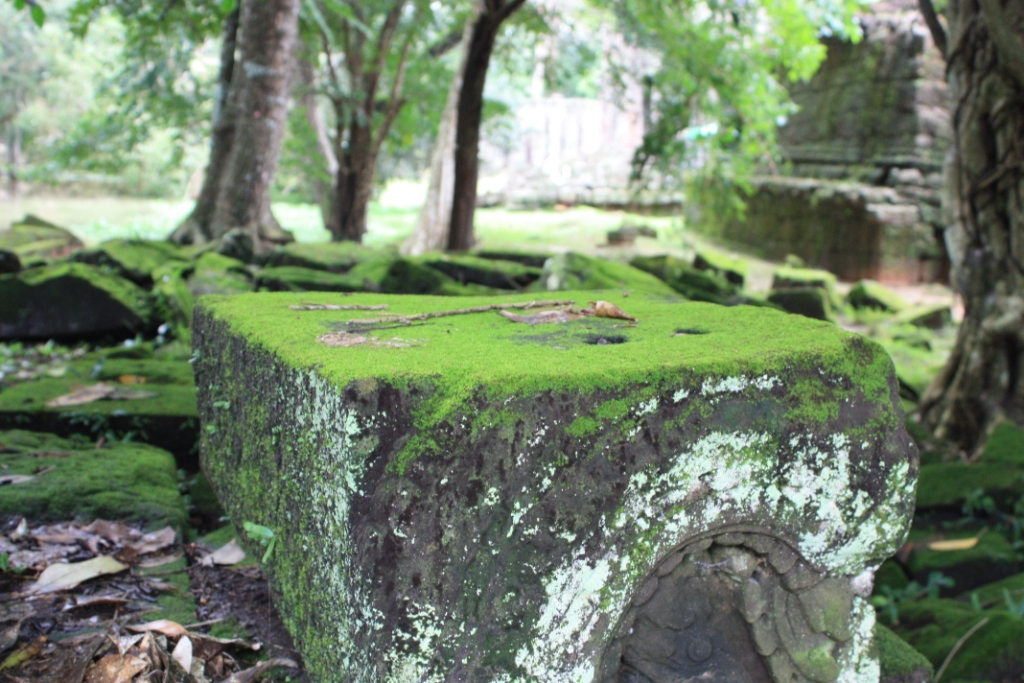
Ta Som? or perhaps Preah Khan

Neak Pean

Ta Som (I think)
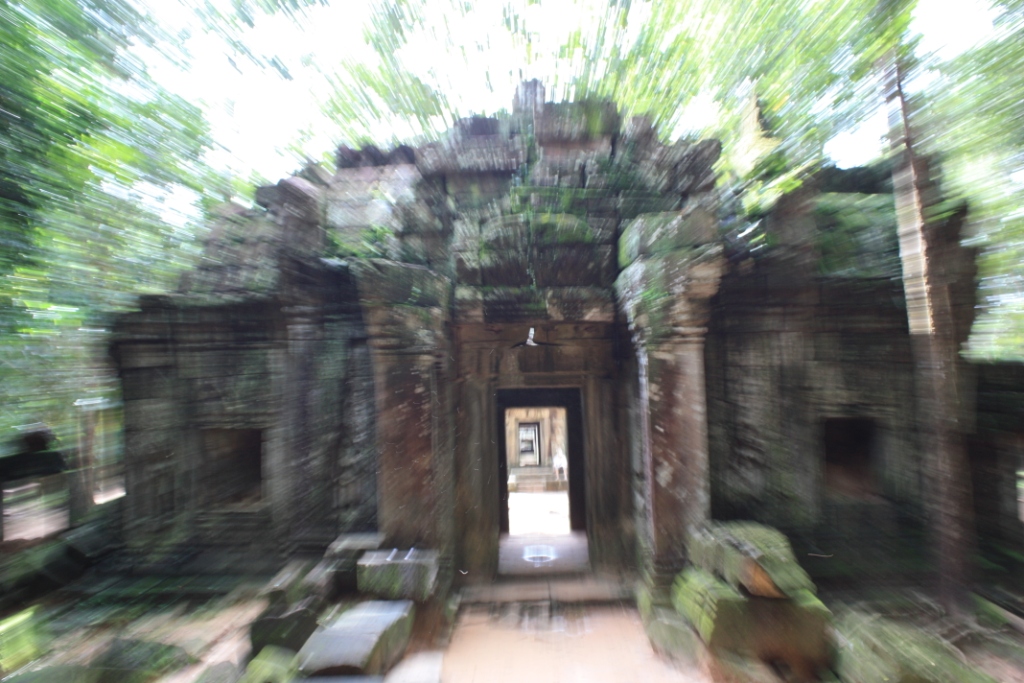
Ta Som (I’m not sure how this happened, it was a purely accidental effect.)

Ta Som
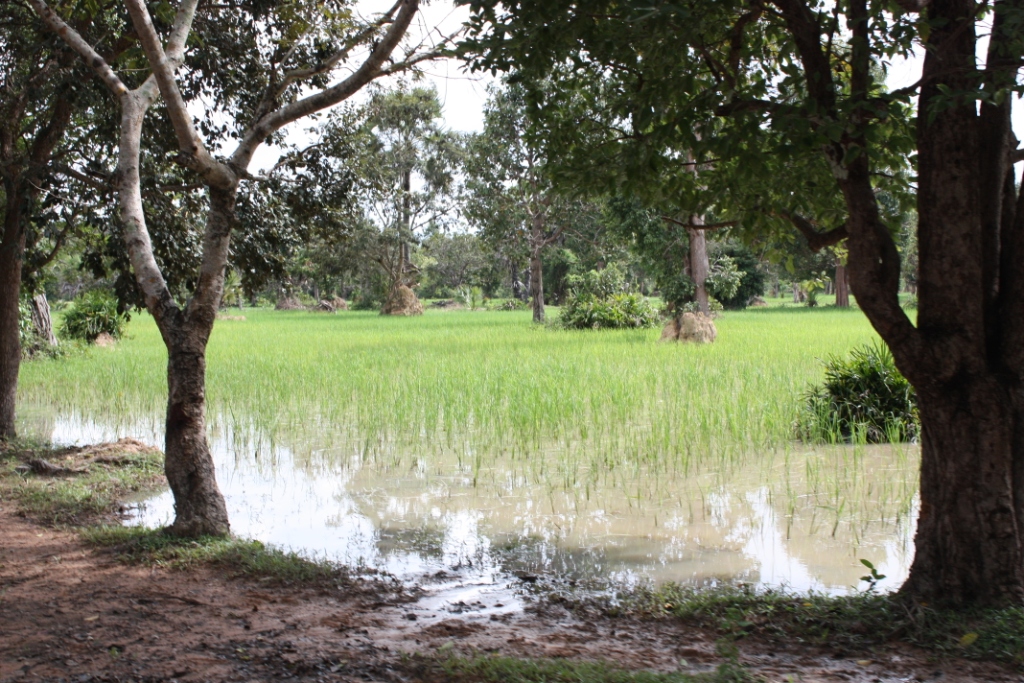
Rice paddies near the East Baray
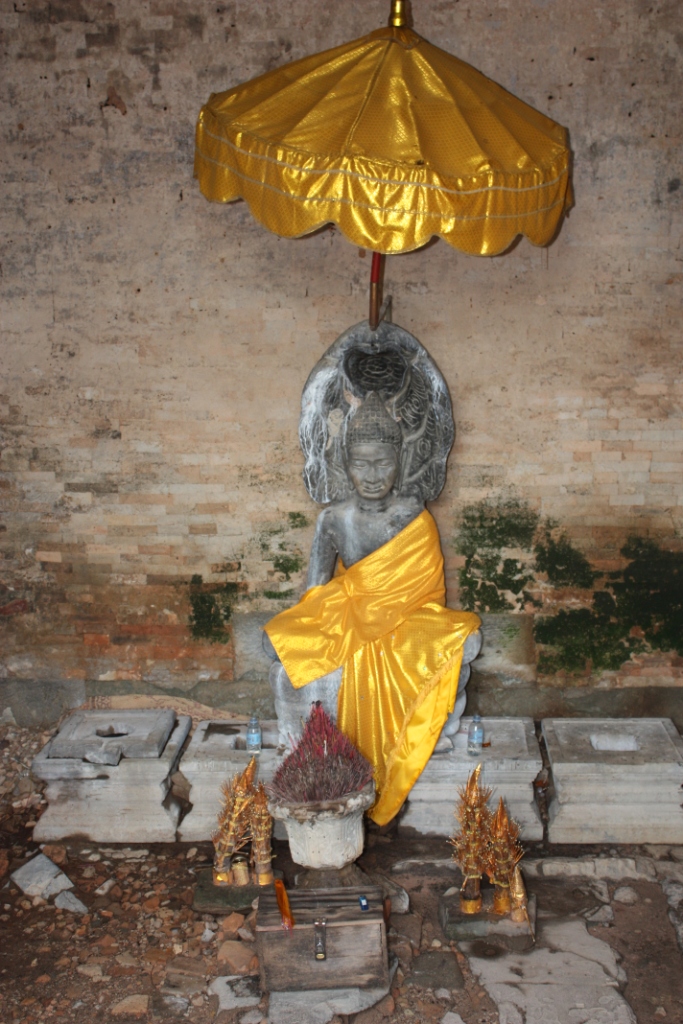
Buddha near Srah Srang

Pre Rup
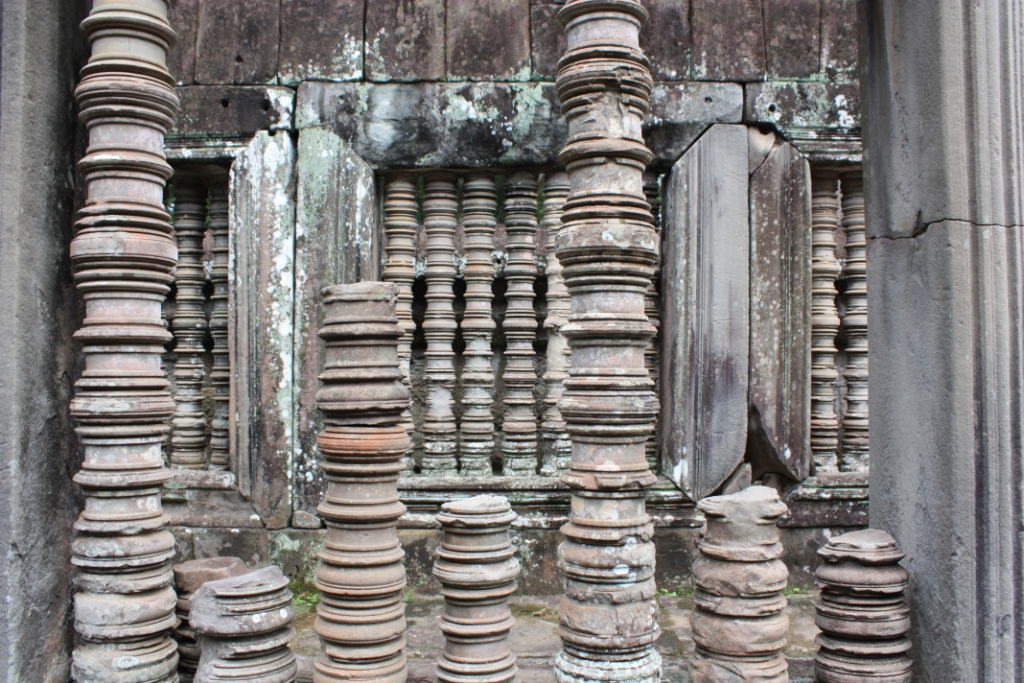
Ta Keo window pillars
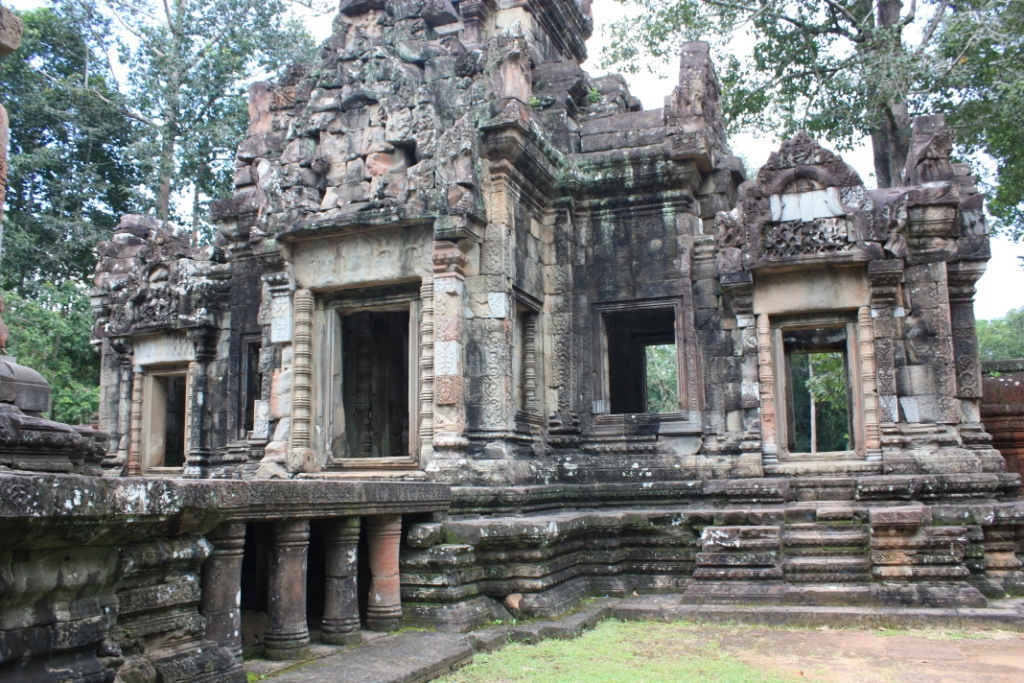
Chau Say Tevoda
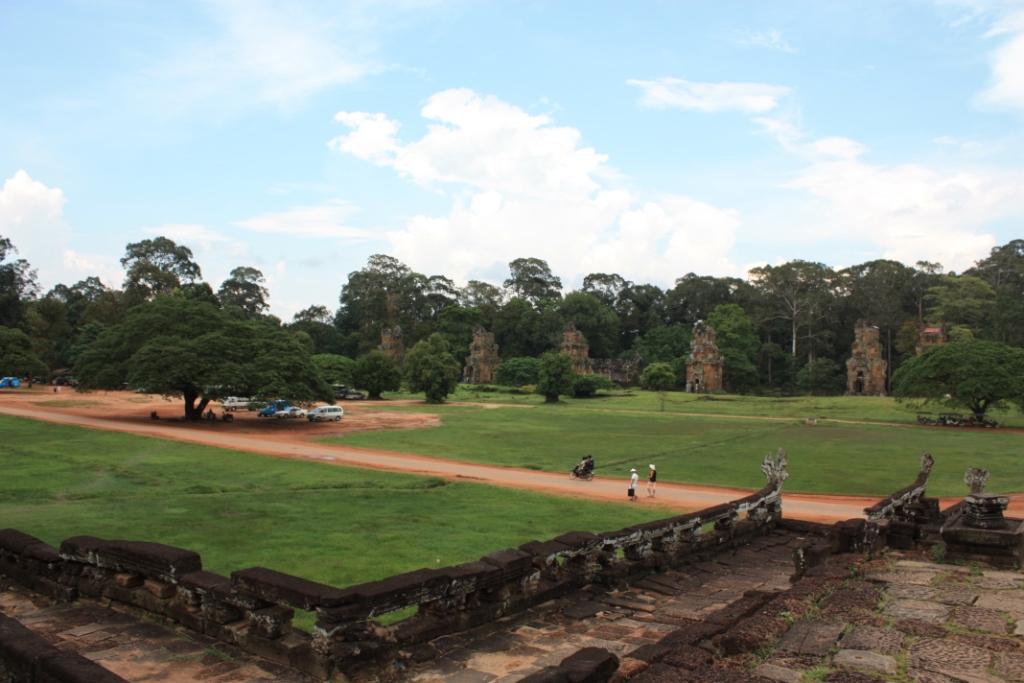
Ankor Thom from the Elephant Terrace
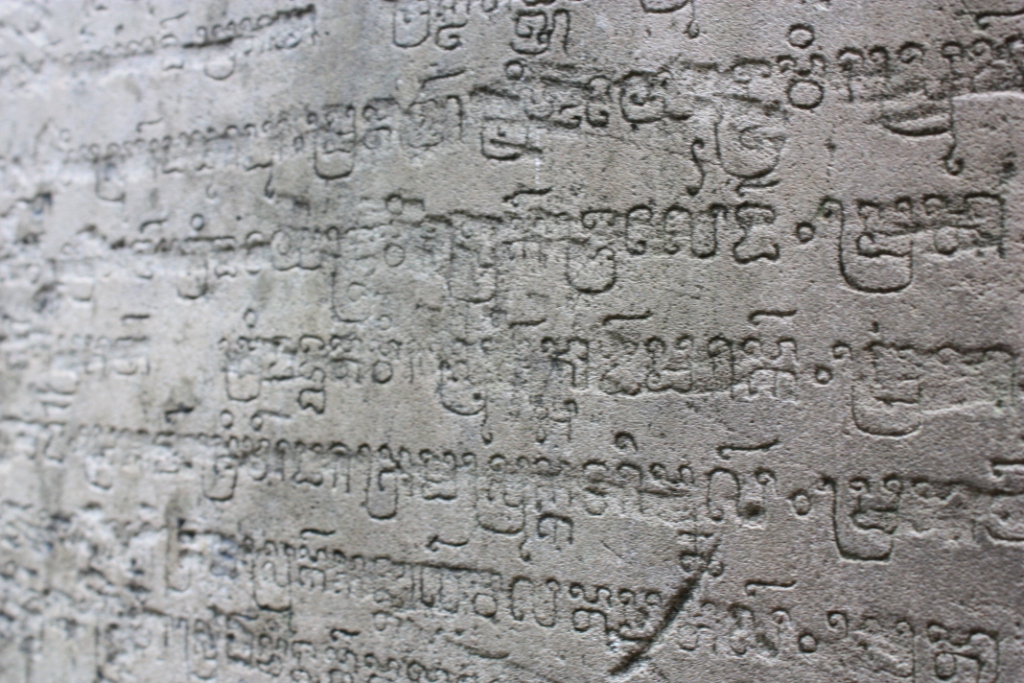
Phimeanaka writings on the wall
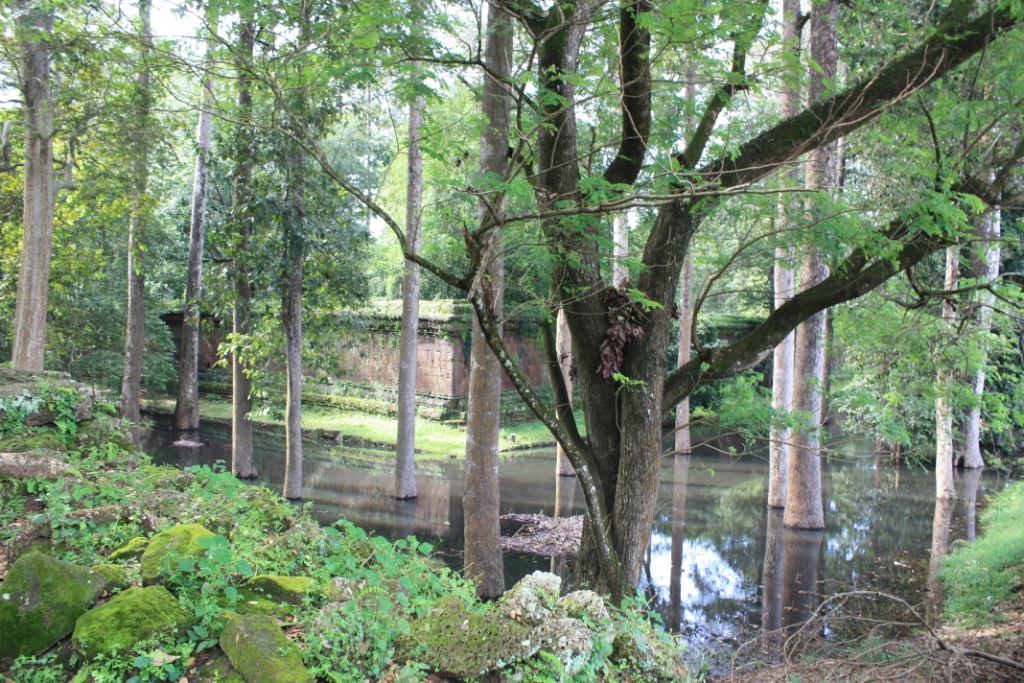
Baphuon
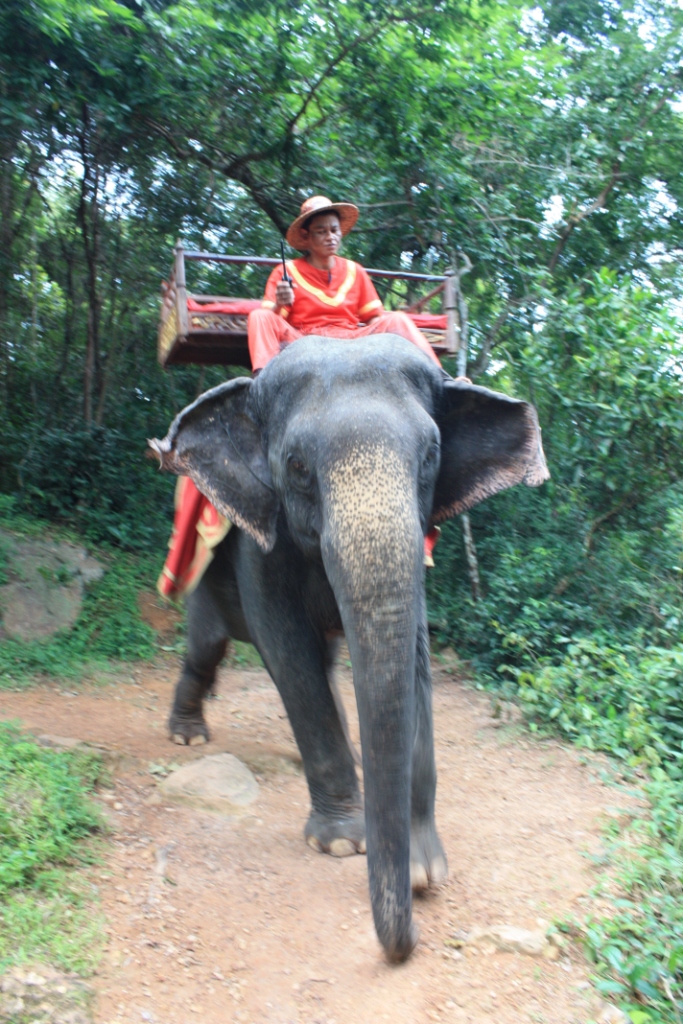
Elephant on the trail up to Phnom Bakhang
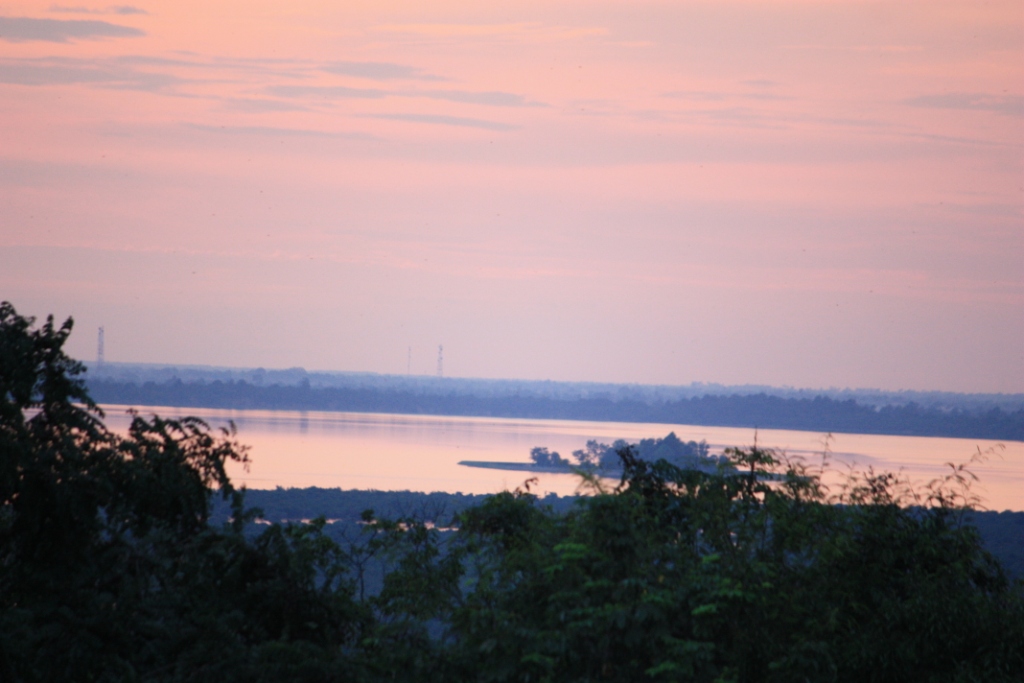
Sunset from Phnom Bakhang
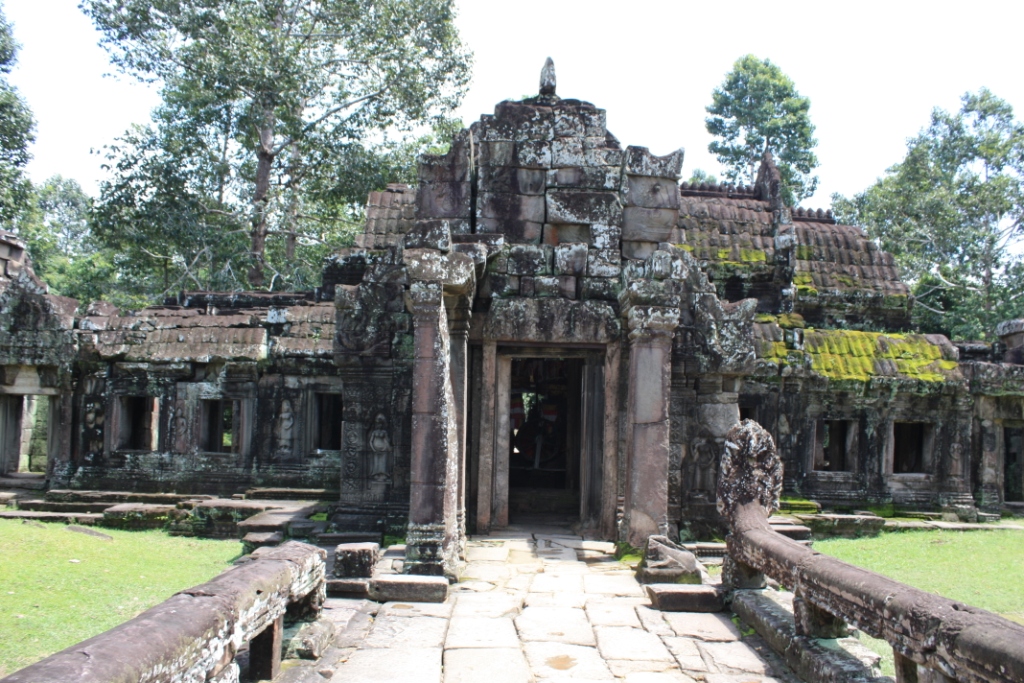
Bantey Kdei
I took these five years ago… how time flies. But, tis the season.
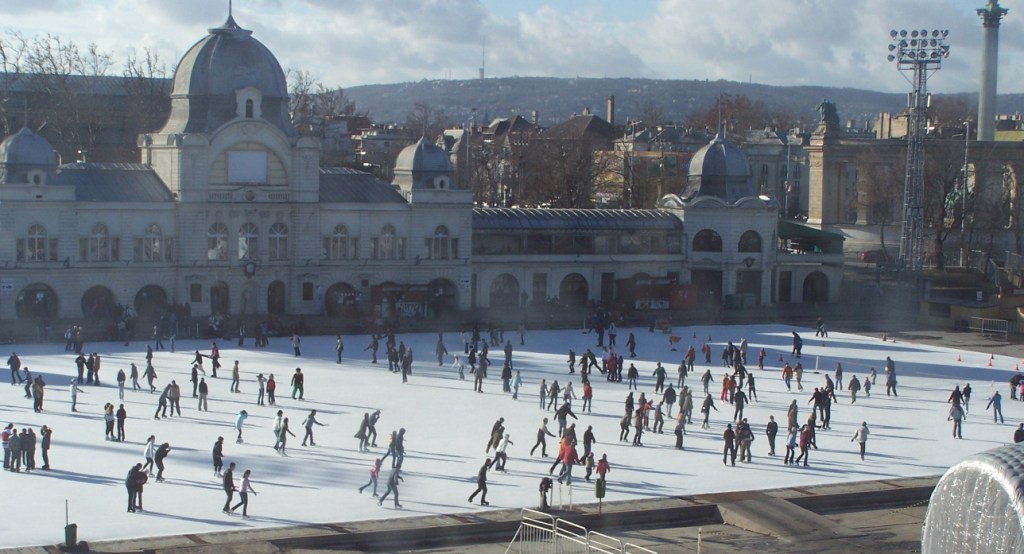
City Ice Rink next to the Vajdahunyad Castle
This has been one of the most popular pics on my photoblog as of late.
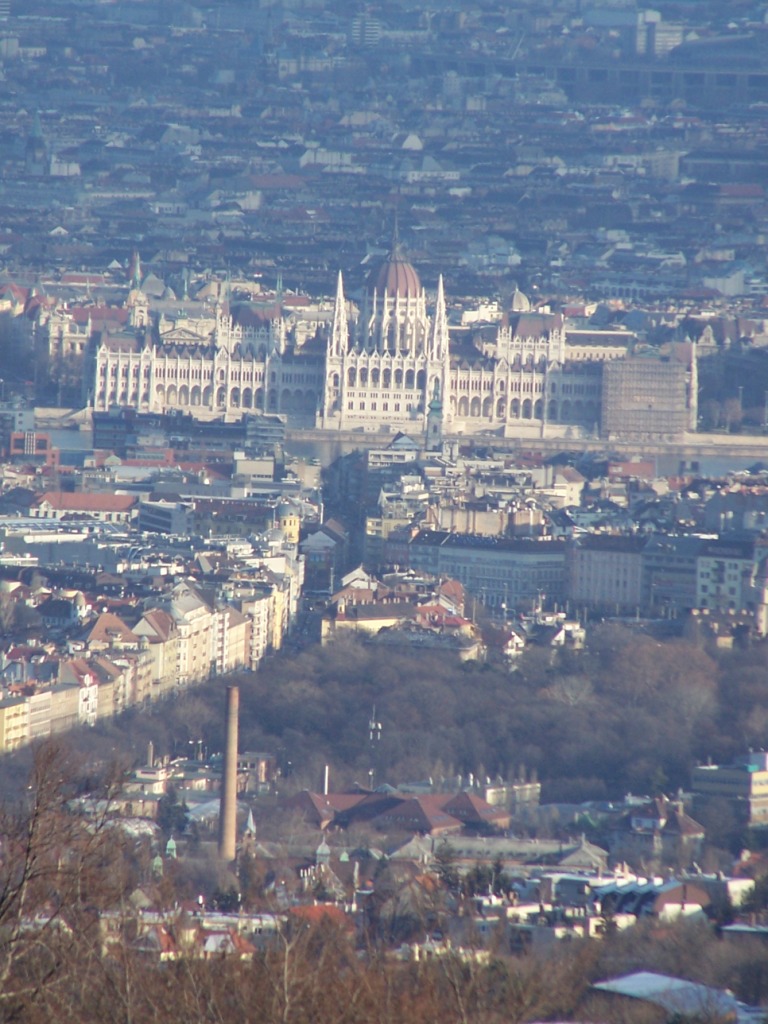
The Neo-Gothic Parliament building as seen from Normafa.
Normafa overlooks Budapest from atop of the hill. On this day the hilltop was dusted while there was not a trace of snow in Budapest.
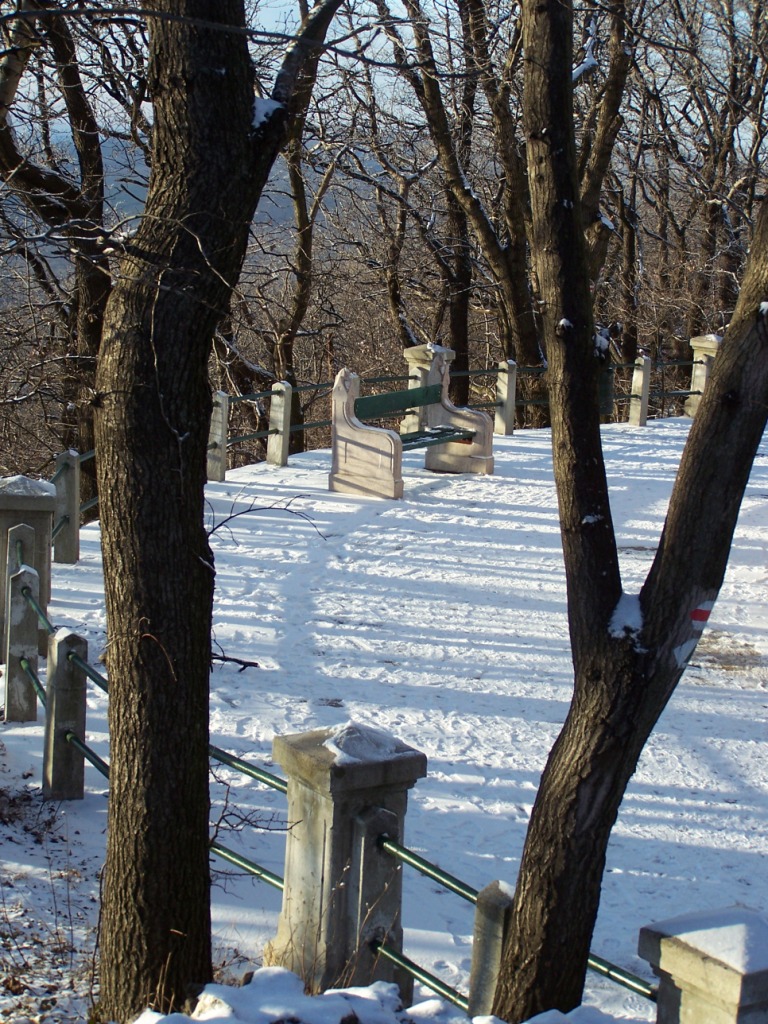
Normafa near the tower
The aforementioned dusting of snow written over by long shadows of winter.

A cross in the woods
A solitary cross and headstone next to the trail.
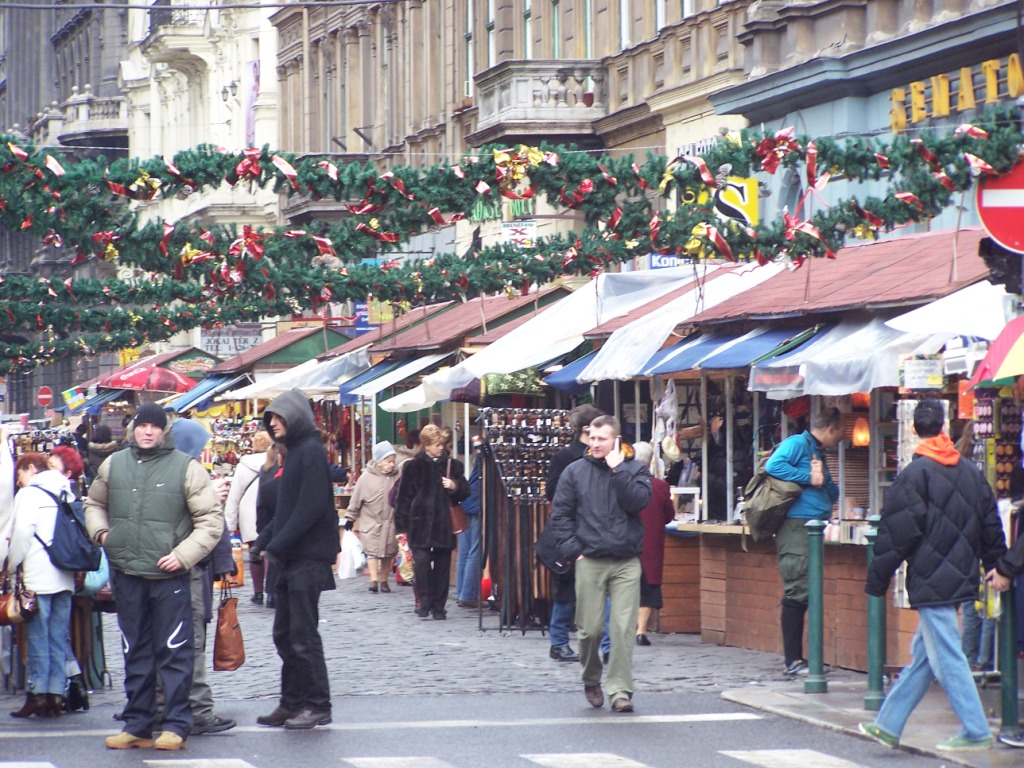
Winter markets
It wouldn’t be Budapest in winter without a shot of one of the markets. When it’s blustery and gray outside, the warm scent of roasting nuts or baked goods bring a smile to the face.
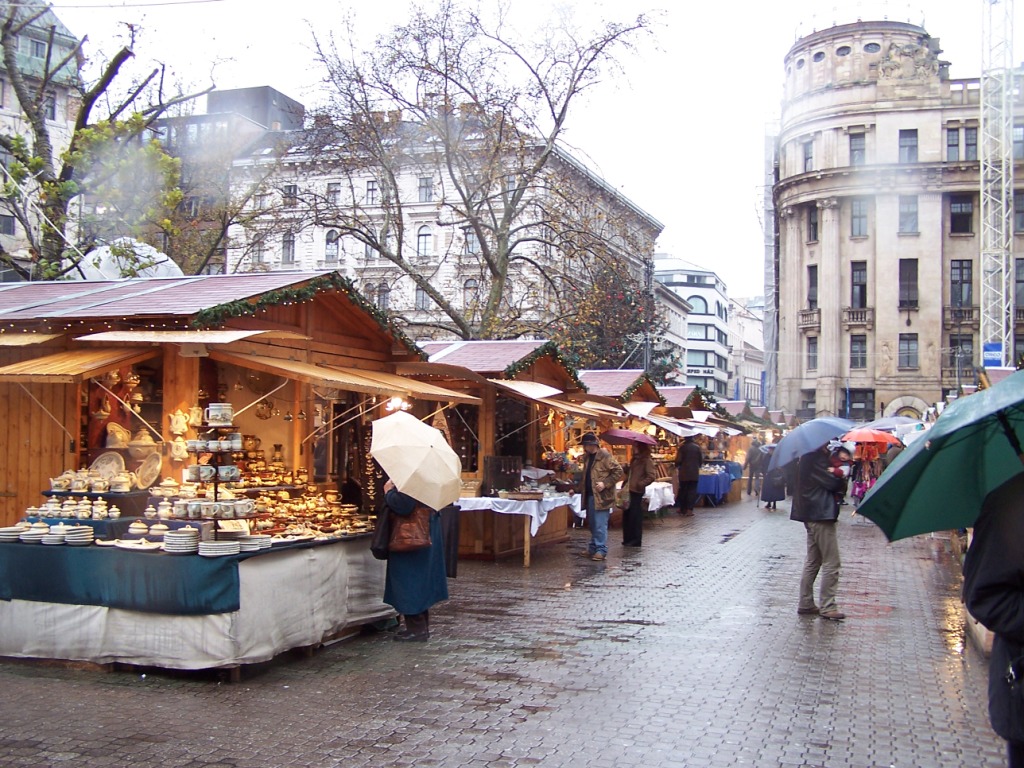
The big winter market at
Vörösmarty Square.