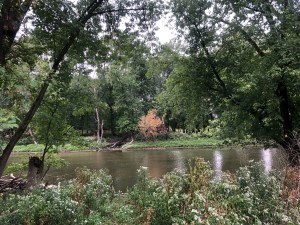
by the green river,
 one tree prematurely
  takes Fall colors.

by the green river,
one tree prematurely
takes Fall colors.
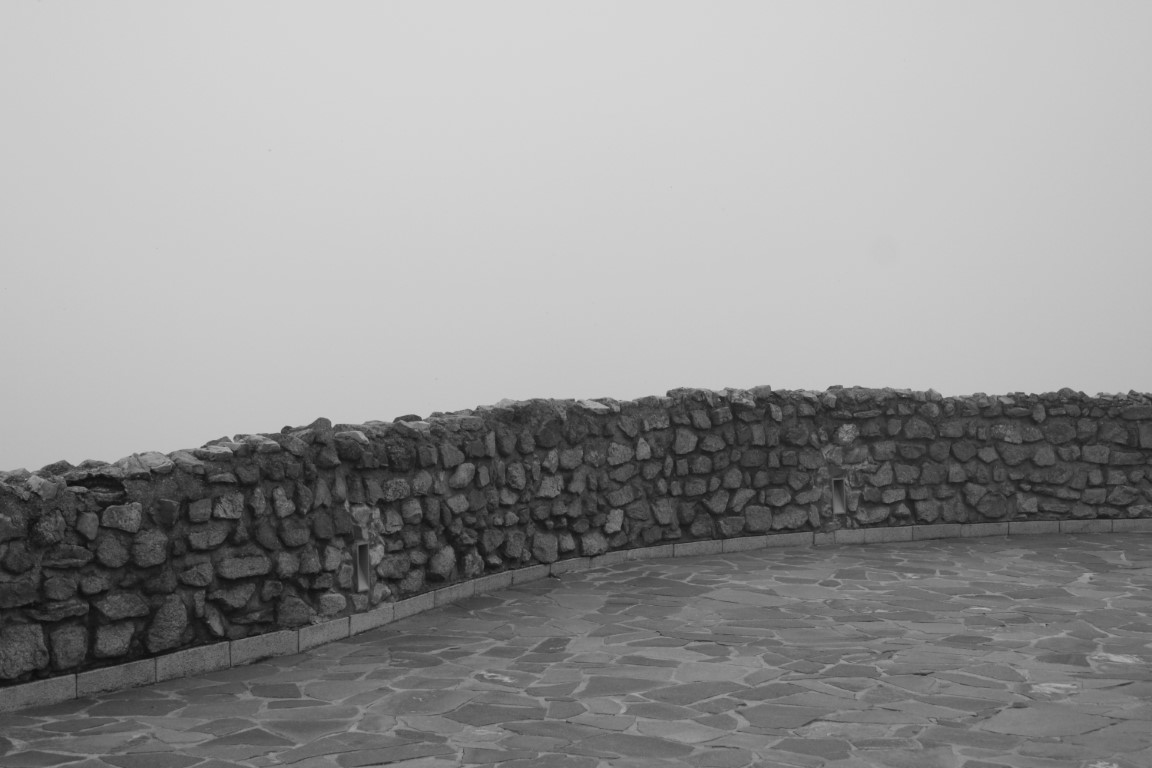
The fog comes
 on little cat feet.

It sits looking
 over harbor and city
  on silent haunches
 and then moves on.
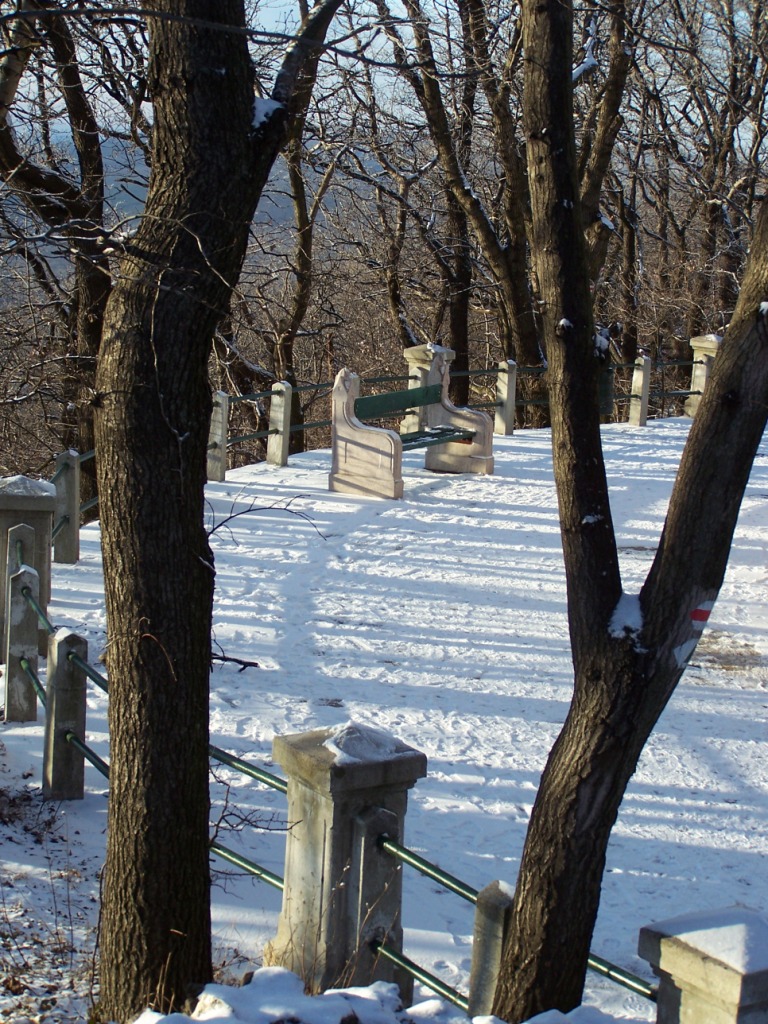
in the morning,
 a fresh blanket of snow
  makes the world look new.
 by day's end, it's well-trodden:
  a car driven off the lot.
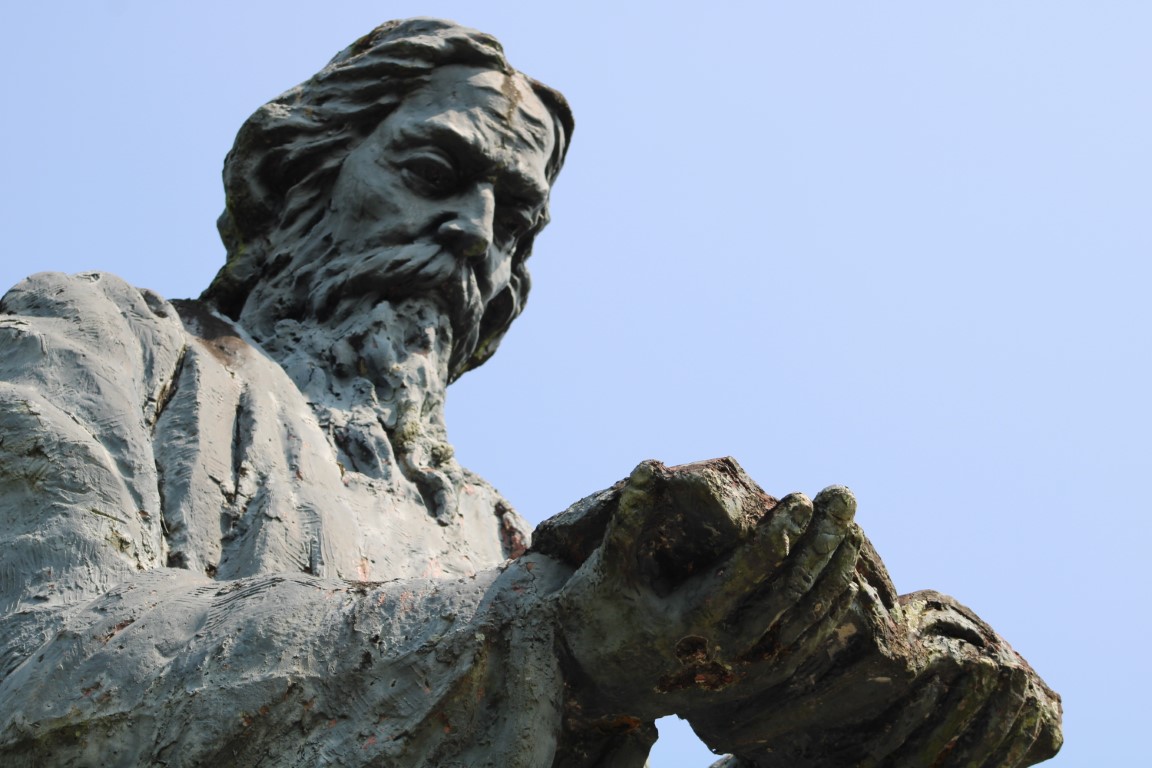
CHILD, how happy you are sitting in the dust, playing with a broken twig all the morning.

 I smile at your play with that little bit of a broken twig.

 I am busy with my accounts, adding up figures by the hour.

 Perhaps you glance at me and think, "What a stupid game to spoil your morning with!"

 Child, I have forgotten the art of being absorbed in sticks and mud-pies.

 I seek out costly playthings, and gather lumps of gold and silver.

 With whatever you find you create your glad games, I spend both my time and my strength over things I never can obtain.

 In my frail canoe I struggle to cross the sea of desire, and forget that I too am playing a game.
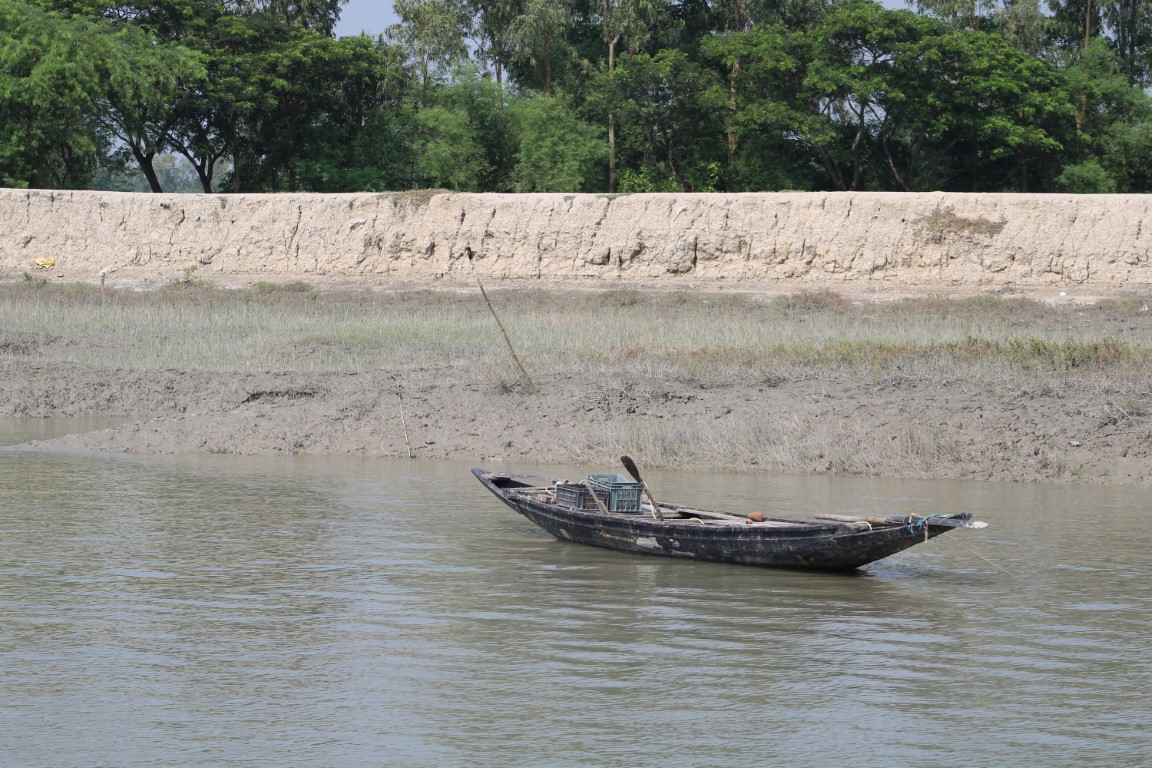
with taut anchor line,
 the fisherman's boat looks still
  in flowing waters.
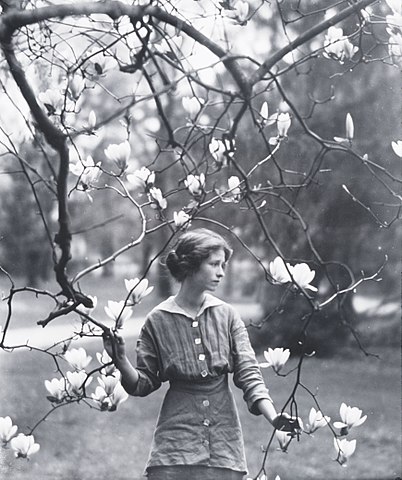
What lips my lips have kissed, and where, and why
   I have forgotten, and what arms have lain
 Under my head till morning; but the rain
   Is full of ghosts tonight, that tap and sigh
 Upon the glass and listen for reply,
   And in my heart there stirs a quiet pain
 For unremembered lads that not again
   Will turn to me at midnight with a cry.

Thus in the winter stands the lonely tree,
   Nor knows what birds have vanished one by one,
 Yet knows its boughs more silent than before:
   I cannot say what loves have come and gone,
 I only know that summer sang in me
   A little while, that in me sings no more.
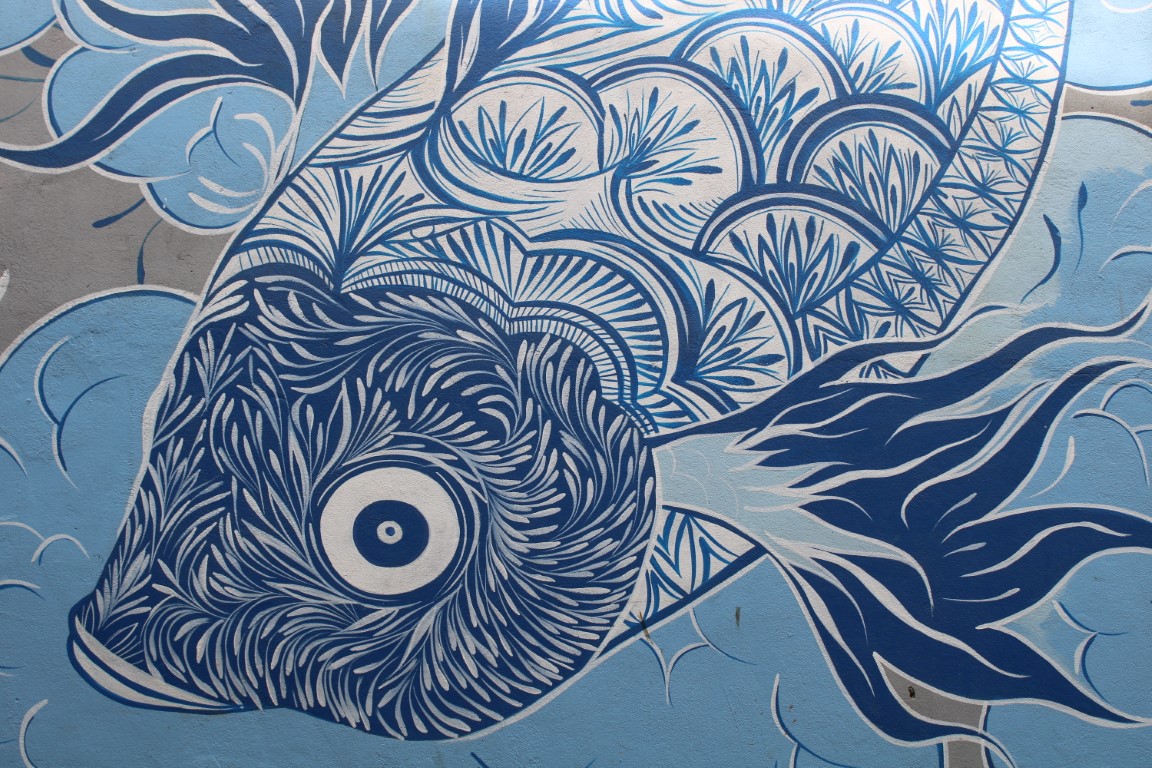
With lazy mazy motion
  the fish slips through
   its watery world.

With no apparent purpose
  but to trace out a route
   through dreamland.

Turning and turning in the widening gyre
   The falcon cannot hear the falconer;
 Things fall apart; the centre cannot hold;
   Mere anarchy is loosed upon the world,
 The blood-dimmed tide is loosed, and everywhere
   The ceremony of innocence is drowned;
 The best lack all conviction, while the worst
   Are full of passionate intensity.

Surely some revelation is at hand;
   Surely the Second Coming is at hand.
 The Second Coming! Hardly are those words out
   When a vast image out of Spiritus Mundi
 Troubles my sight: somewhere in sands of the desert
   A shape with lion body and the head of a man,
 A gaze blank and pitiless as the sun,
   Is moving its slow thighs, while all about it
 Reel shadows of the indignant desert birds.
   The darkness drops again; but now I know
 That twenty centuries of stony sleep
   Were vexed to nightmare by a rocking cradle,
 And what rough beast, its hour come round at last,
   Slouches toward Bethlehem to be born?
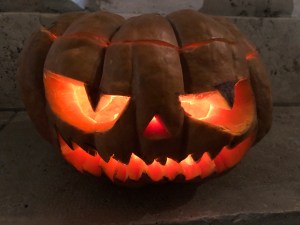
Orange orbs
   cut with fearful faces:
 Burning brightly
   - daily & nightly -
 As menacing medicine
   for the cringe-impaired,
 The ones who
   never get scared --
 unless a banal ball,
   blazing & brainless,
(and in a manner
   all but painless)
 replaced the head
  of their town's barber.