
Winter Wetlands [Haiku]

A photograph taken in Van de Graaff Park near the Tuscaloosa, Alabama airport.
ducks drift 
on frigid waters
in Winter wetlands.

Winter Stripe [Haiku]

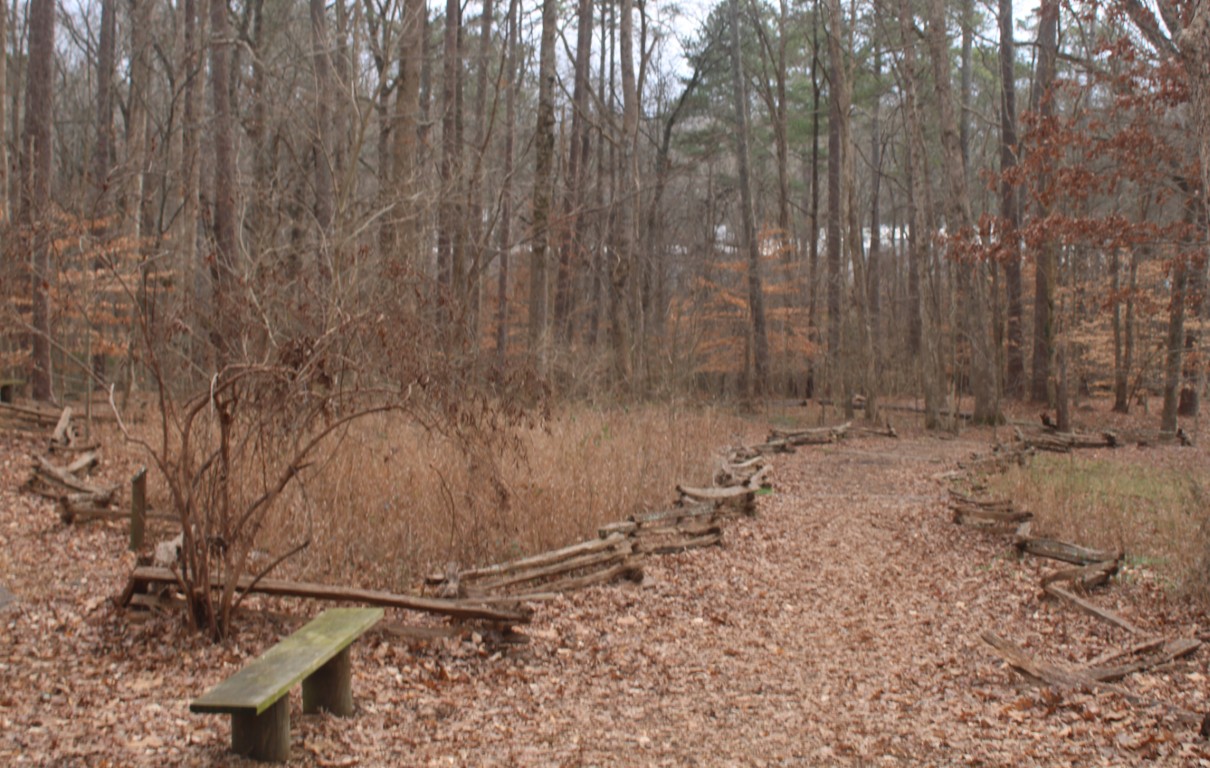
A photograph of the woods in Winter in Paces Mill National Park, Atlanta.
low Winter sun
stripes the forest floor
with long shadows.

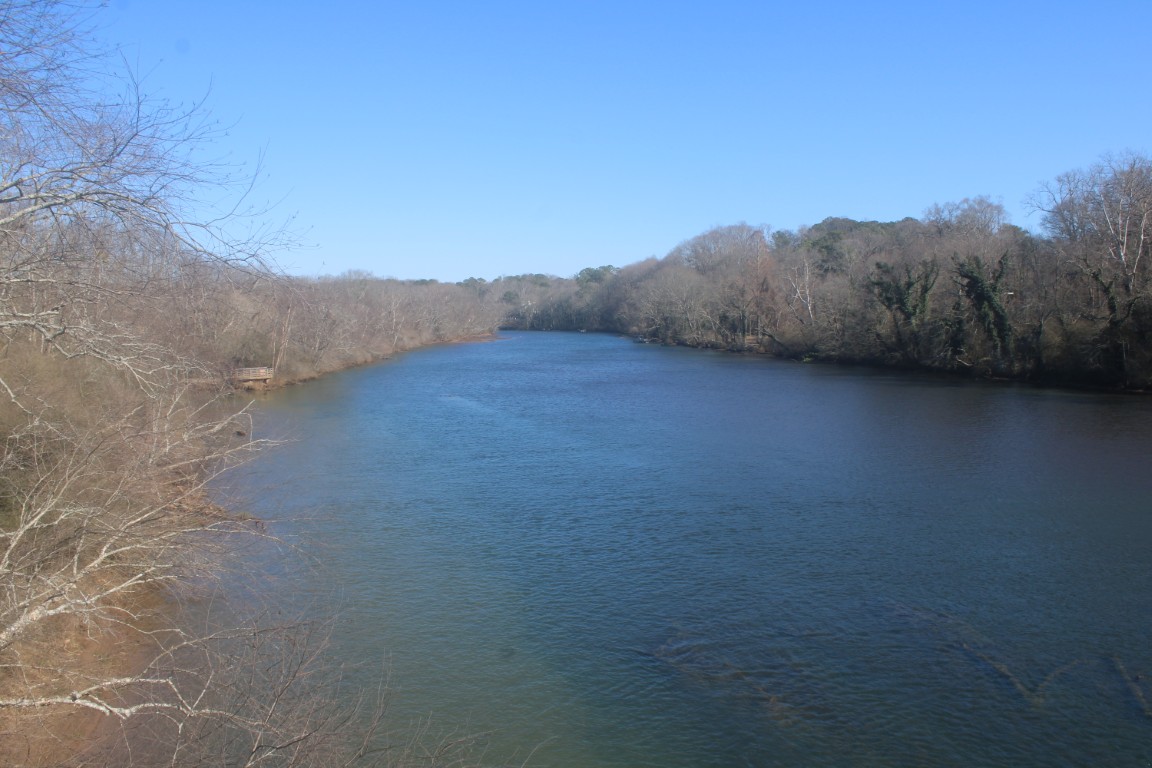
PROMPT: Chattahoochee River

The Chattahoochee River with stony protrusions in Paces Mill Park.
The Chattahoochee River from water's edge. Taken in Paces Mill Park.
The Chattahoochee River from the bank. Taken in Paces Mill Park.

Bobbing Ducks [Haiku]

Ducks at the edge of a pond at Audubon Park in New Orleans.
ducks jump off a ledge,
bobbing once in pond water,
and drift onward.

Soggy [Haiku]

Fallen leaves on the sidewalk after a rain.
fallen leaves, post-rain:
gauge the drizzle by
what crunch remains.

Autumn Grasshopper [Tanka]

A grasshopper hanging on a branch of desiccated leaves at the end of Autumn.
climbing grasshopper
clings to gently bouncing branch;
sure to fall
before the next crunchy leaf
succumbs to Autumn breezes.

DAILY PHOTO: Bayou Raccoons

Two racoons in the Louisiana bayou near Slidell.
Concerned Raccoons
A raccoon rounds the base of a tree and becomes aware of an alligator. Taken in the Louisiana bayou near Slidell.
Nope! Raccoon rounds the base of a tree to find an alligator.
Two raccoons wade into the water in the Louisiana bayou near Slidell.

BOOK: “Wildness” by Lydia Willsky-Ciollo

Wildness: Henry David Thoreau and the Making of an American TheologyWildness: Henry David Thoreau and the Making of an American Theology by Lydia Willsky-Ciollo
My rating: 4 of 5 stars

Publisher — University of Notre Dame Press

Release Date: March 1, 2026

Willsky-Ciollo argues in this book that Thoreau built a uniquely American theology with nature at its core, a theology that didn’t just draw on Greco-Roman philosophy and Abrahamic religion (as other schools of thought have) but also on Indian ideas of both the South Asian and Native American varieties. (The book speaks more extensively to the latter.)

For a scholarly work, this book is readable and doesn’t require jargon proficiency or any special academic background. I can’t say I found it compelling to think of Thoreau’s teachings as a theology (rather than a philosophy, or a strain of Transcendentalism.) That said, to someone outside the field, I don’t think that is a particularly interesting question, given that scholarly disciplines are inherently subjectively defined and prone to mutability. What’s more important to me is that I did gain numerous insights from this book, particularly regarding Thoreau’s unfinished final work Wild Fruits (which is discussed in some detail,) and Thoreau’s views on American Indians and their influence on his worldview.

If you’re interested in Thoreau, and looking for some insight that one might not gain from reading his most well-known works, this is a book well worth reading.

View all my reviews

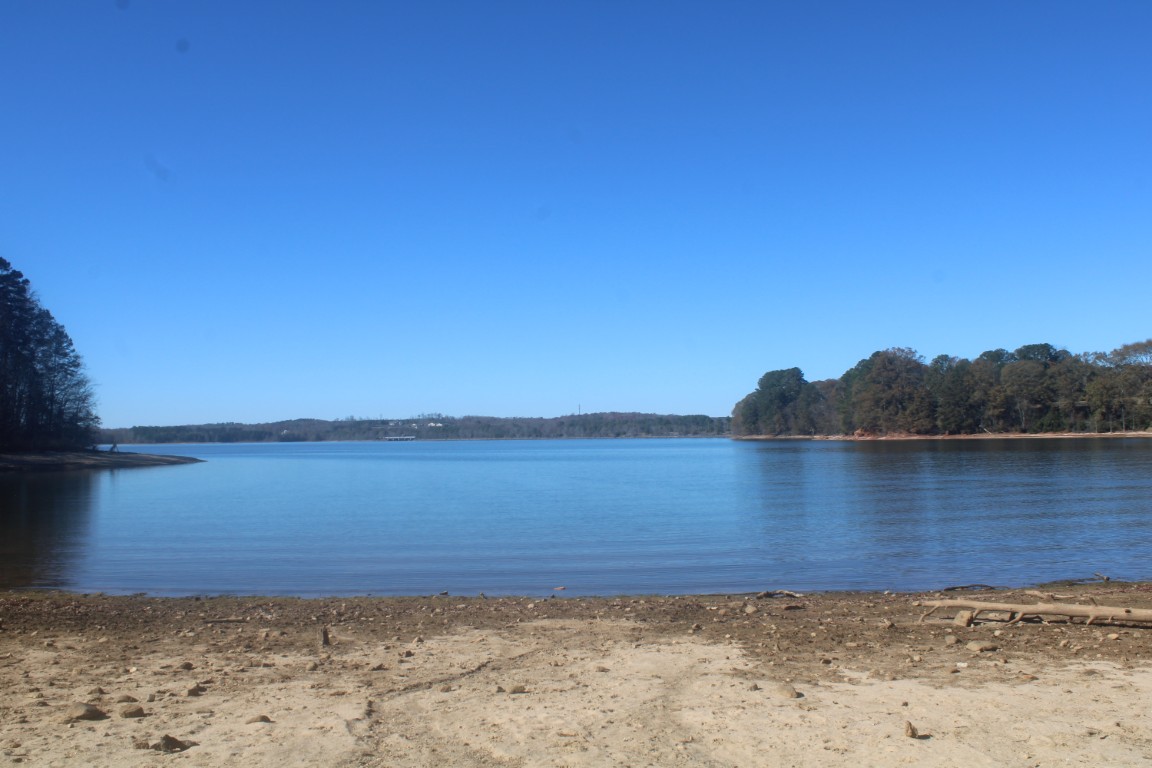
DAILY PHOTO: Chattahoochee River at Paces Mill

DAILY PHOTO: Van de Graaff Park, Tuscaloosa