My spirit is too weak -- mortality
   Weighs heavily on me like unwilling sleep,
   And each imagined pinnacle and steep
 Of godlike hardship tells me I must die
 Like a sick eagle looking at the sky.
   Yet 'tis a gentle luxury to weep
   That I have not the cloudy winds to keep
 Fresh for the opening of the morning's eye.
 Such dim-conceived glories of the brain
   Bring round the heart an undescribable feud;
 So do these wonders a most dizzy pain,
   That mingles Grecian grandeur with the rude
 Wasting of old time--with a billowy main --
   A sun--a shadow of a magnitude.
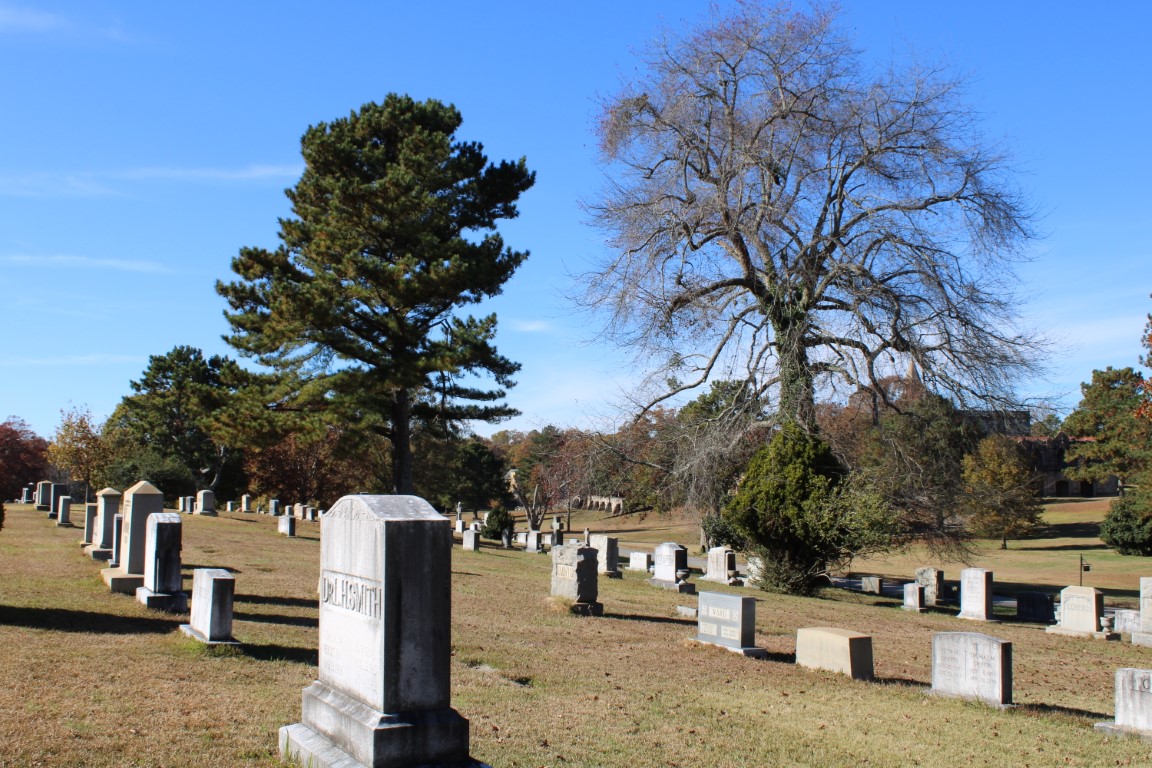
Nuns fret not at their convent's narrow room;
  And hermits are contented with their cells;
  And students with their pensive citadels;
  Maids at the wheel, the weaver at his loom,
 Sit blithe and happy; bees that soar for bloom,
  High as the highest Peak of Furness-fells,
  Will murmur by the hour in foxglove bells:
  In truth the prison, into which we doom
 Ourselves, no prison is: and hence for me,
  In sundry moods, 'twas pastime to be bound
  Within the Sonnet's scanty plot of ground;
  Pleased if some Souls (for such there needs must be)
 Who have felt the weight of too much liberty,
  Should find brief solace there, as I have found.
He thought he saw an Elephant,
   That practised on a fife:
 He looked again, and found it was
   A letter from his wife.
 "At length I realize," he said,
   "The bitterness of Life!"

He thought he saw a Buffalo
   Upon the chimney-piece:
 He looked again, and found it was
   His Sister's Husband's Niece,
 "Unless you leave this house," he said,
    "I'll send for the Police!"

He thought he saw a Rattlesnake
   That questioned him in Greek:
 He looked again, and found it was
   The Middle of Next Week.
 "The one thing I regret," he said,
   "Is that it cannot speak!"

He thought he saw a Banker's Clerk
   Descending from the 'bus:
 He looked again, and found it was
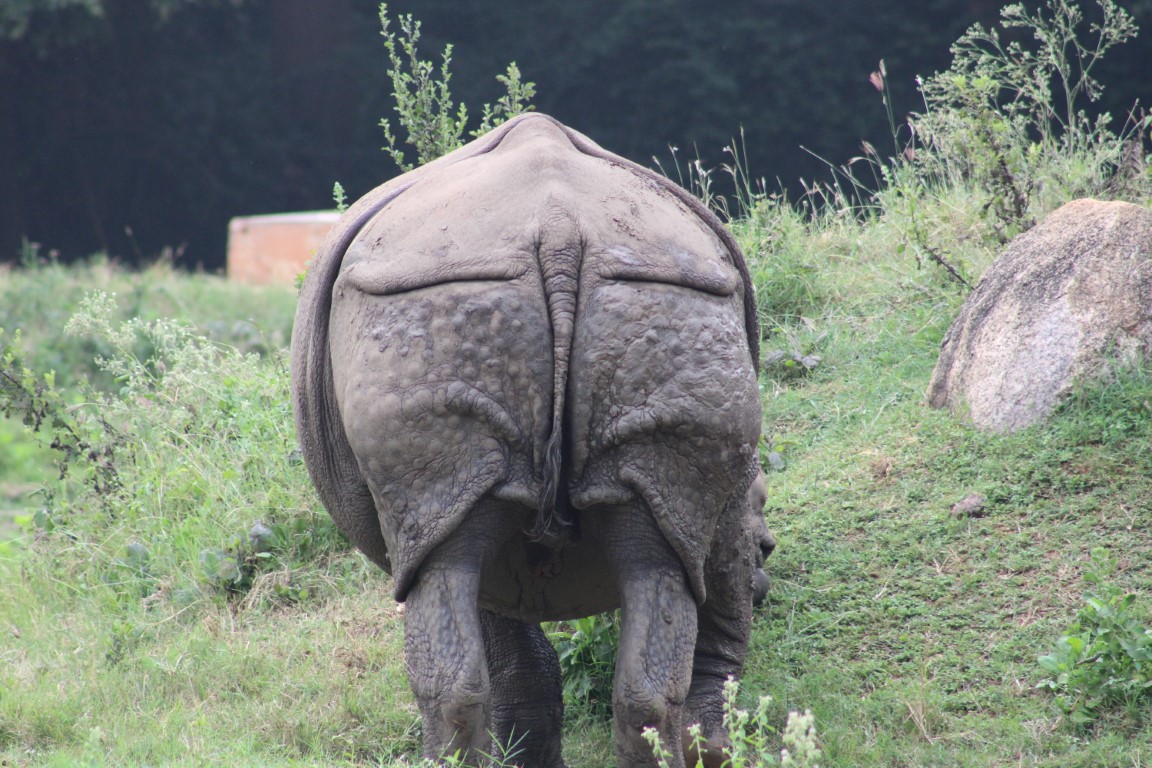
   A Hippopotamus.
 "If this should stay to dine," he said,
   "There won't be much for us!"

He thought he saw a Kangaroo
   That worked a coffee-mill:
 He looked again, and found it was
   A Vegetable-Pill.
 "Were I to swallow this," he said,
   "I should be very ill!"

He thought he saw a Coach-and-Four
   That stood beside his bed:
 He looked again, and found it was
   A Bear without a Head.
 "Poor thing," he said, "poor silly thing!
   It's waiting to be fed!"

He thought he saw an Albatross
   That fluttered round the lamp:
 He looked again, and found it was
   A Penny-Postage-Stamp.
 "You'd best be getting home," he said,
   "The nights are very damp!"

He thought he saw a Garden-Door
   That opened with a key:
 He looked again, and found it was
   A Double Rule of Three:
 "And all its mystery," he said,
   "Is clear as day to me!"

He thought he saw an Argument
   That proved he was the Pope:
 He looked again, and found it was
   A Bar of Mottled Soap.
 "A fact so dread," he faintly said,
   "Extinguishes all hope!"
Four Seasons fill the measure of the year;
   There are four seasons in the mind of man:
 He has his lusty Spring, when fancy clear
   Takes in all beauty with an easy span:
 He has his Summer, when luxuriously
   Spring's honied cud of youthful thought
     he loves
 To ruminate, and by such dreaming high
   Is nearest unto heaven: quiet coves
 His soul has in its Autumn, when his wings
   He furleth close; contented so to look
 On mists in idleness -- to let fair things
   Pass by unheeded as a threshold brook.
 He has his Winter too of pale misfeature,
 Or else he would forego his mortal nature.
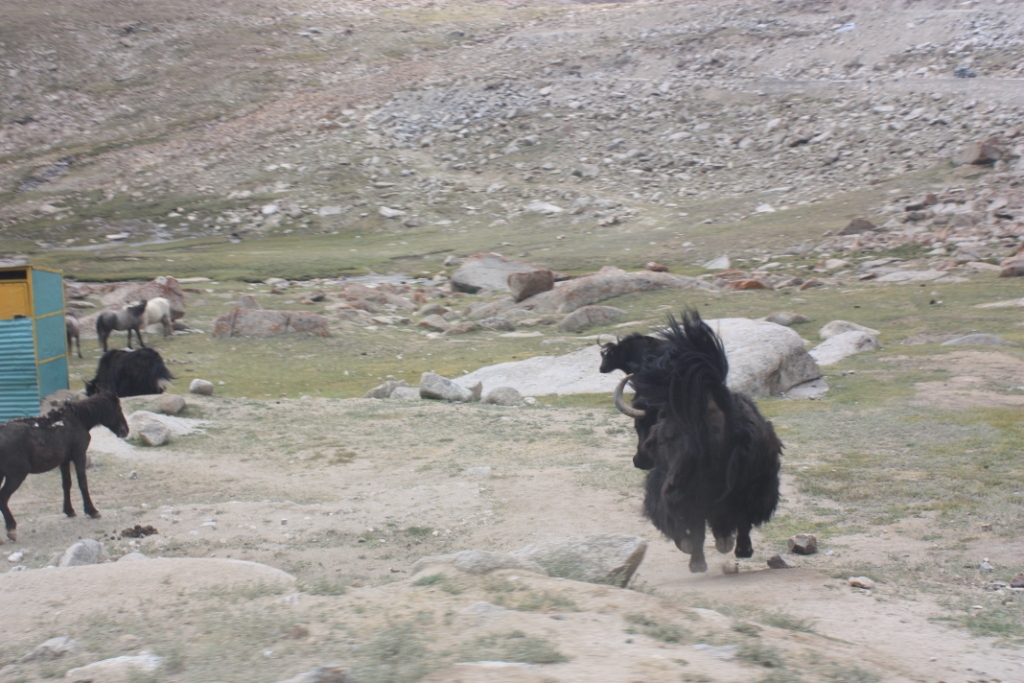
As a friend to the children commend me the Yak.
 You will find it exactly the thing:
 It will carry and fetch, you can ride on its back,
 Or lead it about with a string.

The Tartar who dwells on the plains of Thibet
   (A desolate region of snow)
 Has for centuries made it a nursery pet,
 And surely the Tartar should know!

Then tell your papa where the Yak can be got,
 And if he is awfully rich
 He will buy you the creature -- or else he will not.
   (I cannot be positive which.)
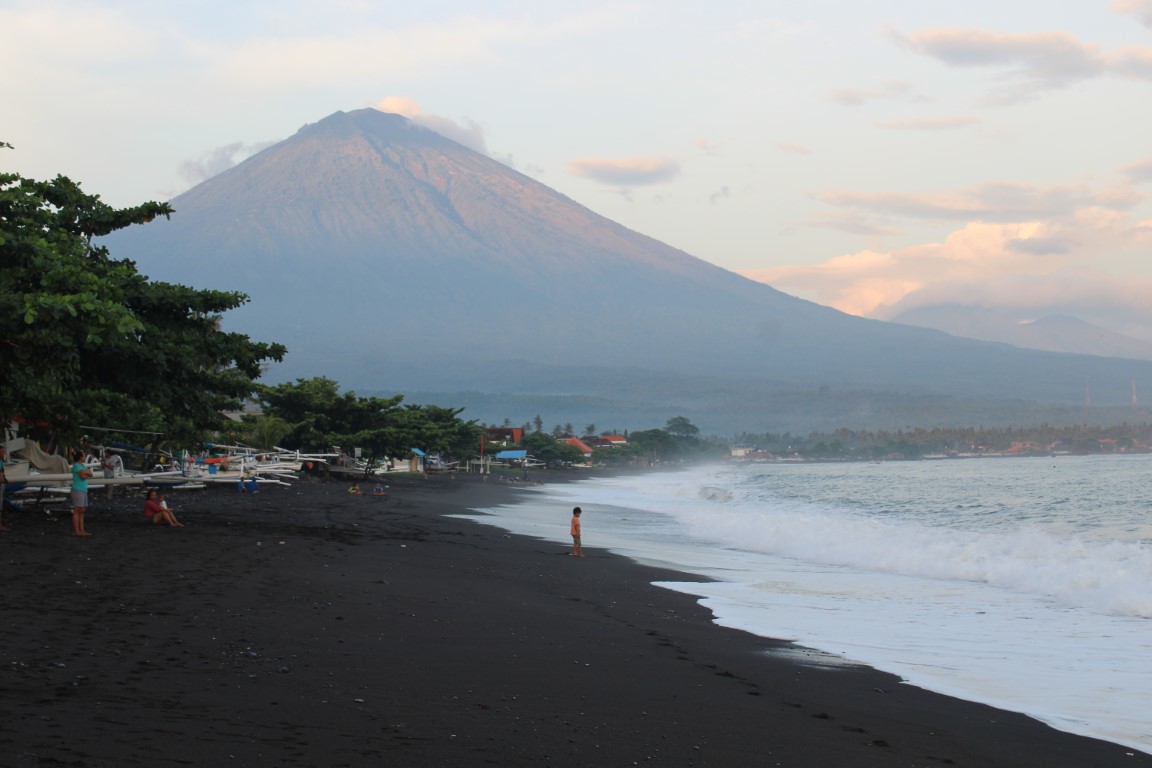
Round the cape of a sudden came the sea,
  And the sun looked over the mountain's rim:
  And straight was a path of gold for him,
 And the need of a world of men for me.
That time of year thou mayest in me behold
  When yellow leaves, or none, or few, do hang
  Upon those boughs which shake against the cold,
  Bare ruined choirs, where late the sweet birds sang.
 In me though seest the twilight of such day
  As after sunset fadeth in the west,
  Which by and by black night doth take away,
  Death's second self, that seals up all in rest.
 In me thou seest the glowing of such fire
  That on the ashes of his youth doth lie,
  As the death-bed whereon it must expire,
  Consumed with that which it was nourished by.
     This thou perceiv'st, which makes thy love more strong,
     To love that well, which thou must leave ere long.
The quality of mercy is not strained;
 It droppeth as the gentle rain from heaven
   Upon the place beneath. It is twice blest;
 It blesseth him that gives and him that takes:
 'T is mightiest in the mightiest; it becomes
   The throned monarch better than his crown;
 His sceptre shows the force of temporal power,
 The attribute to awe and majesty,
 Wherein doth sit the dread and fear of kings;
 But mercy is above this sceptred sway;
 It is enthroned in the hearts of kings,
 It is an attribute to God himself;
 And earthly power doth then show likest God's
 When mercy seasons justice.
   Therefore, Jew,
 Though justice be thy plea, consider this,
 That, in the course of justice, none of us
 Should see salvation: we do pray for mercy;
 And that same prayer doth teach us all to render
 The deeds of mercy. I have spoke thus much
   To mitigate the justice of thy plea;
 Which if thou follow, this strict court of Venice
 Must needs give sentence 'gainst the merchant there.
From The Merchant of Venice (Act IV, Scene I.) Spoken in a court of law by Portia while she is disguised as a lawyer, Balthazar.