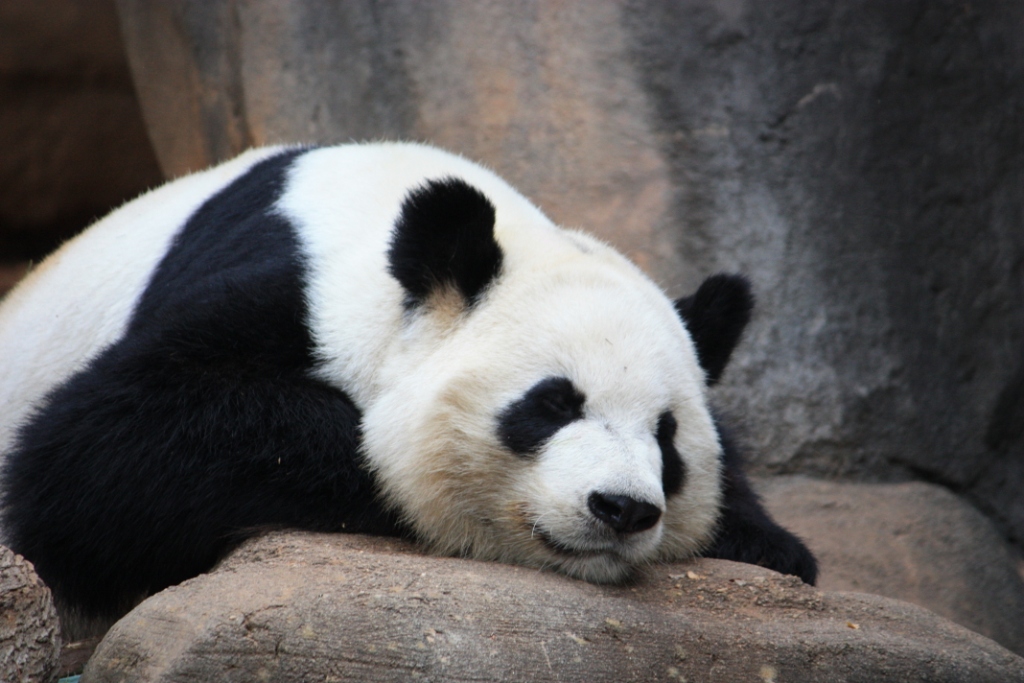
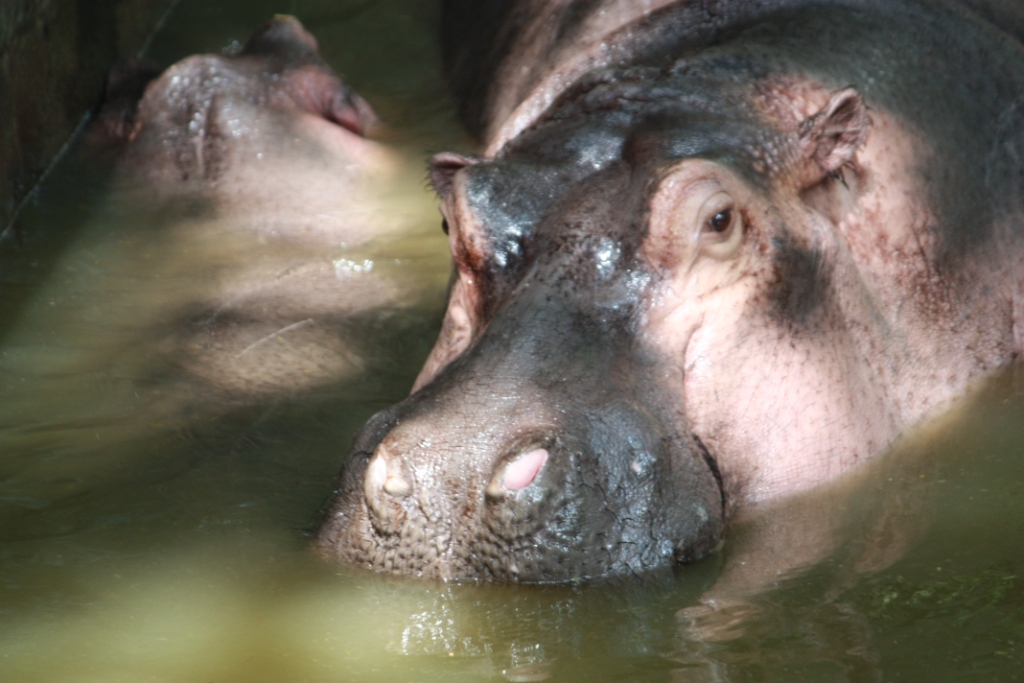
Snake
Part of the most basic of basics that I’m learning in Kalaripayattu class are 8 animal poses (Wild Boar, Elephant, Cat, Lion, Snake, Rooster, Peacock, and Horse.) While animal forms and postures are common enough in martial arts, this is an entirely new concept to me and one that I’m trying to wrap my head around.
Animal forms are most commonly associated with Chinese Kungfu. There are entire styles devoted to five animals (i.e. tiger, leopard, crane, snake, and dragon [yes, I realize dragons aren’t really animals.] Of course, from Kungfu Panda we know there are also Monkey style and Mantis style, but that’s only just the beginning. There are many different animals that play a role in martial arts, some–like tigers–are not unexpected and others–like peacocks–are harder to imagine.
As I’ve mentioned before, old style Japanese martial arts–at least the one’s I’ve studied–invoke nature commonly, but in a more subtle form. In Japanese budō one does not imitate animal movement or positioning–except in a very limited and general sort of way.
I’m interested in why one should imitate the postures or movement of animals. After all, it’s hard to argue that a human being can move more efficiently or effectively imitating a [non-human] animal. We are uniquely bipedal mammals, and to imitate–for example–a legless reptile (for example) doesn’t seem to make a lot of sense.
One explanation I’ve heard is that these animals are natural fighters, and are, therefore, to be emulated. I don’t put a lot of stock in this explanation. Don’t get me wrong, I do believe that humans are less naturally capable of close-quarters fighting than pretty much any other animal. But it’s got nothing to do with the nature of our bodies and everything to do with the condition of our minds. Humans are emotional beasts and have trouble living in the moment. That’s why we aren’t natural fighters compared to a tiger–which doesn’t get paralyzed by fear, doesn’t get plagued by guilt, and never walks through dangerous territory with iPod earbuds in its ear, thinking about how it needs to update its Facebook page. Humans excel at making weapons that allow us to stay as far away from the enemy as possible–preferably on another continent. But close-quarters combat is an uphill struggle all the way.

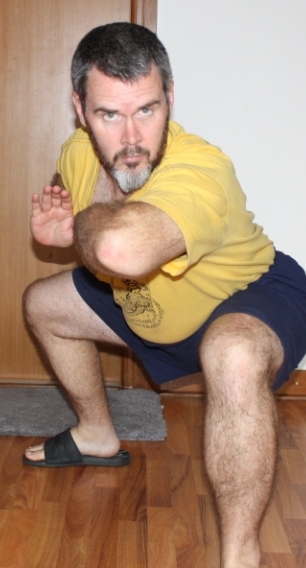
Wild Boar
There is an explanation that I find to be more sound, and that’s that these postures are meant to facilitate a certain mindset. Just as people condition themselves to associate certain hand mudra with certain states of mind (I know that’s not necessarily how they see it), one may use these postures to invoke a certain state of mind. This is somewhat related to what I was discussing in the preceding paragraph. Human’s are challenged to get into the right frame of mind for combat, and animal forms and postures might be one way to hasten that state. For humans there are two aspects of the problem. First, people are naturally scared of being injured or killed, and for many this becomes debilitating. Second, except some psychopaths, humans really don’t like to kill. This is true of other species by the way, we are genetically hardwired against killing our own kind. However, other animals can’t worry about it like us. (Here I mean worry in the sense that W.R. Inge described, “Worry is interest paid on trouble before it comes due.”)
Another explanation that I think has some merit is that some of these poses and forms are more about the exercise than combat effectiveness. In essence, they are like yoga; they build range of motion and strength in core muscles. One can certainly see this in the exceedingly low animal stances that require a great deal of flexibility.
The only other reason that’s popped to mind is that animal imitation is used to try to create a feeling (e.g. fear) in one’s opponent. This is closely related to the first point. One wants to create a perception of ferocity (or otherwise) in the eyes of the opponent as well as internally.
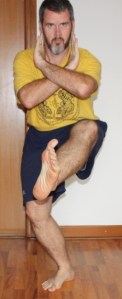
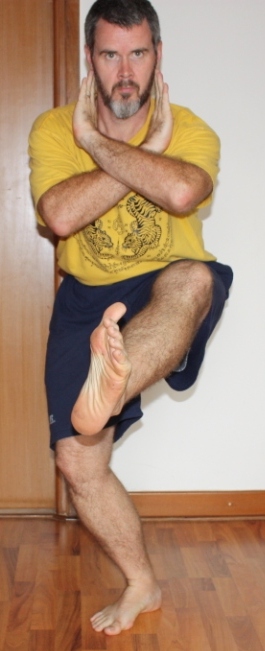
Rooster
Share on Facebook, Twitter, Email, etc.