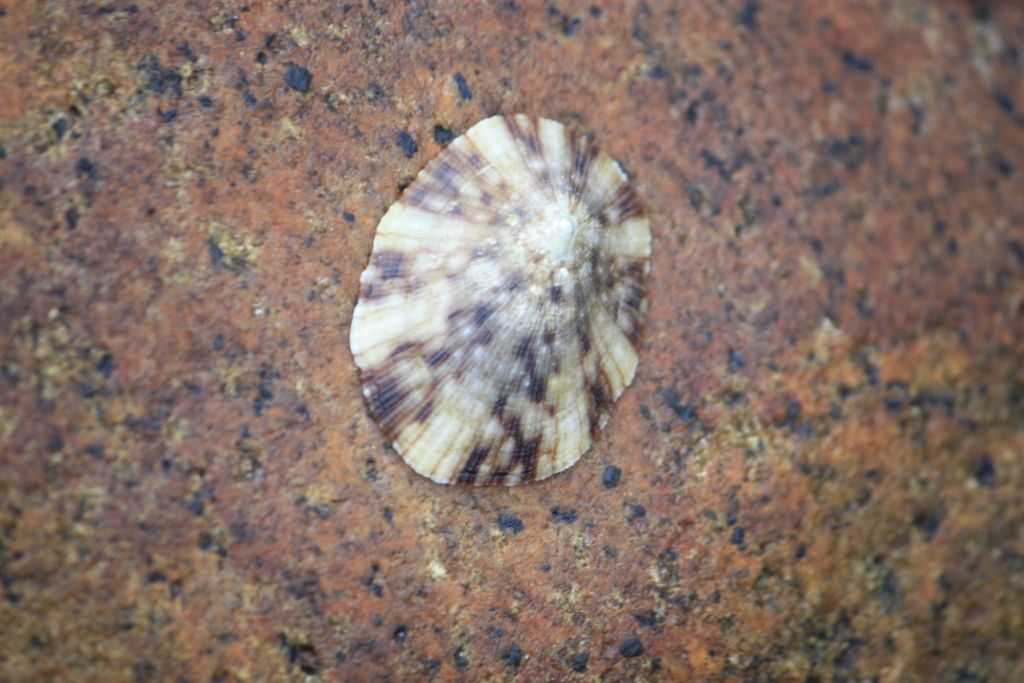
Taken in January of 2014 at Naiharn on Phuket
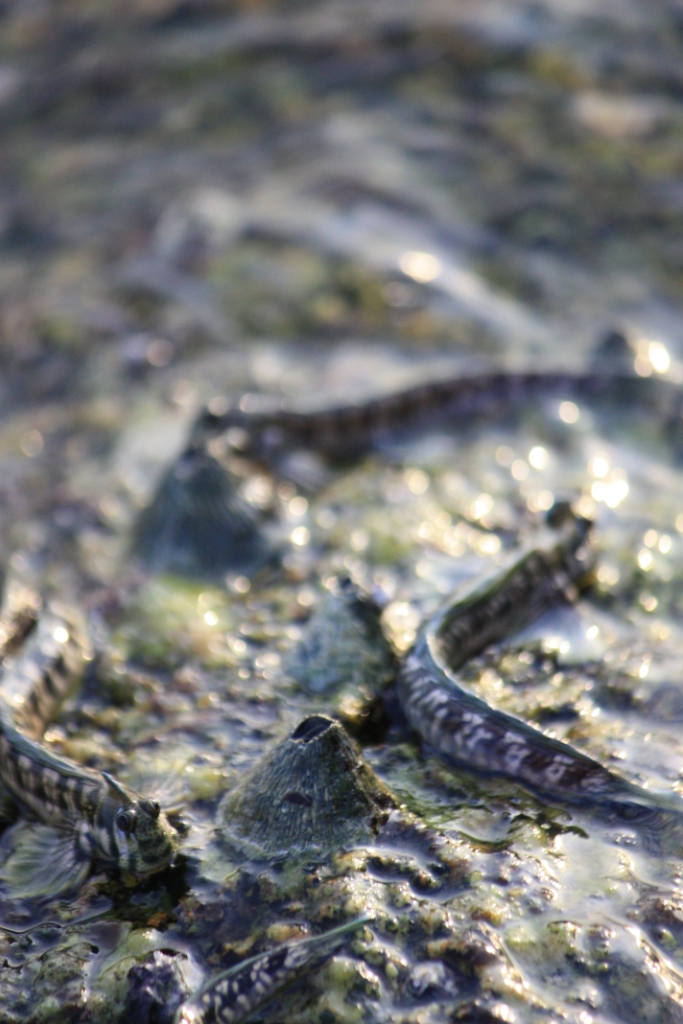

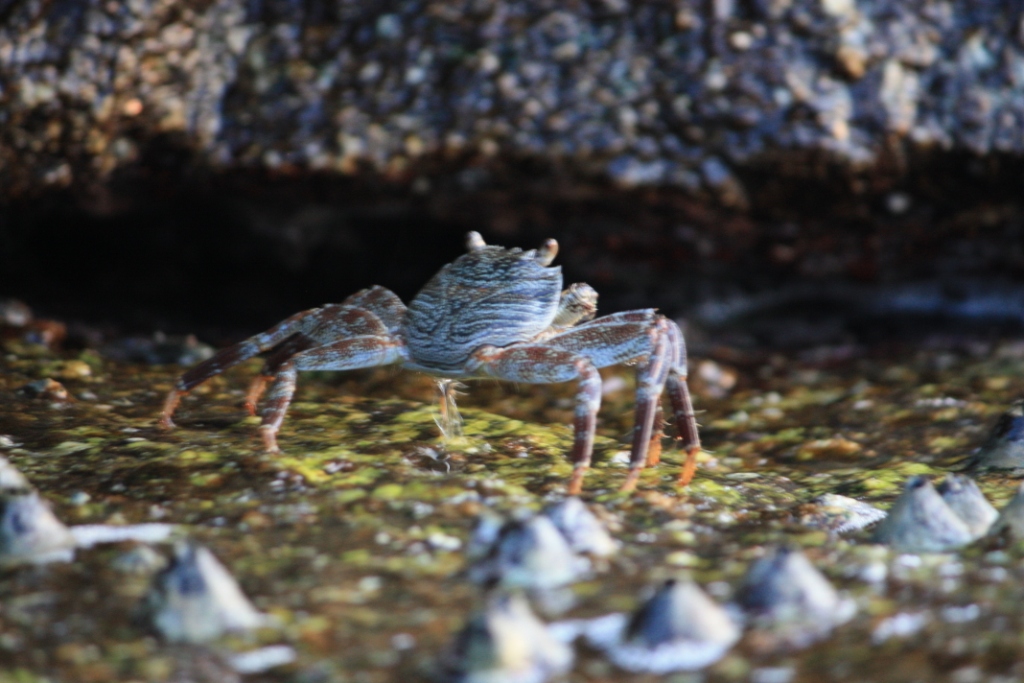


Taken in July of 2009 on Isla Mujeres at Tortugranja
Tortugranja is a turtle sanctuary on Isla Mujeres (Island of Women) in Mexico. Seahorses are not actual horses.

Taken in July of 2010 in Cuzco, Peru.

Taken in July 2010 in the Peruvian Andes

Taken in December of 2014 in Budapest in the City Park (Városliget)
I watched this little dog carry this stick across Budapest’s City Park. He set it down once, or maybe twice, to regrip it in its teeth, but otherwise it kept trotting along. The stick was about 1.5 times the dog’s length and about the diameter of a woman’s wrist.
The expression goes, “Don’t bite off more than you can chew,” but I applaud that this puppy was willing to shoot for the stars.

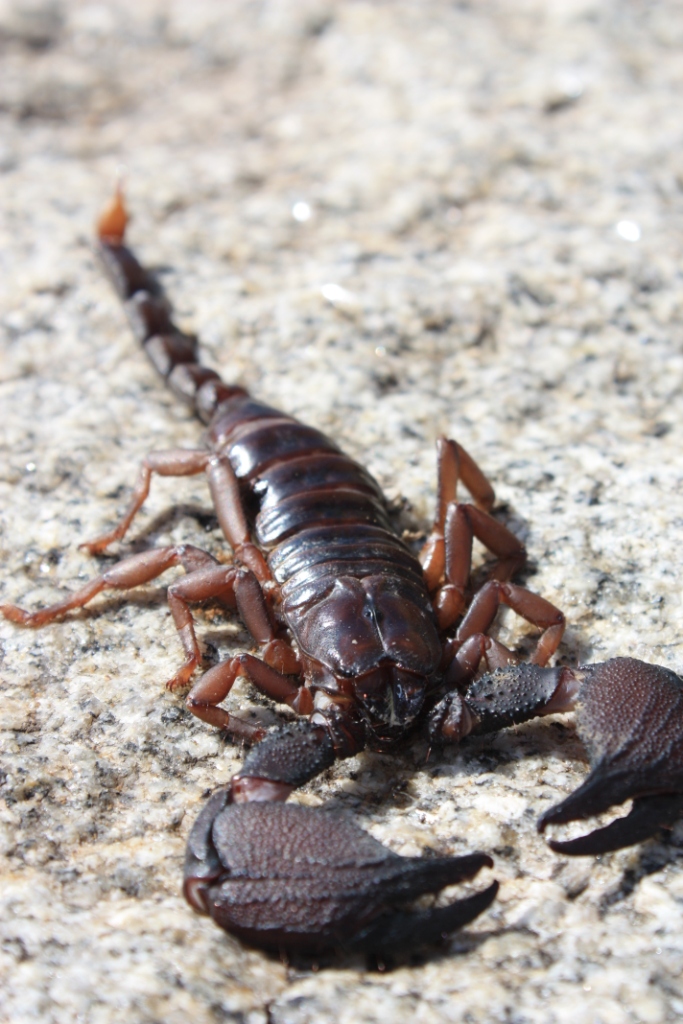
Taken in November of 2013 at Hampi
This dead scorpion was sitting on some stonework at the Achyutaraya Temple.
Taken in the July of 2014 near Chamarajanagar.

This fake rat is kind of big, but if you asked me how it differed from real Indian rats, I’d have to say the bling. Real Bengaluru rats aren’t ostentatious, and rarely wear jewelry.
Occasionally, I will see a rat–usually the carcass thereof–that makes me exclaim… Duh-uh-AAAaaammmmm! They often look like beavers, sans the distinctive paddle-tail, but with a whip-like, hairless rat tail in its place.
These sightings have raised some intriguing questions:
The first question is for any biologists or geneticists who–quite improbably–might read this post. Is it possible for the offspring of an English Bulldog and a Norwegian Rat to survive? If so, I’m pretty sure that I’ve seen one. If I find out where it lives, will they name it after me? Can I pay them not to?
The second question is for statisticians–particularly bio-statisticians. Let’s say that 95 percent of rats successfully live their lives underground, in walls, and out of sight. Let’s further say that I’ve seen a rat that was 1.5 feet long and 0.75 feet wide. Is it possible to calculate how large the biggest statistically likely rat would be. I’m thinking, lurking somewhere in the sewers, there is a three-foot long and foot-and-a-half wide ratzilla–probably chomping on a cigar and belching occasionally.
The third question is for an ecologist. I know that cats and other predators will attack–often successfully–prey that are larger than they are. However, given the freakish disparity in sizes that we are seeing, will the existing ecological order be overturned, and to what effect? Bangalorean cats are about the same size as American cats, but Bangalorean rats are about the size of American pigs–not the cute little pot-bellied variety but rather the kind that take a blue ribbon at a 4H County Fair. I know humans were once primarily prey, and only quite recently became dominant predators. This worries me because I know that humanity’s prey-like predilection to be scared of everything, combined with its unprecedented predatory weapon set, has fucked up the world but good. I can only image what a rat would do with a hydrogen bomb.
The fourth question for a rat neurologist. Are rats really that much smarter than turtles? I know the Teenage Mutant Ninja Turtles follow their Rat Sensei unquestioningly. I googled it. Rats live about 1 year and turtles can live to be about 40. So Splinter must have learned much faster in addition to being much smarter.
OK, the last one was not a serious question (but it’s a serious plot-hole for TMNT), but I do have one last question for the general public.
Which do you find more disturbing: a.) when you see a single mammoth rat? or b.) when you see an elaborate Vietcong-style series of tunnel openings and you know there is a billion rat army wriggling all over each other just centimeters below your feet?
Please don’t think I’m anti-rat. I know that, while we fear the plague-infested rats, it was really the fleas that gave us the Black Plague. I also know there are places like Karni Mata Temple in Rajasthan where rats are treated deferentially. There are an estimate 20,000 rats living on the temple grounds.

Source: Wikipedia entry on Karni Mata Temple in Rajasthan.
I guess this raises one more question for a rat nutritionist. How come these rats, which are fed and cared for, don’t get huge like the one’s lurking in the back alleys of Bengaluru.

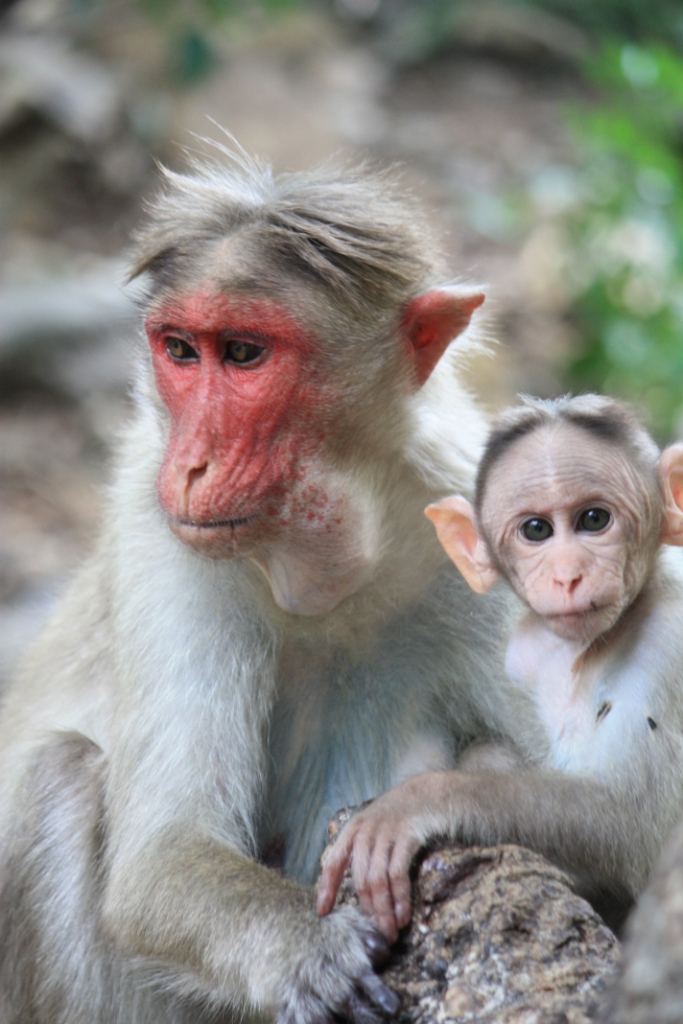
Taken in Fall of 2013 at Bannerghatta.


