
Taken on March 28, 2015 at Savanadurga.
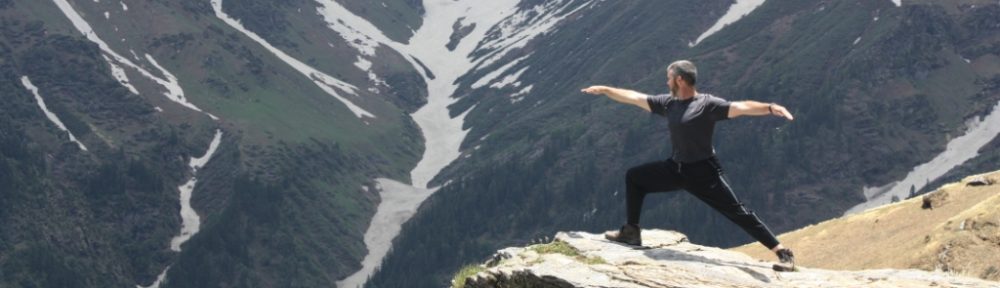

Taken on March 28, 2015 at Savanadurga.
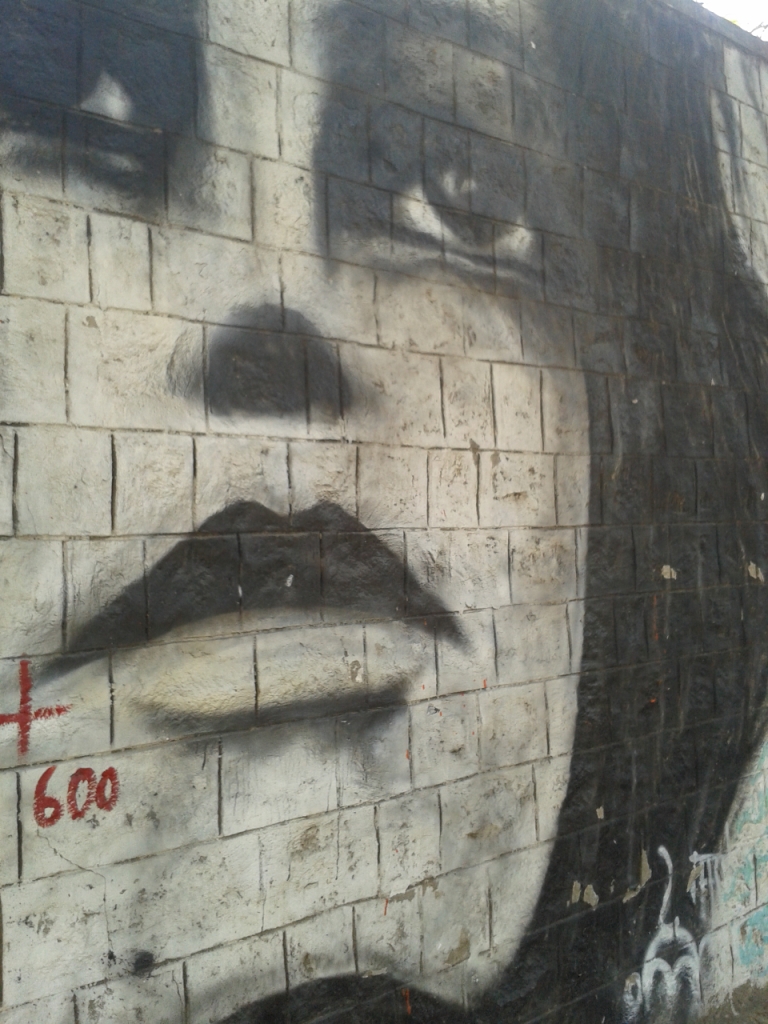
Taken in April of 2015 in Kormangala
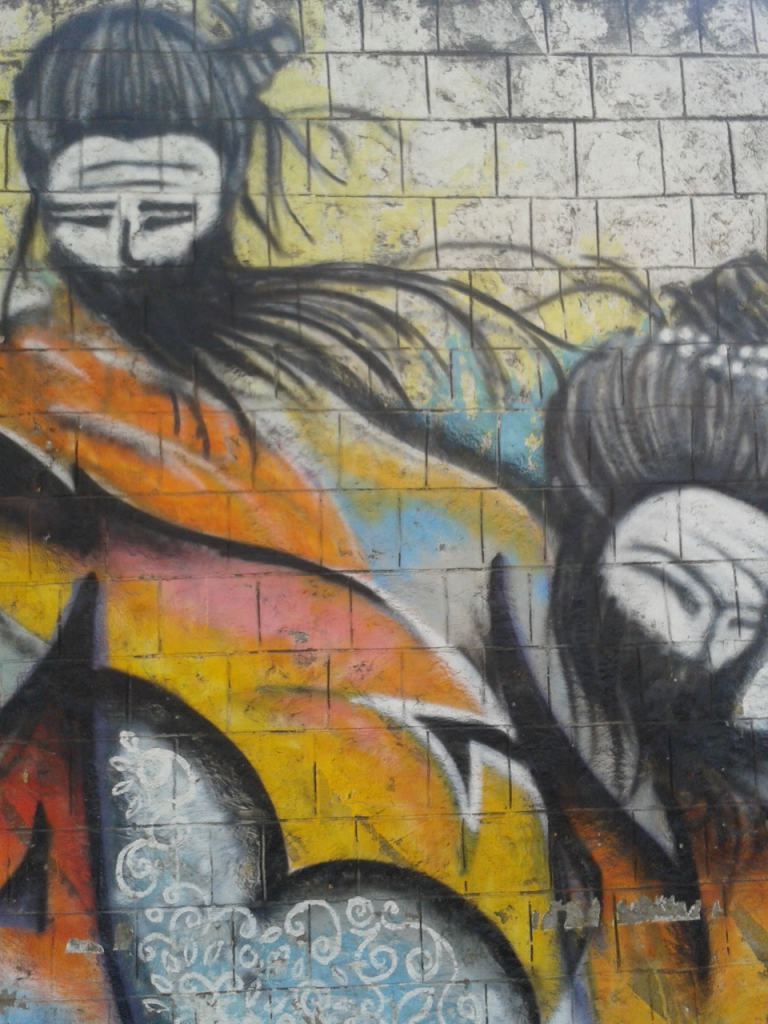
Taken in April of 2015 in Kormangala
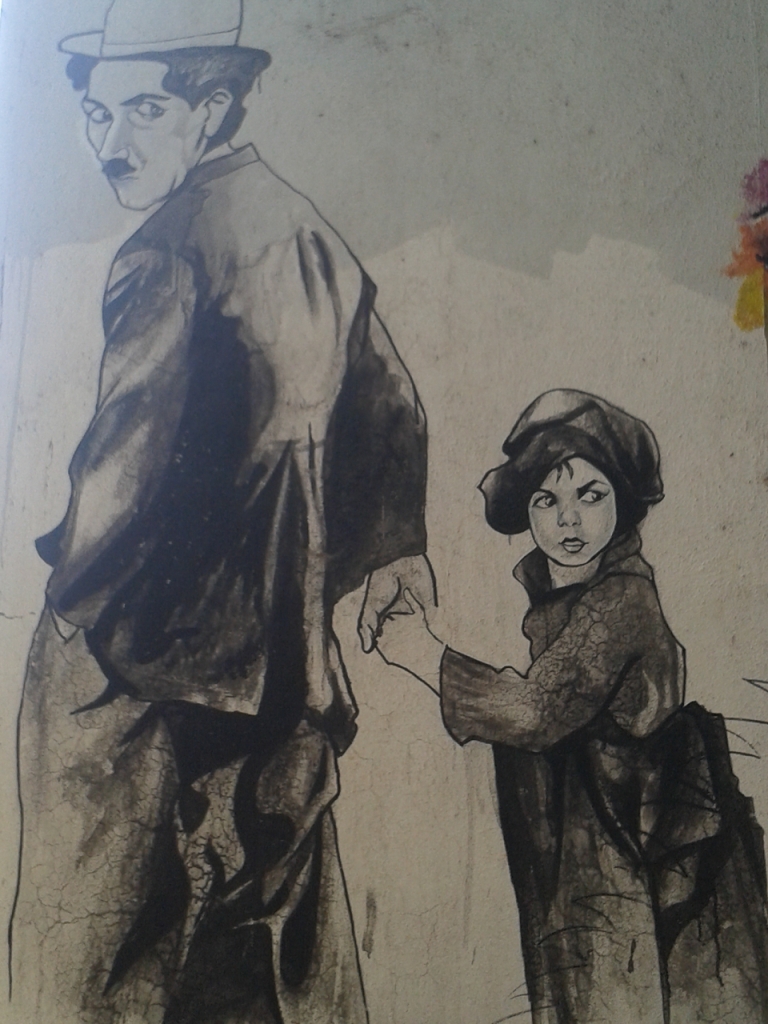
Taken on April 5, 2015 at Karnataka Chitrakala Parishath
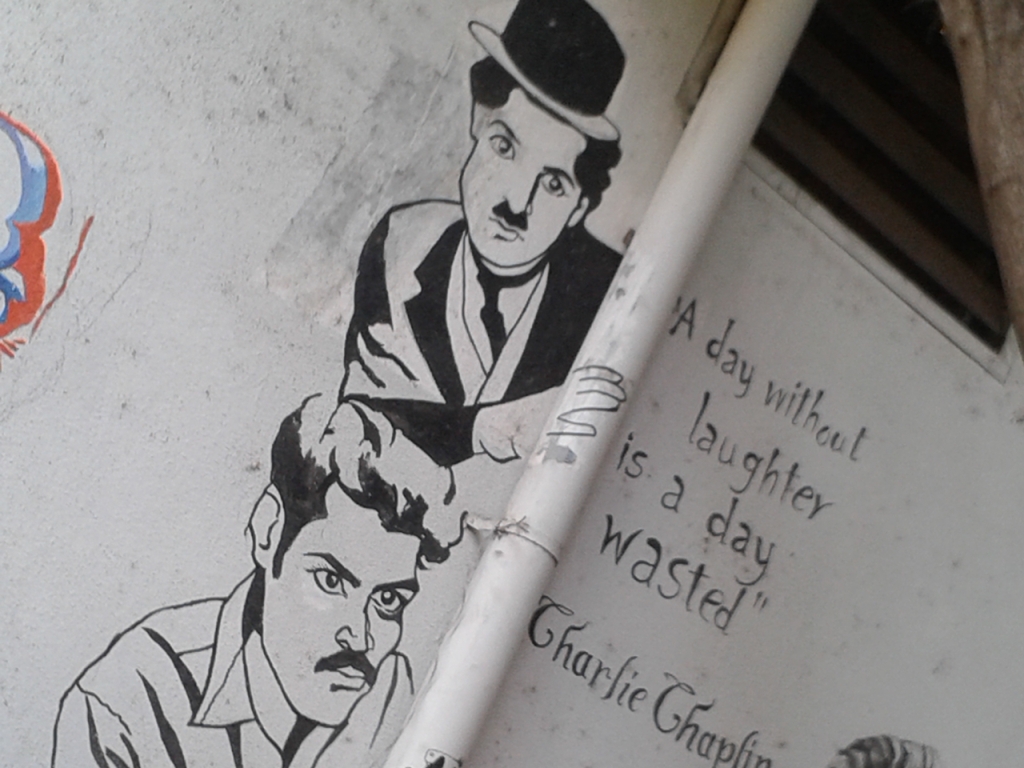
Taken on April 5, 2015 at Karnataka Chitrakala Parishath

Taken in September of 2014 in Bangkok
 Tucked away in the back alleys of Bangkok’s Chinatown, Leng Buai Ia is believed to be Thailand’s oldest Chinese shrine. It dates back to 1658. Chinese businessmen would come here to pray for prosperity.
I finished two books this week. The first was the Gotham Writers’ Workshop guide to writing fiction. This book offers advice on the key elements of fiction writing including character, point of view, setting, pacing, description, plot, revisions, and marketing one’s work. It includes exercise prompts throughout, and is set up as a workbook. It’s written by a number of contributing authors, and offers a broader experience than a single author book.
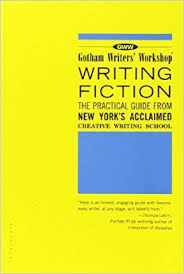
The second book I finished was The Memorable Thoughts of Socrates. This is a book first published before 1850, and puts me more than half way through the 24 tasks of Book Riot’s Read Harder Challenge. (Yes, this may be a cheat as the translation was first published in 1889, but I’m sticking to my story.) I read about two-thirds of this book a while back, but just got around to finishing it off. I can’t say I enjoyed it as much as Plato’s Apology, Crito, and Phaedo, but it’s still full of thought-provoking ideas. (How bad could Socrates be?)
Besides the books I completed, I finished off a couple of chapters [and part 2 (of 4)] of William J. Higginson’s The Haiku Handbook. This book’s subtitle, “How to write, share, and teach haiku,” says it all. If you think that the essential feature of haiku is that it occurs in three lines of 5 – 7- 5 syllables, then you could learn a lot from this book. It turns out that there’s much more to the traditional form (e.g. seasonal focus, nature observation without analysis, etc.) than syllable count. Furthermore, it’s argued that the 5 – 7 -5 isn’t the optimal way of emulating the Japanese form in English (because English syllables average longer than Japanese syllables.)

I resumed reading another book for writers that I started back around the time I began the Gotham Writers’ Workshop book. This one is James Scott Bell’s Elements of Writing Fiction – Conflict and Suspense. I read another book on plotting and structure by Bell that was probably in the same series, and it wasn’t bad. I’m about half way through and found some worthwhile nuggets among a field of self-evident info.
I purchased two books this week–both were on sale. The first was The Backpacker’s Handbook, 4th Ed. As I prepare to do some trekking in the Himalayas this summer, I’m hoping to glean some tips that will save me some pain. I’ve read a number of such books in the past, but it’s been a while and my memory degrades.

The other book was Robert Silverberg’s Kingdoms of the Wall. As Silverberg is an icon of science fiction, but I haven’t read any of his novels, I figured that it would be good to do so–especially on sale.

That’s it for this week.

Taken in December of 2014 in Vác



Taken March 28, 2015 at Savanadurga
There was a litter of pups residing at one of the Hindu temples at the base of Savanadurga Hill. These are a few candids of them.
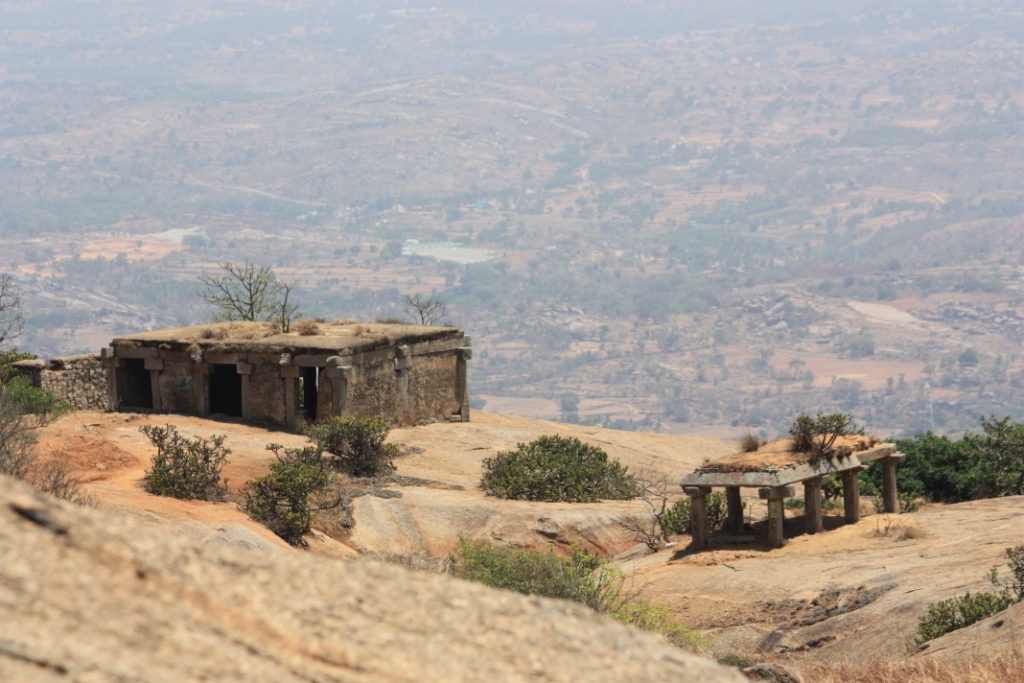
Taken on March 28, 2015 at Savanadurga
Looks fake, but it’s not.
 The New Rules of Posture: How to Sit, Stand, and Move in the Modern World by Mary Bond
My rating: 4 of 5 stars
This book’s author, Mary Bond, was a UCLA-trained dancer who became an Ida Rolf-trained Rolfer. If that sentence makes no sense, you’re probably unaware Dr. Ida Rolf and her self-named system. Rolfing was popular decades ago, but fell out of favor—possibly owing to its reputation for being agonizing. (However, I did recently read an article suggesting renewed interest in this practice.) Rolf’s system is generically called Structural Integration, and it’s intended to better align the body with respect to the force of gravity. The heart of the practice (though not addressed in this book) is a massage-like system that focuses on fascia (connective tissue) rather than musculature (as massage generally does.)
[This paragraph is background, but isn’t about the book per se. Feel free to skip it if you are familiar with structural integration or don’t care.] It should be noted that Rolfing is controversial. I’m not sure what to make of this controversy. On the one hand, the system hasn’t been helped by zealous advocates and practitioners. In any such system, zealots often suggest their beloved system is a panacea for all that ails one. Furthermore, the more hippie-esque practitioners try to reconcile / unify Structural Integration with ancient systems like Ayurveda or Traditional Chinese Medicine (TCM.) This neither helps to validate those ancient systems nor improves the case of Rolfing as a methodology rooted in science. On the other hand, not even yoga has been free of haters. There is a sector of humanity that is openly hostile to the notion that the only way for many people to feel better is for them to do the work of improving their bodies (e.g. posture, range of motion, strength, etc.) (i.e. If your problem is rooted in your shoulders not being over your hips or you have an imbalance in your core between your ab and back muscles, there is no pill nor surgery to cure you—you’ve got work to do. And—it should be noted–both of my examples can cause a person to feel like crap in a number of different ways.) Another element of controversy is that Structural Integration places special emphasis on fascia (connective tissue.) While it’s not clear from scientific evidence that fascia deserve special attention, I’m also not sure that Rolfers don’t have a point when they note that everyone else completely ignores this tissue.
Having written all that, The New Rules of Posture isn’t a book about Rolfing as massage-like practice. Instead, as its subtitle (how to sit, stand, and move in the modern world) suggests, this is a book about how one can improve one’s posture, breathing, and movement (i.e. most notably walking). It’s arranged as a workbook, and it contains over 90 exercises and observations for the reader to perform. The author calls these exercises “explorations” and “practices”; the latter are more extensive and are more likely to require revisiting.
The ten chapters are arranged into four parts: awareness, stability, orientation, and motion. Each part has two or three chapters. The author divides the body into six zones (pelvic floor, breathing muscles, abdomen/core, hands, feet, and head)—the first three of which are associated with stability and the latter three with orienting the body. The six middle chapters (parts 2 and 3) are each tied to one of these zones. The book uses vignettes and side-bars in an attempt to make the material more palatable to readers who aren’t deeply interested in the topic.
The author gives attention to a wide variety of modern-day activities that can have an adverse impact on bodily alignment such as driving, computer time, and rushing about. I suspect this book will offer something useful to almost anyone.
The book’s graphics are line drawings—some are anatomical drawings and others demonstrate postural problems or exercises. The drawings are clear, well drawn, and useful. In addition to the usual front and back matter, there’s a brief bibliography and a resources appendix.
I’d recommend this book for yoga teachers and those interested in the body generally and movement and postural improvement specifically. If you’re having problems that you think may be linked to postural problems, this isn’t a bad place to start thinking about how one might improve one’s situation. It’s very readable and clear.
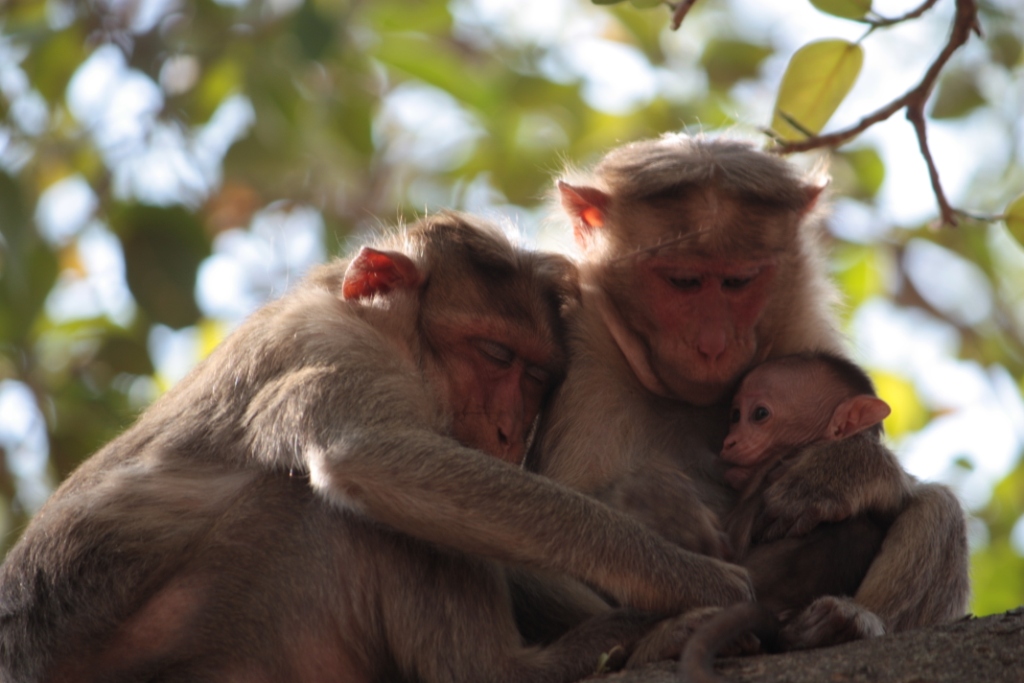
Taken on March 28, 2015 at Dodda Alada Mara (Big Banyan Bangalore)
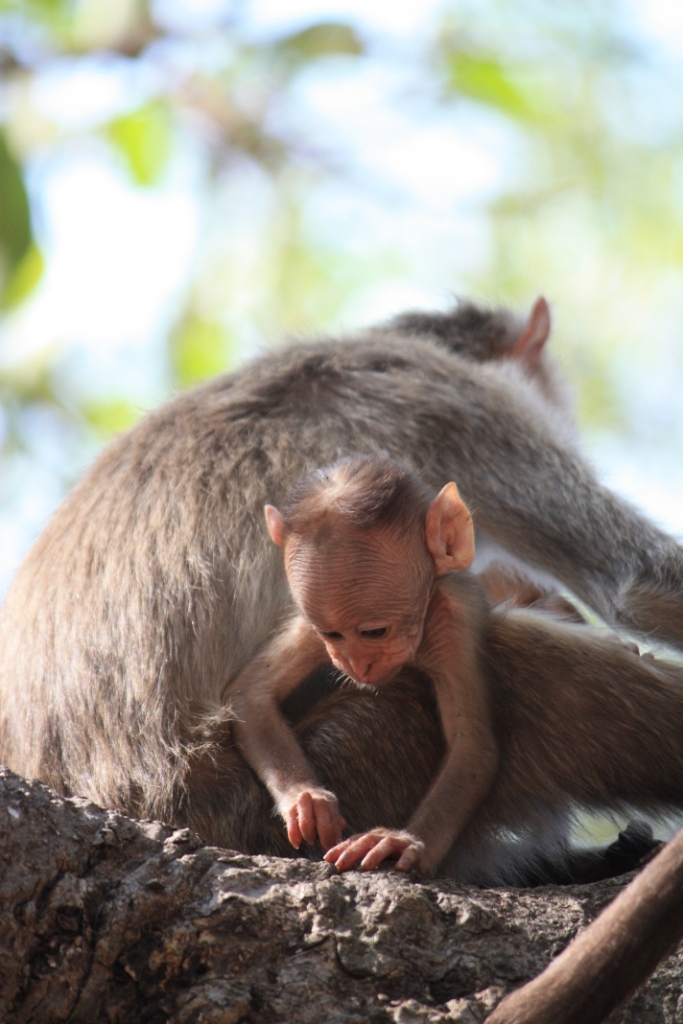
Bangalore’s Big Banyan (Dodda Alada Mara) hosts a number of macaque families, such as this one.

Taken on March 28, 2015 at Dodda Alada Mara.
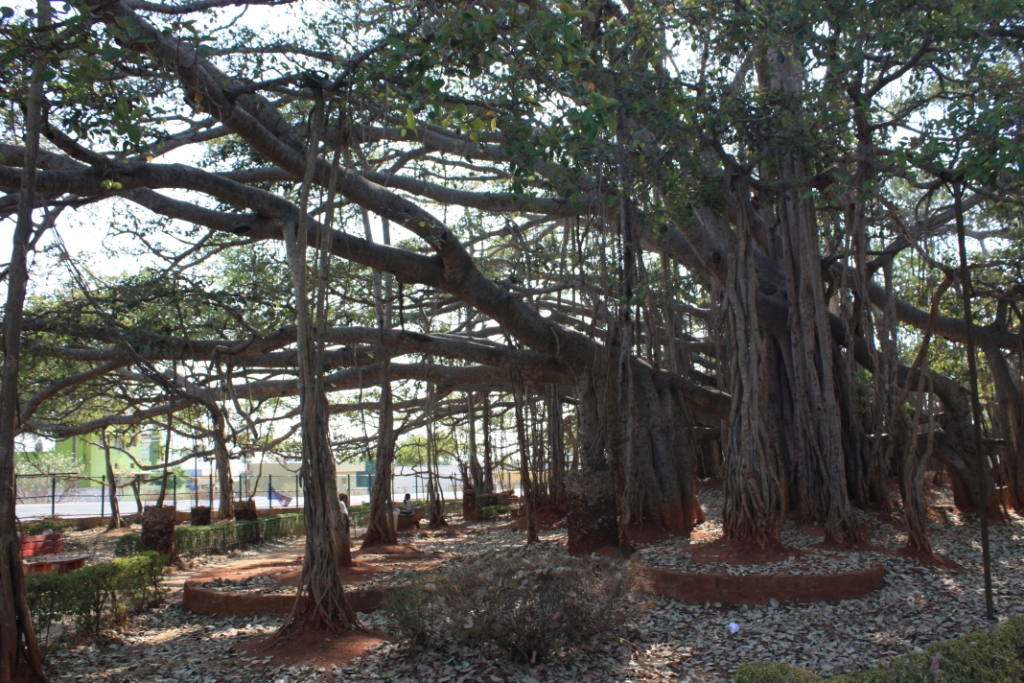
This 1.2 hectare (3 acre) banyan tree sits 28 kilometers (17.4mi.) to the west of Bangalore. The tree suffered root rot in the last decade and doesn’t display the lush, unified canopy as it once did. (I’m not certain whether the damage to the tree was completely natural, was tied to Bangalore’s precipitously rising pollution, or whether the true culprits are all the jackasses who feel the need to carve their initials in the tree’s roots.) However, the giant banyan is still home to many macaque families, and even as it is dying from within the tree is attempting to escape over its’ fence onto adjacent lands.


