A Taipei Taoist’s Limerick

There once was a Taoist from Taipei,
Who knew all one could know of the Way.
When asked for directions,
He'd state his objections,
"The way that can be stated is not The Way."

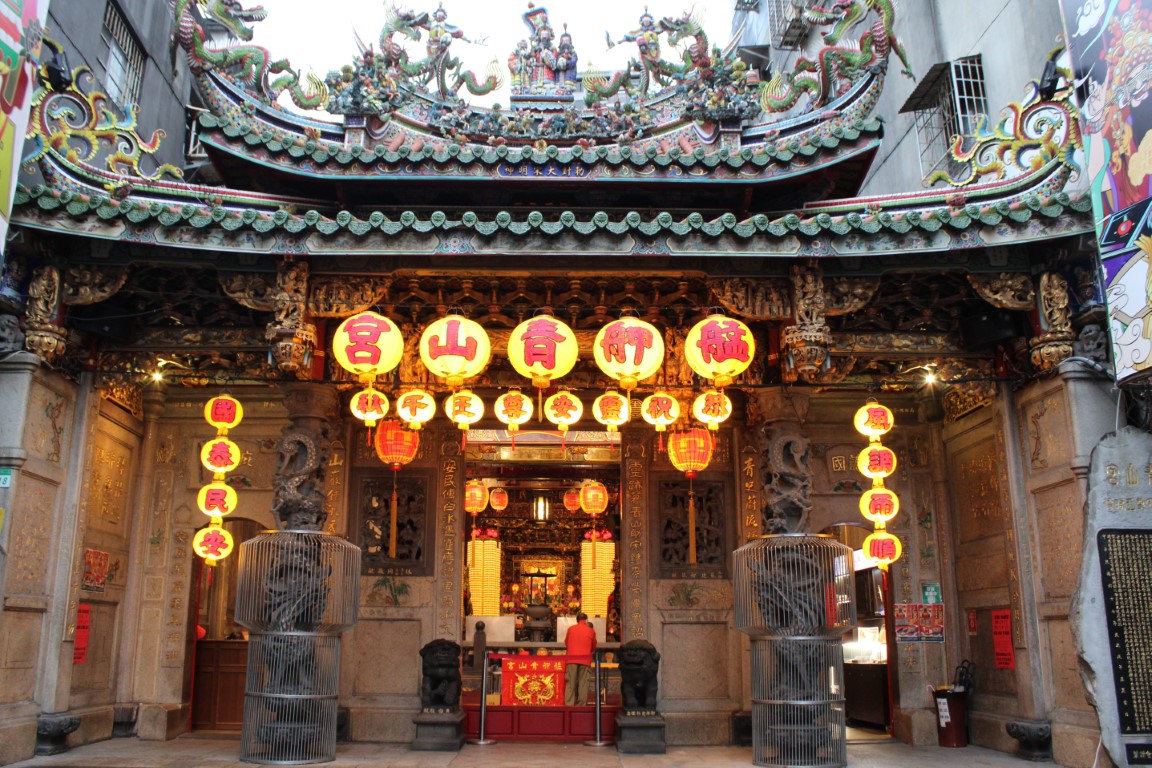
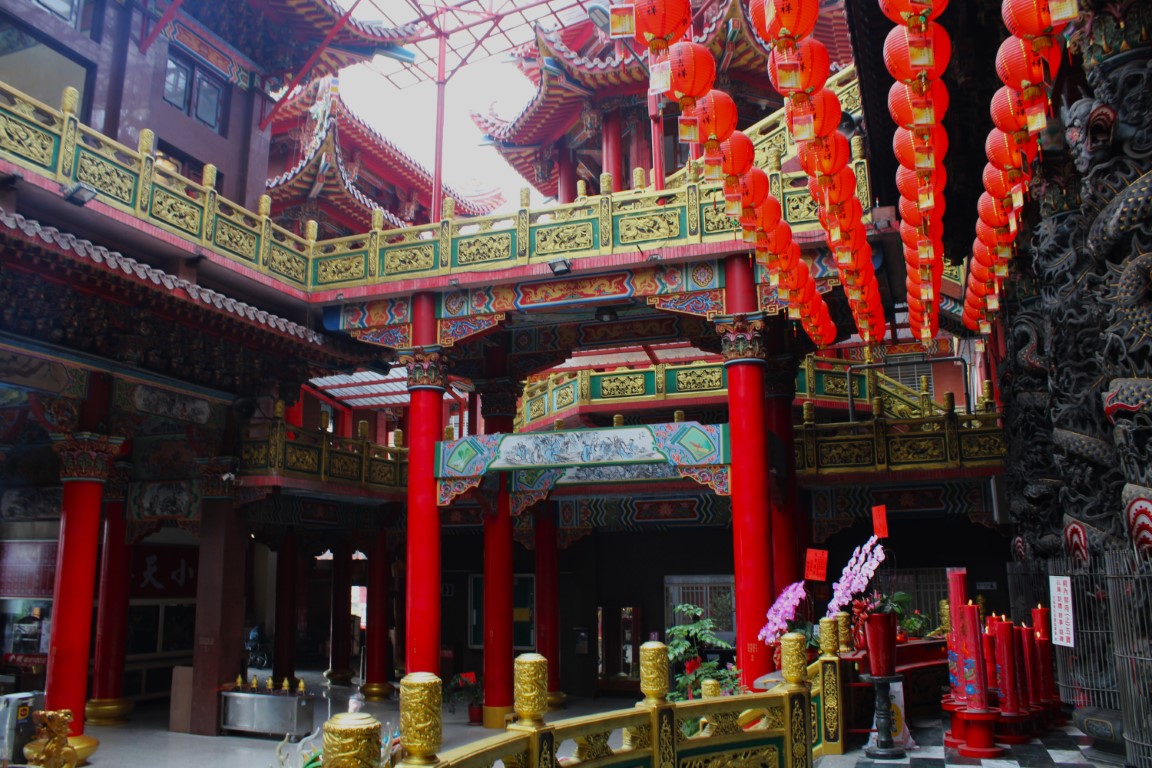
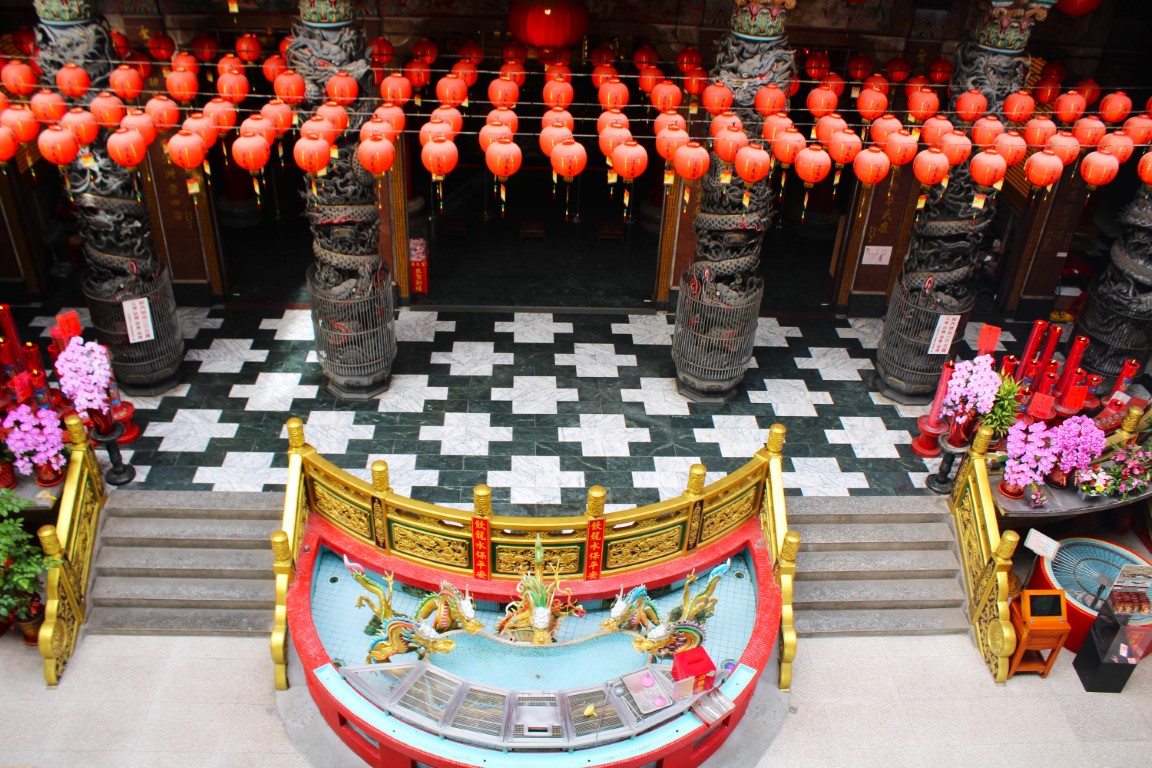
DAILY PHOTO: Qingshan & Qingshui Temples, Taipei

Bangka Qingshan Temple (Taoist)
Qingshui Temple (Buddhist)

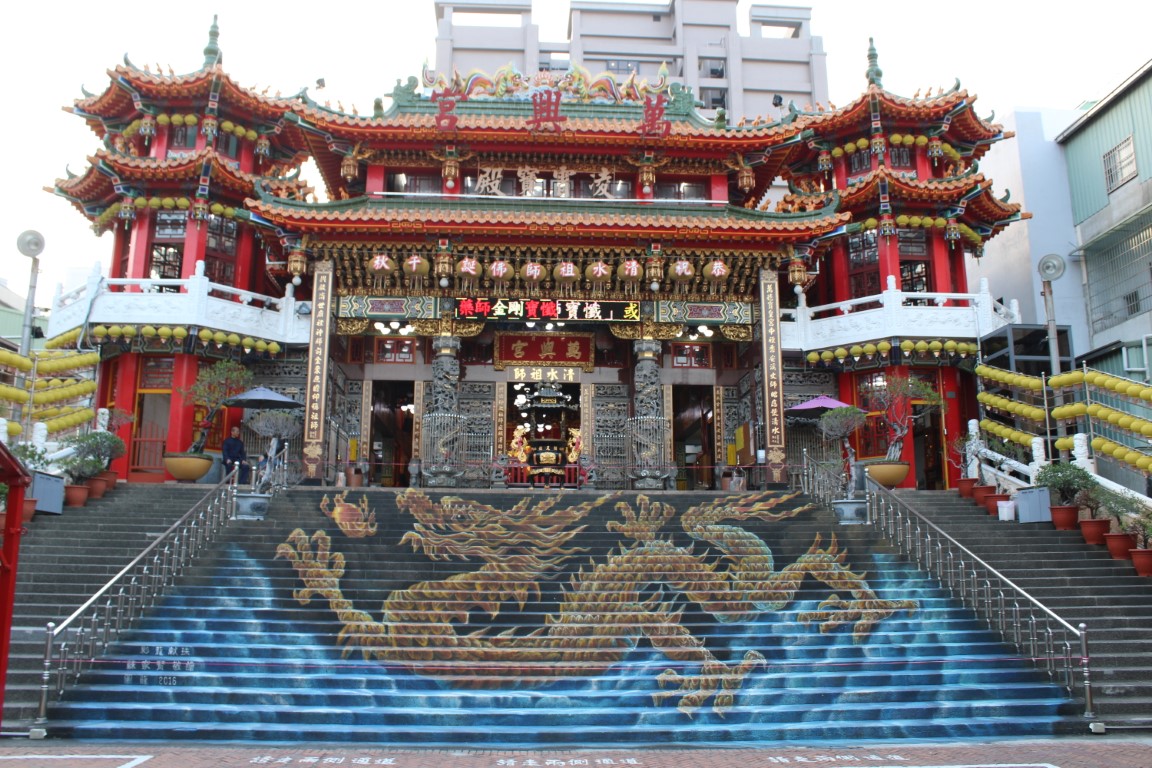
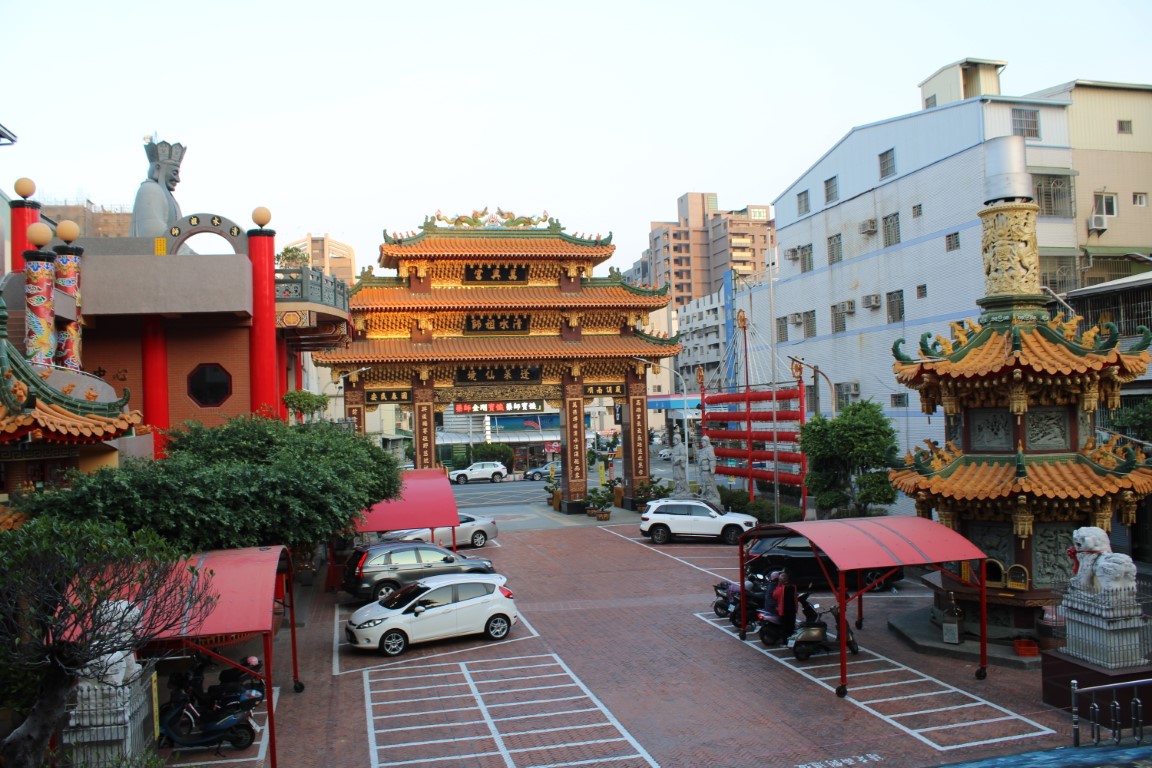
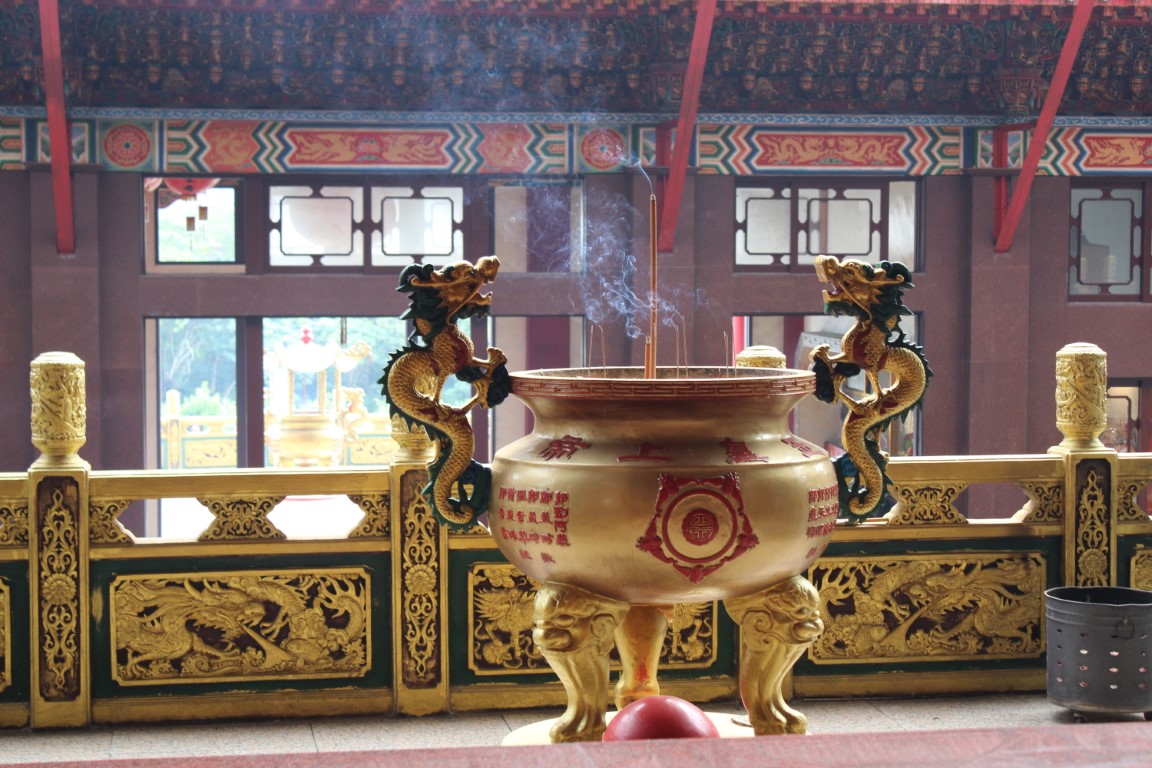
DAILY PHOTO: Wanxing Temple, Kaohsiung

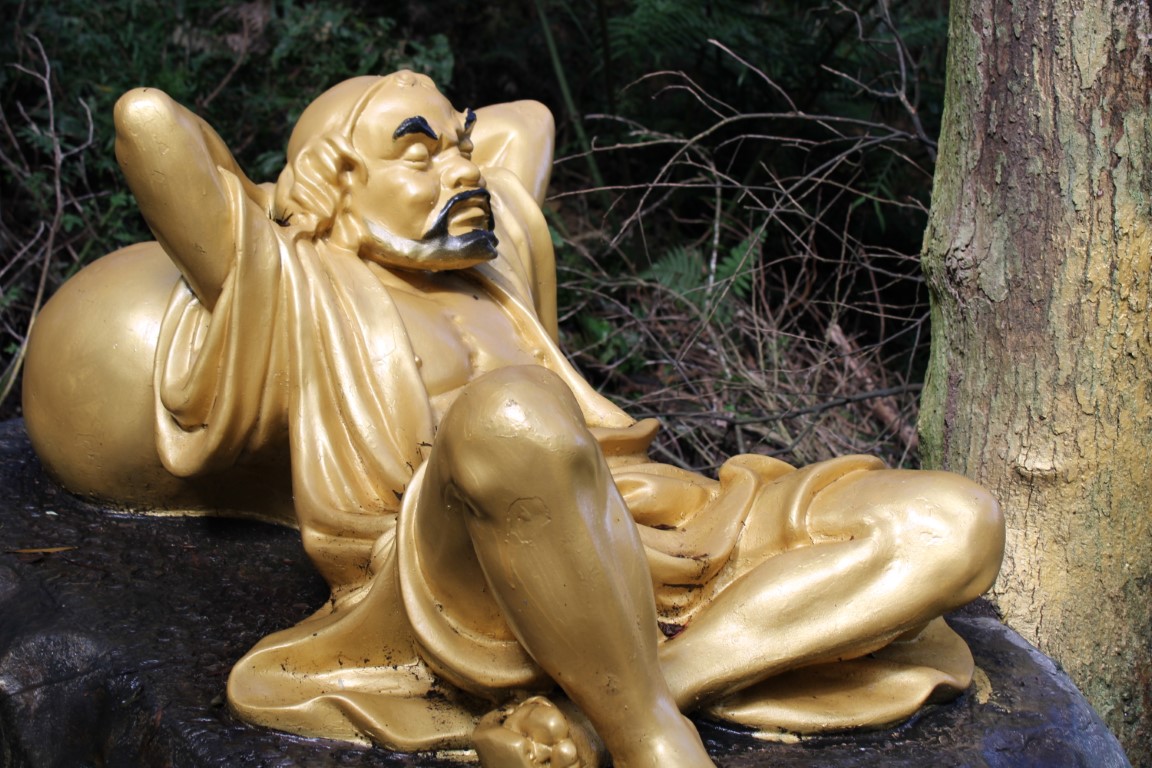
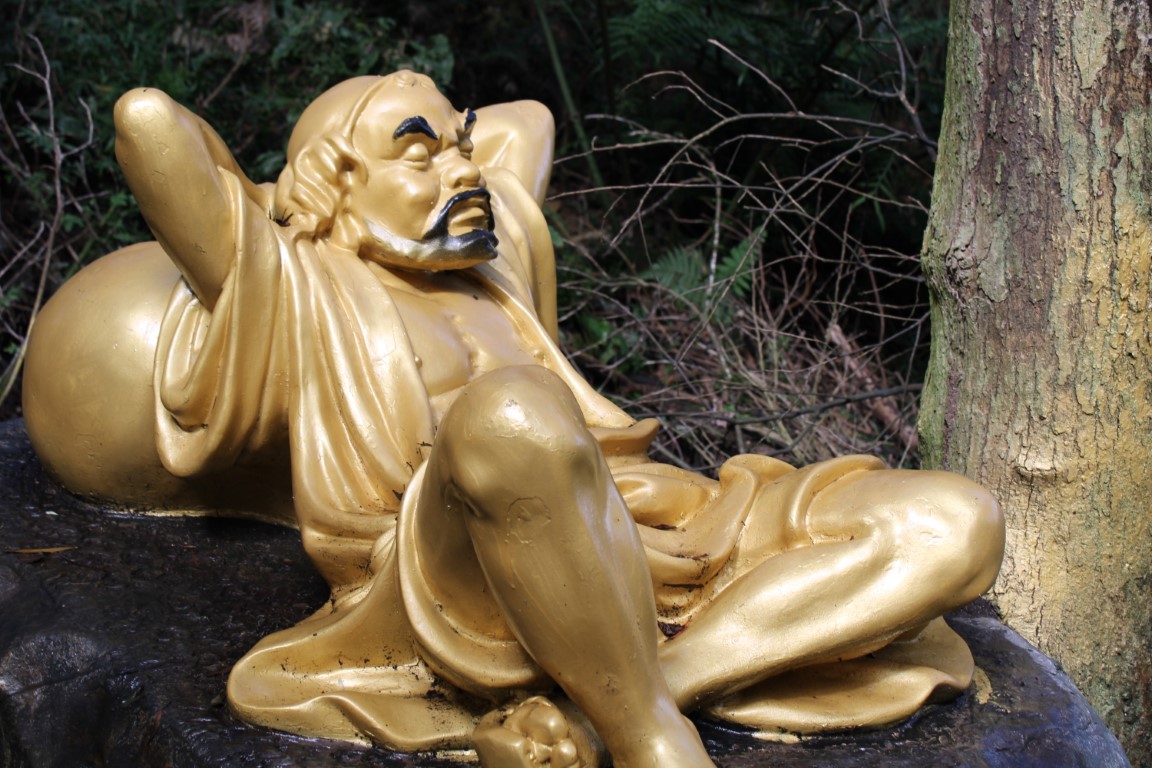
Drunken Immortal [Senryū]

where drunken immortals
are role models, one must
 expect the odd dragon.

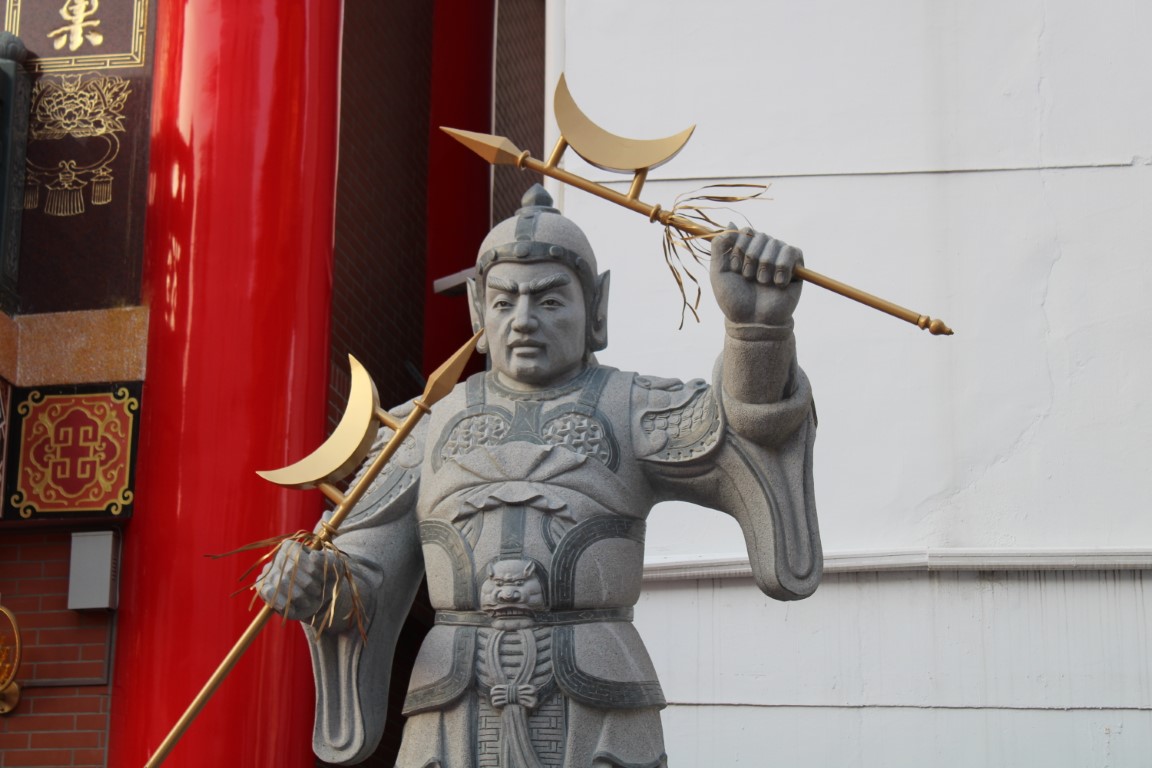
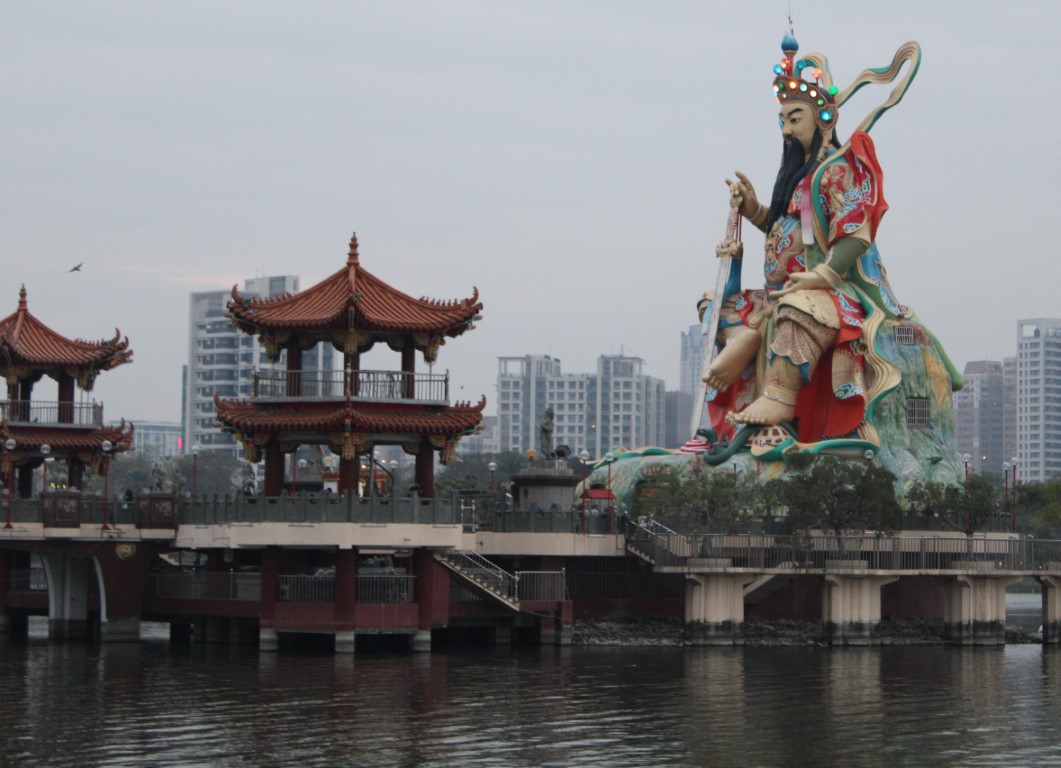
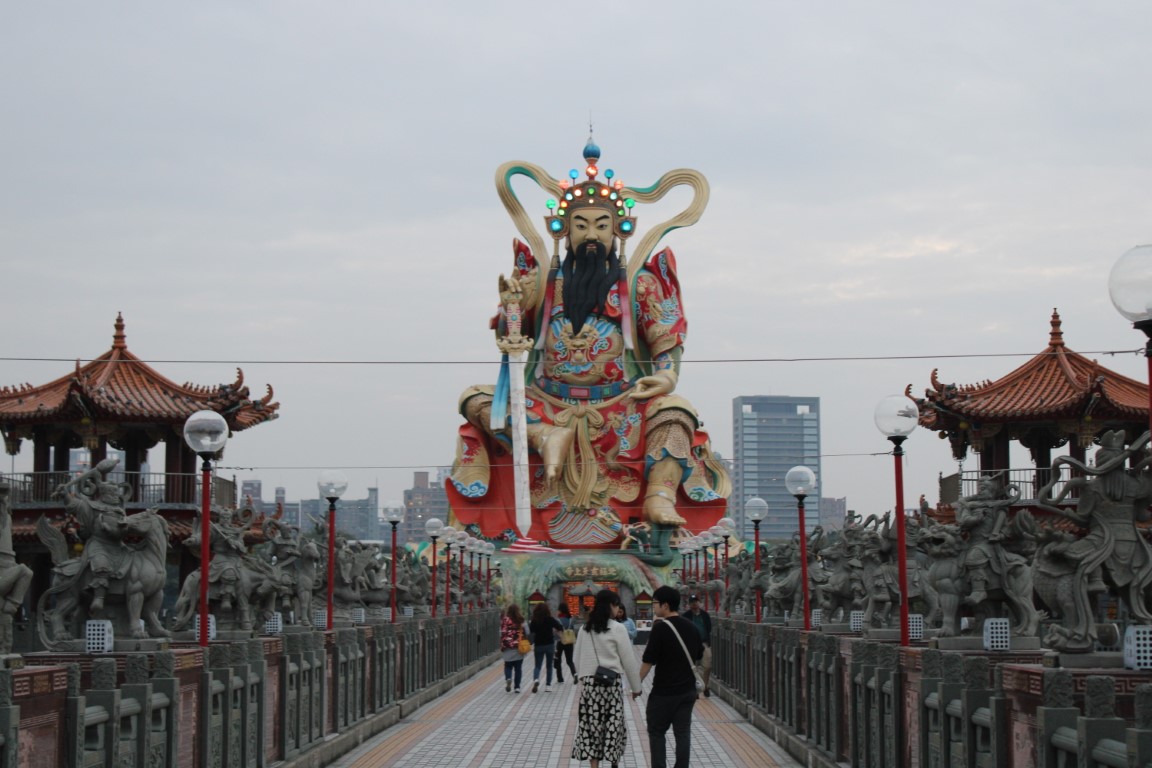
DAILY PHOTO: Xuantian Statue & Temple, Zuoying

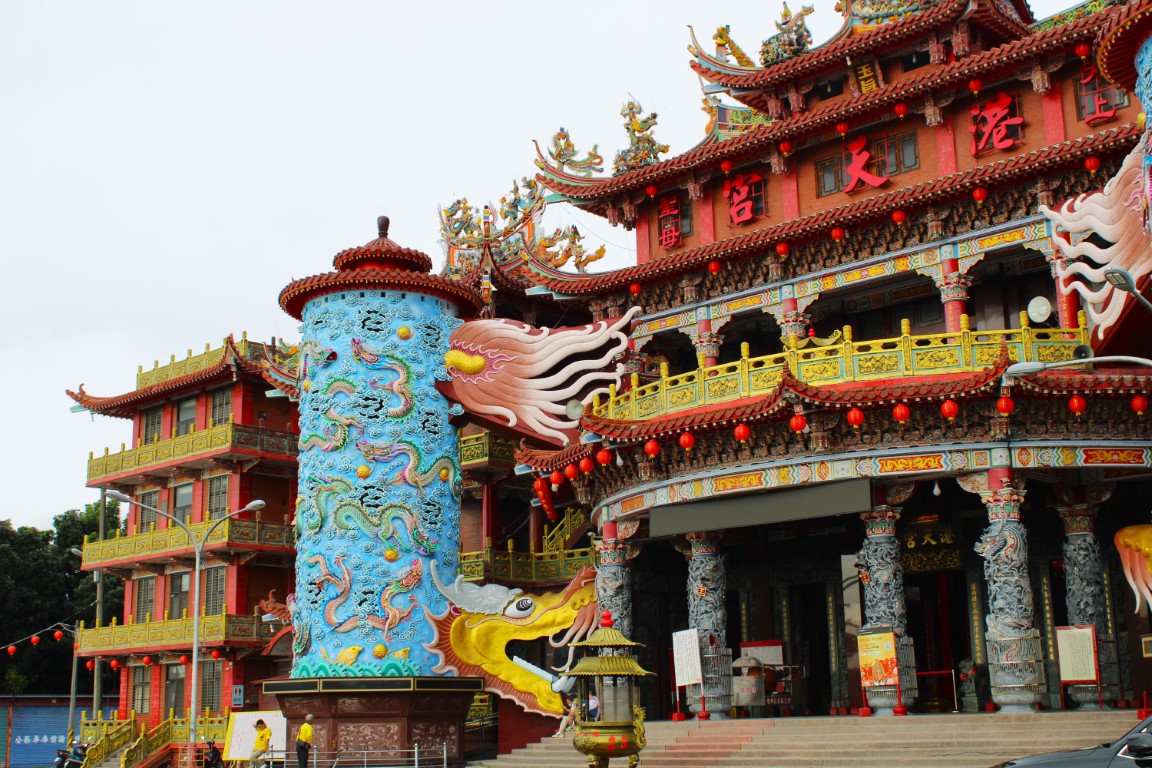
DAILY PHOTO: Gangtiangong, Hualien

Taoist Limerick

Once upon a time, there was a wise, old Taoist priest
 who got the least from the most & the most from the least.
    If he offered a snack,
    you'd be bursting your slacks,
 but expect empty plates when he'd call for a feast.

Note to Self: A Sonnet

Don't fill your vaults with glowing, shiny stones.
It's invitation to all cheats and thieves. 
Don't know by mind what you don't know by bone.
Make sure you've lost before you up and grieve.

Then when you grieve, take time to fully feel.
Don't let your mind write stories so untrue
that they turn melancholy like a wheel
that gathers and grows with each turn anew. 

Be kind and true, but not so kind and true
so as to kill with gifts or a mean tongue.
Don't do what would be best that you not do,
and only sing of those heroes unsung.

Oh, every piece of wisdom has its day,
so don't hitch so tight that you're led astray.

Diamondless Diamonds [Free Verse]

Diamondless Diamonds?

Sounds like Daoist doublespeak
or 
a crazy Zen koan.

But, it's that which has
imaginary value,
but 
not real value.

Much of what human hands
reach for or produce
(& which human minds obsess upon)
are diamondless diamonds.

People stare at them 
with covetous eyes,

but when those eyes
saccade away
there's no reason to believe 
the diamondless diamond
still exists.

Eyes covet
what the mind knows
to have no particular worth.

Diamondless Diamonds
may change the world
for moments at a time,
but then are gone - 
and instantly forgotten.

BOOK REVIEW: Cold Mountain Poems Translated by Gary Snyder

Cold Mountain PoemsCold Mountain Poems by Gary Snyder
My rating: 5 of 5 stars

Amazon.in Page

This collection consists of twenty-four of the three-hundred-plus surviving poems by the Tang-era poet-hermit who went by the name “Cold Mountain” [i.e. Han-Shan.] This translation was produced by the Beat poet, Gary Snyder, and both the translation and the selection are informed by Snyder’s sensibilities and worldview. Snyder is known for nature-centric poetry infused with Buddhist and Native American sentiments, but, like other Beats (though far less than, say, Allen Ginsberg,) Snyder sometimes engages in social commentary. This makes Han-Shan’s body of work a fertile field because it, too, focuses heavily on the beauty and harshness of nature, is framed by Buddhist and Taoist perspectives, and occasionally interjects a societal rebuke. The poems are mostly octave (eight-line) poems which often follow the format of a “straight” sestet that sets up a “punchline” in the last couplet. [Not to suggest the poems are jokes, but they often present a clever twist or commentary at the end.]

Han-Shan’s poems focus heavily on his life as a hermit and the dichotomy of Cold Mountain (the locale) as both a harsh place to live and the only place for him. The Snyder selection focuses heavily on the appeal of nature and the living of a simple and natural life — as well as on the shunning of materialism.

Han-Shan is a mysterious figure, but what is known of him is intriguing. He is considered a mad saint by some, though most of what is known about the man comes from his surviving poems. (Some believe that the 313 known poems maybe only about half of what the hermit composed during the course of his life.)

Even if you’ve read one of the full collections (e.g. Red Pine’s,) you may find some unique insight and imagery in Snyder’s select translation. I’d highly recommend it.


View all my reviews