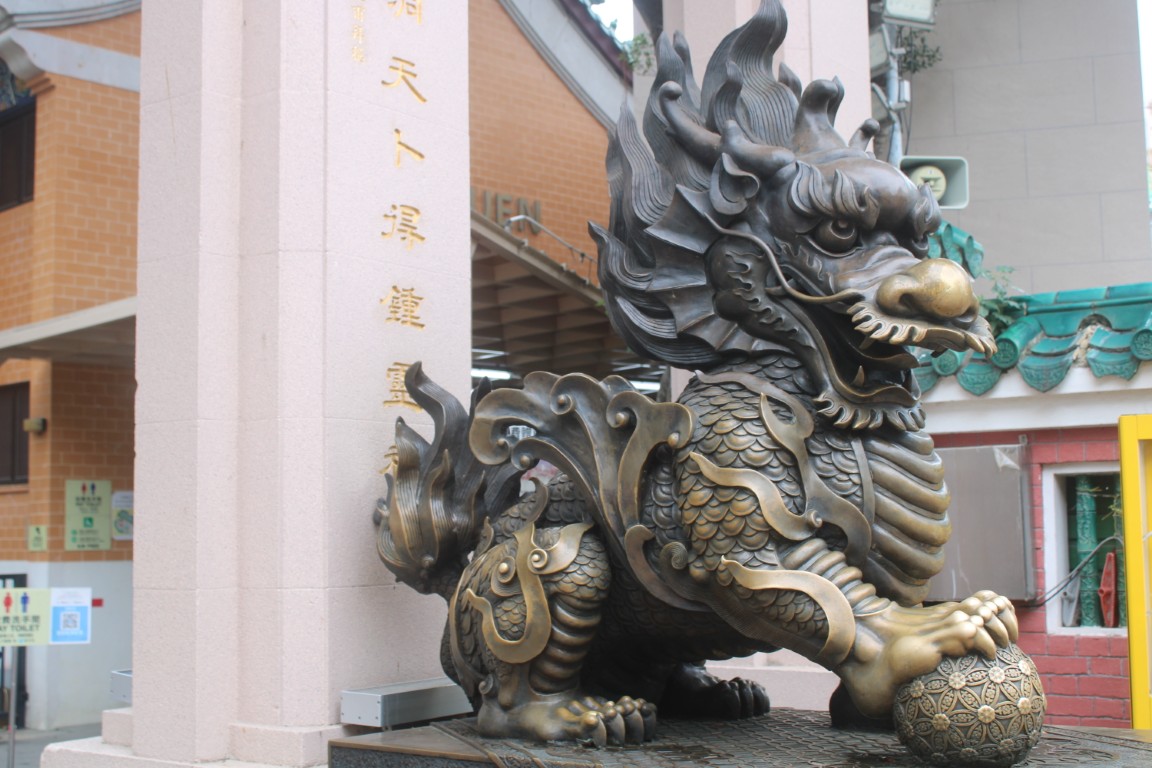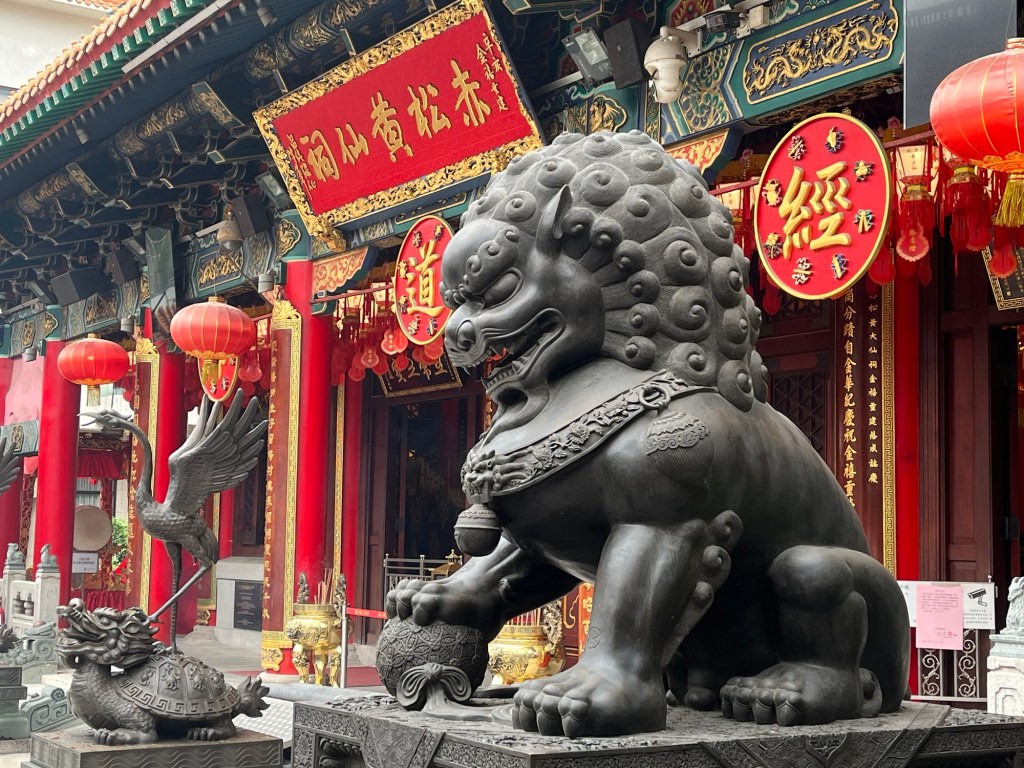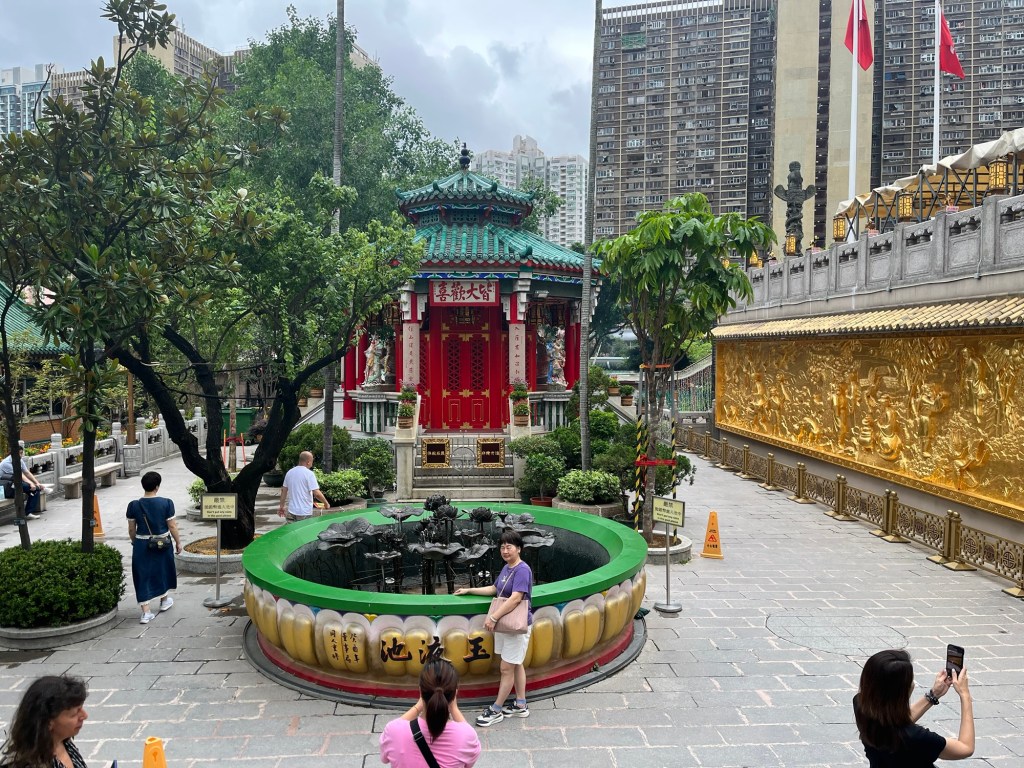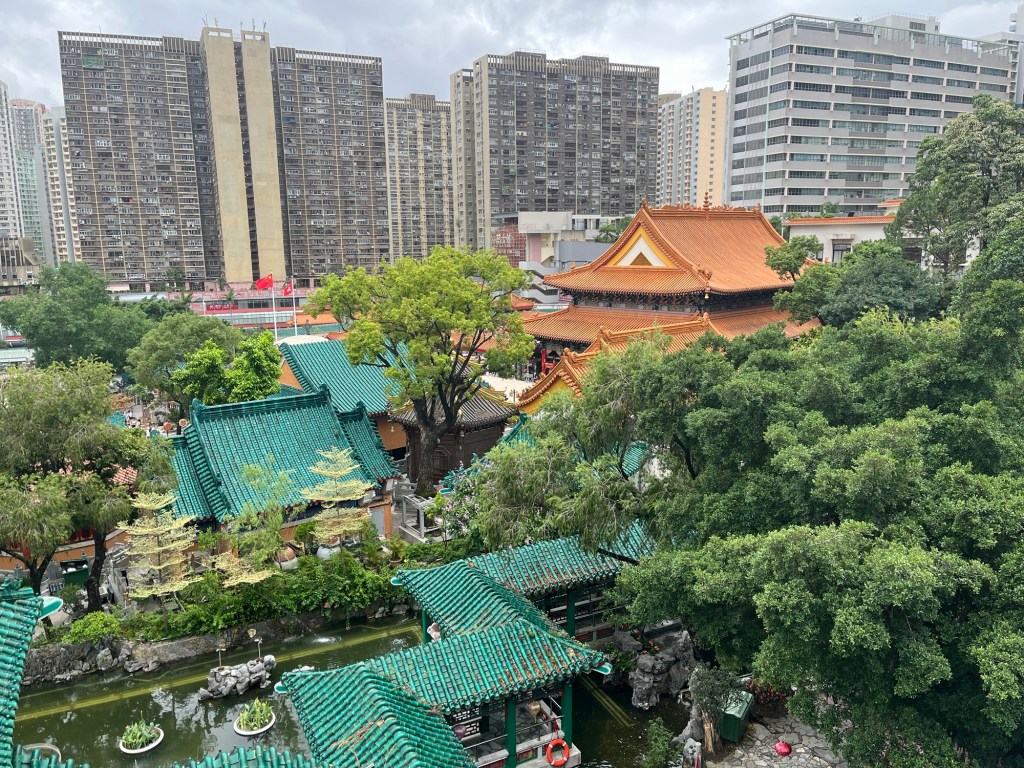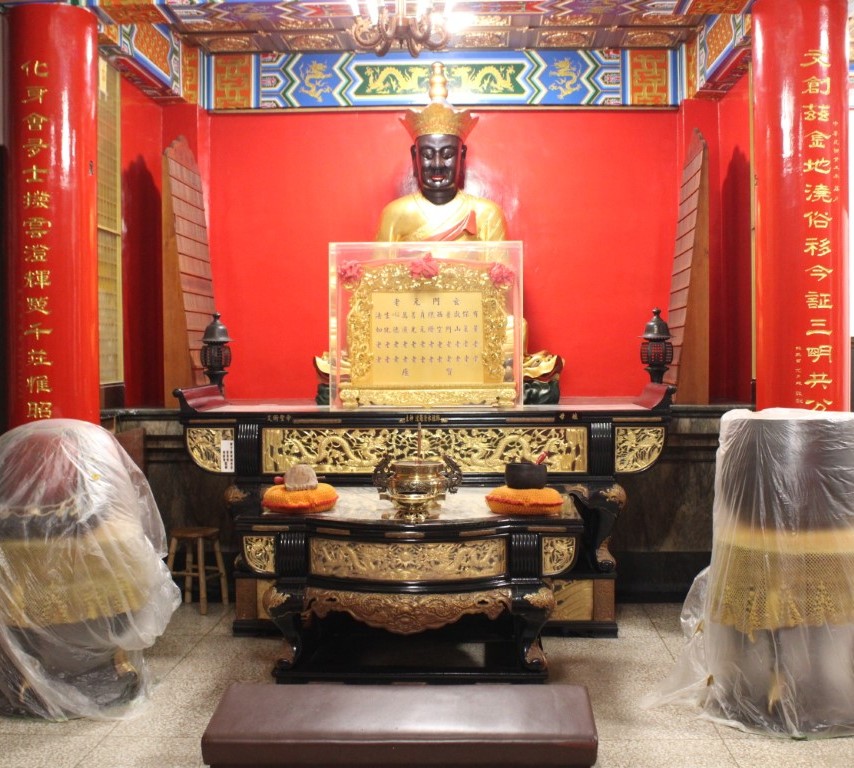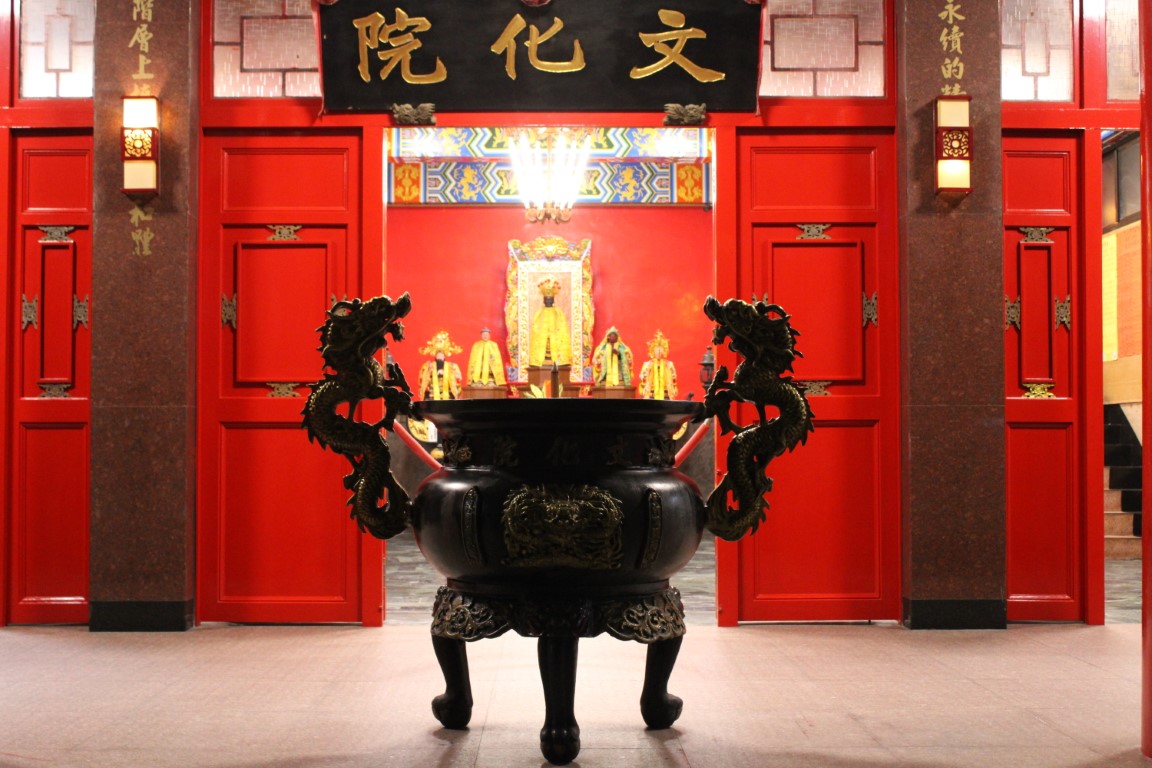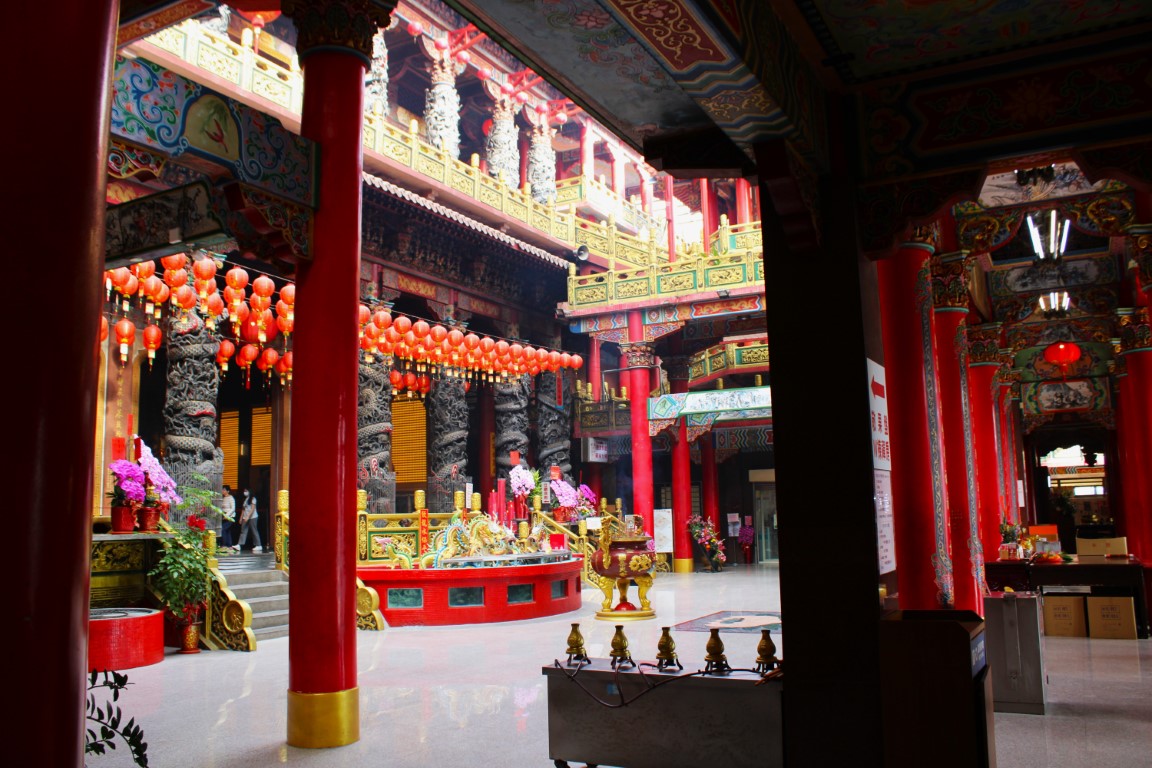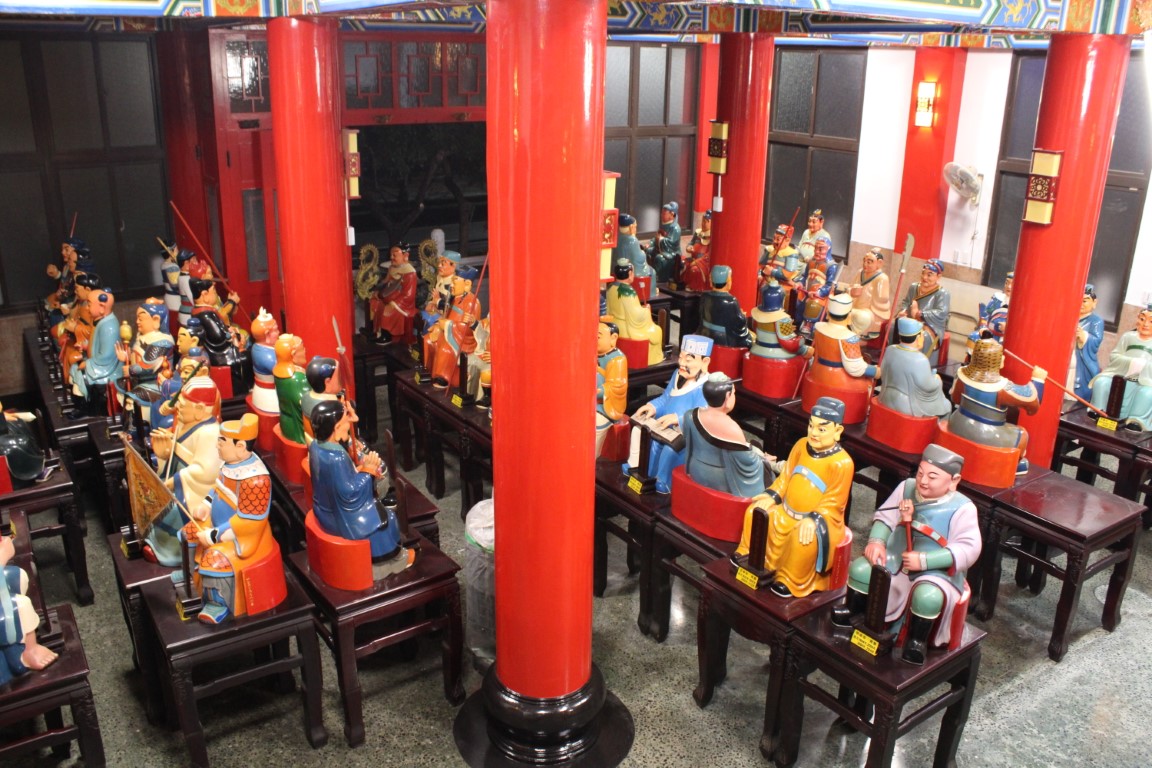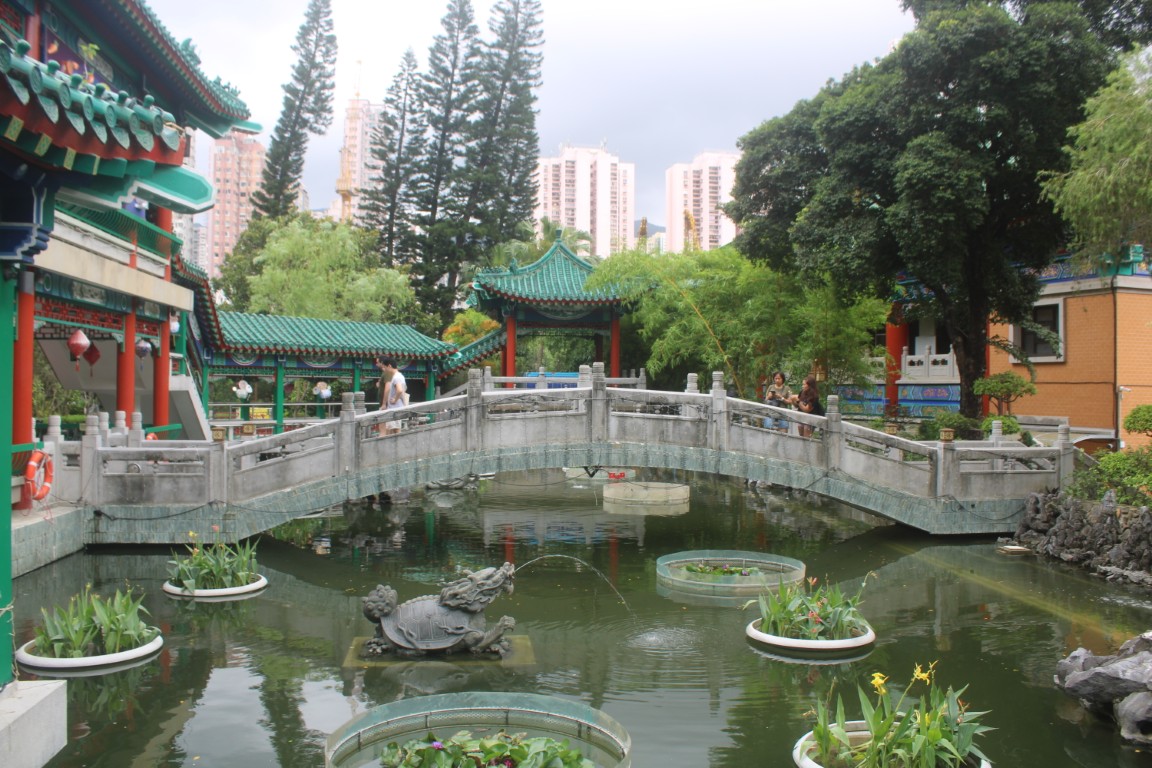
DAILY PHOTO: Wong Tai Sin Temple

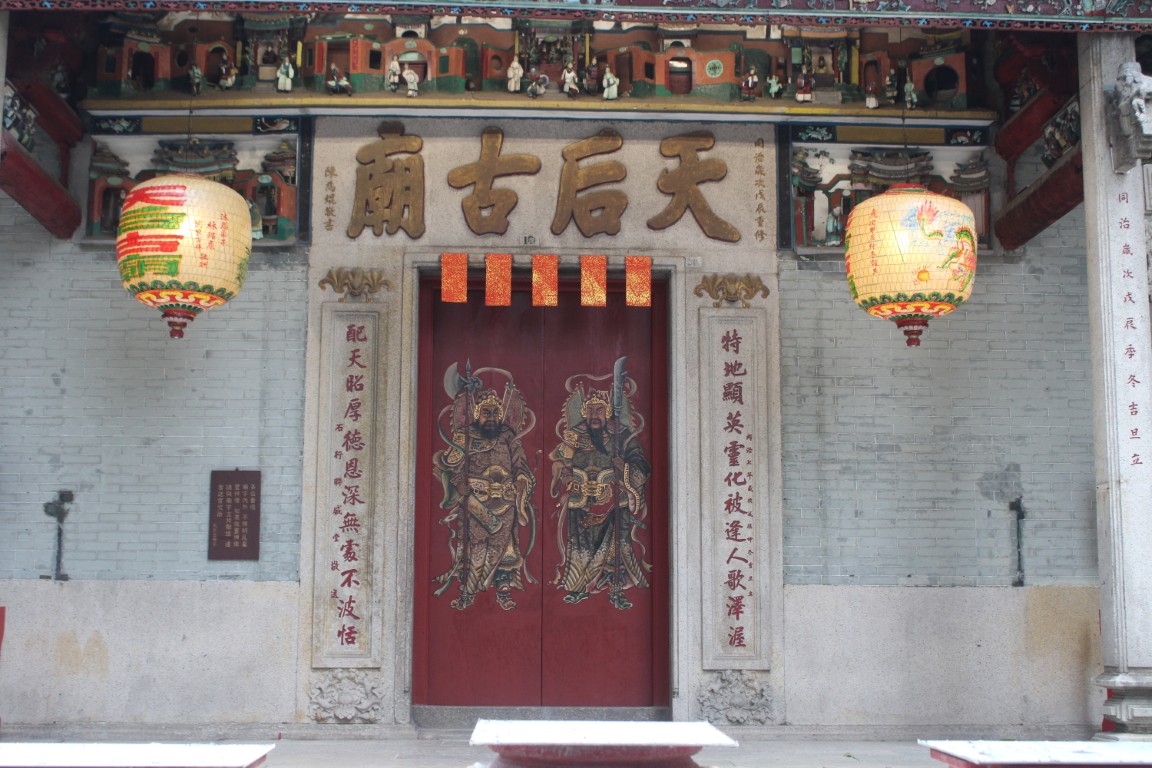
DAILY PHOTO: Taoist Temple, Kaohsiung

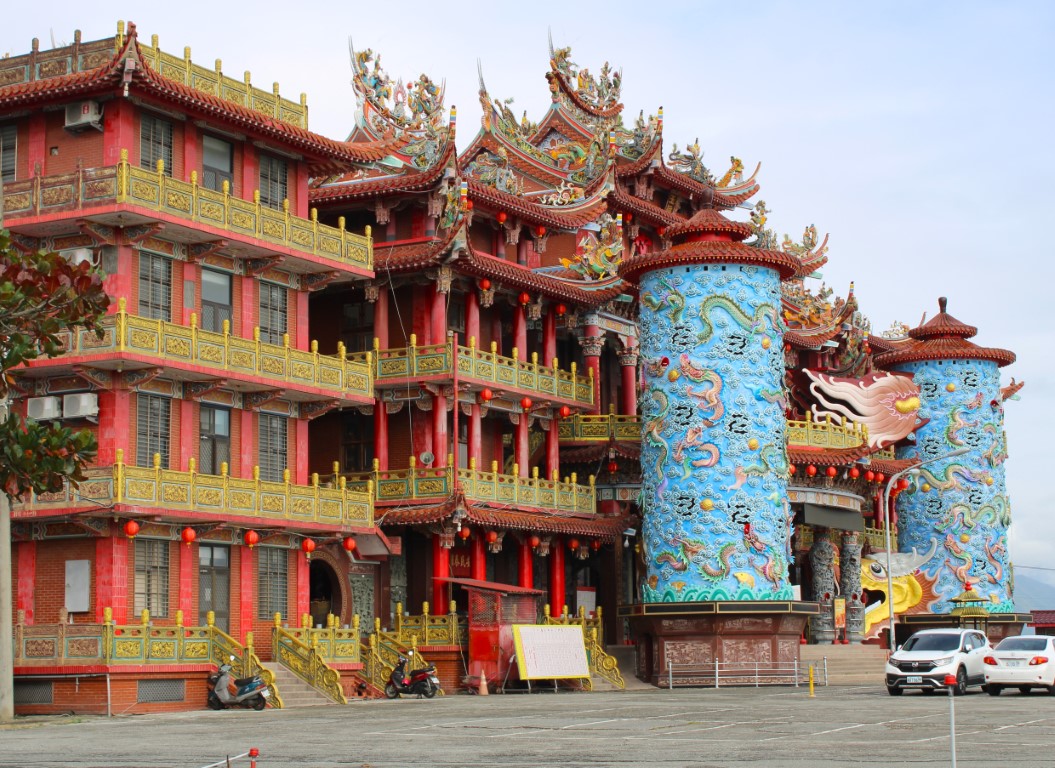
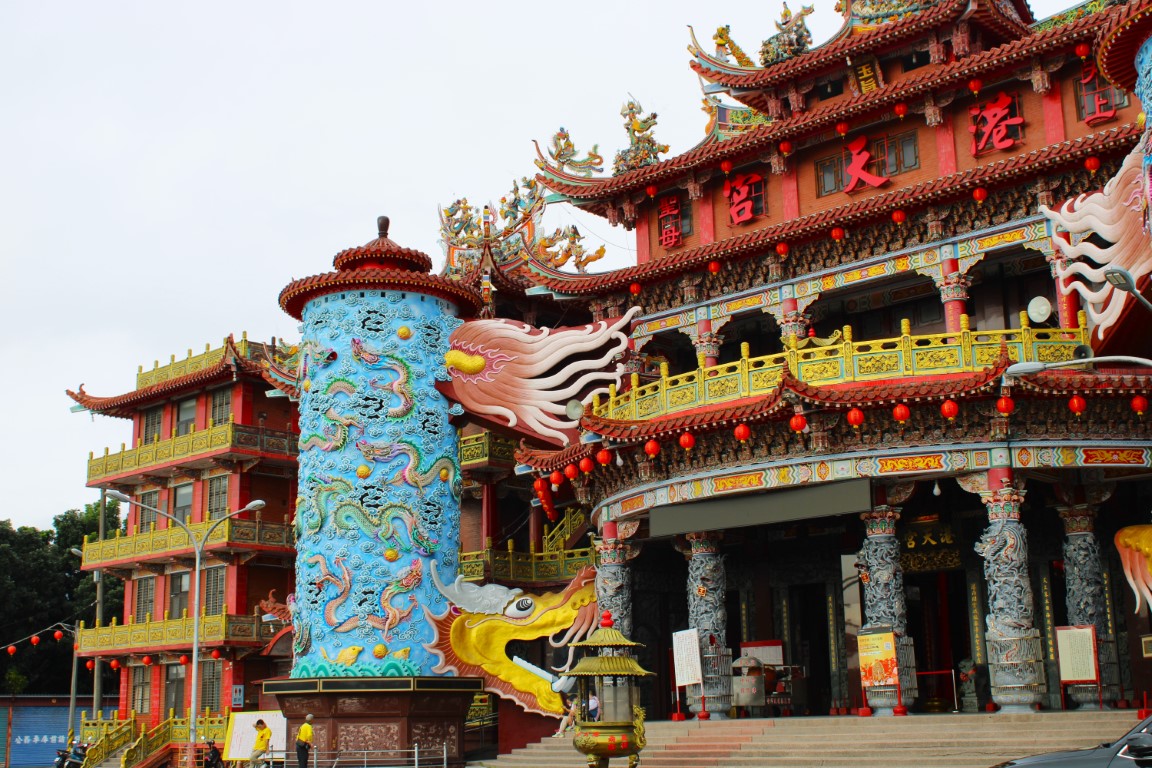
DAILY PHOTO: Gangtian Temple, Hualien

BOOKS: “Taoism: An Essential Guide” by Eva Wong

Taoism: An Essential GuideTaoism: An Essential Guide by Eva Wong
My rating: 4 of 5 stars

Publisher Site

This book offers the reader clarity about the scope of Taoism, a daunting challenge given Taoism’s long history and how it overlaps with other schools of philosophy as well as with Traditional Chinese Religion, more broadly. The book is divided into three parts: history, specialties (magic, divination, ceremony, inward training, and karma yoga,) and practices (meditation, somatic practices [e.g. qi gong and taijiquan,] and rituals and ceremonies.) The history section covers a period from pre-Taoist shamanic practices of 5,000 years ago, practices that would inform early Taoism, to a period during which Taoism became entwined with Buddhism and Confucianism. The specialties and practices sections attempt to give the reader a broad overview while avoiding discussion of “how-to.”

I found this book to be informative and interesting. It did feel more effectively geared toward someone with an interest in Taoism as religion rather than Taoism as a philosophy. The discussion does sometimes get into the weeds on issues like ceremonies and talismans (again, not in a how-to fashion, but with some arcane detail nevertheless,) but — at the same time — besides some discussion of the teachings of the Tao Te Jing and some exploration of Taoist metaphysics in the Divinational Taoism chapter, there’s not a lot of insight into Taoism as philosophy. That said, it does end each chapter with a “Further Reading” section that can point readers interested in a specific topic elsewhere.

If you’ve ever been overwhelmed at one of those bright and complicated Chinese temples and would like some insight into what Taoists do and how it’s different (or not different) from what Confucianists, Traditional Chinese Religion practitioners, and Zen Buddhists do, this is a good book to check out. If you’re solely interested in Taoism as a school of philosophy or otherwise have a specific focus such as qi gong and breathwork practices, you can probably find books that are better tailored to your needs.

View all my reviews

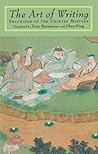
BOOKS: “The Art of Writing” Trans. / Ed. by Tony Barnstone and Chou Ping

The Art of Writing: Teachings of the Chinese MastersThe Art of Writing: Teachings of the Chinese Masters by Tony Barnstone
My rating: 5 of 5 stars

Publisher Website

This thin volume is packed with insights on writing — especially, but not exclusively, poetry. It consists of four chapters. The first two are the ars poetica of Lu Ji and Sikong Tu, respectively (i.e. The Art of Writing and The Twenty-Four Styles of Poetry.) The second half of the book consists of two chapters of collected sayings and poetry commentary excerpts.

I haven’t read a book so dense with quotable lines in a while. Some of the advice offered is universal and timeless (e.g. avoid cliches and read voraciously,) but some of it reflects a uniquely Chinese perspective rooted in Taoist and Zen sentiments (e.g. how to use wu wei [effortlessness] in one’s writing and so forth.)

There is a preface and each of the sections has its own editorial opening, but these never feel like padding (which often happens with books that come out to less than a hundred pages of content.) Instead, this ancillary material is concise and helps to offer historic and cultural context.

I’d highly recommend this book for writers and those interested in Eastern aesthetics and literature. That said, you don’t necessarily have to be interested in both. Any writer could pick up some beneficial tips while reading this book, and it’s compact, highly readable, and even humorous in places.

View all my reviews

“Sad” [Poetry Style #19 (悲慨)] by Sikong Tu [w/ Audio]

Strong winds ripple water;
Forest trees are laid low...
A bitter urge to die --
One can't come; one can't go.
Ten decades flow, stream-like;
Riches are cold, gray ash.
Life 's a death procession --
Unless you're adept and brash,
And can take up the sword
To hasten the anguish...
No rustling dry leaves, or
Leaky roof as you languish.

NOTE: The late Tang Dynasty poet, Sikong Tu (a.k.a. Ssŭ-k‘ung T‘u,) wrote an ars poetica entitled Twenty-Four Styles of Poetry. It presents twenty-four poems that are each in a different tone, reflecting varied concepts from Taoist philosophy and aesthetics. Above is a crude translation of the nineteenth of the twenty-four poems. This poem’s Chinese title is 悲慨, and it has been translated as: “Despondent,” and “Sorrowful.”

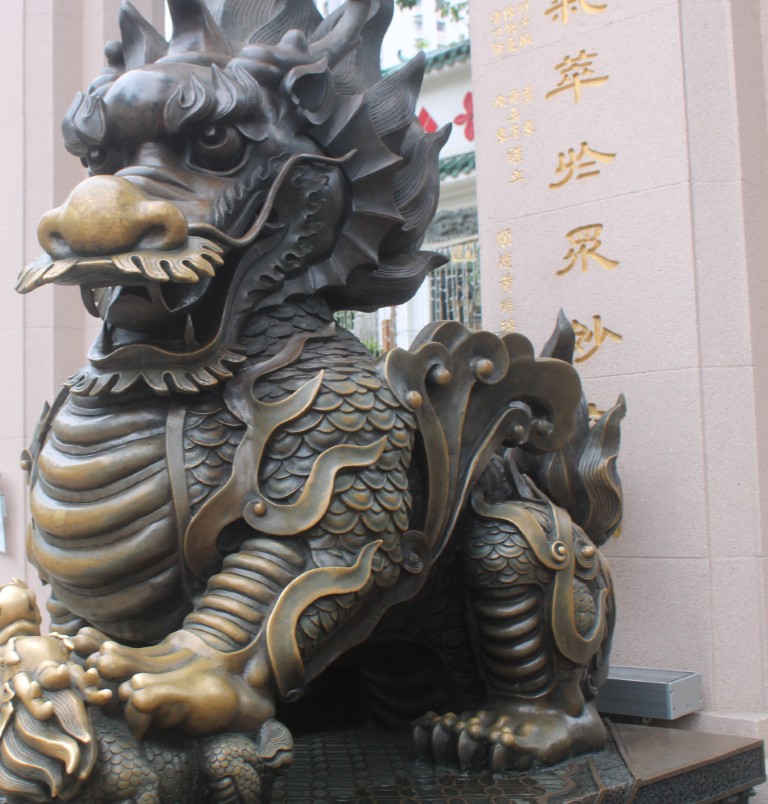
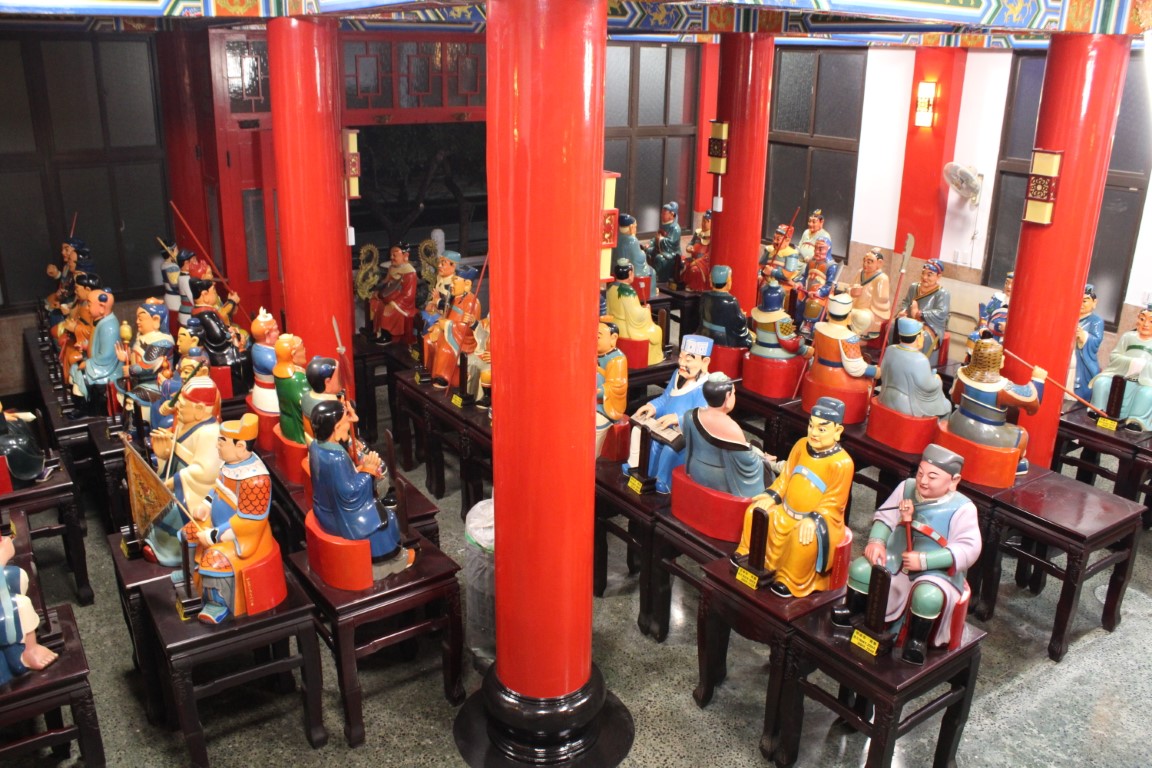
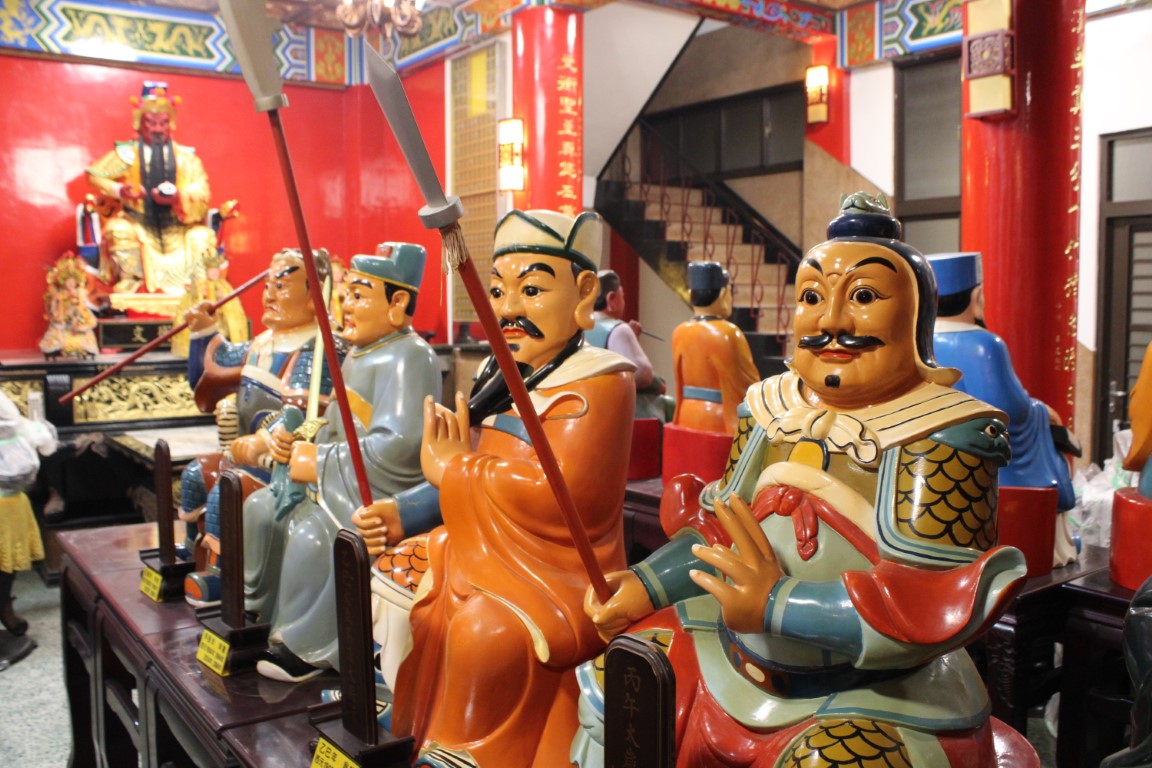
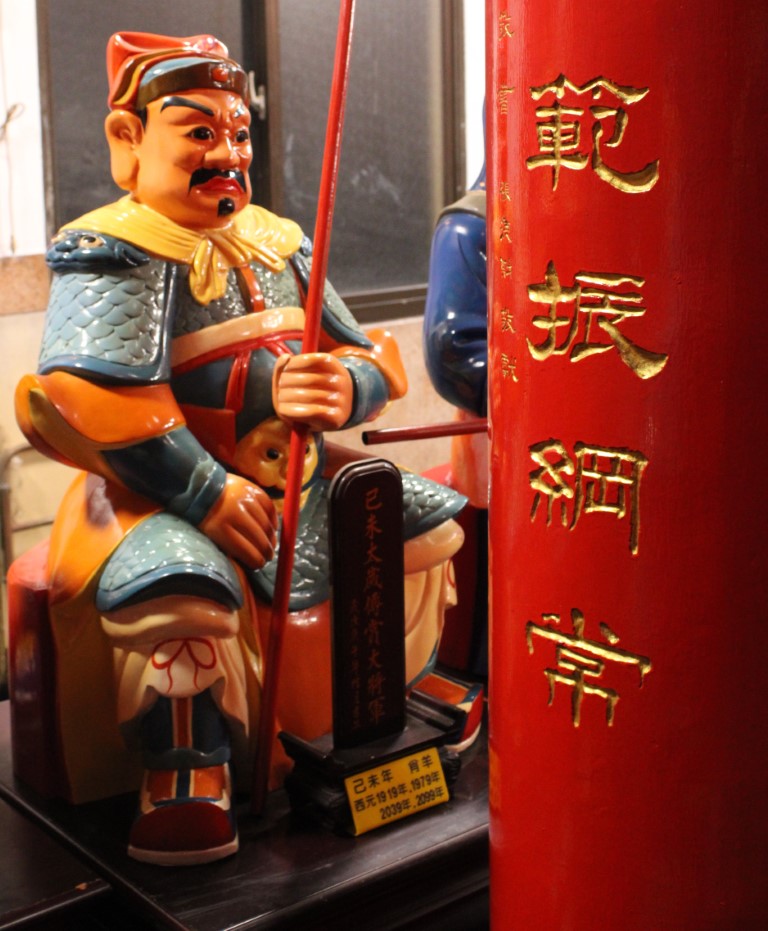
DAILY PHOTO: Warrior Figures Inside a Taoist Temple, Kaohsiung

“Abstract” [Poetry Style #22] by Sikong Tu [w/ Audio]

Lonely and longing to travel;
All alone and lacking a tribe.
Like the crane up on the mountain,
Or the cloud that enshrouds its peak.
Like the portraits painted by past
Masters, of souls you couldn't have known.
Like a leaf drifting on swift winds,
Bounding through the boundless spaces.
You'll never be able to hold it,
But can hear the song it dances to,
Those who accept this can tune in,
And the signal will only get stronger.

NOTE: The late Tang Dynasty poet, Sikong Tu (a.k.a. Ssŭ-k‘ung T‘u,) wrote an ars poetica entitled Twenty-Four Styles of Poetry. It presents twenty-four poems that are each in a different tone, reflecting varied concepts from Taoist philosophy and aesthetics. Above is a translation of the twenty-second of the twenty-four poems. This poem has been alternately titled “Abstraction,” “Elegance,” and “Drifting Aloof” by varied translators, but its original title is 飘逸.

“Real” [Poetry Style #18] by Sikong Tu [w/ Audio]

Plain and simple words are chosen,
Even to express tangled thoughts.
Then one comes upon a hermit,
And one glimpses the heart of Dao.
The clear stream burbles its soft song
Amid the shady ancient pine grove.
A woodsman passes with his cordwood;
A stranger listens to a lute song.
A strong feeling takes one over,
Bringing with it bliss and wonder,
And one's easy link with heaven
Is tender as the sound of water.

NOTE: The late Tang Dynasty poet, Sikong Tu (a.k.a. Ssŭ-k‘ung T‘u,) wrote an ars poetica entitled Twenty-Four Styles of Poetry. It presents twenty-four poems that are each in a different tone, reflecting varied concepts from Taoist philosophy and aesthetics. Above is a translation of the eighteenth of the twenty-four poems. Translated titles vary — e.g. Herbert A. Giles titled this translation “Actualities.”

“Finely Woven” [Poetry Style #14] by Sikong Tu [w/ Audio]

The building blocks of everything --
Too fine to feel or see or smell --
Dance their way into hardened shapes
Via forces, invisible.
And so water flows, flowers bud,
But - also - dew evaporates.
This expansive path stretches on --
It's slow-going through dark lands.
It can't be spoken of smartly.
It can't be pondered fruitfully.
It's Early Spring green in sunlight,
Or like the snow seen by moonlight.

NOTE: The late Tang Dynasty poet, Sikong Tu (a.k.a. Ssŭ-k‘ung T‘u,) wrote an ars poetica entitled Twenty-Four Styles of Poetry. It presents twenty-four poems that are each in a different tone, reflecting varied concepts from Taoist philosophy and aesthetics. Above is a translation of the fourteenth of the twenty-four poems. Translated titles vary: Giles calls it “Close Woven” and others have titled it, “Fine.”