Footprints [Haiku]

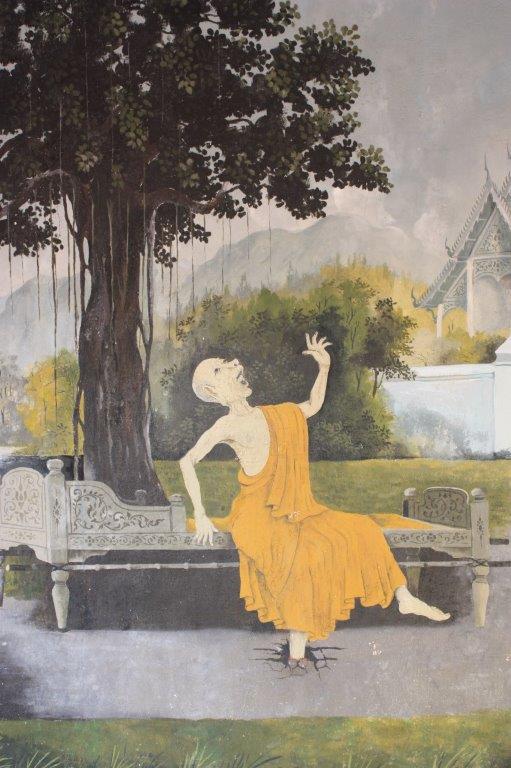
footprints in stone --
 outside the temple; how do
  Buddhists step so hard?

Hit by a Hard Word [Free Verse]

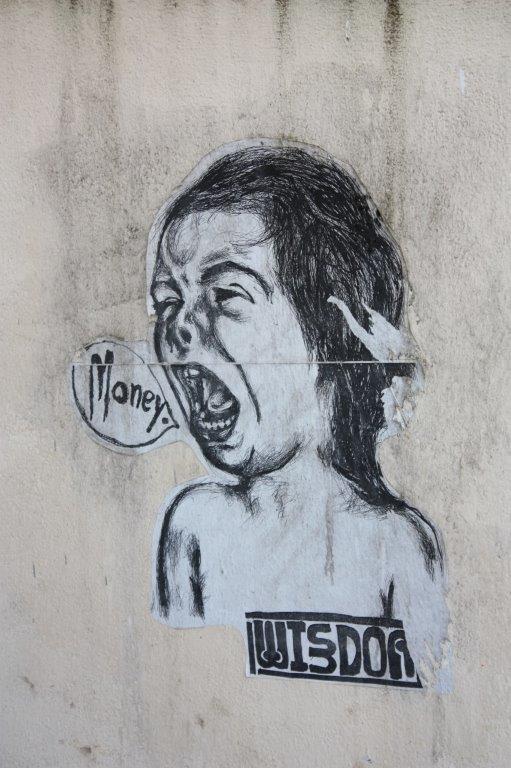
How is being hit by a hard word
 different from being hit by 
  a brick or a bat?

To burn, the spark of a hard word
  must find some kindling inside
   the recipient, elsewise it can't ignite. 

If someone points at me and screams:

"YOU ARE SUBPAR AT ALGEBRA!"

I remain unwounded.

[I'd like to say that it doesn't burn
  simply because it's true, 
   but the truth or falsity of hard words 
   is -- perhaps sadly -- not a major
   ignition factor.

 The kindling is a thing that sits inside one --
  something that makes one care,
   probably a complex mélange of factors.

 The truth of hard words? 
   That is an outside factor.]

Even if I were to discover that,
  to the person who issued the insult,
   there is no greater disparagement 
   than to cast aspersions upon a 
   person's middle school-level
   mathematics competency, 

I would remain unwounded. 

If I were to feel any sort of way
  about uncovering that knowledge,
   it would be to feel sort of bad 
   for the person who issued the taunt.

Now, how to burnproof one's soul,
  that is the question?

Imposing Clouds [Tanka]

imposing clouds
 seem to hover over
  the palace,
 but then one sees the drift,
 and they are drifting nearer.

Jung Limerick

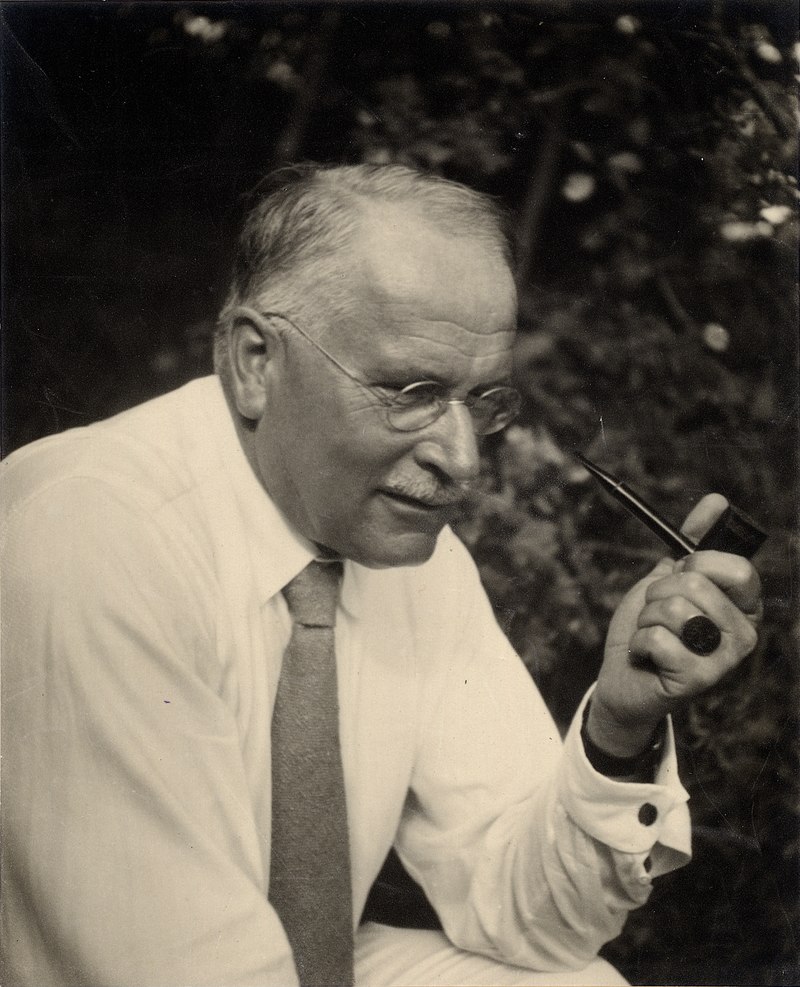
There was a psychiatrist named Jung
 who thought the Unconscious was far-flung --
  like Sandman's "The Dreaming"
  that you've seen on streaming:
 farfetched and fictional -- with heroes, unsung.

Freud Limerick

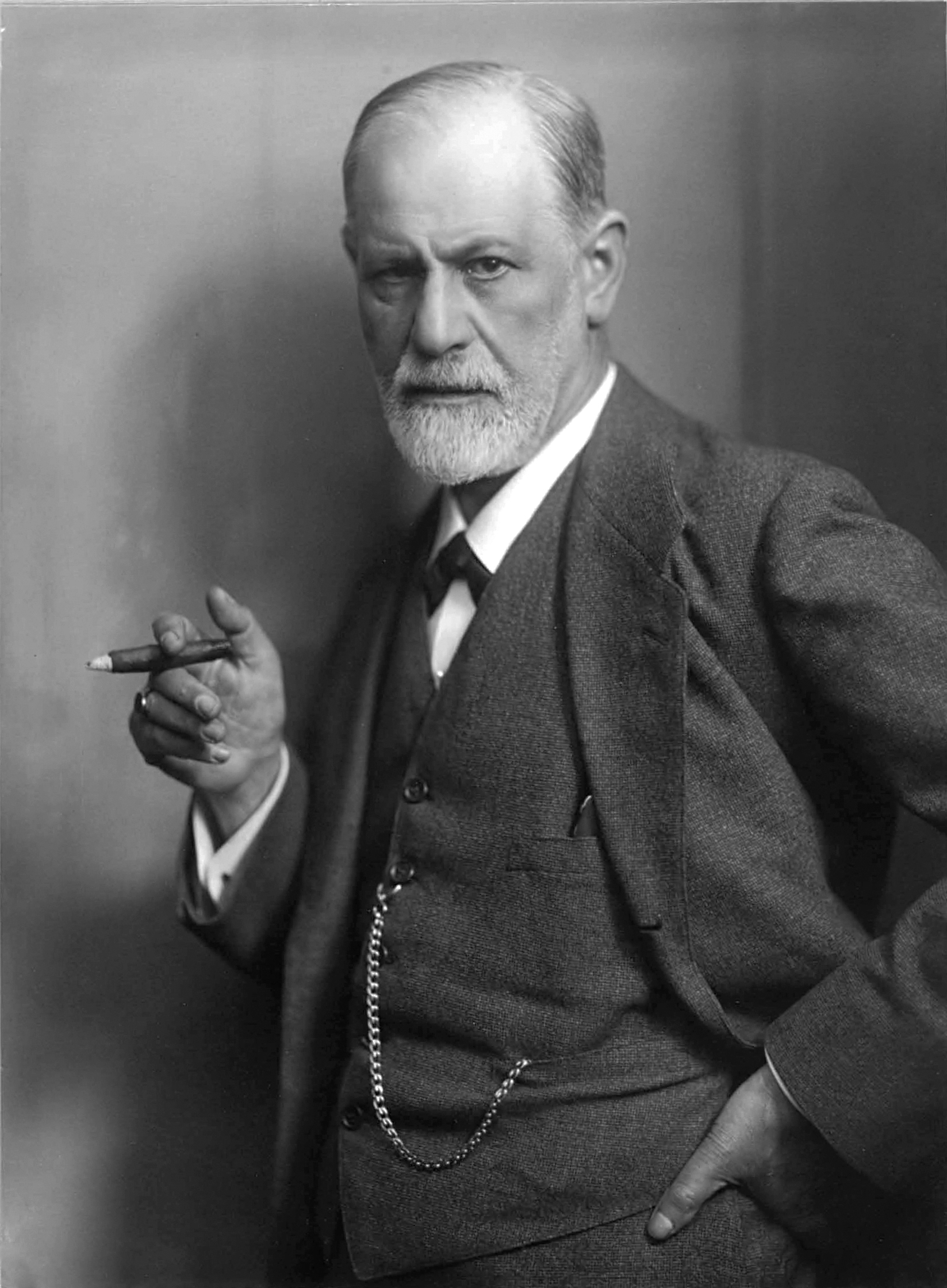
There once was a psychiatrist named Freud 
 who thought all were obsessed with filling a void...
   a void in the pants!
   Though some looked askance,
 and those whose cigars weren't cigars were annoyed.

Estonia Limerick

There was a soft-spoken jeweler from Estonia
 who often worked in cubic zirconia.
  He'd never tell a lie,
  but came across quite shy,
 Some thought they'd got the best deal in Estonia.

Living Backwards [Tanka]

young red leaf,
 on a sapling in Spring,
  slowly grows green.
 doesn't it know it should start green,
  and turn red in the Fall?

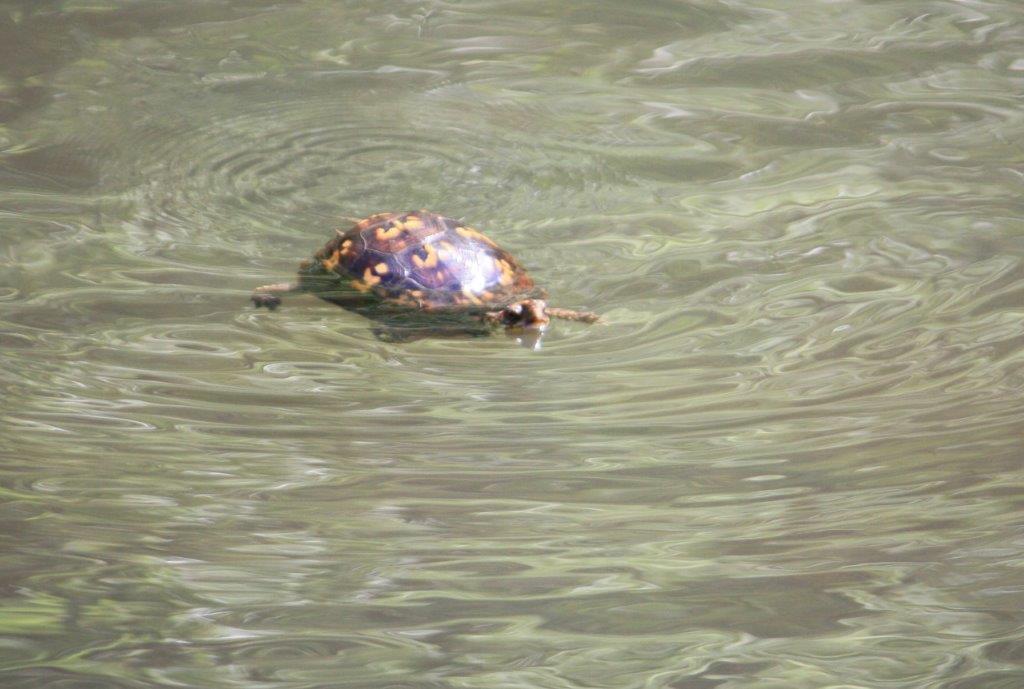
Swimming Turtle [Haiku]

on a fine spring day,
 a turtle swims leisurely
  in sun-warmed waters.

Ikkyū’s Poetry: The John Steven’s Wild Ways Selection / Translation

Wild Ways: Zen Poems of IkkyuWild Ways: Zen Poems of Ikkyu by Ikkyu
My rating: 5 of 5 stars

This is the John Stevens selection and translation of poetry from Ikkyū’s Crazy Cloud Anthology. Ikkyū was what might be called a mad sage of the Rinzai sect of Zen Buddhism. He once showed up at a temple in his vagabond rags and was turned away, when he came back the next day in the ceremonial robes that revealed him as a preeminent monk and was subsequently treated like royalty, he took the robes off and told the abbot that it was apparently the robes that were honored and deserving of a meal. Ikkyū was known not only for his rejection of dogmatic and highfalutin approaches to Buddhism, but also for his love of sex, brothels, meat eating, and poetry. Much of the poetry touches on those two subjects (disdain for dogma and pretension and love of pleasure,) though there are also poems that explore nature and the kind of imagery one might be more likely to expect in Japanese poetry.

Ikkyū mostly wrote in quatrains, using a Chinese style of verse. Though Ikkyū was no more dogmatic about following poetic protocols than he was following monastic precepts, and often went with the flow.

I read the Stephen Berg translation, Crow with No Mouth several years ago. I would put this one on par with that one. There are actually several translated selections from the Crazy Cloud Anthology poems that are available. If you are interested in Ikkyū’s poetry, this is as good a place to start as any. It should be noted that while some of the poetry is around sexuality, it’s not particularly graphic but more suggestive.

View all my reviews

Grass Waves [Haiku]

when calmness hushes
 the Spring winds, the grass still
  waves off the departed.