
bees pace the
 narrow blooms of wildflowers,
  working like it's play.

bees pace the
narrow blooms of wildflowers,
working like it's play.
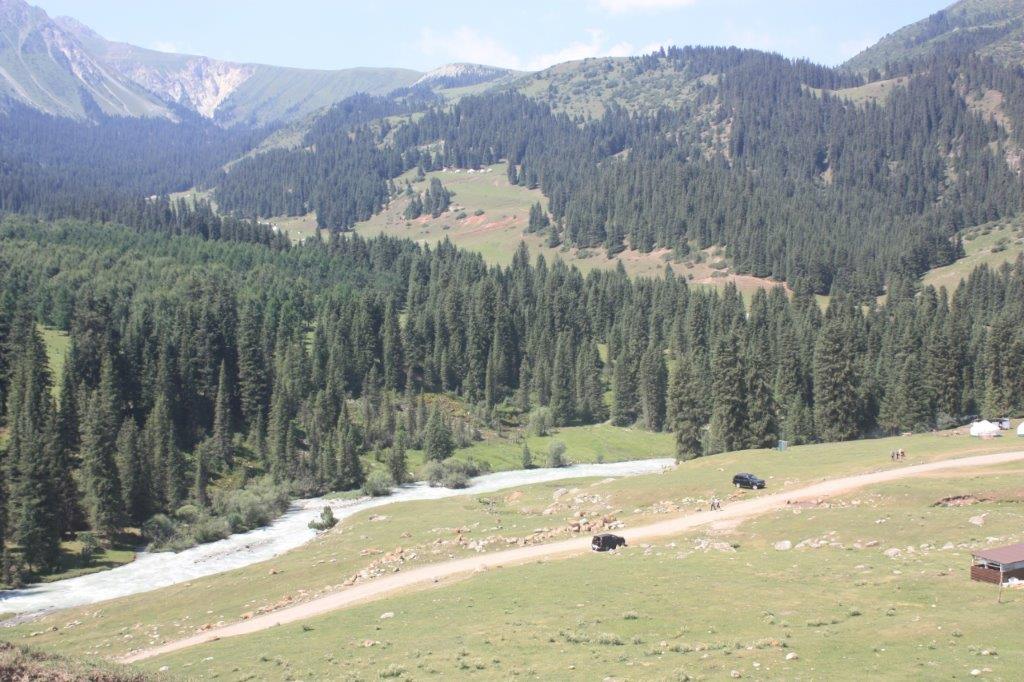
The scent: copper-carpeted pine forest;
 A stream rushes through: swirling, burbling;
 Blue sky and snowcaps peek through the treetops.
 In the distance, fishermen are trawling.
  A young lady with flowing hair and gown
  Passes gracefully through the thick woodlands.
  Eyes move when she moves and stop when she stops,
  Following her transit down the valley.
 The mind shows not its usual chaos,
 But is effortlessly anchored to her.
   As if to a huge rising moon.
   As if to blazing autumn hues.
NOTE: The late Tang Dynasty poet, Sikong Tu (a.k.a. Ssŭ-k‘ung T‘u,) wrote an ars poetica entitled Twenty-Four Styles of Poetry. It presents twenty-four poems that are each in a different tone, reflecting varied concepts from Taoist philosophy and aesthetics. Above is a translation of the sixteenth of the twenty-four poems.

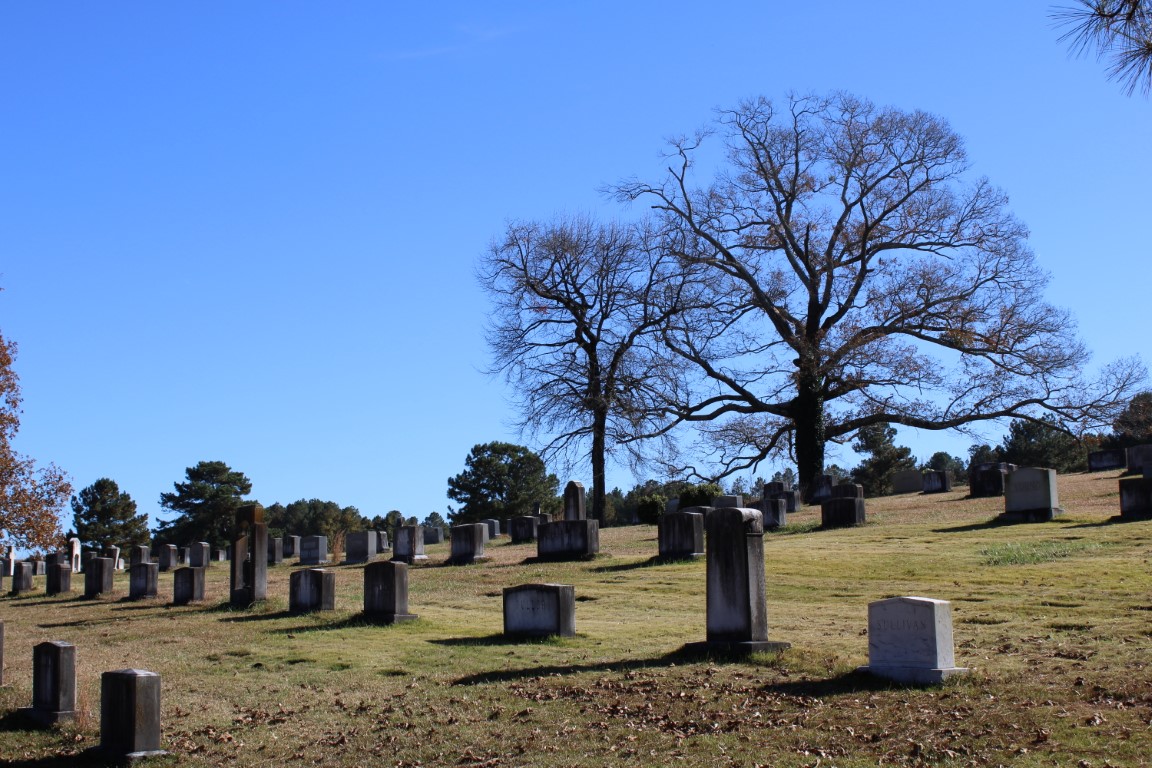
the graveyard weeds
 are blossoming in yellow
  to garland the tombs.
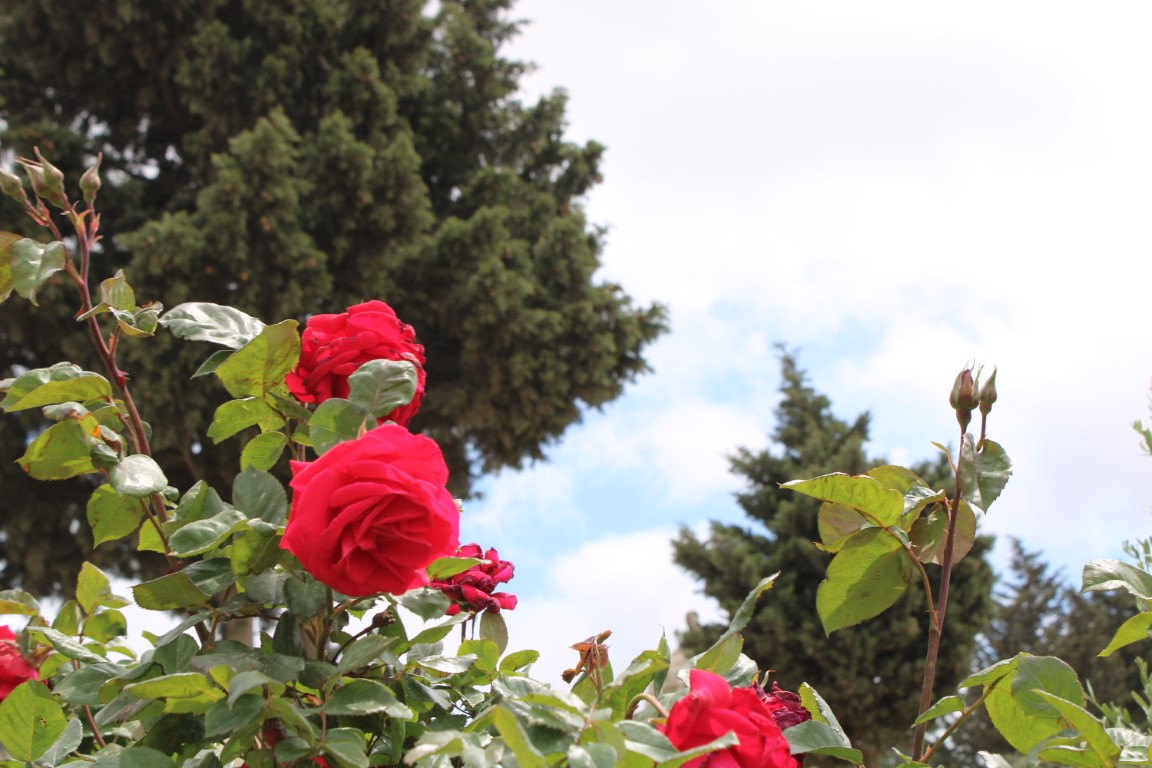
An evergreen and a red, red rose:
 One slowly, but dully, ever grows;
 One springs to life only for a short time.
 Lifespan pine and beauty rose, apposed?
 And risk vice versa? One never knows!
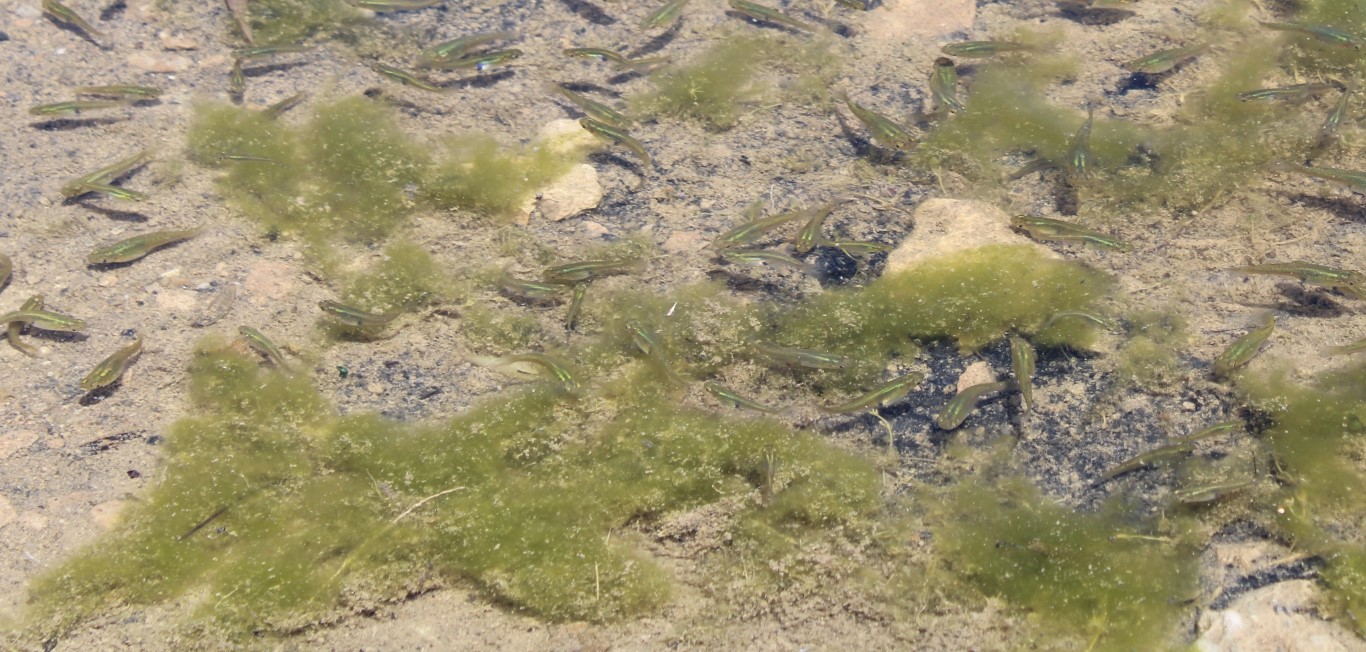
the Spring pond
 is teeming with tiny fish;
  which will see Summer?
When I am dead, my dearest,
 Sing no sad songs for me;
 Plant thou no roses at my head,
 Nor shady cypress tree:
  Be the green grass above me
  With showers and dew drops wet;
  And if thou wilt, remember,
  And if thou wilt, forget.

I shall not see the shadows,
 I shall not feel the rain;
 I shall not hear the nightingale
 Sing on, as if in pain:
  And dreaming through the twilight
  That doth not rise nor set,
  Haply I may remember,
  And haply may forget.

bare earth flaming:
 fire flickers, leaps, and jiggles,
  but never burns out.

the sea isn't far:
 somedays you see its slim band;
  others, it blends.

In the long, sleepless watches of the night,
 A gentle face -- the face of one long dead --
 Looks at me from the wall, where round its head
 The night-lamp casts a halo of pale light.
Here in this room she died; and soul more white
 Never through martyrdom of fire was led
 To its repose; nor can in books be read
 The legend of a life more benedight.
There is a mountain in the distant West
 That, sun-defying, in its deep ravines
 Displays a cross of snow upon its side.
Such is the cross I wear upon my breast
 These eighteen years, through all the changing scenes
 And seasons, changeless since the day she died.



 Tiger Riding for Beginners