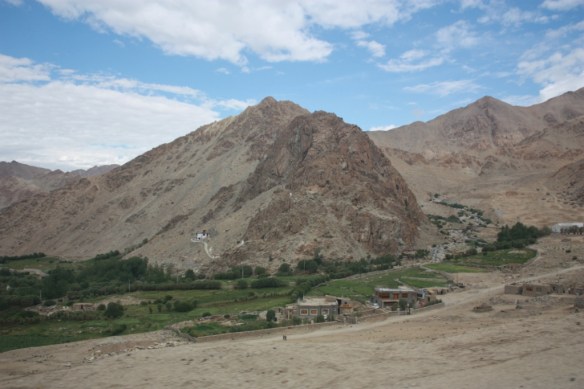
Taken in August of 2016 between Leh and Khardung-la pass

Taken in August of 2016 between Leh and Khardung-la pass
5.) Khajuraho in Madhya Pradesh

4.) Varkala in Kerala

3.) Pangong Tso in Ladakh

2.) Pushkar in Rajasthan

1.) Hampi in Karnataka

5.) Vada Pav (Potato [fritter] on a bun): India

Tip: Try it in Mumbai. While the one’s shown above were fine. The legendary Vada Pav is to be found at a stall across from Flora Fountain in Bombay.
4.) Pad Thai (Noodles Thai Style): Thailand

Tip: Vegetarians beware. Fish sauce is a standard ingredient in this dish. So if you order it vegetarian, it’s not just the prawns and / or chicken one needs to be wary about–depending upon how strict one is. Soy sauce is the substitute.
3.) Kürtőskalács (Chimney Cake): Hungary

Tip: It can be found at little stands in or near Christmas markets during the winter season. Buy it hot when it’s cold outside, and it will actually steam like smoke rising from a chimney. If you’re in Hungary during the summer or you want a savory street food, try lángos .
2.) Banh Mi: Vietnam

Tip: Try this sandwich on a baguette from Banh Mi 25, a famous cart at 25 Hàng Cá, Hàng Đào, Hoàn Kiếm in Hanoi.
1.) Momo (Dumpling): Tibet, Ladakh, and anywhere displaced Tibetans reside.

Tip: Try the spinach and cheese momo of The Wok Tibetan Kitchen on Main Bazaar Road in Leh.
Bonus: Masala Dosa: India, particularly in the South

Tip: If you ask for a “Paper Masala Dosa” you’ll probably get something too big to fit on a plate (as shown.) It will be very thin and the potato-based filling will only be in the central part. (So it’s not quite as insane an amount of food as it may appear.) This one is from Airlines Hotel in Bangalore. Dosa is just the Indian version of a pancake, and it can take many shapes and forms. There are a few varieties, but often it’s a rice & lentil-based rather than wheat-based flour.

Taken in the summer of 2015 in Kullu District, Himachal Pradesh
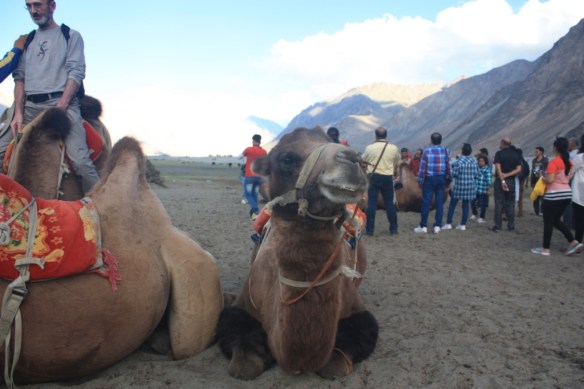
Taken in the Summer of 2016 in Nubra Valley, Ladakh
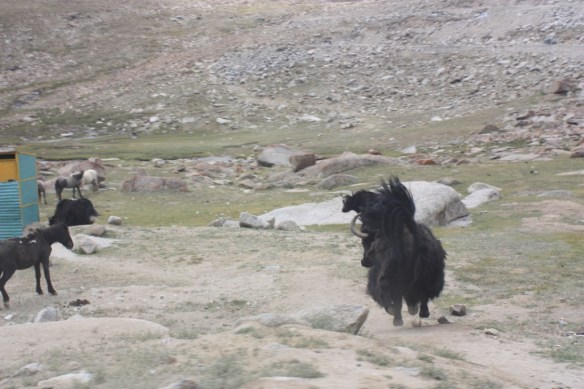
Taken in the Summer of 2016 on the road to Pangong Tso

Taken in July of 2015 in Ladakh at Namikala Pass

Leh

Nubra Valley

Pangong Tso
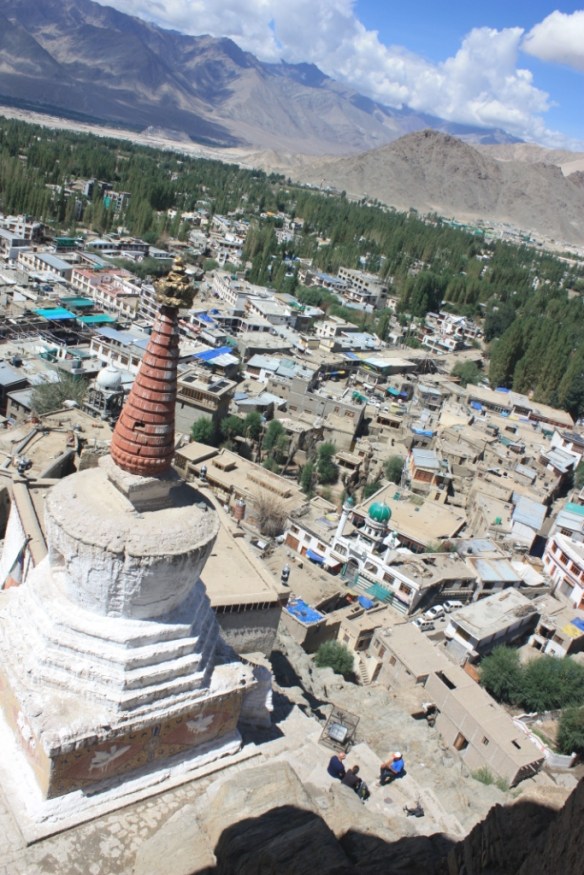
Taken in August of 2016 in Leh
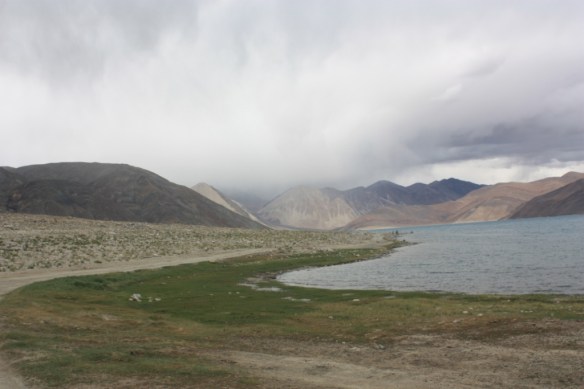
Taken in August of 2016 at Pangong Tso in Ladakh
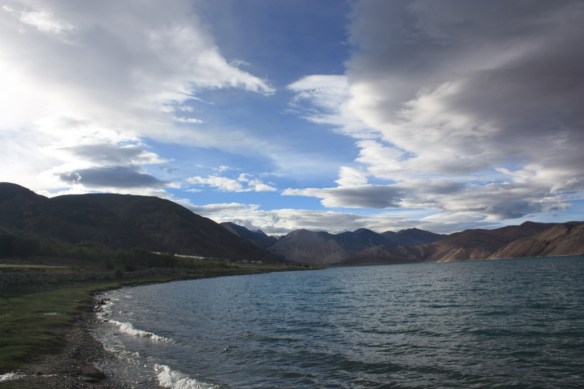
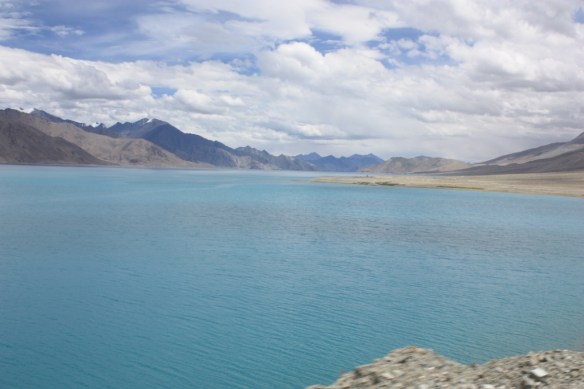
With each change in cloud and sky, Pangong Tso looks like a different lake.
Pangong Tso is a long, narrow lake that crosses the border between India and China. By length, the majority of the lake falls in China, but these photos were all taken on the Indian side of the border.
It’s actually substantially higher than Lake Titicaca in Peru, which claims the title of highest navigable lake in the world. Pangong Tso is 4,350 m (14,280 ft) while Titicaca is 3810 m (12,500 ft.)
Don’t ask me what constitutes “navigable.” My wife and I tried to figure that out when we visited Titicaca several years ago. We didn’t see anything bigger than the boat we were on–nothing that would be called a ship. Of course, we saw not so much as an inner tube on Pangong Tso, and the fact that it’s so narrow in places may mean that a boat would have to have an exceedingly shallow draft to make it down the lake’s length. That is if one could travel the lake’s length without trigger happy Chinese or Indian military forces freaking out and blowing your boat out of the water.






 Tiger Riding for Beginners