Taken in Hampi in November of 2013.

Taken in Hampi in November of 2013.
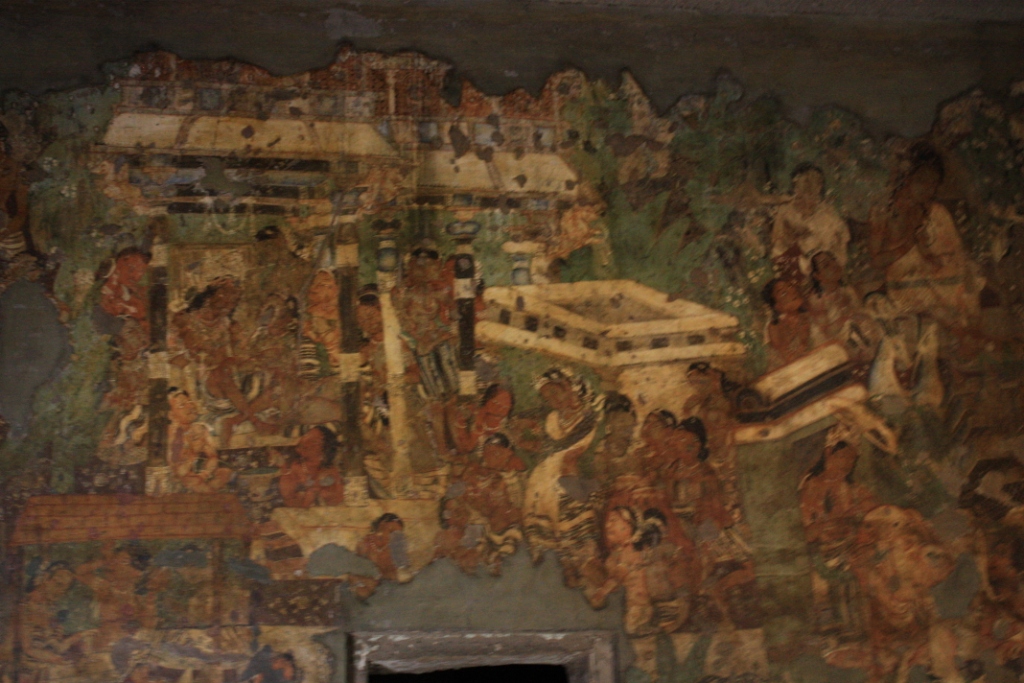
Taken on November 19, 2014 in Ajanta Caves
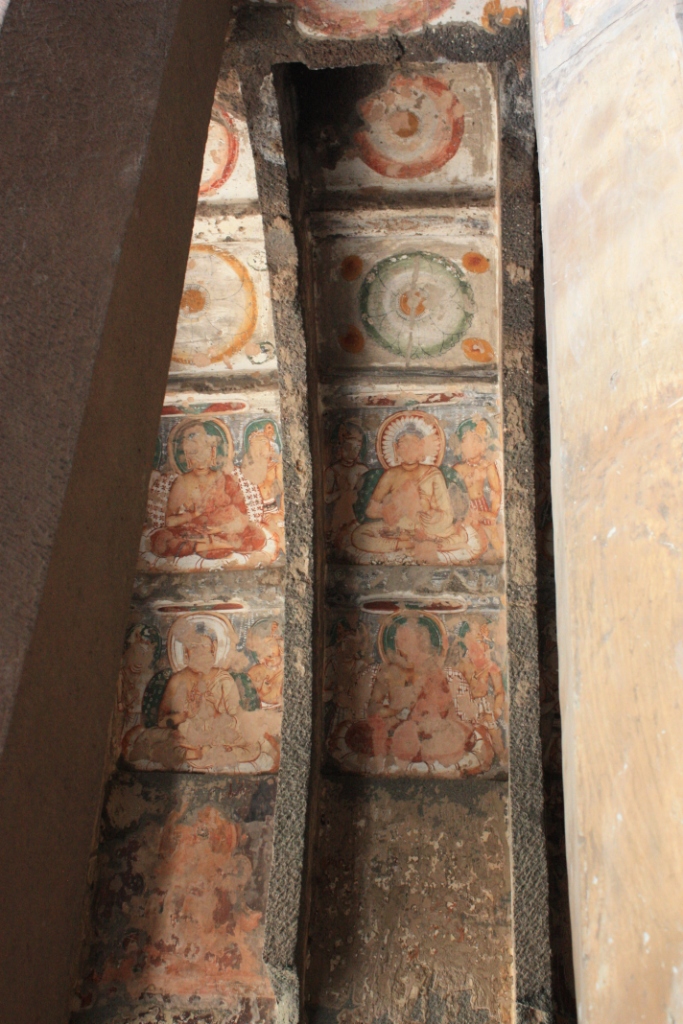
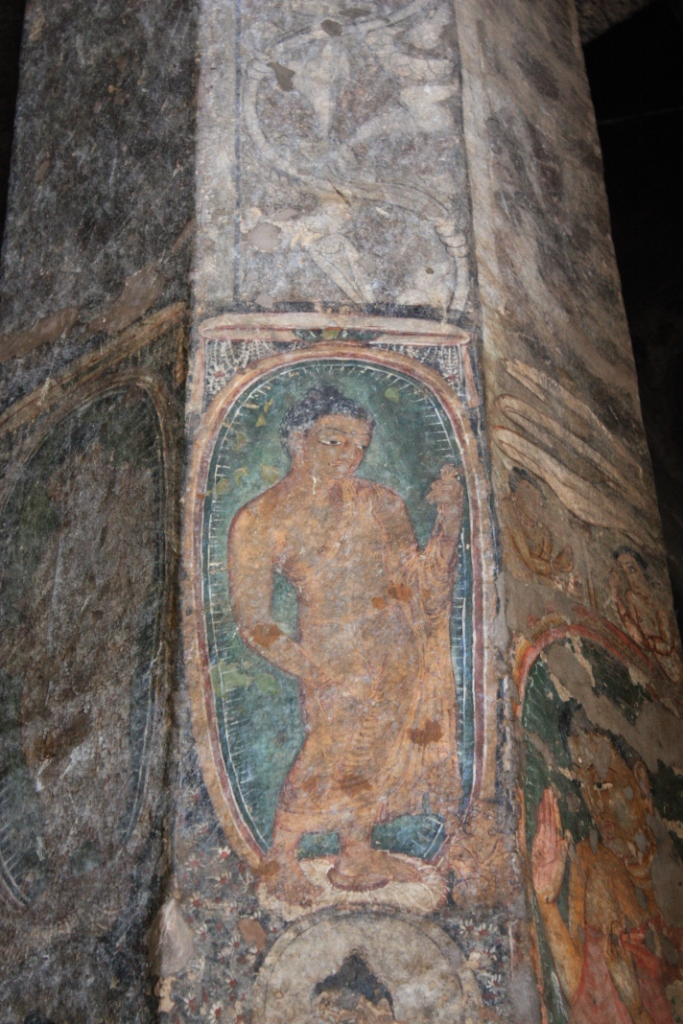
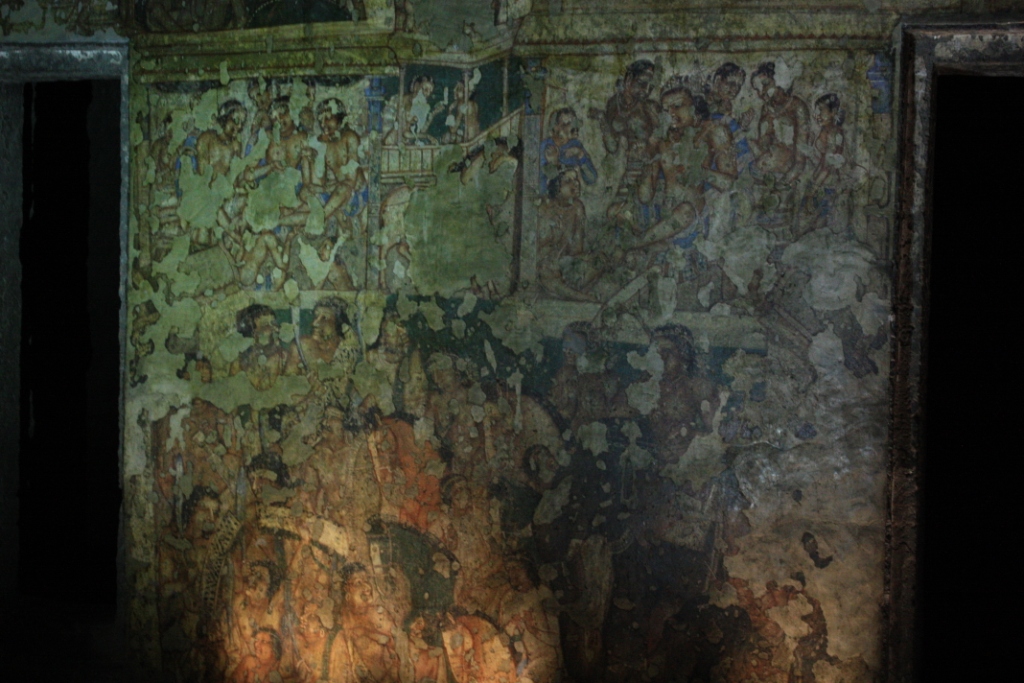
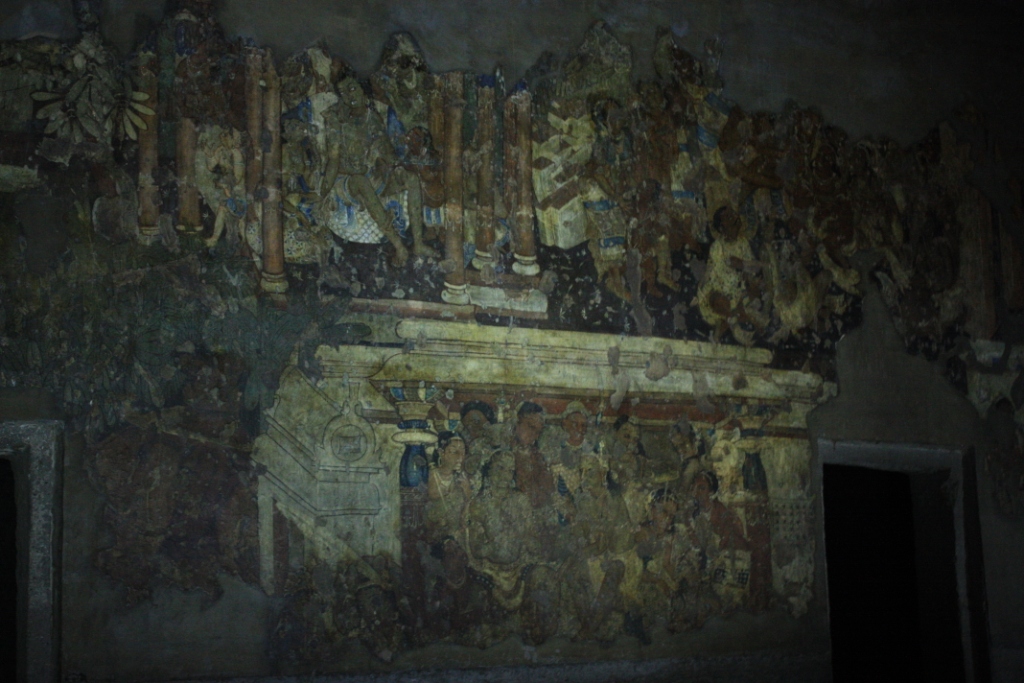 In the caves of Ajanta, many wall paintings have been preserved. As harsh light can damage these artworks, some of which have survived for centuries, flashes and outside lighting are prohibited. Therefore, it’s a challenge get decent photos, but here are a few attempts.
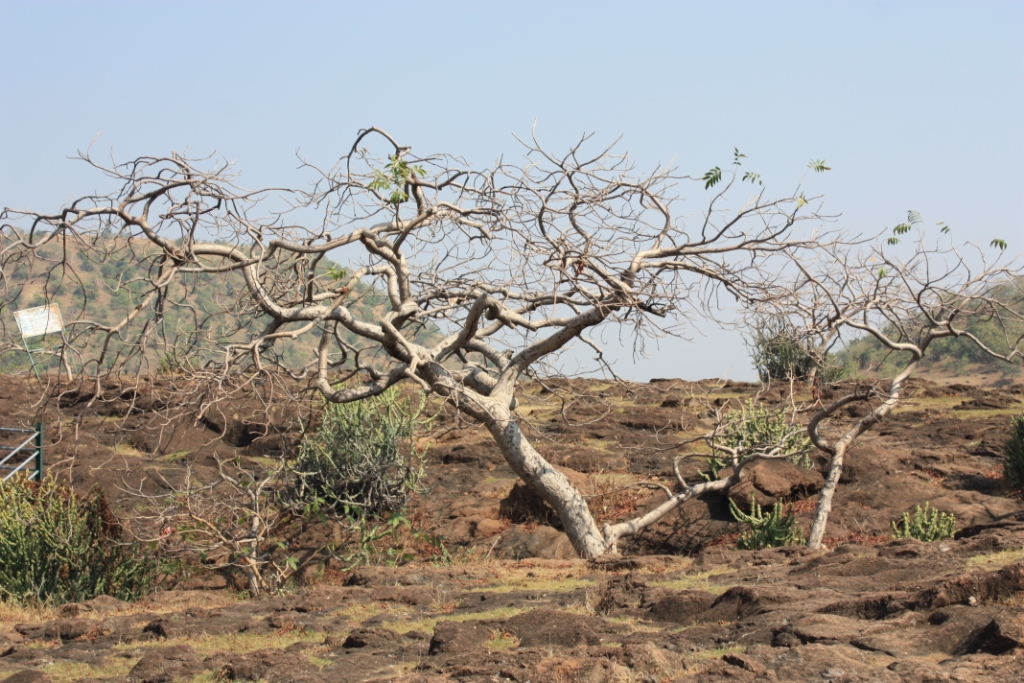
Taken on November 19, 2014 at Ajanta.
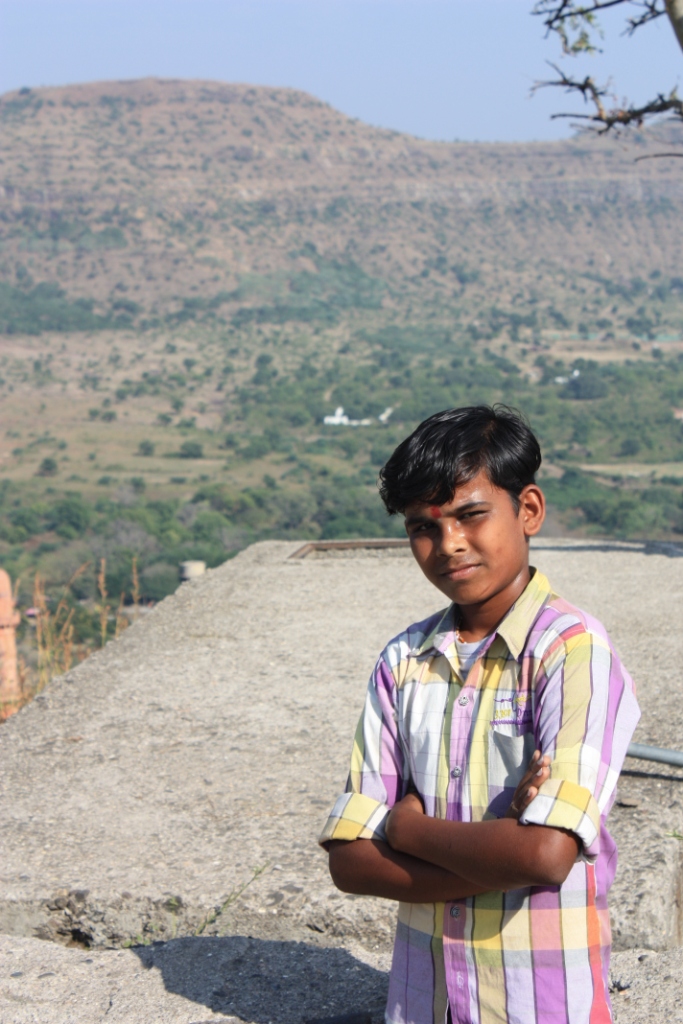
Taken on November 20, 2014 at Daulatabad Fort
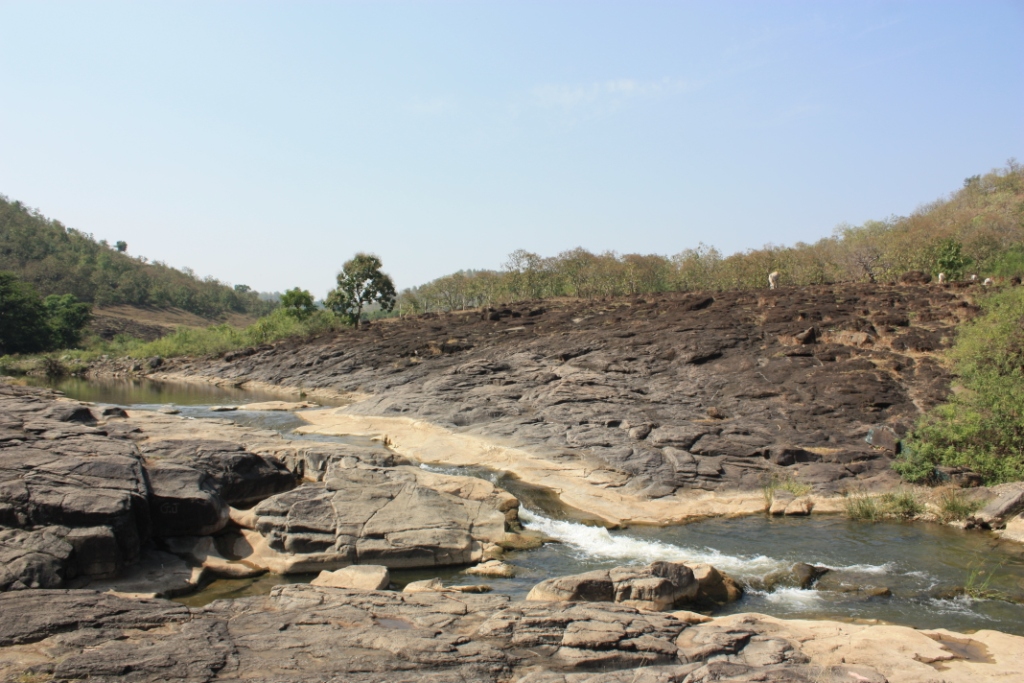
Taken November 19, 2014
These are the falls just down the Waghur river from the Ajanta Caves. This is above the falls.
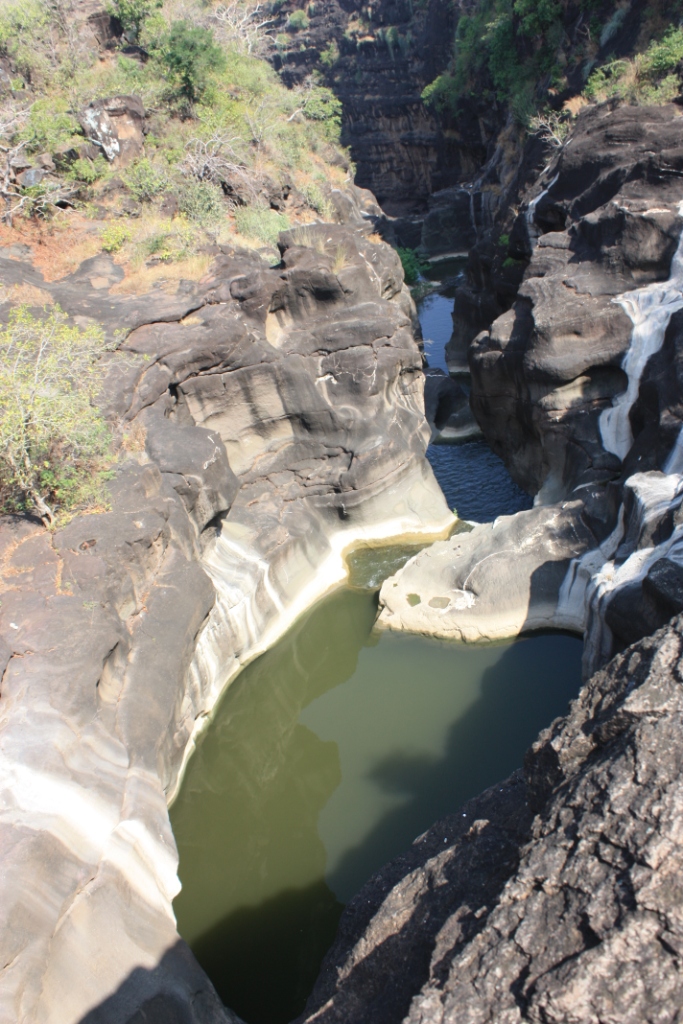
This is looking down the toward the falls. Water collects in a series of natural cisterns, each filling and spilling into the next.
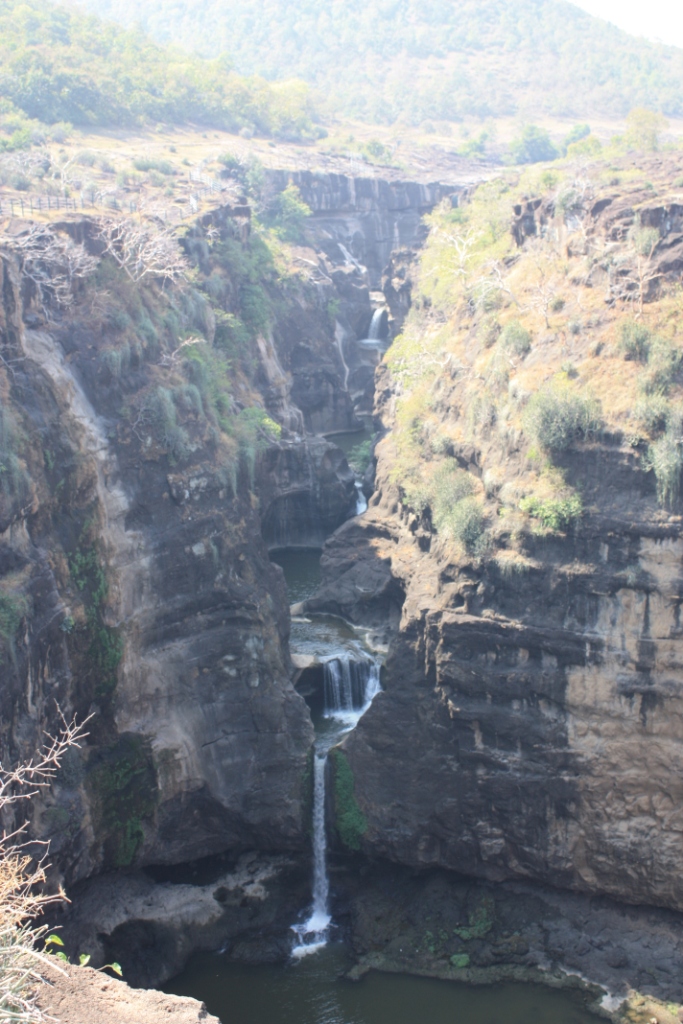 This is the waterfall from across the river.
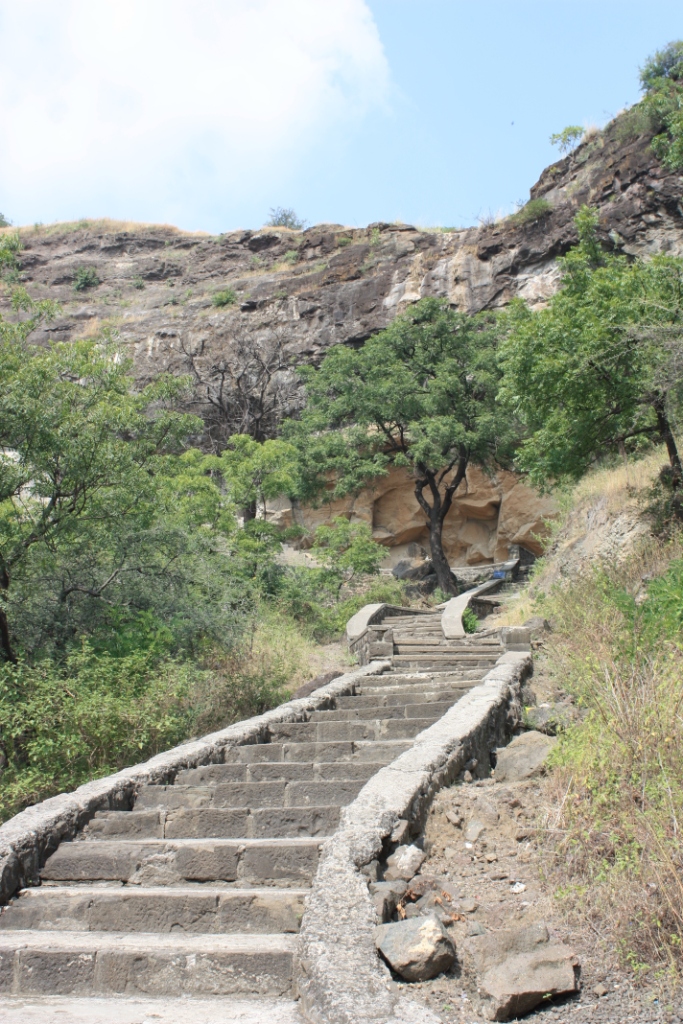
Taken on November 18, 2014 at the Aurangabad Caves
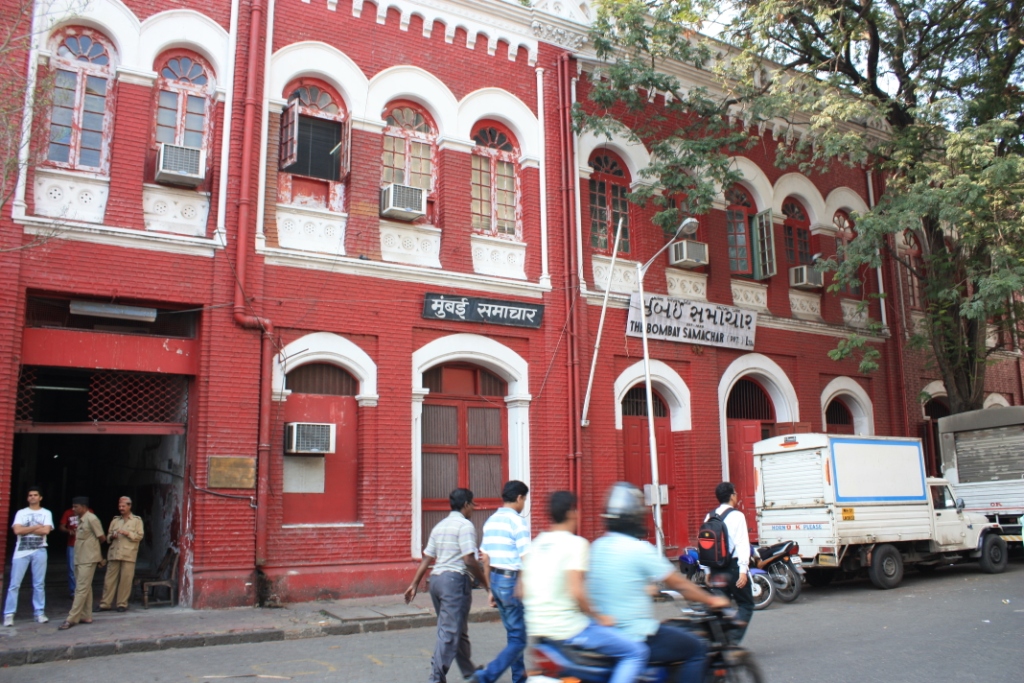
Taken on November 22, 2014 in Mumbai
Except for old firehouses, one doesn’t see a lot of red buildings. So this one in the Fort District caught my eye. I didn’t realize until I returned home that it’s the home of “The Bombay Samachar,” which is the oldest continuously published newspaper in India–having begun in the year 1822.
 An Introduction to Yoga by Annie Besant
My rating: 3 of 5 stars
Given what the word “yoga” brings to mind these days, I’ll first note that this isn’t the book for one who’s looking to improve a stiff downward dog, or even an errant kapalbhati breath. There’s no mention of such physical practices. This is a philosophy book–or theosophy if you want to get technical about it. Besant’s definition of yoga makes this clear, “Yoga is the rational application of the laws of the unfolding of consciousness, self-applied in an individual case.” The book is actually a series of lectures by Besant delivered in 1907 at the 32nd anniversary of the Theosophical Society. If it were being released today it might be called “An Introduction to Yogic Philosophy” or “An Introduction to Jnana Yoga” to avoid confusion. Jnana Yoga is the path of knowledge, as opposed to Karma Yoga (the yoga of action) or Bhakti Yoga (the yoga of devotion,) and it’s Jnana Yoga that’s the focus of this work.
I was ignorant of who Annie Besant was when I read this book. I’d heard of the Theosophical Society, but mainly in the context of being an organization that Jiddu Krishnamurti had been a prominent member of, but then had a falling out with. (Given my respect for—and alignment with– the ideas of Krishnamurti, I must admit that this biased me a bit against the Society–perhaps unfairly.) If you’re not familiar with Theosophy, the name probably gave you a big clue about what it’s all about. The “theos” (as in theology) refers to the divine or godly, and “sophia” (as in philosophy) means wisdom or knowledge. So theosophy is knowledge of the divine and it suggests that a mystical path to knowing god can be achieved. I mention all this so that the reader will be aware that this isn’t “what is yoga?” through the eyes of a Hindu or a yogi as much as it is “what is yoga?” framed by a Theosophist. (That’s not to imply any objectionable biases in the book, just in the interest of full disclosure.)
Having clarified what the book isn’t, it’s now time to turn to what the book is. It’s divided into four lectures. The first is entitled “The Nature of Yoga” and revolves around the questions of what is consciousness, what is divine, and how do they interrelate. The second lecture puts yoga into context as one of the six Indian schools of Philosophy, mostly comparing and contrasting yoga to Samkhya and Vedanta—the schools that yoga is most closely linked to. The third lecture considers yoga as an applied science. The final lecture discusses the practice of yoga. Again this is the practice of Jnana Yoga, and not yoga as it’s practiced today. Besides some discussion of diet and vague statements about how to purify the physical body, there’s no discussion of practices other than Dharana (concentration) and Dhyana (meditation.)
In more specific detail, the book addresses the following topics: the 4 states of consciousness, the 3 aspects of consciousness, the 5 stages of the mind, the 3 gunas, the 5 functions of pain, and the 7 obstacles to yogic progress.
I don’t mean to make it sound like the book is entirely a listopia, but the author is very organized—and, to be fair, a lot of these lists are passed on from ancient works. Given this book is the product is 19th century English, its readability is tolerable—especially considering the complex and abstract concepts under consideration. That said, there’s no attempt to put the abstractions in more concrete terms by way of narrative techniques or the like.
I’d recommend this book for those who are interested in Yoga as a philosophy. If you’re interested in the philosophy of the Theosophists, all the better. Again, it’s not of much value for an individual who wants to know about yoga as an approach to fitness, or even someone who wants a balanced view of the eight limbs of yoga. This book skips straight to the last three limbs, i.e. dharana, dhyana, and Samadhi (union with the divine, liberation from the karmic cycle, etc.) In that way it’s an advanced text, and the term “Introduction” in the title may be more deceptive than the word “Yoga.”
Also, it’s free on Kindle.
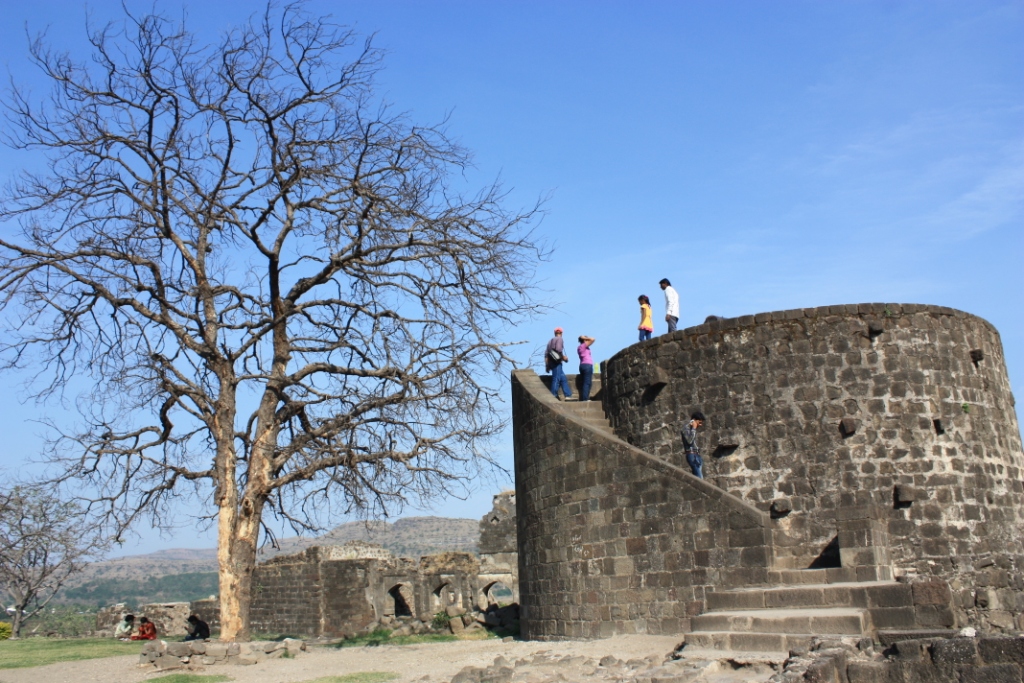
Taken on November 20, 2014 at Daulatabad
Atop the cylindrical structure to the right is an 18-foot long cannon that is ornately engraved so as to be a work of art.
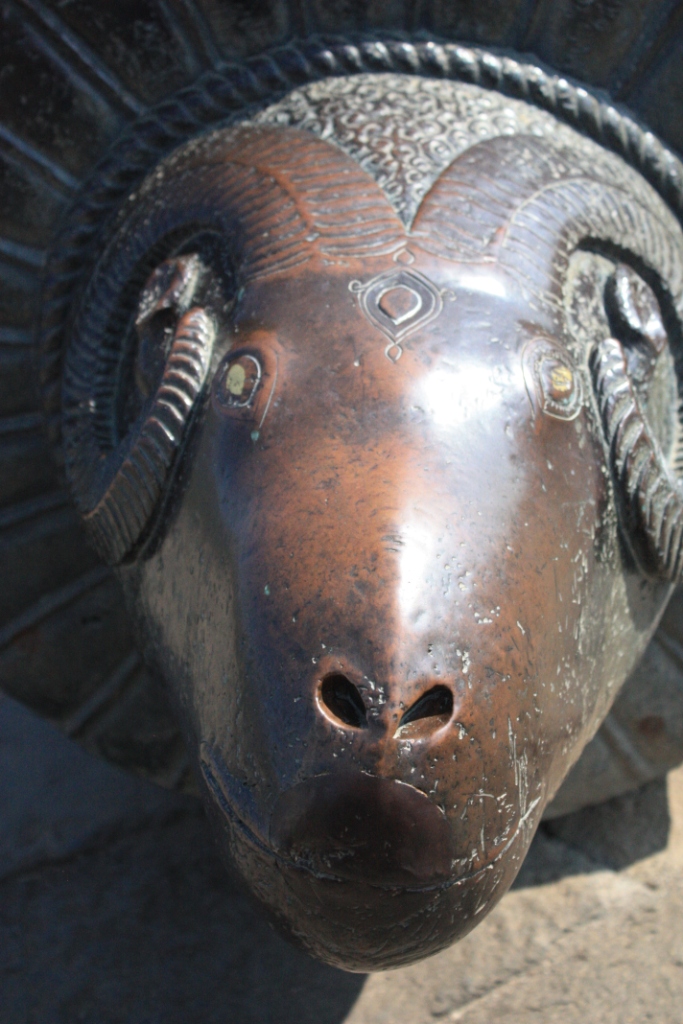
The Ramshead cascabel of the 6 meter cannon at Daulatabad