I knew a man, a common farmer, the father
   of five sons,
 And in them the fathers of sons, and in
   them the fathers of sons.

This man was of wonderful vigor, calmness,
   beauty of person,
 The shape of his head, the pale yellow and
   white of his hair and beard, the
   immeasurable meaning of his black eyes,
   the richness and breadth of his manners,
 These I used to go and visit him to see, he
   was wise also,
 He was six feet tall, he was over eighty years
   old, his sons were massive, clean,
   bearded, tan-faced, handsome,
 They and his daughters loved him, all who
   saw him loved him,
 They did not love him by allowance, they
   loved him with personal love,
 He drank water only, the blood show'd like
   scarlet through the clear-brown skin of
   his face,
 He was a frequent gunner and fisher, he
   sail'd his boat himself, he had a fine one
   presented to him by a ship-joiner, he had
   fowling-pieces presented to him by men
   that loved him,
 When he went with his five sons and many
   grand-sons to hunt or fish, you would
   pick him out as the most beautiful and
   vigorous of the gang,
 You would wish long and long to be with
   him, you would wish to sit by him in the
   boat that you and he might touch each
   other.
The love of the body of man or woman
   balks account, the body itself balks,
   account,
 That of the male is perfect, and that of
   the female is perfect.

The expression of the face balks account,
 But the expression of a well-made man
   appears not only in his face,
 It is in his limbs and joints also, it is
   curiously in the joints of his hips and
   wrists,
 It is in his walk, the carriage of his neck, the
   flex of his waist and knees, dress does not
   hide him,
 The strong sweet quality he has strikes
   through the cotton and broadcloth,
 To see him pass conveys as much as the best
   poem, perhaps more,
 You linger to see his back, and the back of
   his neck and shoulder-side.

The sprawl and fulness of babes, the bosoms
   and heads of women, the folds of their
   dress, their style as we pass in the street,
   the contour of their shape downwards,
 The swimmer naked in the swimming-bath,
   seen as he swims through the transparent
   green-shine, or lies with his face up and
   rolls silently to and fro in the heave of the
   water,
 The bending forward and backward of
   rowers in row-boats, the horseman in his
   saddle,
 Girls, mothers, house-keepers, in all their
   performances,
 The group of laborers seated at noon-time
   with their open dinner-kettles, and their
   wives waiting,
 The female soothing a child, the farmer's
   daughter in the garden or cow-yard,
 The young fellow hoeing corn, the sleigh-
   driver driving his six horses through the
   crowd,
 The wrestle of wrestlers, two apprentice-
   boys, quite grown, lusty, good-natured,
   native-born, out on the vacant lot at sun-
   down after work,
 The coats and caps thrown down, the
   embrace of love and resistance,
 The upper-hold and the under-hold, the hair
   rumpled over and blinding their eyes;
 The march of firemen in their own
   costumes, the play of masculine muscle
   through clean-setting trowsers and waist-
   straps,
 The slow return from the fire, the pause
   when the bell strikes suddenly again, and
   the listening on the alert,
 The natural, perfect, varied attitudes, the
   bent head, the curv'd neck and the
   counting;
 Such-like I love -- I loosen myself, pass
   freely, am at the mother's breast with the
   little child,
 Swim with the swimmers, wrestle with
   wrestlers, march in line with the firemen,
   and pause, listen, count.
I sing the body electric,
 The armies of those I love engirth me
   and I engirth them,
 They will not let me off till I go with them,
   respond to them,
 And discorrupt them, and charge them full
   with the charge of the soul.

Was it doubted that those who corrupt
   their own bodies conceal themselves?
 And if those who defile the living are as bad
   as they who defile the dead?
 And if the body does not do fully
   as much as the soul?
 And if the body were not the soul,
   what is the soul?
Call the roller of big cigars,
 The muscular one, and bid him whip
 In kitchen cups concupiscent curds.
 Let the wenches dawdle in such dress
 As they are used to wear, and let the boys
 Bring flowers in last month's newspapers.
 Let be be finale of seem.
 The only emperor is the emperor of ice-cream.

Take from the dresser of deal,
 Lacking the three glass knobs, that sheet
 On which she embroidered fantails once
 And spread it so as to cover her face.
 If her horny feet protruded, they come
 To show how cold she is, and dumb.
 Let the lamp affix its beam.
 The only emperor is the emperor of ice-cream.
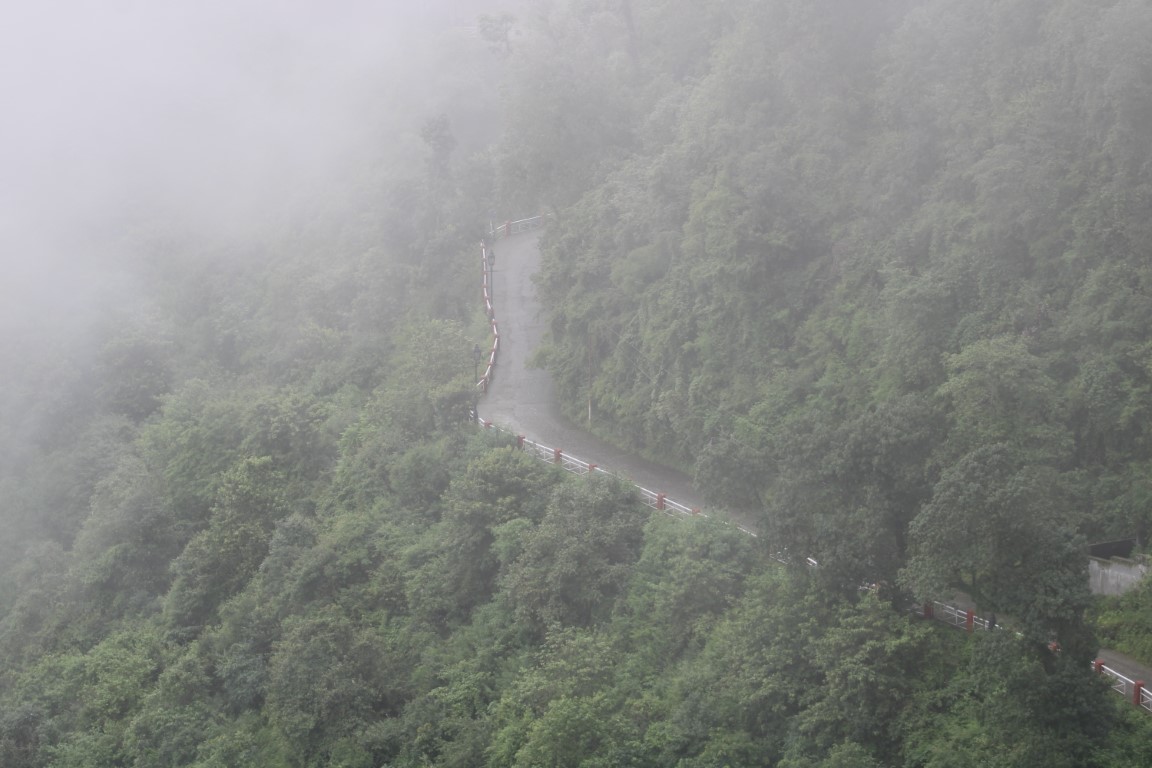
Climbing Taihang Mountain,
  On the green winding way.
  The jade-lined trail in fog,
  Floral scents from the gray.
 Stuck in unflowing time,
  'Til a song sung bright and gay...
  I'm steered back to my past
  With the grace of ghosts at play.
 Skirting roiling waters,
  A Roc soars after prey.
 The Tao is unbounded --
  Round or square as it may.
NOTE: The late Tang Dynasty poet, Sikong Tu (a.k.a. Ssŭ-k‘ung T‘u,) wrote an ars poetica entitled Twenty-Four Styles of Poetry. It presents twenty-four poems that are each in a different tone, reflecting varied concepts from Taoist philosophy and aesthetics. Above is a crude translation of the seventeenth of the twenty-four poems. This poem’s Chinese title is 委曲, and has been translated as: “Grievance” and “In Tortuous Ways.”
Should the wide world roll away
   Leaving black terror
   Limitless night,
 Nor God, nor man, nor place to stand
   Would be to me essential
 If thou and thy white arms were there
   And the fall to doom a long way.
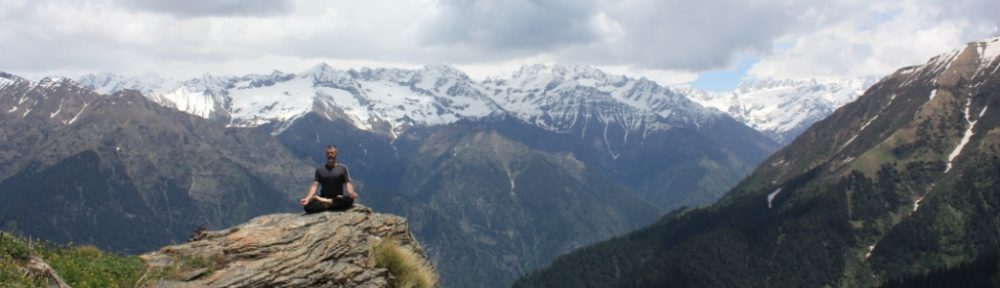
Ah, make nature your home;
  Be true and be unchained.
  Enrichment by control
  Can never be sustained.
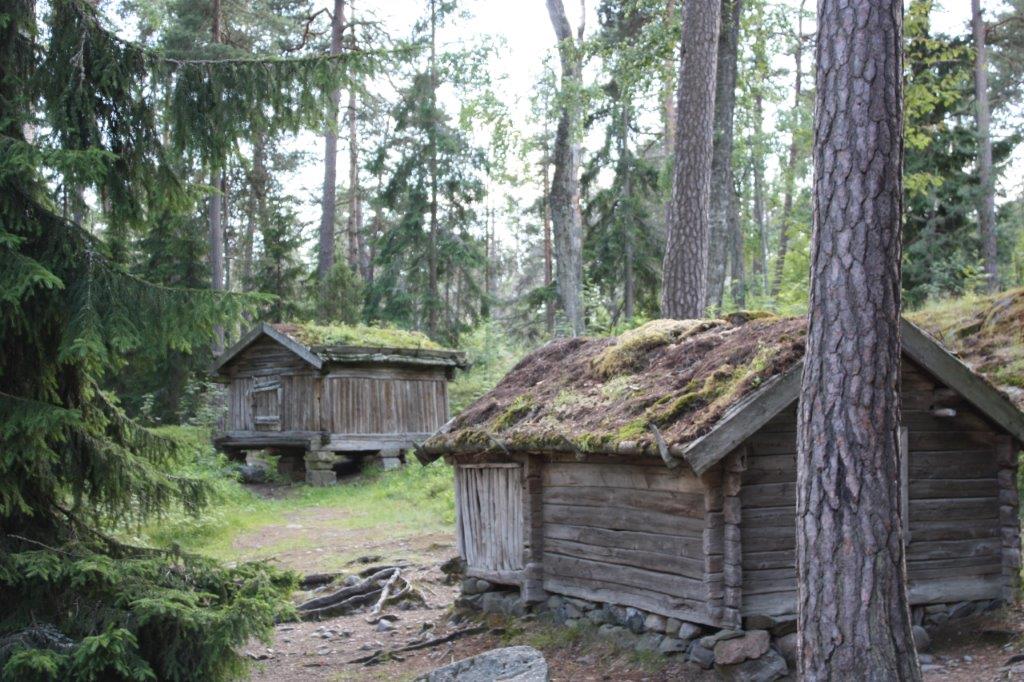
 Build your hut in the pines:
  Toss your hat and read verse.
  Know the dawn from the dusk,
  But not time -- cradle to hearse.
 If your life suits you well
  Why must you strive and strain?
 If you're unbound as sky,
  This style you have attained.
NOTE: The late Tang Dynasty poet, Sikong Tu (a.k.a. Ssŭ-k‘ung T‘u,) wrote an ars poetica entitled Twenty-Four Styles of Poetry. It presents twenty-four poems that are each in a different tone, reflecting varied concepts from Taoist philosophy and aesthetics. Above is a crude translation of the fifteenth of the twenty-four poems. This poem’s Chinese title is 疏野 and it has been translated as “Seclusion” [Giles,] “The Carefree and Wild Style” [Barnstone / Ping,] as well as, “Unrestricted,” “Seclusion,” and “Sparse Wilderness.”










 Tiger Riding for Beginners