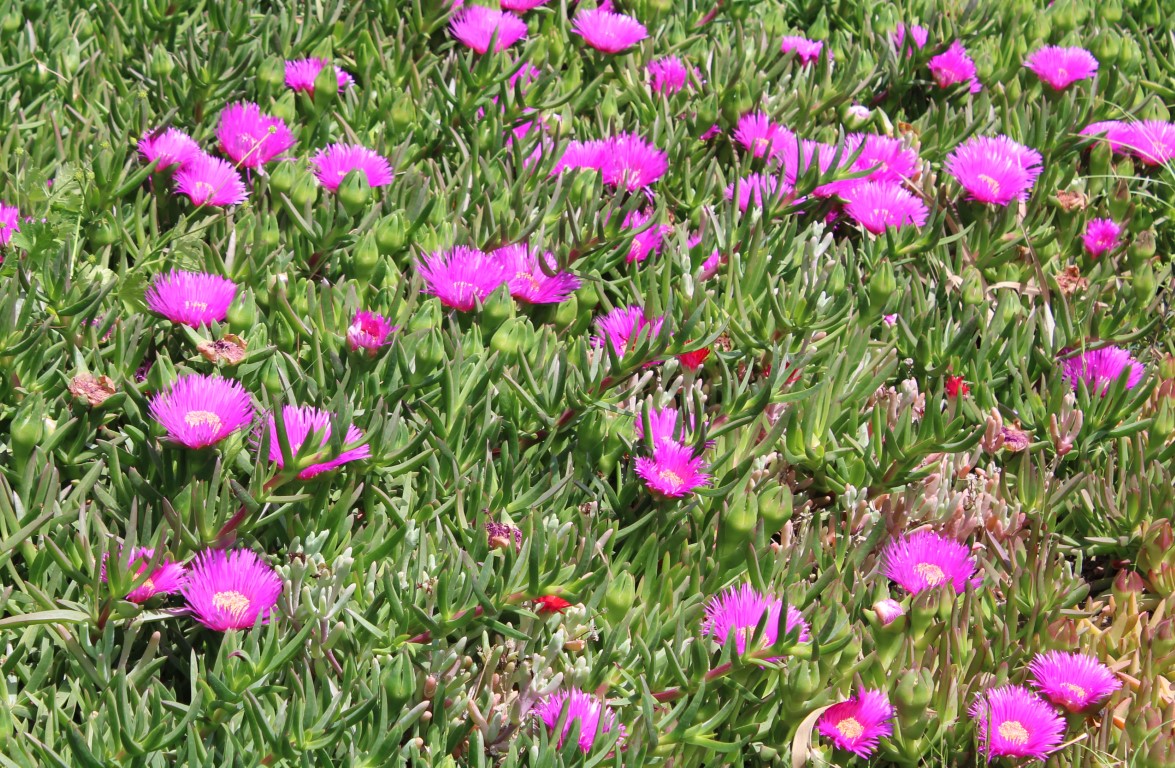
the lawn blossoms:
 attracting minds that never
  paid heed the grass.

the lawn blossoms:
attracting minds that never
paid heed the grass.
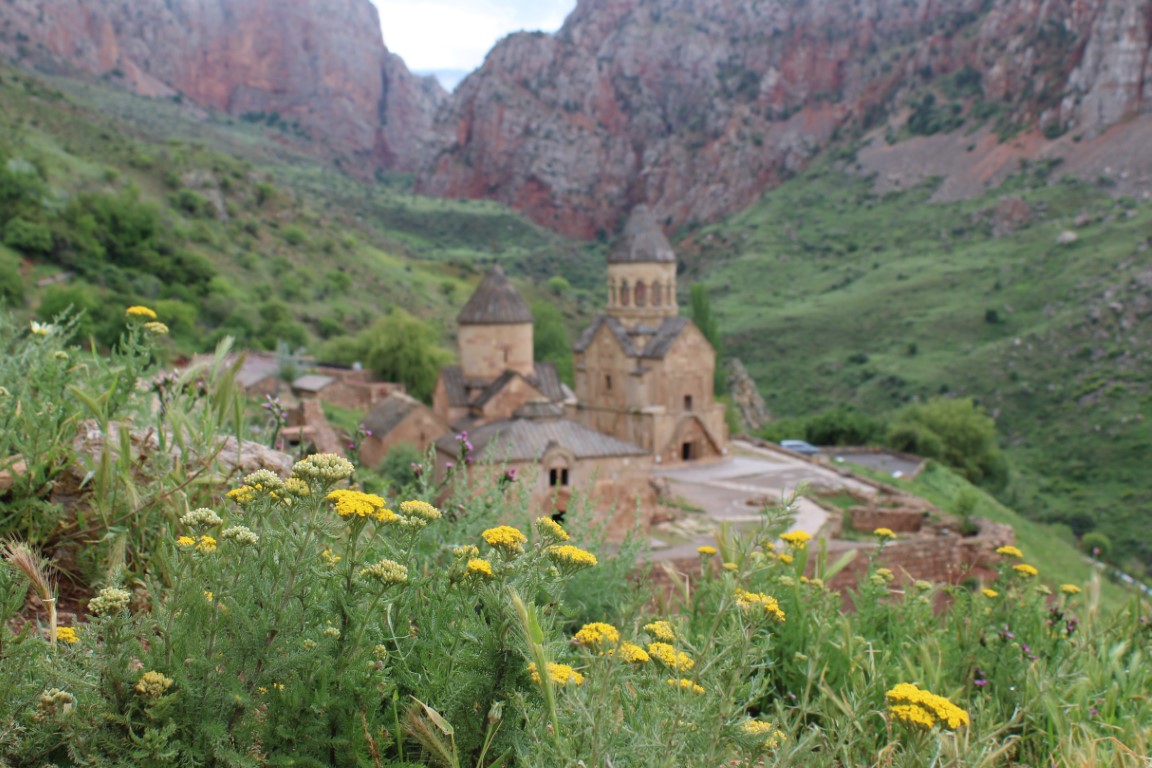
a quiet valley,
 sheltered from the world:
  flowers rivet monks.
What bores you?
I believe boredom is the product of a weak mind.
There’s always something noteworthy happening. It just sometimes takes more mental energy and broadened interests to experience it.
the crab that scurries
 when i come within ten feet,
  caught unaware by waves
 Cognitive Neuroscience: A Very Short Introduction by Richard Passingham
 A sight enflames my consciousness,
and the world blurs away.
And nothing vibrant or golden
can hold my mind in sway.
A simple beauty does the trick —
no gemstones are needed —
to ensure the cosmos beyond
lies wholly unheeded.
I never know what simple sight
will capture my focus —
perhaps, a cloud, or just a curve,
a creature, or a crocus.
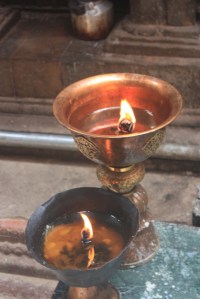 bell clanging
incense burning
garlands hanging
a hint of sacred in the air
and yet the mind is tossed
nothing sticks in one’s attention
any more than a rider can stay saddled on a dragon
if you can trip into the space between peals,
and ride that into the void,
you may find what you’re looking for
 On Looking: Eleven Walks with Expert Eyes by Alexandra Horowitz
My rating: 5 of 5 stars
This is a field guide to getting the most out of walks in the city; though it’s presented through a series of essays. City-centeredness is the book’s niche. There are tons of books that teach one how to get more out of the subtle signs and signals seen in nature, but we tend to miss the nature (and a good deal of the culture) in our city walks because we view them in a utilitarian fashion and because there is so much shouting for our attention that it’s easy to miss nature’s subtle cues.
The book consists of 12 chapters—each of which is organized around a city walk. Eleven of these walks are with experts who offer the author (and her readers) greater insight into some dimension of the city walk experience that is often lost to the limits of our attention. When I use the word “expert,” I use it broadly. The reader may find some of these individuals more worthy of the title “expert” than others—e.g. two among them are the author’s 19 month old son and her dog—but they all offer a unique insight. [You may recognize the author’s name from a popular book she wrote on dog behavior, and that’s a particular area of interest for her.] Others are the kind of experts that might testify in court or be asked to give a consultation at a corporation. Along the way, Horowitz inserts more general information on the psychology and science of human attention–and its limits—as is relevant to the larger discussion.
The twelve chapters are organized into three parts. The first part deals with the inanimate dimension of the city. Its four chapters deal with the things that children notice owing to either their height or their unjadedness, the natural materials of the city (rocks and biomass), fonts and signage, and the under-appreciated ordinary.
The second part explores the animate part of the city, including insects, animals, and humans. The reader will learn that–despite the fact that they may only see the occasional bird or squirrel—the city is teeming with non-human fauna. The two chapters that deal with humans take quite different perspectives. One is with the Director of the Project on Public Spaces, an expert on how cities are organized (by planning, organically, and by default) and the effect that this has on people and their movement through cities. The last chapter in this part is by a doctor whose expertise is making diagnoses in the style of Sherlock Holmes by means of close observation of the minutiae of a person’s appearance and posture.
The final part is about the sensory experience of a city walk. The first chapter in this section details a walk with a blind woman who is attuned to moving about the city using her other senses. There’s a chapter with an expert on sound, and the walk she takes with her dog—whose experience is largely informed by its olfactory sense. The last chapter is a short summation of what the author has learned and begun to apply in her own solo walks.
The book has few graphics, e.g. depictions of relevant art. There are source citations arranged by chapter in end-note form.
I found this book to be intriguing and beneficial. I think we could all benefit from city walkers who were more tuned in to what was going on around them. (Sadly, the trend seems to be going the other way.) I’d recommend this book for anyone who likes to take a walk, and nature lovers may find it unexpectedly fascinating.






 Tiger Riding for Beginners