
Taken in January of 2014 in Phuket
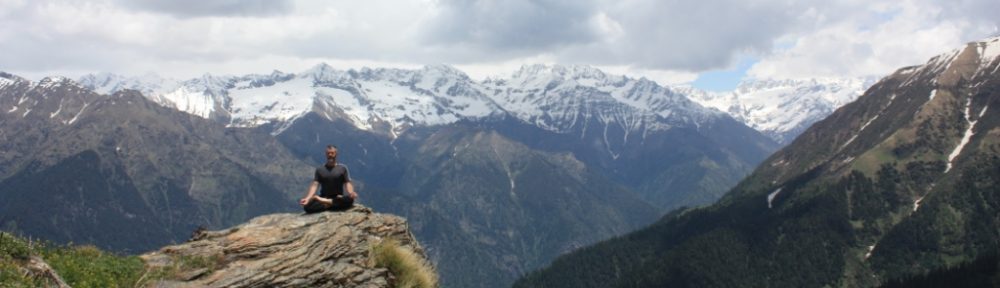
Taken in January of 2014 in Phuket
 How the feet slow, up amid the ice flow.
Where air is rare, and each step goes higher,
thinking of those who froze or maybe lost a toe,
yet trudged through the scree, the snow, and the mire.
But who’s ever said it wasn’t worth the trip?
You may well hate to feel yourself suffocate,
but you’ll buy your permit, and get all equipped,
strapping on your pack, taking task with fate.
To see the orange glow on the ridgeline,
like fire dancing on the edge of a knife.
But what monster has such a wicked spine,
begging a fight to the last ounce of life.
Please meet the lovely “abode of snows,”
I think you’ll find her worth the throes.

Taken in October of 2015 in Varanasi (Benares)
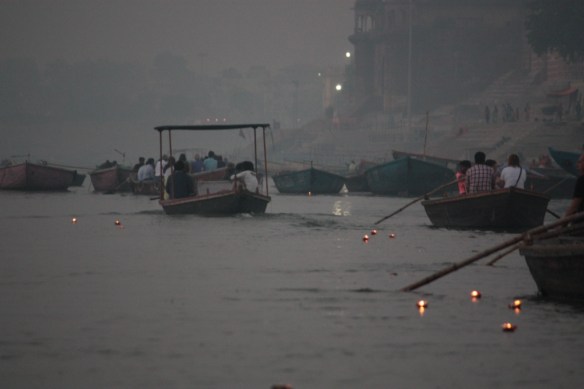 Sacred Ganga,
Welcome to our city.
What gifts you’ll take.
Narrow warren,
lanes lined with bright-hued goods,
bangle blind and lost.
Cattle herd
roams the parched mudflat,
kicking up dust.
A golden bridge
visits each morning, and
exits silently.
Wood stackers
endlessly working
the burning ghats.
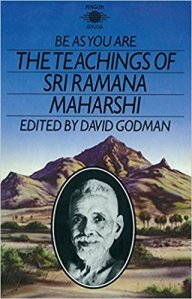
5.) Be As You Are: The Teachings of Sri Ramana Maharshi: This book, which is presented in Q&A format, explores Sri Ramana’s approach to Jñāna yoga, and explains atma-vichara, the exercise of self-enquiry that Ramana proposed was the key to self-realization.
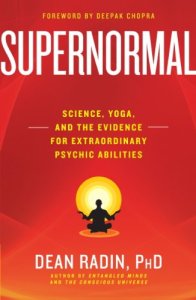
4.) Supernormal by Dean Radin: Okay, this is an unconventional choice for the list but bear with me. (I mostly included it because I like to have an under-the-radar entry in these lists, and this seems like one that could have been missed readers of works on yoga.) Radin is a paranormal researcher who, in this case, has investigated the topic of siddhi, which are the controversial powers that Patanjali discusses in the third section of The Yoga Sutras, but which many deny are real.
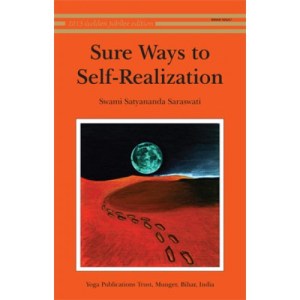
3.) Sure Ways to Self-Realization by Swami Satyananda Saraswati: This is the Bihar School of Yoga guide to meditation, and it covers both yogic meditation methods and those from other disciplines (e.g. Buddhism, Taoism, Western / scientific [e.g. biofeedback], etc.) By “meditation,” here I mean more than dhyana. This book uses the word in a broader and more colloquial sense that includes some practices that are normally considered pratyahara (withdrawal of senses) or dharana (concentration.)
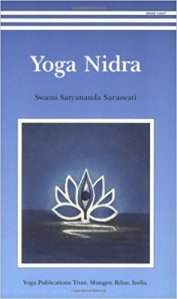
2.) Yoga Nidra by Swami Satyananda Saraswati: Yoga Nidra (yogic sleep) is a sustained hypnogogic state — i.e. the state of mind on the edge between wakefulness and falling into sleep. It is used both as an intense relaxation exercise as well as to access the subconscious to plant seeds therein.
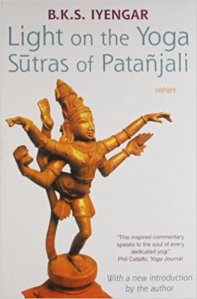
1.) Light on the Yoga Sutras of Patanjali: (Sutras by Patanjali with commentary by B.K.S. Iyengar): This isn’t — strictly speaking — only about the mental side of yoga, but, in the Sutras, Patanjali makes clear that yoga is a tool to advance mental calm and clarity. There are many translations and commentaries available. Commentaries are useful because the 196 sutras are extremely sparse. Iyengar’s book is probably one of the most approachable translation / commentaries for a modern reader.
crowded skies,
circling raptors weave
invisible baskets.
little chipmunk,
screeching relentlessly,
stop! all are warned.
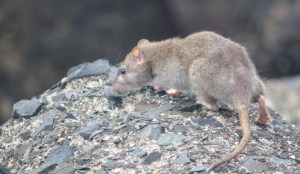
rat slinks away
as cat creeps near,
despite edge in size.
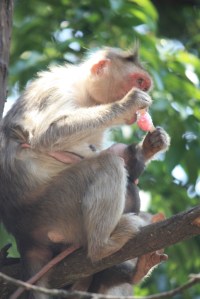
popsicle monkey,
crowd coos, “Cute copy-cat,”
idly stuffing faces.
Mumbai leopards?
Hollywood mountain lions?
cats seeking parts?
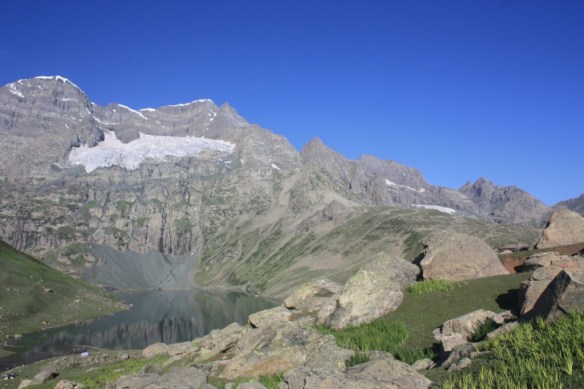
alpine lake,
depth a guarded secret,
mirroring mountain
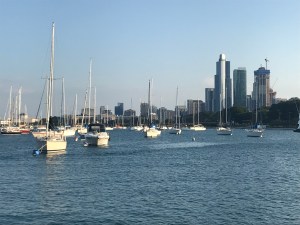
ships sit
on your sandy bottom,
yet, you’re called “lake”
in sunlight
your glistening canvas,
a bowl of diamonds
winter ice cracks
with steel cable song,
sending shudders
barren pine
beside mud-rimmed lake,
heeding drought


