BOOK REVIEW: The Body Has a Mind of Its Own by Blakeslee and Blakeslee

The Body Has a Mind of Its Own: How Body Maps in Your Brain Help You Do (Almost) Everything BetterThe Body Has a Mind of Its Own: How Body Maps in Your Brain Help You Do (Almost) Everything Better by Sandra Blakeslee
My rating: 5 of 5 stars

Amazon page


This book examines the role of the nervous system in movement and bodily activity. It describes how one’s body is able to perform extraordinarily complex maneuvers that we often take for granted because they feel effortless. It investigates some of the ways in which the interface between body and brain go awry, as well as the various effects this can have. It also offers insight into how we can be deceived because we are experiencing the world less directly and more through the shaping activities of the brain than we feel is true.

The book contains ten chapters, plus a little forward and back matter. The first chapter is entitled “the body mandala” and it provides an overview of how the nervous system can be thought of as a series of maps layered upon maps that routes various input from outlying areas to the brain and commands from the brain to the outlying areas. A “mandala” is a symbolic representation of the universe [from Hindu and Buddhist traditions], and this notion is repeatedly revisited throughout the book.

Chapter 2 explores the mapping of the homunculus and its ramifications. If you’ve ever seen a 2-D or 3-D image /model of a human being that has gigantic lips and hands and disproportionately small torso and thighs, you’ve seen said homunculus (as the term is used in neuroscience.) The reason it’s scaled this way is that body part size is reflective of space in the nervous system dedicated to said parts and not their actual size. If you’ve ever seen one of those maps–called cartograms–in which the size of a country reflects a statistic, say, population (thus India, China, and Singapore are much larger than their physical size, but Canada is much smaller than its), you get the drift. This chapter also answers the question everyone wants to ask (and many do) which is “why–if the lips are so large because of their dedicated territory in the brain—are the genitals unexpectedly small in the homunculus?

Chapter 3 describes how body maps can be in conflict and what effect this can have. It talks about why people who lose weight often still feel fat and move in ways that are not reflective of their actual figure. It also gets into anorexia (and the lesser known bigorexia) which reflect mismatches between perceived body image and actual body schema.

Chapter 4 investigates a fascinating phenomenon in which visualization can often result in strength and performance gains. Said gains aren’t on the same scale as among those who actually exercise or practice, but the fact that one can make gains without moving a muscle is certainly intriguing. Of course, the takeaway is that one can get the best of both worlds by augmenting physical conditioning and practice with visualization—one has a more finite number of feasible physical training hours in a day (i.e. there are diminishing returns on physical training at some point.)

Chapter 5 is the first of two chapters that deal with problems related to improper interaction between the nervous system and the body. Here we learn about “the yips” that plague golfers and other occupational dystonias. When one begins practicing any physical activity, the objective is to build up muscle memory so that the movements can be completed purely unconsciously. This works through neuroplasticity—the fact that sequences of neurons that frequently fire together become more strongly linked—but neuroplasticity can have a dark side at the extremes.

Chapter 6 considers the way in which the system of maps can fail such that one fails to recognize one’s own limbs, one recognizes extra ones, or the like. Chapter 7 is about peripersonal space—i.e. the physical bubble of space that one needs to feel comfortable, and which varies both culturally and individually.

Chapter 8 delves into the role that upcoming technology may have in changing how we look at the body-brain connection. Mirror neurons are the subject of the penultimate chapter. You’ve probably heard of these neurons which fire when we see someone else perform an action. Usually there is an inhibitory signal to keep our body from actual mimicry, but sometimes you may find yourself unconsciously mimicking the position or body language of another person when one is engaged in an engrossing conversation. (Yawning contagiousness is a featured example.) Mirror neurons play a role in how we learn so quickly, how we sometimes anticipate the behavior or emotions of others, and deficient activity in these cells has been speculated to be responsible for autism.

Chapter 10 describes the role of the insula in human activities. The insula has been found to be involved in emotion and rewards system by which humans are motivated to engage in a number of bodily activities.

The book has many graphics to clarify technical points, many of these being line drawings of the brain and other physiological structures. There is also a glossary of key scientific terms.

I found this book to be fascinating. It was highly readable despite its technical subject matter, and it described these systems and the research about them in a clear manner. I’d highly recommend it—particularly if one is interested in movement, fitness, and optimal human performance.

View all my reviews

BOOK REVIEW: On Looking by Alexandra Horowitz

On Looking: Eleven Walks with Expert EyesOn Looking: Eleven Walks with Expert Eyes by Alexandra Horowitz
My rating: 5 of 5 stars

Amazon page


This is a field guide to getting the most out of walks in the city; though it’s presented through a series of essays. City-centeredness is the book’s niche. There are tons of books that teach one how to get more out of the subtle signs and signals seen in nature, but we tend to miss the nature (and a good deal of the culture) in our city walks because we view them in a utilitarian fashion and because there is so much shouting for our attention that it’s easy to miss nature’s subtle cues.
The book consists of 12 chapters—each of which is organized around a city walk. Eleven of these walks are with experts who offer the author (and her readers) greater insight into some dimension of the city walk experience that is often lost to the limits of our attention. When I use the word “expert,” I use it broadly. The reader may find some of these individuals more worthy of the title “expert” than others—e.g. two among them are the author’s 19 month old son and her dog—but they all offer a unique insight. [You may recognize the author’s name from a popular book she wrote on dog behavior, and that’s a particular area of interest for her.] Others are the kind of experts that might testify in court or be asked to give a consultation at a corporation. Along the way, Horowitz inserts more general information on the psychology and science of human attention–and its limits—as is relevant to the larger discussion.

The twelve chapters are organized into three parts. The first part deals with the inanimate dimension of the city. Its four chapters deal with the things that children notice owing to either their height or their unjadedness, the natural materials of the city (rocks and biomass), fonts and signage, and the under-appreciated ordinary.

The second part explores the animate part of the city, including insects, animals, and humans. The reader will learn that–despite the fact that they may only see the occasional bird or squirrel—the city is teeming with non-human fauna. The two chapters that deal with humans take quite different perspectives. One is with the Director of the Project on Public Spaces, an expert on how cities are organized (by planning, organically, and by default) and the effect that this has on people and their movement through cities. The last chapter in this part is by a doctor whose expertise is making diagnoses in the style of Sherlock Holmes by means of close observation of the minutiae of a person’s appearance and posture.

The final part is about the sensory experience of a city walk. The first chapter in this section details a walk with a blind woman who is attuned to moving about the city using her other senses. There’s a chapter with an expert on sound, and the walk she takes with her dog—whose experience is largely informed by its olfactory sense. The last chapter is a short summation of what the author has learned and begun to apply in her own solo walks.

The book has few graphics, e.g. depictions of relevant art. There are source citations arranged by chapter in end-note form.

I found this book to be intriguing and beneficial. I think we could all benefit from city walkers who were more tuned in to what was going on around them. (Sadly, the trend seems to be going the other way.) I’d recommend this book for anyone who likes to take a walk, and nature lovers may find it unexpectedly fascinating.

View all my reviews

DAILY PHOTO: Down at the Watering Hole

Southern Giraffe; Taken on June 20, 2017 at Chobe National Park in Botswana


Warthogs


Hippopotami


Spur-winged geese and Egyptian geese


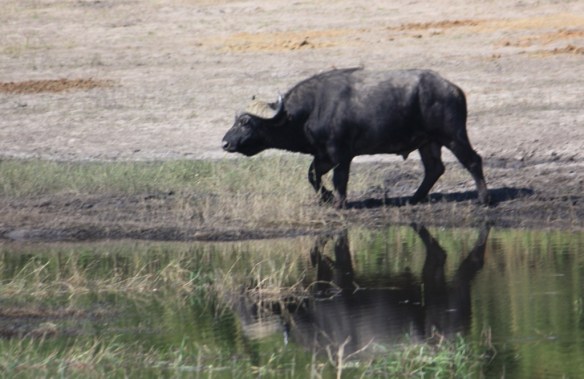
Cape Buffalo


Kudu and Egret


Elephant

DAILY PHOTO: Floating the Zambezi

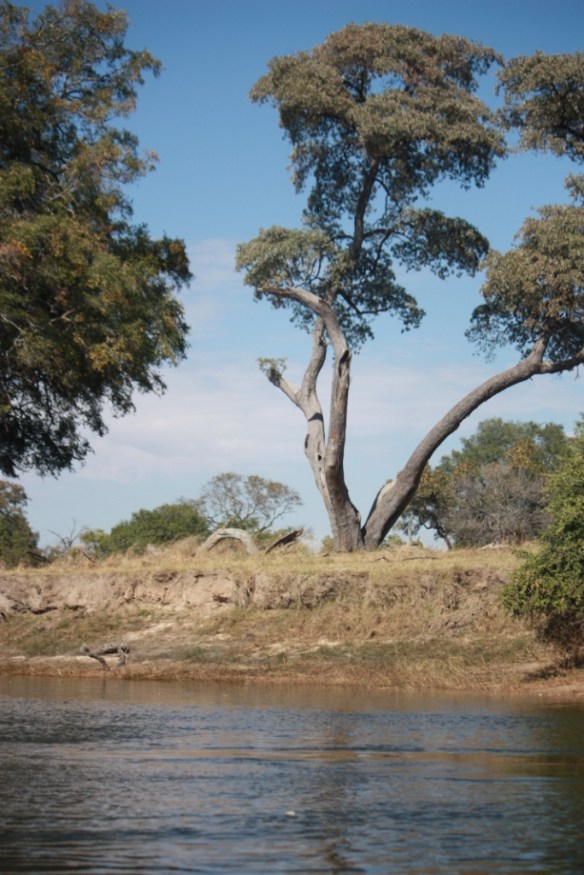
Taken on June 18, 2017 on the Zambezi River (Zambian side)


Shore scene


Crocodile on the shore


Hippopotamus in the water


Sundown

5 Physiological Fun Facts for Yoga Teachers and Practitioners


5.) FACT: People who lose weight often still feel heavy and commonly maintain the body language and movement characteristic of an overweight person.

REASON: A conflict exists between the body schema (which is largely up-to-date on the current state of the body, but is largely unconscious) and body image (which relates to how we feel about our bodies, can lag behind the state of the body, and of which we are conscious.)

RELEVANCE: It may take unconventional activities to help a student realign his or her body schema and body image. e.g. Wobble boards have been shown to be effective.

REFERENCE: “The Body Has a Mind of Its Own” by Blakeslee and Blakeslee


4.) FACT: The busiest skeletal muscles in the body are the extraocular muscles (i.e. more than 100,000 moves per day.)

REASON: We don’t see over a broad area as clearly as we think we do. The illusion that we can is created by rapid saccades by which the eye is constantly moving to take in sights from the point at which our sight is best. You can prove this to yourself by fixing your gaze forward, and then–from the side–draw a playing card at random so the face is towards your cheek while holding the card out to one’s side at shoulder height, and then–eyes still fixed forward–gradually move it in an arc at arm’s length towards one’s center-line until you can make out which card it is. You might think you’d be able to make it out at say a 30-degree angle from center-line, but you’ll find it’s almost directly in front of your eye when you can make it out. If if isn’t: a.) your eyes made a cheating saccade so quickly you didn’t notice it or, b.) you are an android and have eyes (and nervous system interface) that aren’t constructed on the same principles as the human system of vision.

RELEVANCE: One may want to brush up on eye yoga. Yes, there is such a thing.

REFERENCE: There’s a section on exercises for the eyes in Swami Saraswati’s “Asana Pranayama Mudra Bandha” (commonly called APMB.)


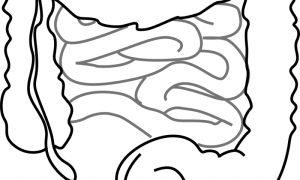
3.) FACT: The gut has its own nervous system (i.e. the enteric nervous system) that can interact with our body’s nervous system, and increasing evidence suggests that it’s not always mental stress that causes stomach aches, but sometimes problems in the gut result in mental / emotional turmoil.

REASON: There’s a lot that remains unknown at the moment, but a lot of research is going on in this area. It seems reasonable to guess that there’s probably an evolutionary advantage for the digestive tract to be able to express its dissatisfaction in a way that changes behavior (and emotions are all about behavior change.)

RELEVANCE: Unexplained depression or emotional outbursts may have unexpected origins.

REFERENCE: I can highly recommend “Gut” by Giulia Enders, but I’ve also heard great things about the more recent “I Contain Multitudes” by Ed Young, though I haven’t gotten around to reading it yet myself.


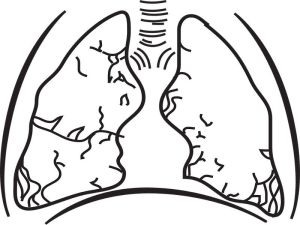
2.) FACT: The problems that can arise due to hyperventilation aren’t about oxygen levels, they are about too little carbon dioxide.

REASON: Lack of carbon dioxide can cause arteries and arterioles of the brain and spinal cord to constrict.

RELEVANCE: Introduce kapalbhati and bhastrika with caution.

REFERENCE: H. David Coulter’s “Anatomy of Hatha Yoga” chapter on breathing (Ch. 2) deals with the physiology of breathing in an excellent fashion.


1.) There are oh-so-many more than five senses in the human body. Within the realm of “felt sensation” alone there’s not only touch (one of the five senses we usually think of), but also: thermoception (sense of temperature), nociception (sensation of pain), proprioception (sense of the location and motion of our various body parts, and balance (which relies on vision and proprioception but also vestibular sensation.)

REASON: Without these sensations we couldn’t function as we do. I don’t have to tell experienced meditators how difficult it can be to simply stand up or walk when proprioception is dampened by the pins-and-needles from sitting cross-legged such that one doesn’t notice one’s drooping foot.

RELEVANCE: At some point one should begin to practice relying on proprioception more and visual confirmation less. (Proper drishti–focal points–rarely allow one to visually confirm one’s position.)

REFERENCE: Besides the book mentioned in #5, check out David J. Linden’s “Touch.” I’ve also begun reading a Harvard Medical School Guide entitled “Better Balance” that gives insight into how to improve the sense of balance–particularly if one serves senior citizen students.


DAILY PHOTO: Nairobi Skyline from Uhuru Park


Taken on June 25, 2017 in Nairobi, Kenya

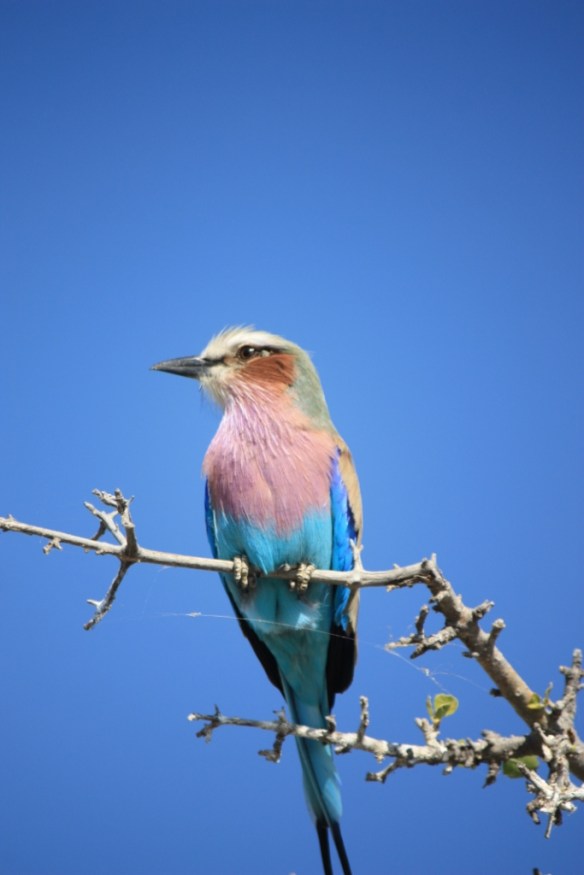
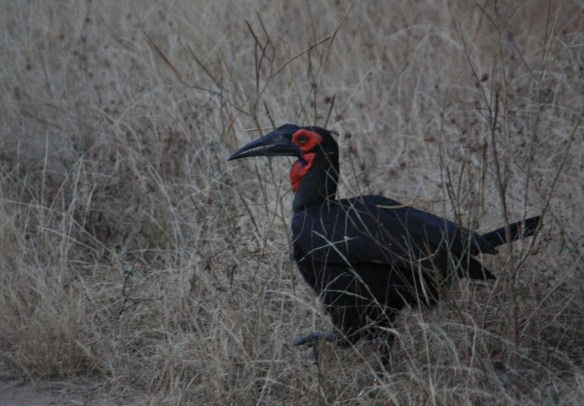
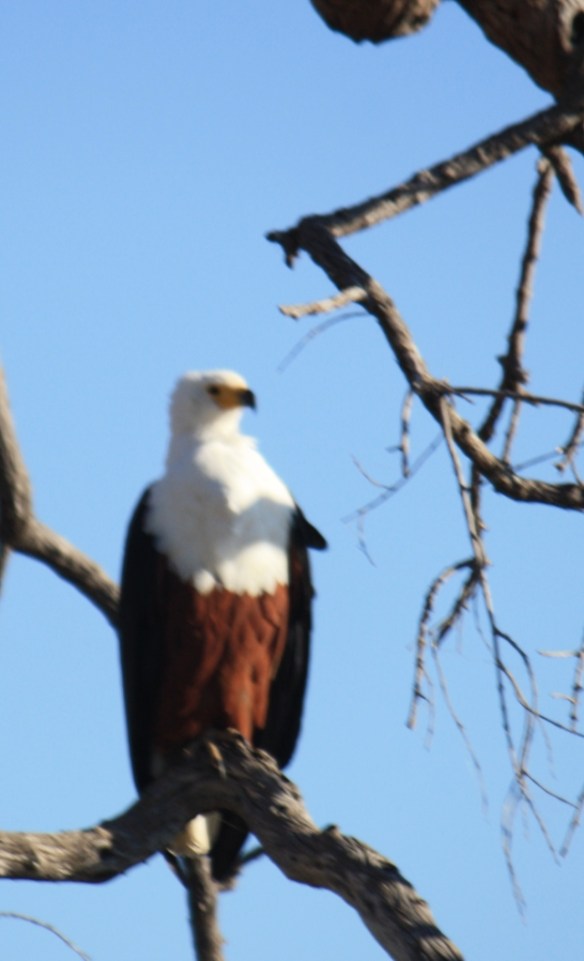
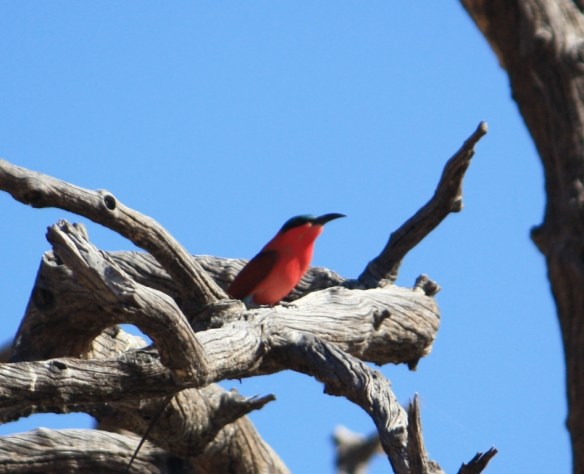
DAILY PHOTO: Birds of Chobe

Lilac-Breasted Roller; Taken on June 22, 2017 at Chobe National Park


Southern Ground Hornbill


African Fish Eagle


Southern Carmine Bee-Eater


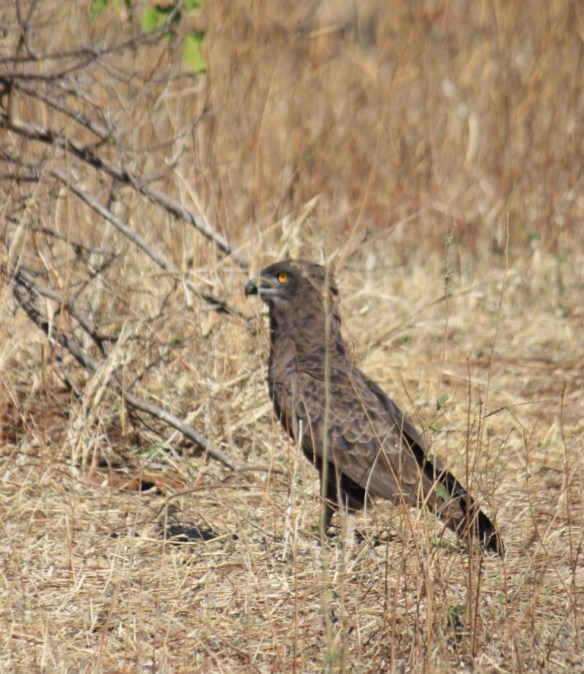
Martial Eagle

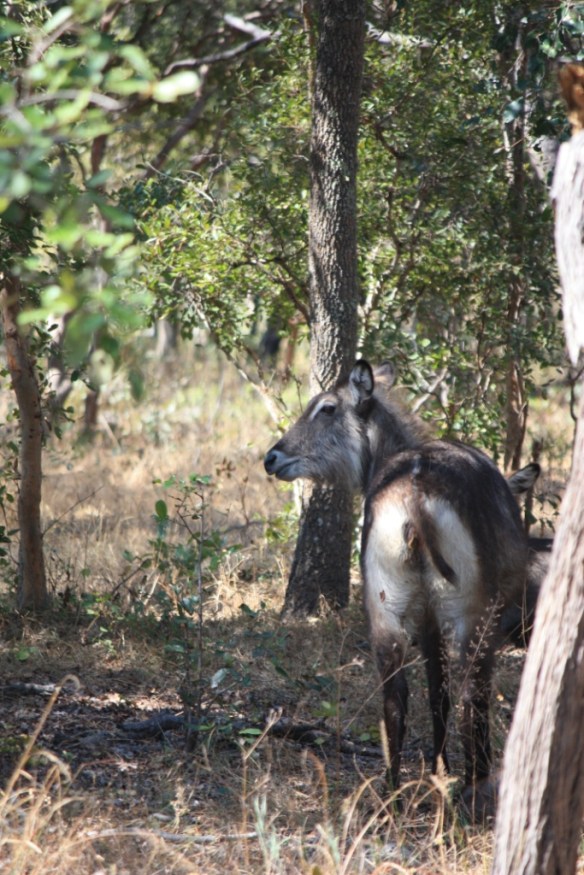
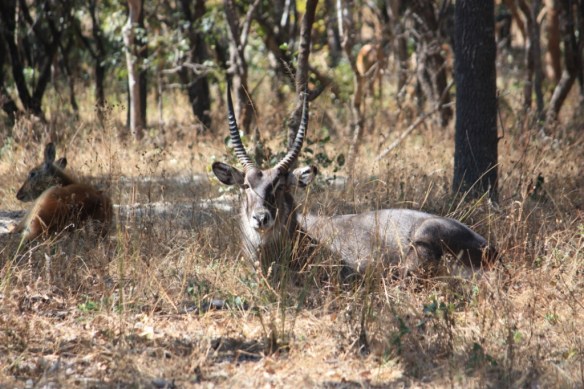
DAILY PHOTO: Waterbuck in Zambia


Taken on June 24, 2017 at Chaminuka Game Reserve in Zambia

POEM: Free


What are you free to do or be?

Can you set out across an endless sea?

What deserts can your mind go roam

from which your fears won’t send you home?

Epictetus asked, “Are you free?”

Can you stand, while others flee?

Can you escape the default mode

that’s locked into your mental code?

Can truth change your way of seeing?

Are you sectless in the art of disagreeing?

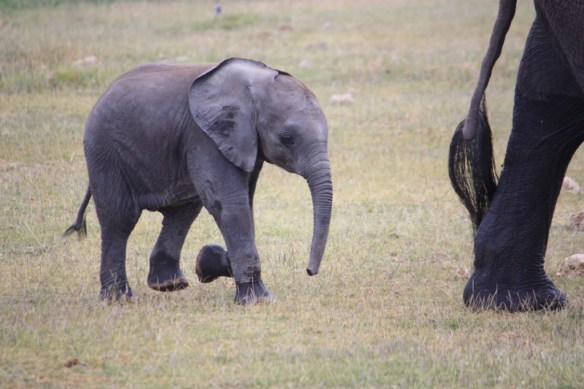
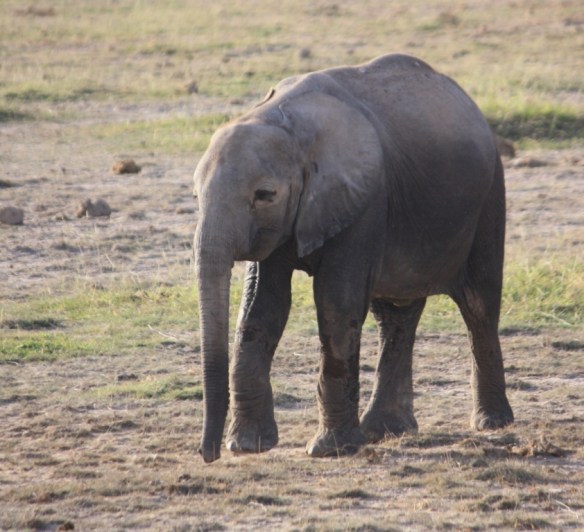
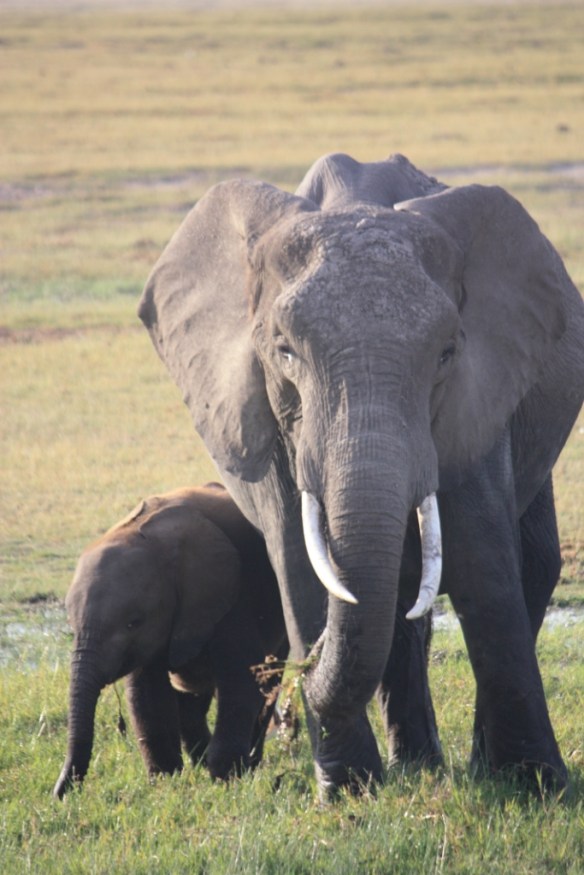
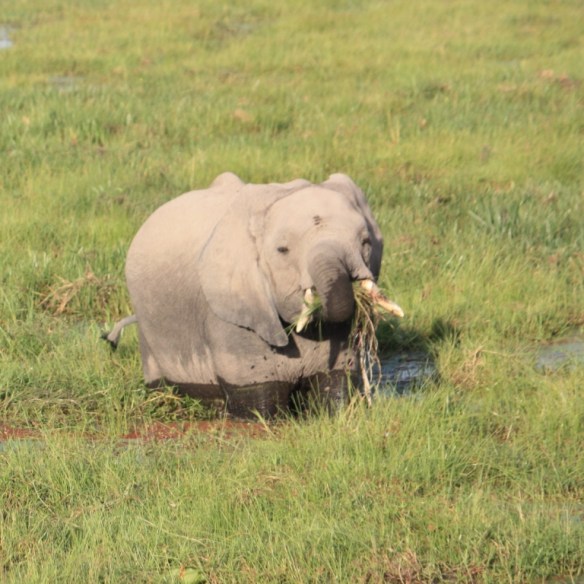
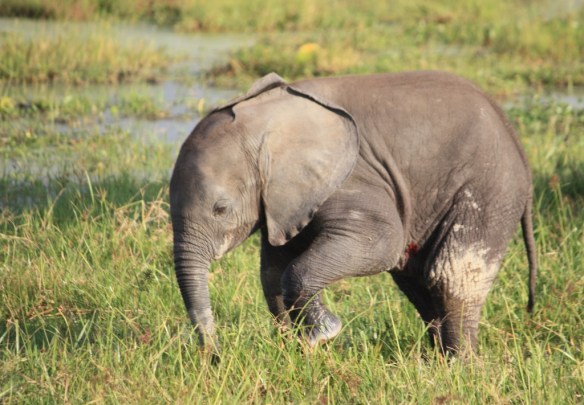
DAILY PHOTO: Baby Elephants


Taken on June 26, 2017 at Amboseli National Park in Kenya