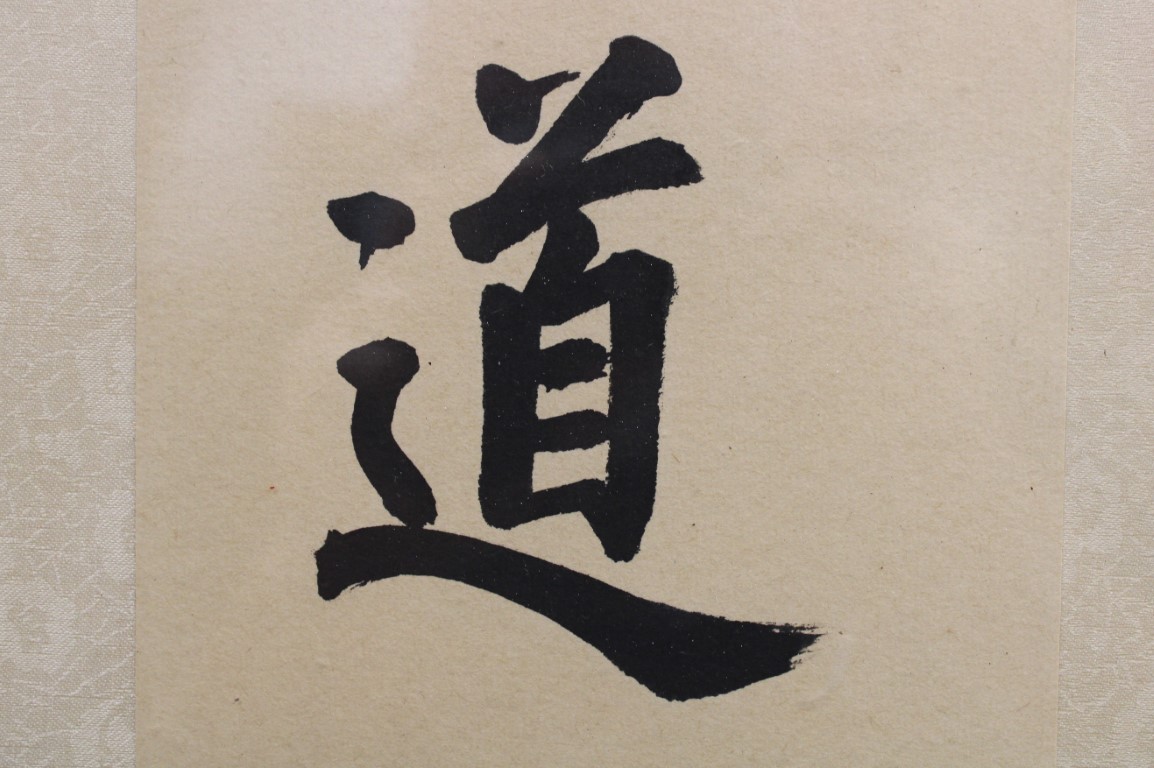
one character, Dao,
 looks like a road that rounds
  some great attraction,
 but keeps moving onward
 to undiscovered country.

one character, Dao,
looks like a road that rounds
some great attraction,
but keeps moving onward
to undiscovered country.
Quit seeking to firm up the soul;
 Return to the unadorned truth.
   One can seek the shape of water;
   One can write of a pleasant spring.
 Winds shift the shapes of clouds,
 Flowers stand tall, and flowers droop.
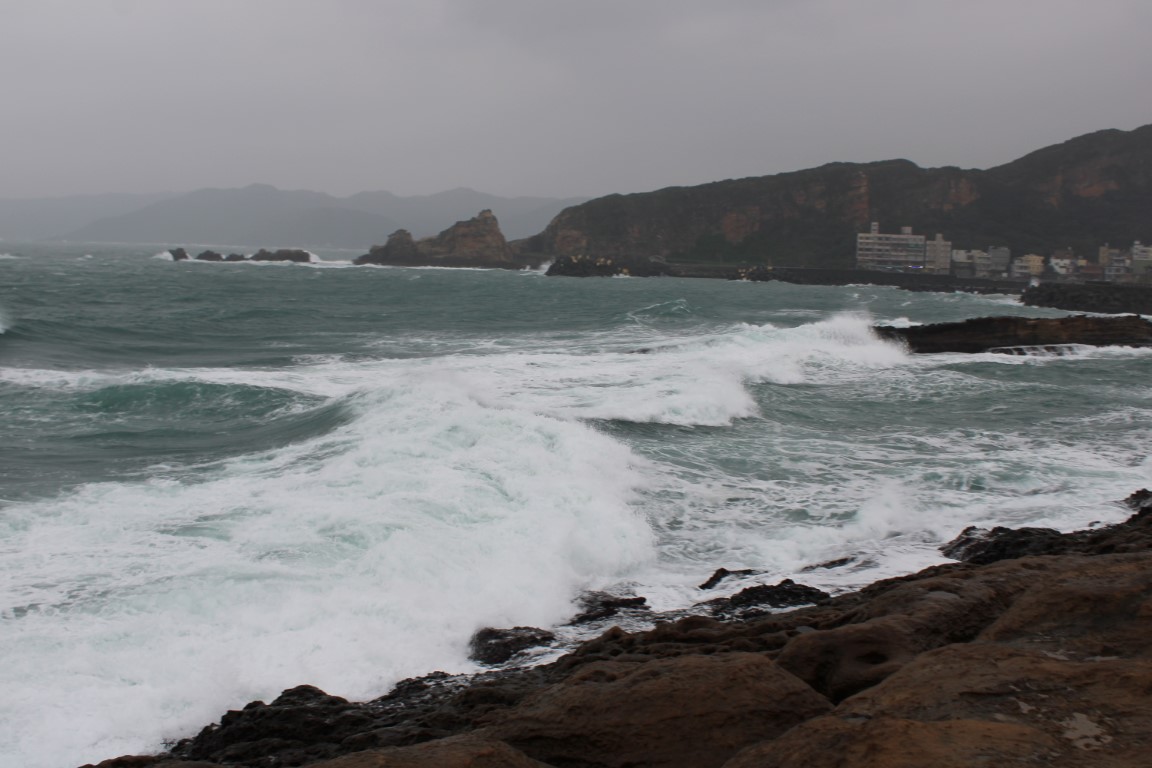
   The great waves of a sprawling sea,
   The mountain's craggy ruggedness...
 They all emulate the Great Way.
   Every wonderful thing is dust.
 Find semblance beyond shape or form.
 In this person, the multitudes.
NOTE: The late Tang Dynasty poet, Sikong Tu (a.k.a. Ssŭ-k‘ung T‘u,) wrote an ars poetica entitled Twenty-Four Styles of Poetry. It presents twenty-four poems that are each in a different tone, reflecting varied concepts from Taoist philosophy and aesthetics. Above is a translation of the twentieth of the twenty-four poems. Translated titles vary. This one has been titled “Descriptive” and “Form and Feature” by varied translators.
Plain and simple words are chosen,
   Even to express tangled thoughts.
 Then one comes upon a hermit,
   And one glimpses the heart of Dao.
 The clear stream burbles its soft song
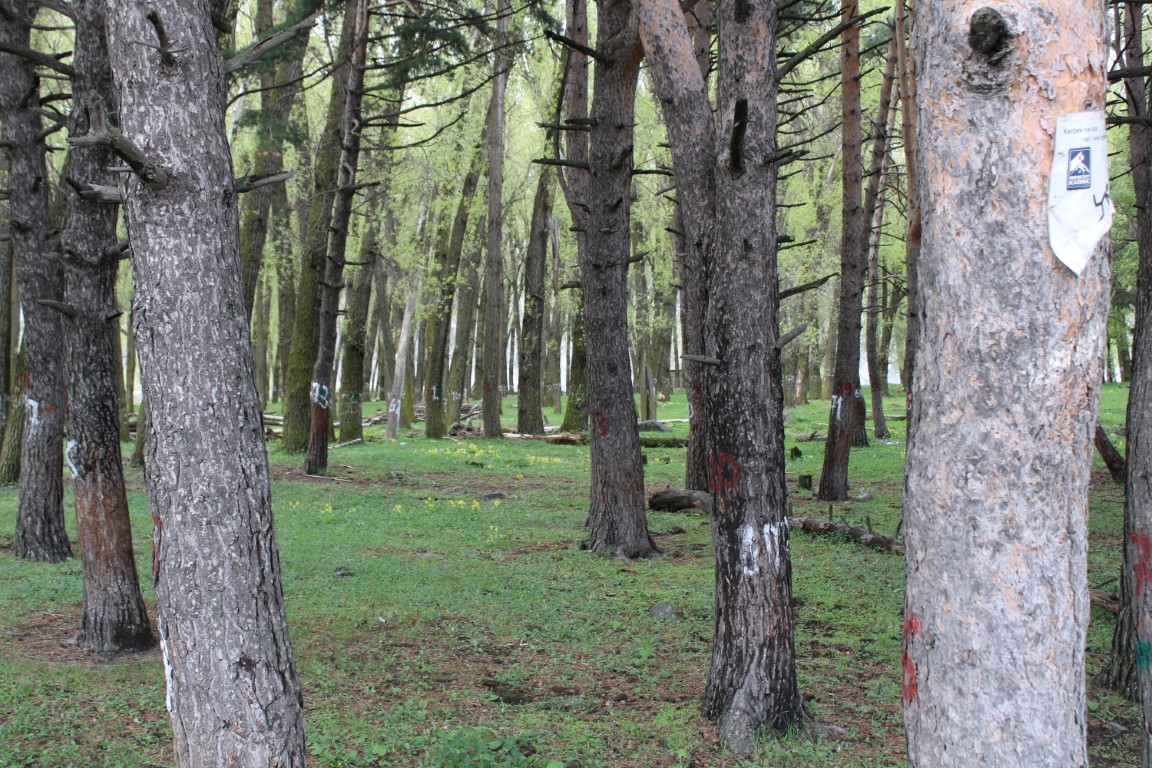
   Amid the shady ancient pine grove.
 A woodsman passes with his cordwood;
 A stranger listens to a lute song.
 A strong feeling takes one over,
    Bringing with it bliss and wonder,
    And one's easy link with heaven
    Is tender as the sound of water.
NOTE: The late Tang Dynasty poet, Sikong Tu (a.k.a. Ssŭ-k‘ung T‘u,) wrote an ars poetica entitled Twenty-Four Styles of Poetry. It presents twenty-four poems that are each in a different tone, reflecting varied concepts from Taoist philosophy and aesthetics. Above is a translation of the eighteenth of the twenty-four poems. Translated titles vary — e.g. Herbert A. Giles titled this translation “Actualities.”
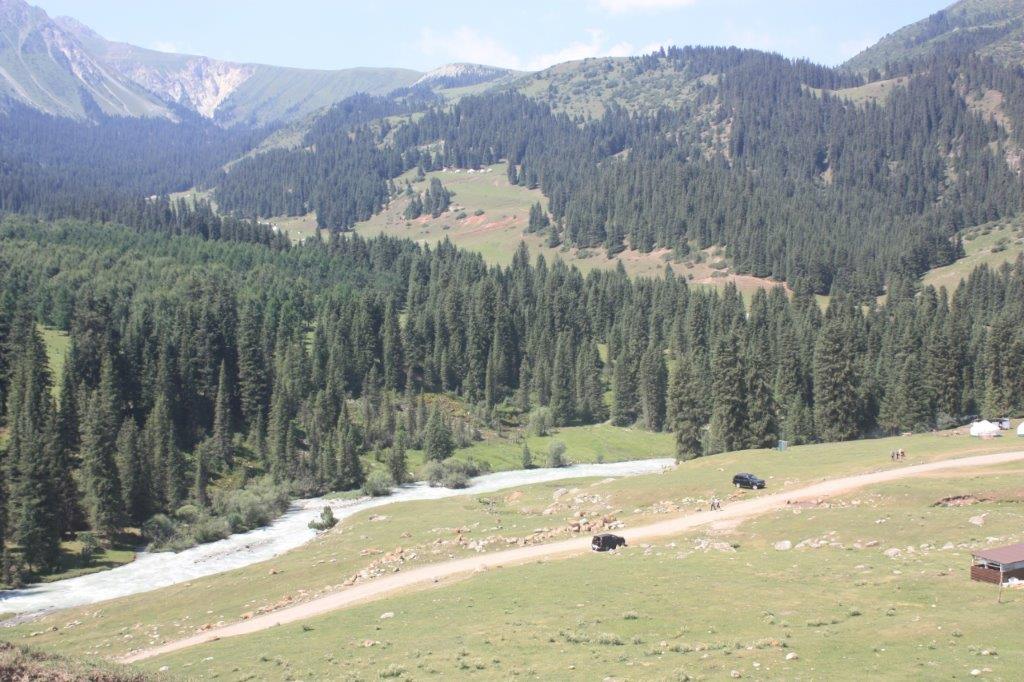
The scent: copper-carpeted pine forest;
 A stream rushes through: swirling, burbling;
 Blue sky and snowcaps peek through the treetops.
 In the distance, fishermen are trawling.
  A young lady with flowing hair and gown
  Passes gracefully through the thick woodlands.
  Eyes move when she moves and stop when she stops,
  Following her transit down the valley.
 The mind shows not its usual chaos,
 But is effortlessly anchored to her.
   As if to a huge rising moon.
   As if to blazing autumn hues.
NOTE: The late Tang Dynasty poet, Sikong Tu (a.k.a. Ssŭ-k‘ung T‘u,) wrote an ars poetica entitled Twenty-Four Styles of Poetry. It presents twenty-four poems that are each in a different tone, reflecting varied concepts from Taoist philosophy and aesthetics. Above is a translation of the sixteenth of the twenty-four poems.
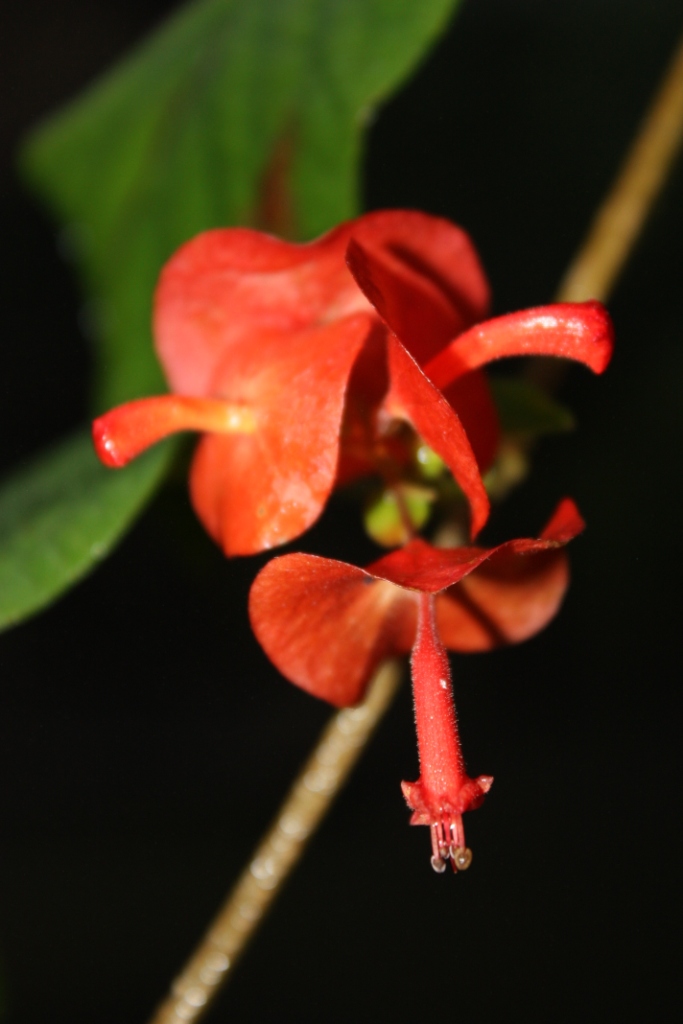
The building blocks of everything --
   Too fine to feel or see or smell --
 Dance their way into hardened shapes
   Via forces, invisible.
 And so water flows, flowers bud,
   But - also - dew evaporates.
 This expansive path stretches on --
   It's slow-going through dark lands.
 It can't be spoken of smartly.
 It can't be pondered fruitfully.
 It's Early Spring green in sunlight,
   Or like the snow seen by moonlight.
NOTE: The late Tang Dynasty poet, Sikong Tu (a.k.a. Ssŭ-k‘ung T‘u,) wrote an ars poetica entitled Twenty-Four Styles of Poetry. It presents twenty-four poems that are each in a different tone, reflecting varied concepts from Taoist philosophy and aesthetics. Above is a translation of the fourteenth of the twenty-four poems. Translated titles vary: Giles calls it “Close Woven” and others have titled it, “Fine.”
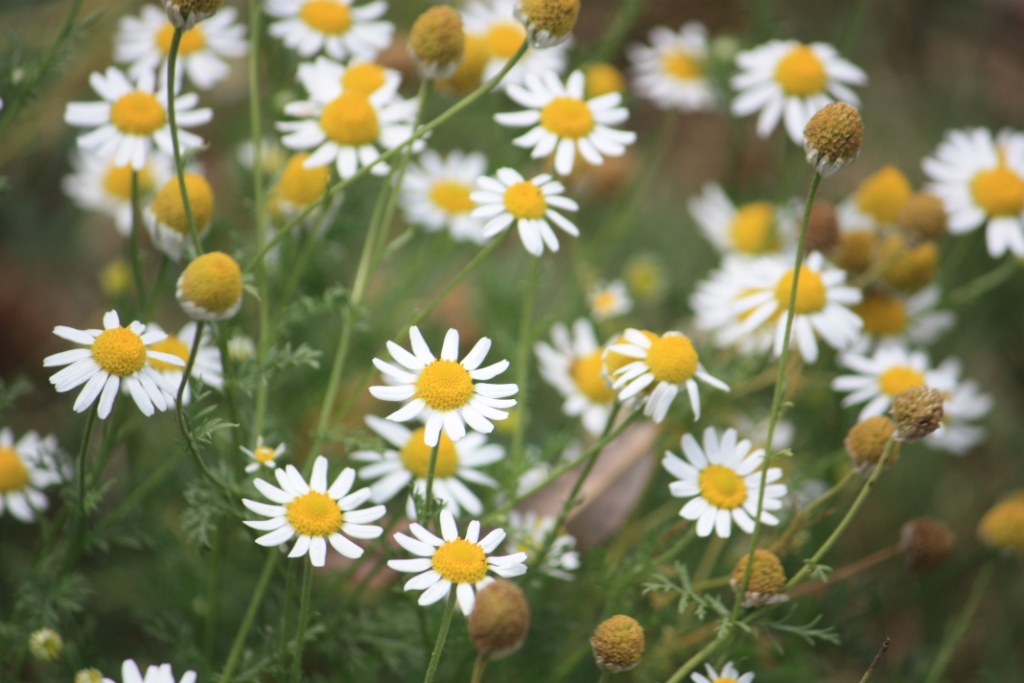
Stoop anywhere and pluck it up,
 But if you look 'round - it's not there.
 Any path may lead you to it.
A stroke of the brush becomes Spring,
 And the flowers are in full bloom. --
 It's like seeing a new year dawn:
 Snatch at it and you won't have it.
 Seize it by force and you'll be poorer.
Be like the old mountain hermit --
 Like duckweed gathered by stream flow.
Find calm amidst storms of feeling
 By knowing Heaven's harmonies.
NOTE: The late Tang Dynasty poet, Sikong Tu (a.k.a. Ssŭ-k‘ung T‘u,) wrote an ars poetica entitled Twenty-Four Styles of Poetry. It presents twenty-four poems that are each in a different tone, reflecting varied concepts from Taoist philosophy and aesthetics. Above is a translation of the tenth of the twenty-four poems.

Walk with a mind that's clear and unburdened,
   With life force that flares -n- flows like rainbows,
 Traversing the witch's gorge through the mountains --
   Among the floating clouds and blowing winds.
 Drink up the spiritual; dine on the real;
   Let them ever build up in your body.
 Emulate the health and might of the gods,
   Preserve your energy through harmony.
 Be one with Heaven, be one with the Earth.
   See in yourself divine transformations.
 Know all this to the utmost -- be all this,
 And hold on to it 'til the bitter end.
NOTE: The late Tang Dynasty poet, Sikong Tu (a.k.a. Ssŭ-k‘ung T‘u,) wrote an ars poetica entitled Twenty-Four Styles of Poetry. It presents twenty-four poems that are each in a different tone, reflecting varied concepts from Taoist philosophy and aesthetics. Above is a translation of the eighth of the twenty-four poems.
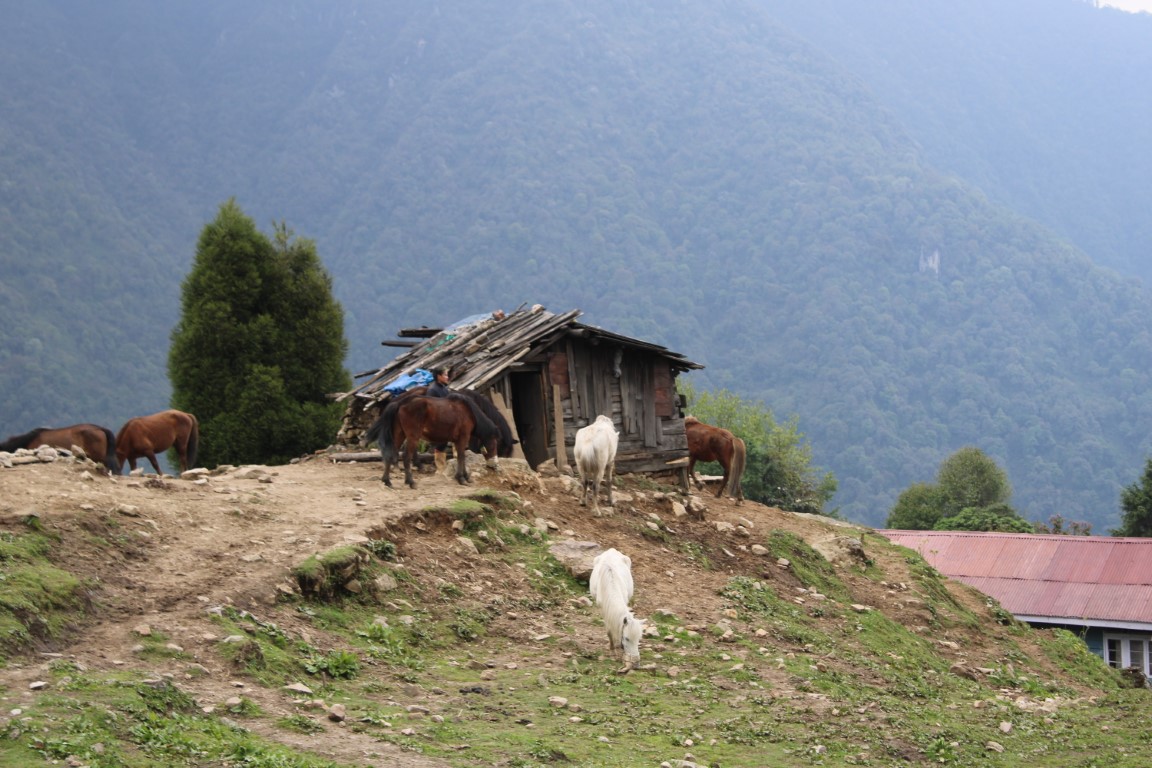
Evergreen woods and a rough-hewn shack.
 The sun sets through clear sky.
 I shed my hat as I walk alone,
   Listening for songbirds.
 No wild geese are flying
   From whence my beloved lives.
 But in my mind, we are close --
   Close enough to touch.
 Dark clouds stand over the sea,
   But in moonlight river isles gleam.
 My eyes and my words stop at
   That great river that sprawls ahead.
NOTE: The late Tang Dynasty poet, Sikong Tu (a.k.a. Ssŭ-k‘ung T‘u,) wrote an ars poetica entitled Twenty-Four Styles of Poetry. It presents twenty-four poems that are each in a different tone, reflecting varied concepts from Taoist philosophy and aesthetics. Above is a translation of the fourth of the twenty-four poems.
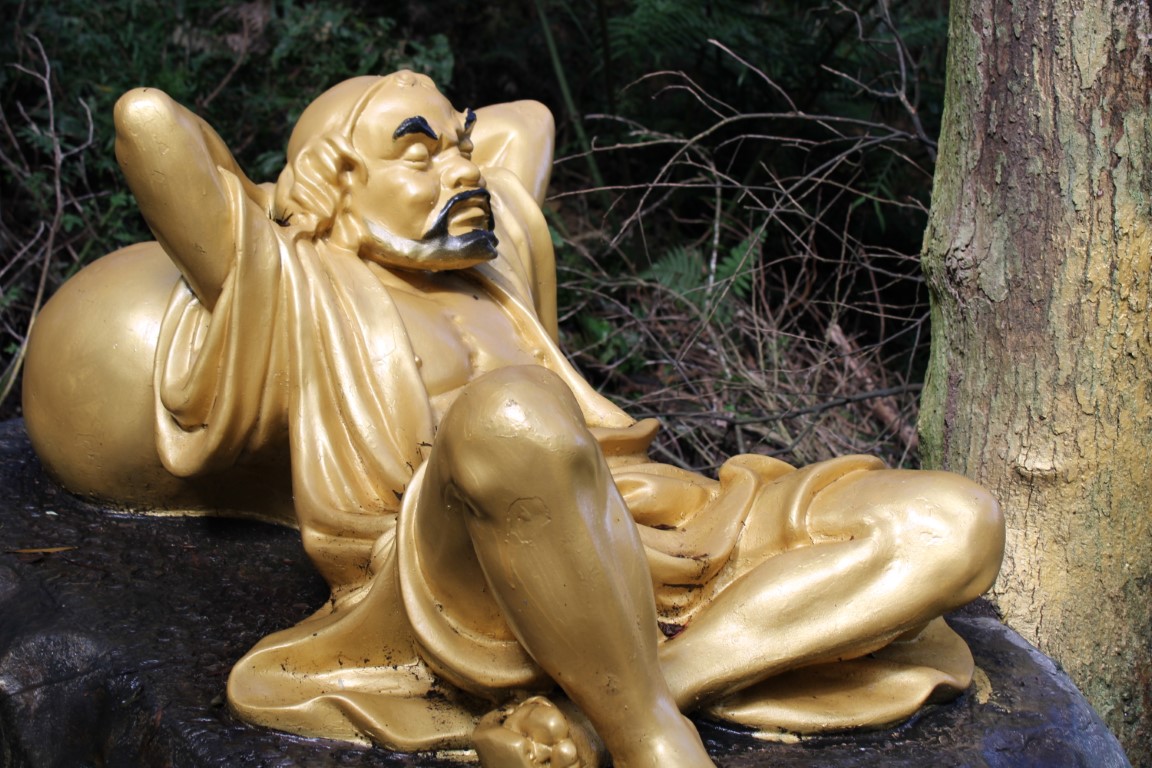
There once was a Taoist from Taipei,
 Who knew all one could know of the Way.
   When asked for directions,
   He'd state his objections,
 "The way that can be stated is not The Way."




 Tiger Riding for Beginners