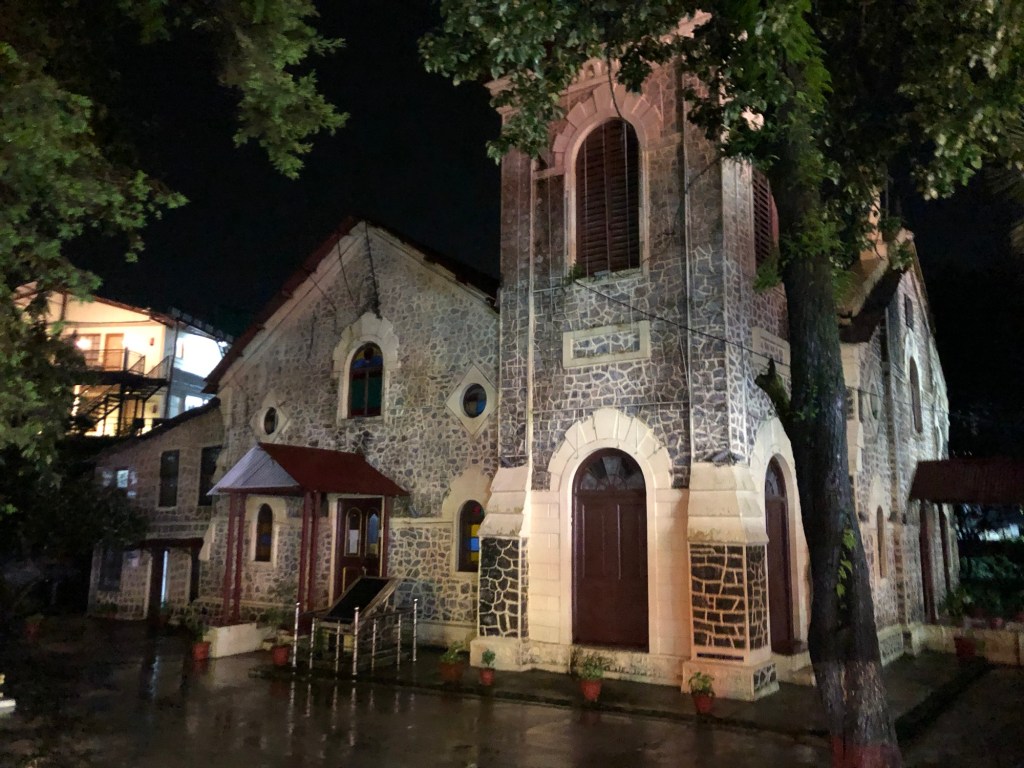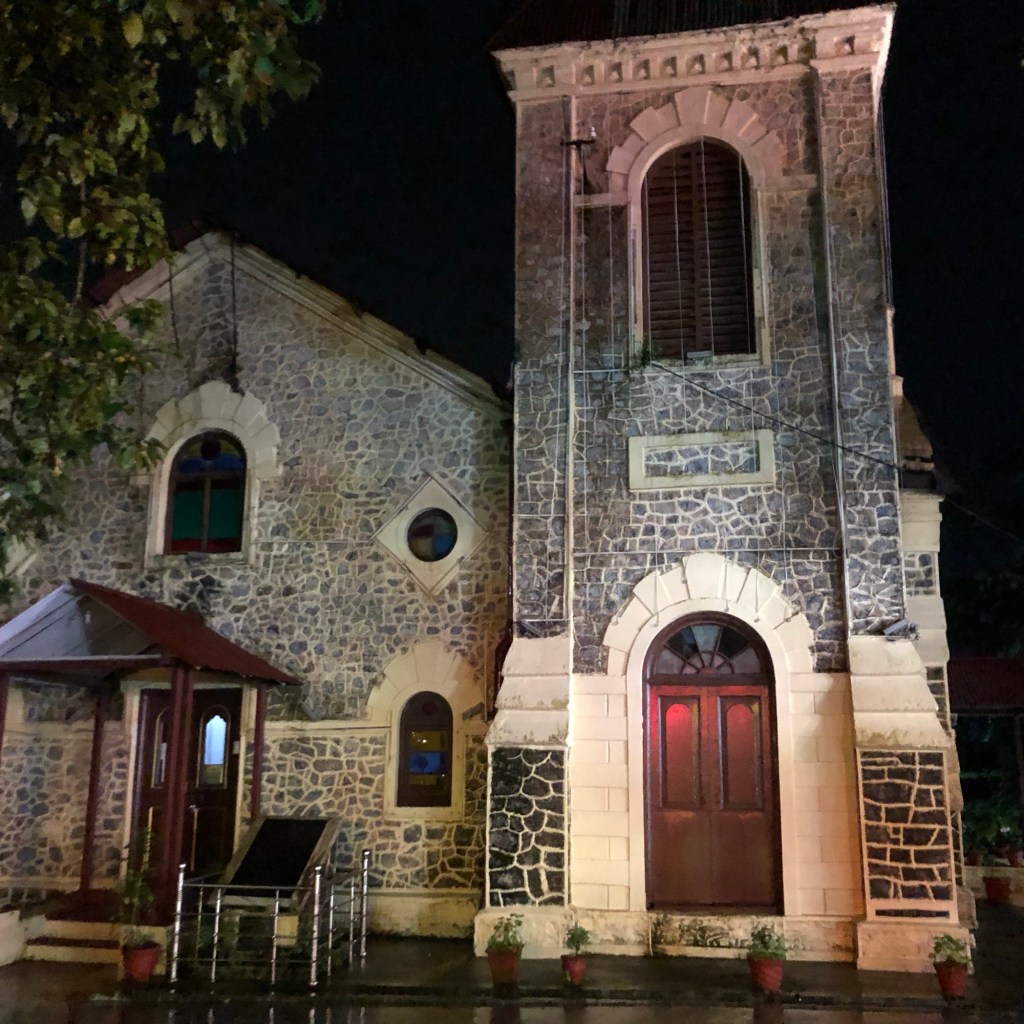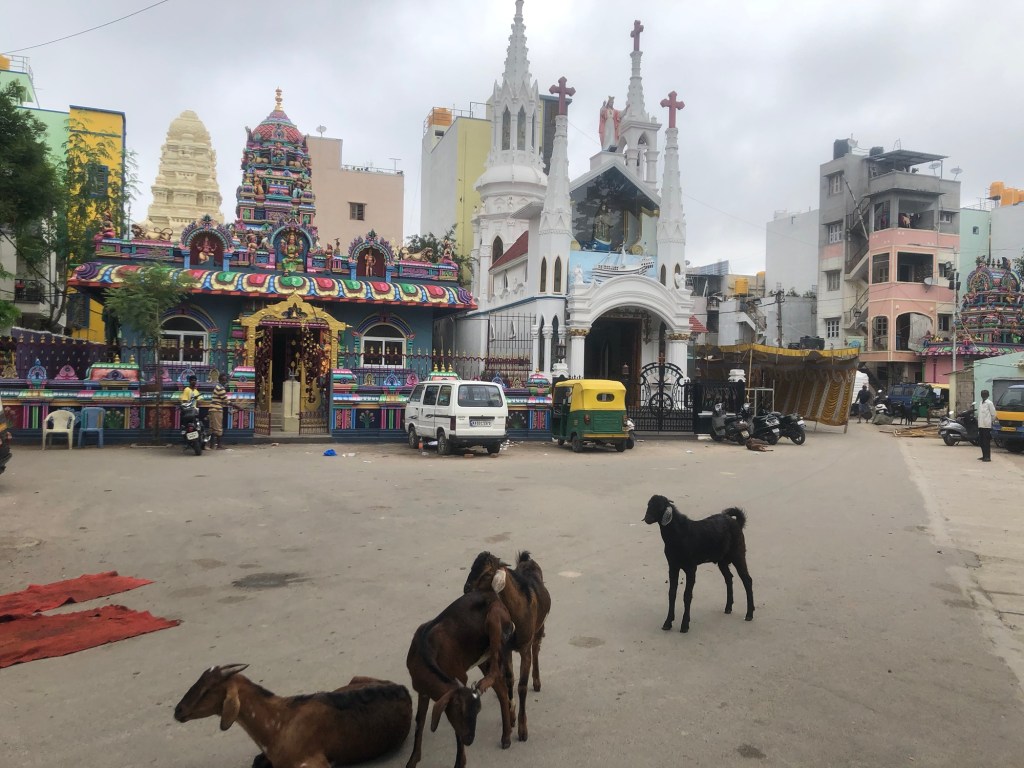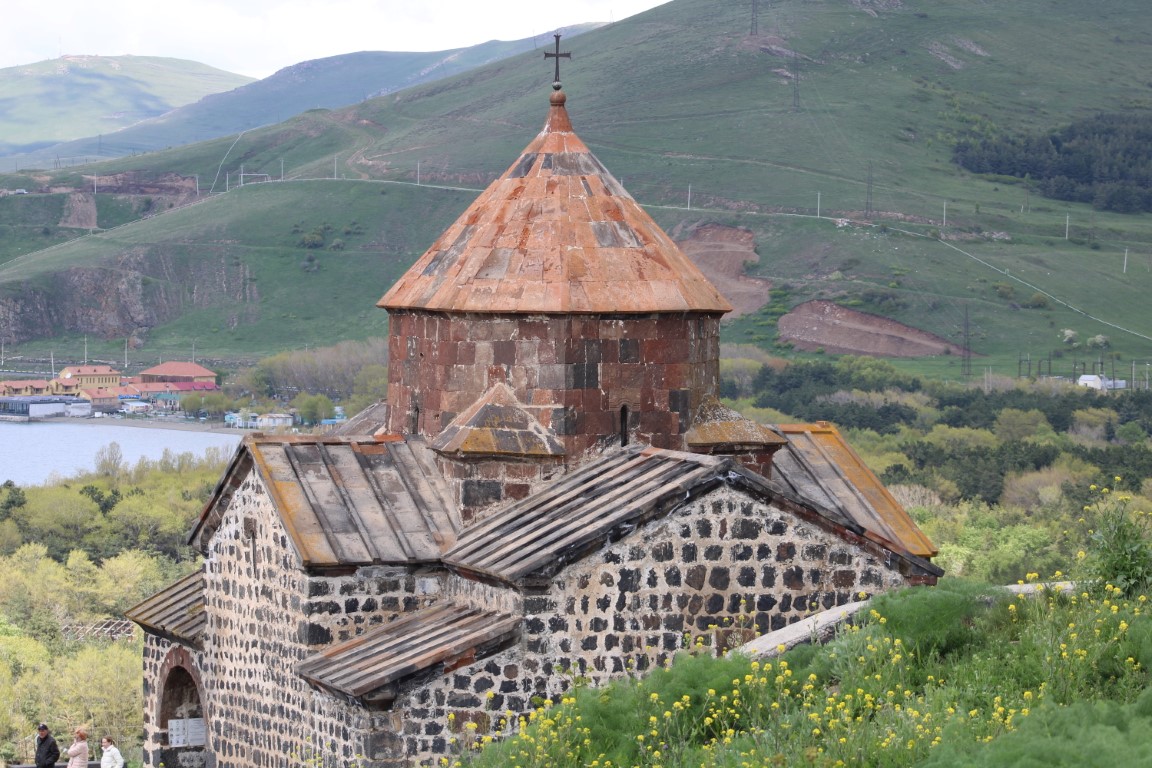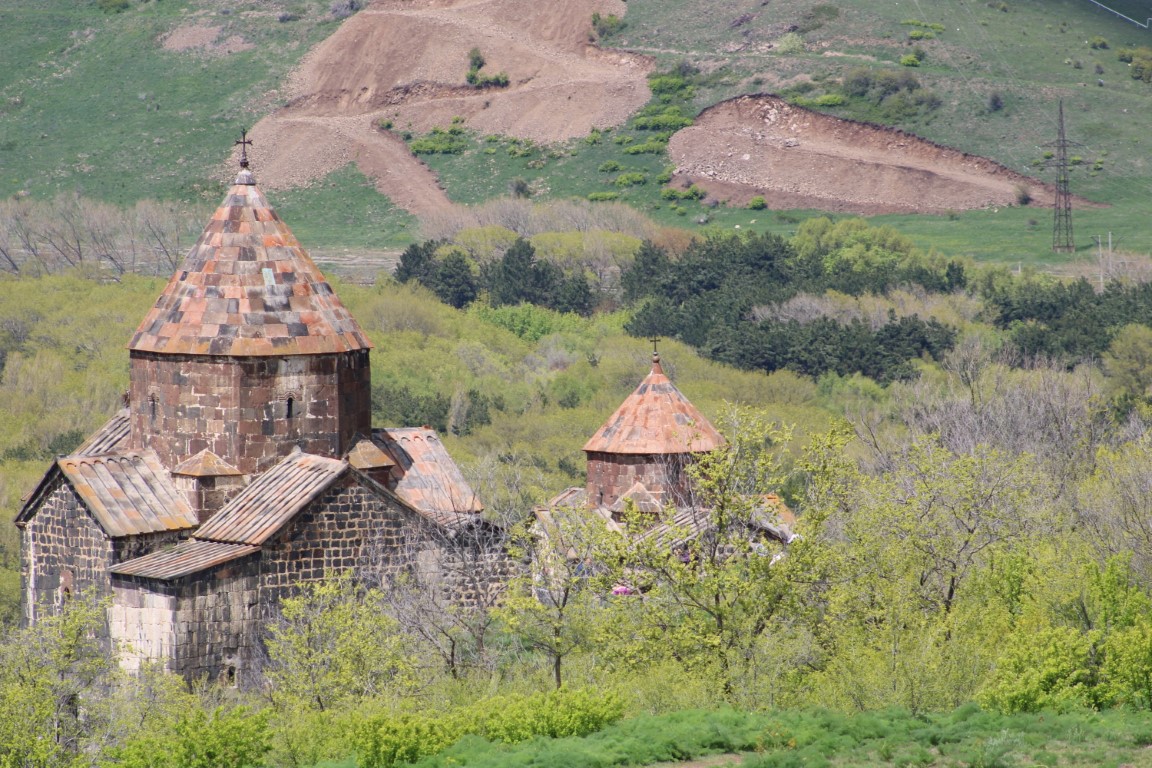
DAILY PHOTO: A Few Views of Sevanavank

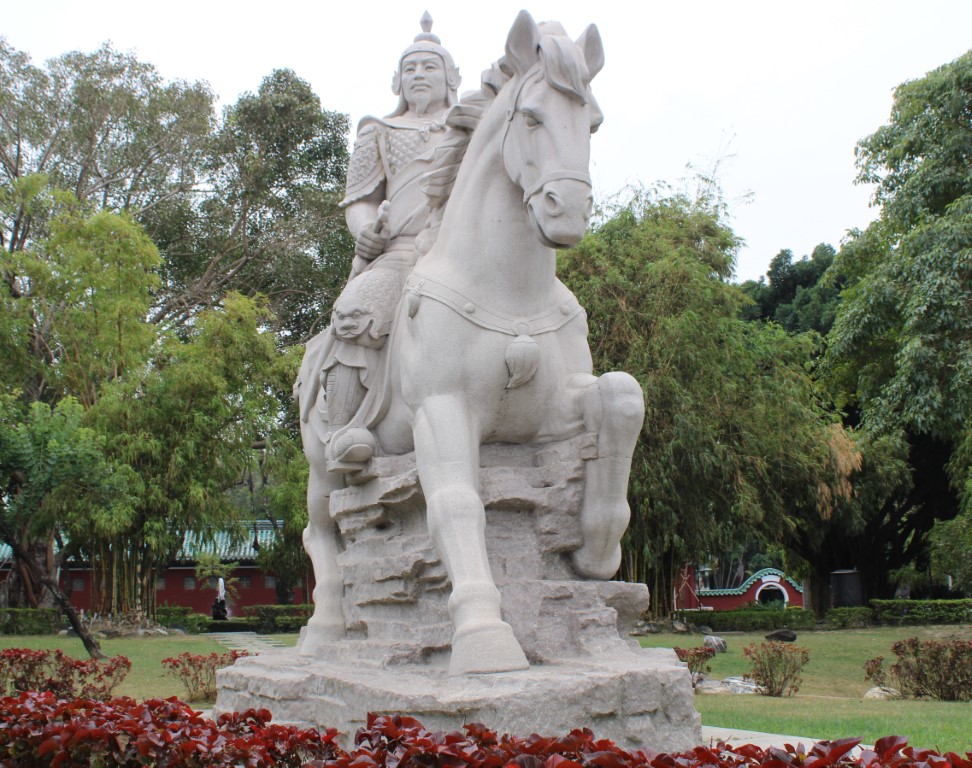
DAILY PHOTO: Koxinga’s Shrine and Statue, Tainan

PROMPT: Spirituality

Daily writing prompt
How important is spirituality in your life?

If by “spirituality” one means some kind of attachment to the supernatural, then not at all important. If by “spirituality” one means experiencing the world with a sense of awe, wonderment, and unmitigated bliss, then very important.

DAILY PHOTO: Noravank Monastery

Image

DAILY PHOTO: Svetitskhoveli Cathedral, Mtskheta

DAILY PHOTO: St. Gregory the Illuminator Cathedral, Yerevan

DAILY PHOTO: Sevanavank Monastery

Five Wise Lines [May 2024]

Play is a state of mind, rather than an activity.

Stuart brown in PLay: How it shapes the brain, opens the imagination, and Invigorates the soul

My sins are running out behind me, and I do not see them, and today I come to judge the sins of another!

From Sayings of the Desert Fathers
(A Senior Monk’s reply upon being asked to Judge a younger monk’s actions)

Ye have heard that it hath been said, An eye for an eye, and a tooth for a tooth! But I say unto you, That ye resist not evil: but whosoever shall smite thee on thy right cheek, turn to him the other also.

Matthew 5: 38&39

I have no scepter, but I have a pen.

Voltaire to Fredrick the great

If a man is born to error, let us wish him virtuous errors.

Voltaire; ON Superstition

BOOK: “Toleration and Other Essays” by Voltaire

A Treatise on Toleration and Other Essays (Great Minds Series)A Treatise on Toleration and Other Essays by Voltaire
My rating: 5 of 5 stars

Project Gutenberg — Free Access

This collection gathers together eight essays and a poem. The theme that interconnects these works is a petition to avoid petty tribalism and irrationality / superstition in the practice of one’s religion. The titular essay, “On Toleration,” sets the collection’s tone, beginning with its detailing of the murder of Jean Calas on religious grounds and its exploration of many more acts of savagery attributable to sectarian forces in alliance with authoritarian governments. The poem, “Poem on the Lisbon Disaster,” echoes the central idea of “Candide” — i.e. the idea that we live in the best of all possible worlds is patently false.

As one would expect of Voltaire, there is plenty of humor and satire throughout these pieces. The arguments are also generally well supported by facts. It is clear that Voltaire possessed a great deal of the knowledge of his day. That said, the reader may well find some factual errors. Most notably, Voltaire tends to attribute a kind of enlightened utopian vision to cultures with which he was likely largely unfamiliar as he builds a case against many within the culture with which he is familiar. This isn’t to say that there isn’t some truth to Eastern traditions being historically more tolerant of other sects than the Abrahamic religions, but the degree to which he extends these idyllic views of those outside of Europe (and the details, thereof) don’t always seem to comport with the historic record.

While some may be inclined to dismiss this book as a collection of anti-religion writings, it is really not anti-belief at all. (Though he does poke holes in many a Biblical myth, so too does he actually provide a deist argument in favor of the existence of a god or gods in the book’s final essay.) Instead, the collection is anti-intolerance, anti-superstition, and anti-authoritarianism. I’d highly recommend this book for all readers. Whatever flaws it may contain are outweighed by the great importance of its message and the cleverness with which Voltaire conveys said message.

View all my reviews

BOOKS: “Christianity: A Very Short Introduction” by Linda Woodhead

Christianity: A Very Short IntroductionChristianity: A Very Short Introduction by Linda Woodhead
My rating: 5 of 5 stars

Publisher’s Page OUP

The central idea of this book is that (despite all the complexity of schisms, sects, and subsects) the various entities that call themselves Christian can be put into one of three categories: church, biblical, or mystical. These groups reflect where the adherents see the ultimate source of authority. Church Christians, exemplified by Roman Catholics, view the hierarchy of clergy as the ultimate authority. Biblical Christians, e.g. Baptists, see the Bible as the highest authority. Finally, mystics see the individual’s relationship with (or connection to or oneness with) God to be what matters.

Bookending elaboration upon those three forms of Christianity, there is an opening that discusses early development of the Christian religion and the dividing lines that characterized it (e.g. whether Jesus was man, god, or a bit of both,) and there is a closing chapter about modern Christianity that explores various modern movements, such as: liberal Christianity, Evangelicalism, Fundamentalism, and charismatic Christianity.

If you’re interested in understanding the various permutations of Christianity (past and present,) and how they developed and differentiated themselves, this is a fine introduction to the subject.

View all my reviews