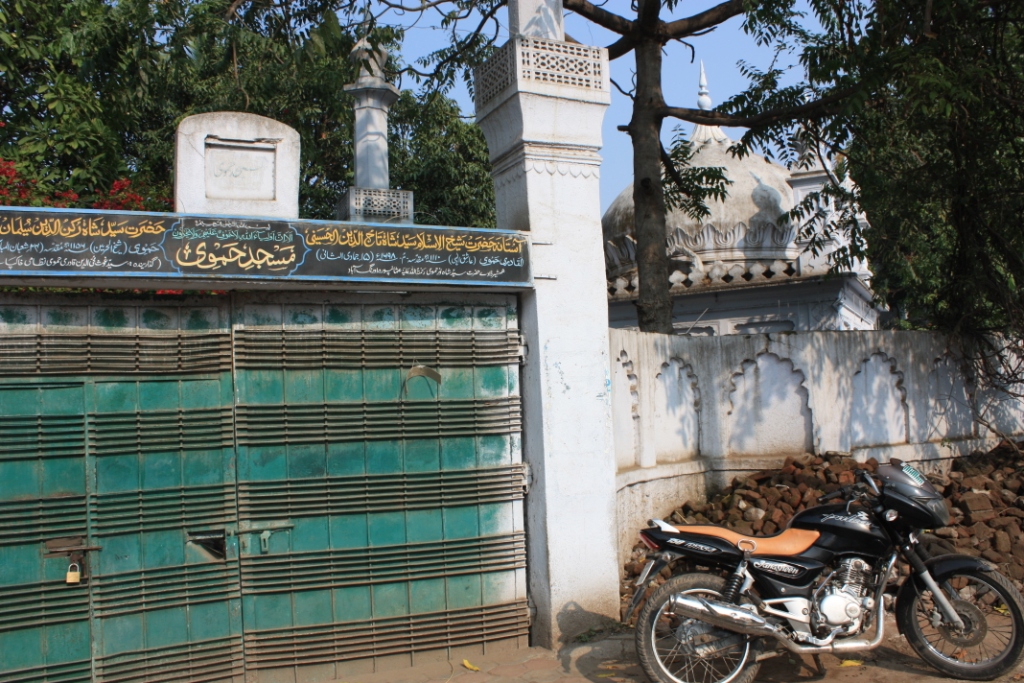
Taken on November 18, 2014 in Aurangabad

Taken on November 18, 2014 in Aurangabad
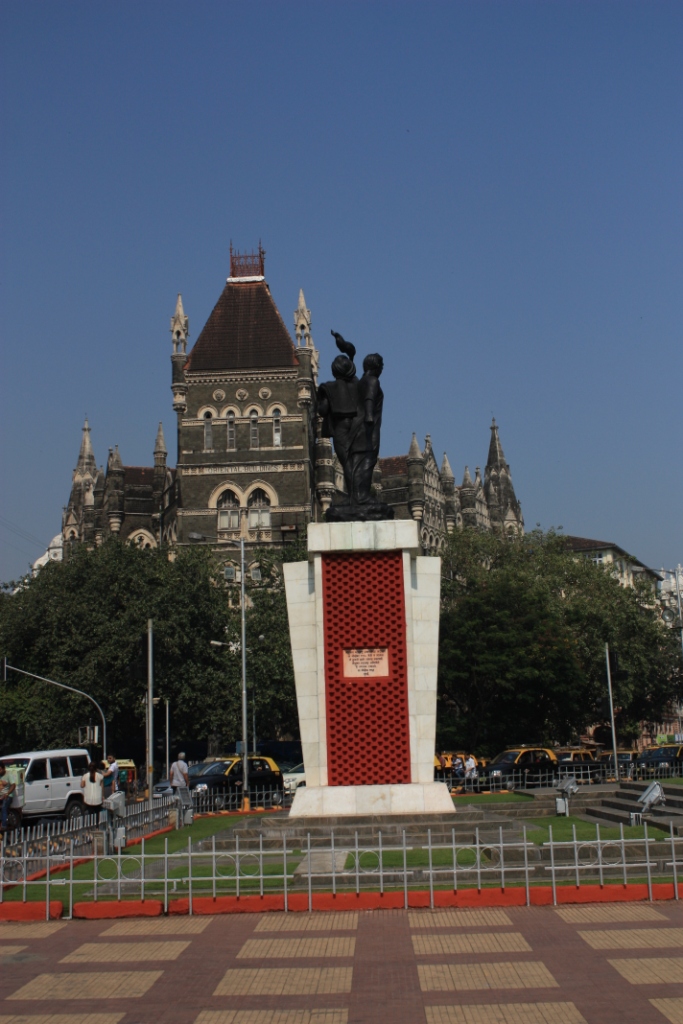
Taken on November 22, 2014 in Mumbai.
This Victorian landmark building dates to 1885. It’s across the street from the Flora Fountain.
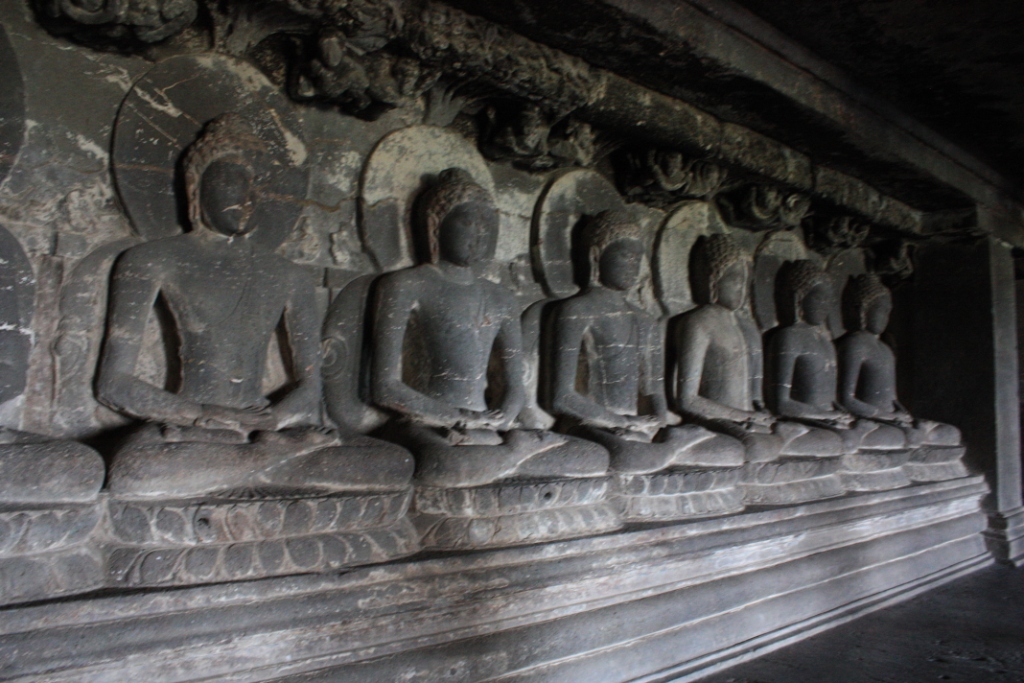
Taken in the Ellora Caves on November 20, 2014. Ellora has Buddhist, Hindu, and Jain caves–in that order.
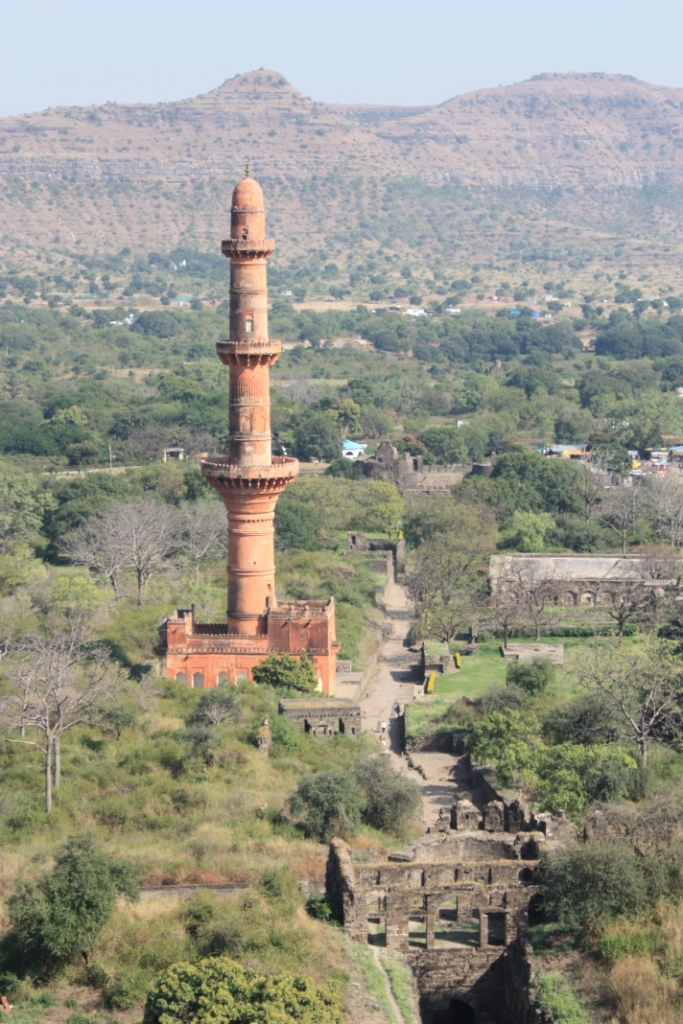
Taken on November 20, 2014 at Daulatabad.
This is taken from the path up to the citadel at Daulatabad Fort. Daulatabad is a 14th century hill fortress that lies on the road between Aurangabad and the Ellora caves. It was the capital of the Tughlaq Dynasty.
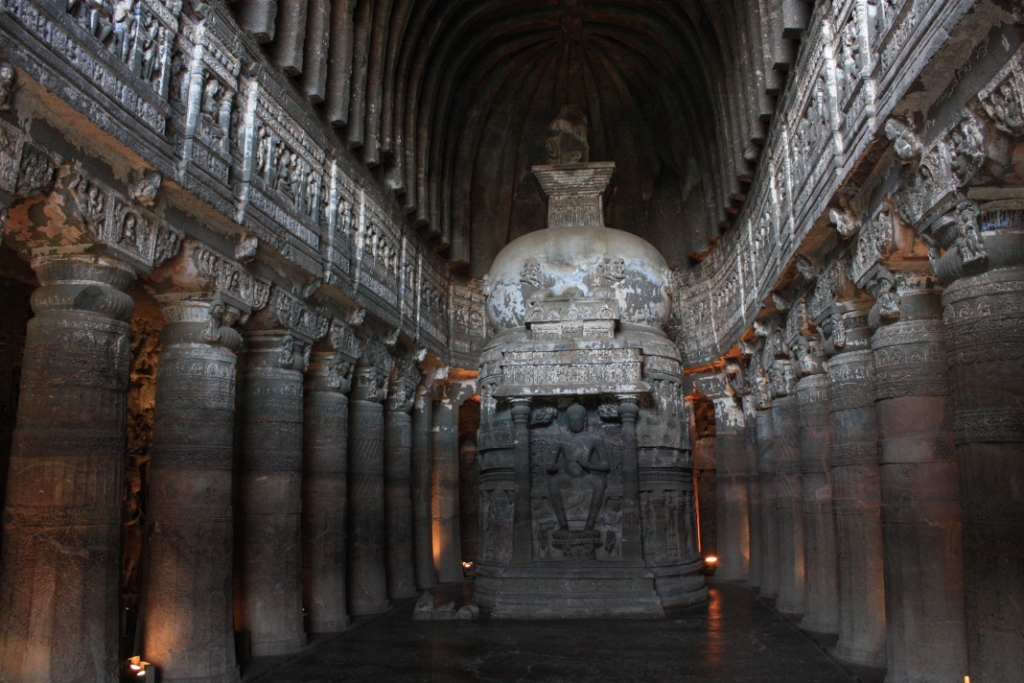
Taken on November 19, 2014
There are two types of caves at Ajanta; chaitya-grihas (a.k.a. sanctuary, prayer hall, or meditation hall) and sanghārāmas (a.k.a. vihāras or monasteries.) This is an example of the former, of which there are only a few. In fact, it (cave 26) is the most ornate of the Ajanta sanctuaries. Sanctuaries are distinguished by domed roofs and the presence of a stupa, which is a monument that is typically dome-shaped but need not be so flashy as this one–sometimes they are simply mounds. The sanctuaries also have fanlights (like a transom) that bring in more light than the monasteries.
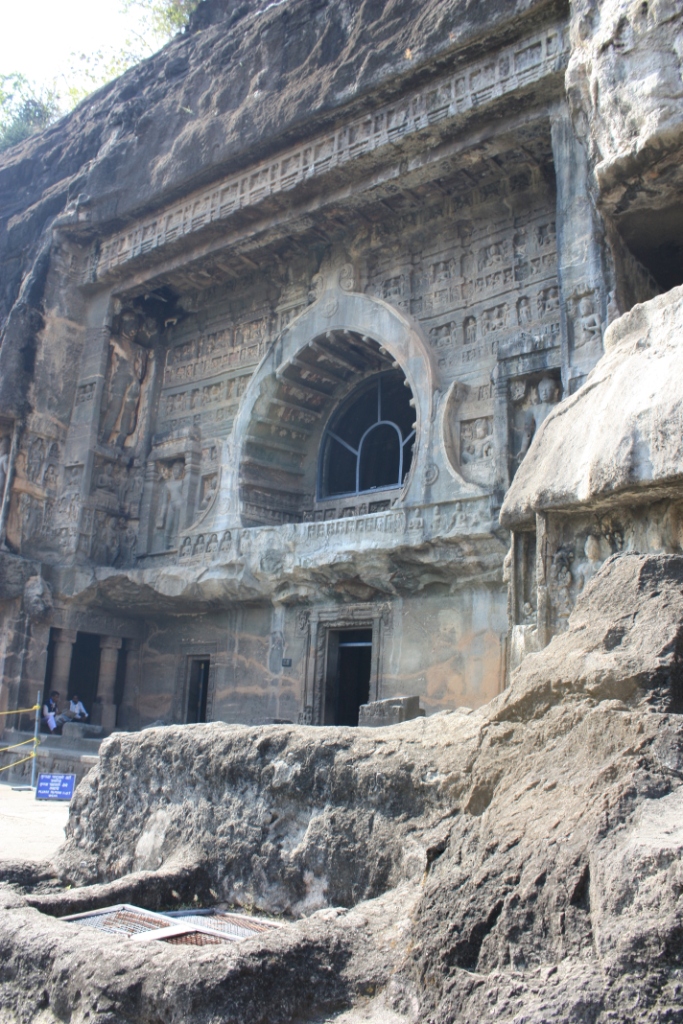
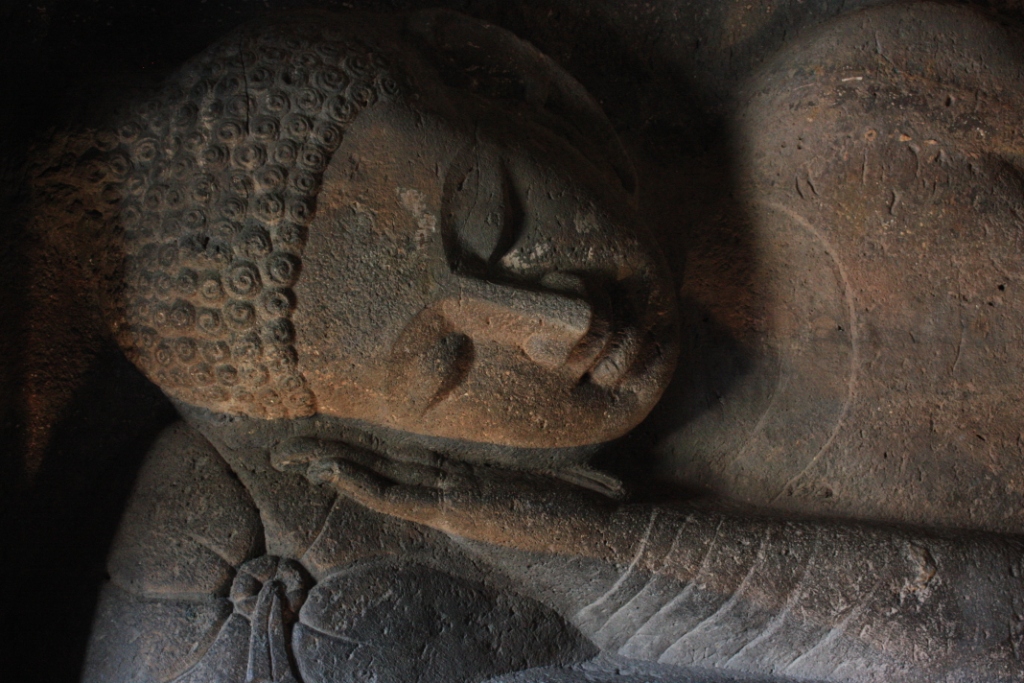
Cave 26 also houses the carving of the reclining Buddha that I’m presently using for my header image.

Taken on November 23, 2014 at Somaiya College in Mumbai
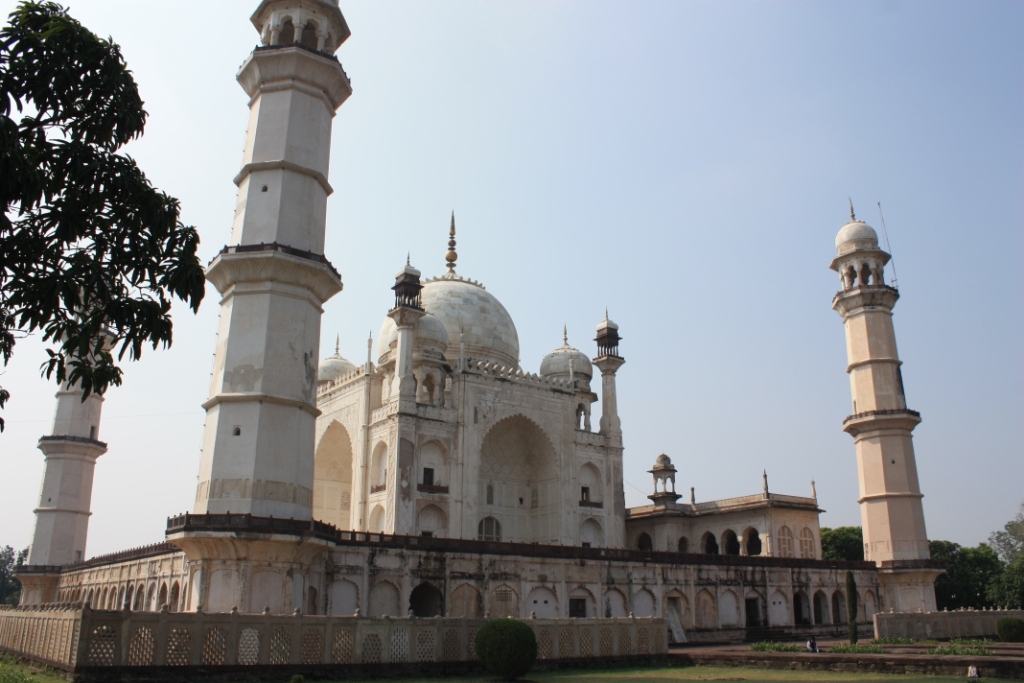
Taken on November 18, 2014 in Aurangabad
From a distance, Aurangabad’s Bibi Ka Maqbara bears a striking resemblance to the Taj Mahal. Besides the superficial similarities, it was also build in memoriam to the wife of an important Muslim leader. However, according to my guide, the Bibi Ka Maqbara is only about 60% the height of the Taj Mahal (I suspect its width is an even smaller proportion, as it looks “skinny” in comparison to my memory of the Taj Mahal.) Also, while the Taj is done entirely in white marble, only the dome and pedestal of the Bibi Ka Maqbara are white marble. The rest is plaster. Whereas the Taj has a great many floral scenes that are formed by inlaid semi-precious stones, at the Bibi Ka Maqbara similar scenes are painted onto the plaster in colorful paint. Aurangabad’s mini-Taj opened a mere 13 years after the Taj Mahal.
There are a couple of ways in which the Bibi Ka Maqbara surpasses the Taj. Most notably, the view from the back is much better. Aurangabad’s site has a garden at the back that rivals the front garden in size, and there are beautiful mountains in the background. (The rear of the Taj overlooks the Yamuna river bed and beyond that is not much impressive.) Second, no craftsmen were intentionally injured in the making of this monument. (There is a tale–treated as suspect by many historians–that the Taj craftsman were crippled in various ways after the completion of work so that they would never again produce something as lovely.)

Taken in Aurangabad on November 18, 2014
I’m back from a week-long trip to Maharashtra, where I visited Aurangabad, Ajanta, Ellora, Daulatabad, and Mumbai. That’s why I’ve been delinquent in posting. However, I’ll resume by posting pics and commentary from this trip.
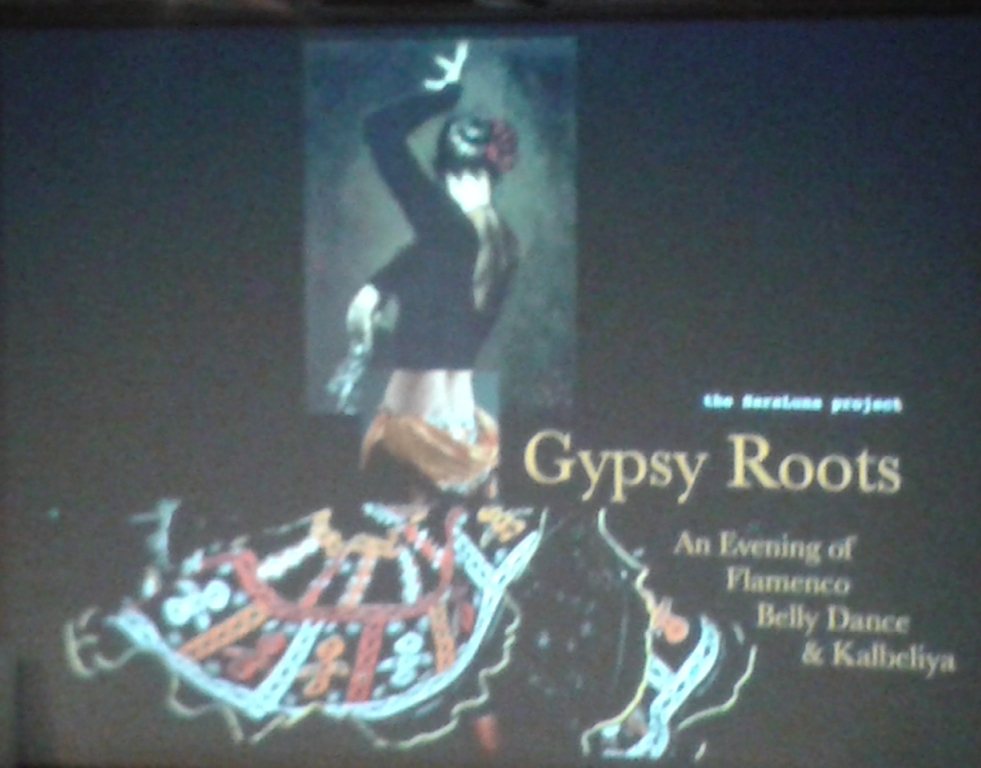
FYI: LSNED = Learn Something New EveryDay
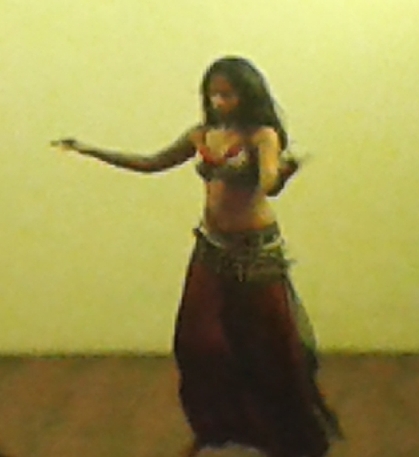
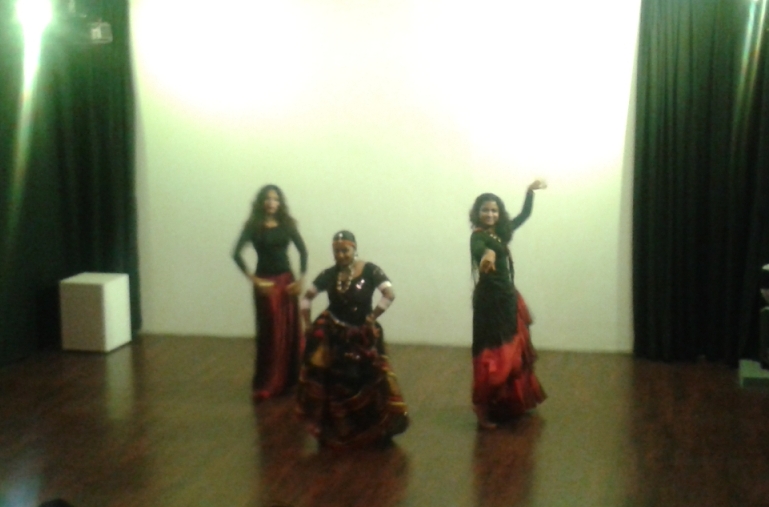
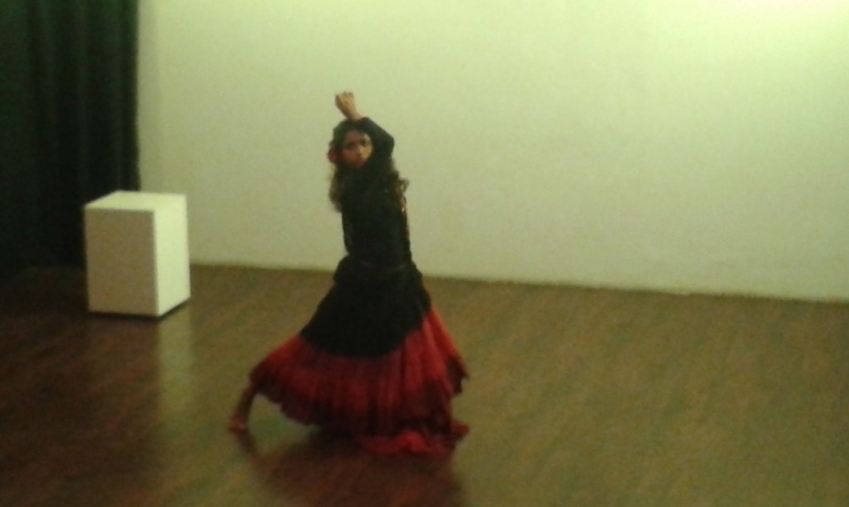
My wife, some friends, and I went to a dance performance at the KalaRasa Art House in Jayanagar last night. The dance was performed by a duo (made trio for the evening) called The SaraLuna Project, who demonstrated three dance forms with Gypsy roots: Kalbeliya Dance of Rajasthan, Egypt’s Belly Dance, and the Spanish Flamenco. I had no idea that these dance forms were connected (hence the Learn-Something-New-EveryDay [LSNED] segment,) and that they are but three styles along the long trail of Gypsy migration–though I have seen other Gypsy dance forms in Hungary.
This promises to be the first installment of a series that will cover other dance forms in this long and rich cultural heritage. The dance was sensational and it was a learning experience (complete with slides and graphics) as well as an entertaining evening. So if you’re in Bangalore and enjoy dance you should follow The SaraLuna Project.



 Tiger Riding for Beginners