DAILY PHOTO: Canal Side Graffiti, Vienna

Taken on December 30, 2016 in Vienna (Wien)

Taken on December 30, 2016 in Vienna (Wien)


I don't know what this is supposed to mean, but it seems a bit harsh

I don’t know what this is supposed to mean, but it seems a bit harsh


Austrian mural with an Indian flavor

Austrian mural with an Indian flavor

BOOK REVIEW: The Dharma Bums by Jack Kerouac

The Dharma BumsThe Dharma Bums by Jack Kerouac
My rating: 5 of 5 stars

Amazon page


What one needs to know to get a feel for this book is neither a summation of events nor the description of some crisis that sets up those events; instead, one simply needs to know who dharma bums were. This may or may not be self-evident, despite the fact that it’s essentially what the two words crammed together suggests. Dharma Bums were members of the Beat Generation (i.e. Beatniks, the 1950’s predecessor counter-culture to the hippies) who followed (or were enamored by) Buddhism, and who eschewed a materialistic lifestyle—which is to say they worked only when they needed to in order to put bread on the table or when they found it [autotelicly] satisfying to do so.

The book is literary fiction and places more emphasis on character than plot, and–furthermore—the events of the book read as though loosely autobiographical. Therefore, the happenings of the book are as scattershot as real lives tend to be.

The book begins with Ray Smith (the fictional counterpart to the real Kerouac) hopping a freight car in the manner of Jack London’s “The Road” (not to be confused with Cormac McCarthy’s “The Road,” nor Kerouac’s own “On the Road”)

The book then spends time with a series of characters who map to real life members of the Beat Generation. The most important of these individuals (besides Smith / Kerouac) as far as the book is concerned is Japhy Ryder who represents the Zen poet Gary Snyder. Ryder is a mentor to Ray Smith. First, Ryder’s knowledge and practice of Buddhism is much more advanced than Smith’s—though they occasionally disagree because Ryder is a Zen Buddhist and Smith has an affinity for a more mainstream sect, Smith learns much about Buddhism and Eastern philosophy from Ryder. Second, Ryder is a mentor in sharing various life lessons with Smith, including introducing him to mountaineering. A short expedition up a mountain is among the most memorable parts of the book.

I’ll mention one other of the characters, Alvah Goldbook, who stands for Allen Ginsberg. Ginsberg may be the most famous of these individuals (other than Kerouac, himself) today, owing largely to his poem “Howl.” Ginsberg is more agnostic where Buddhism is concerned. He enjoys ideas from it but doesn’t jump in feet-first in the manner of Smith—let alone Ryder. There are a number of well-known beatniks who feature more or less prominently (e.g. Neal Cassady and Philip Whalen.)

The book’s end features Smith working alone as a fire lookout on another mountain—Kerouac readers later learned that this was the aptly named Desolation Peak. Japhy’s hand can be seen in this as well, as he recommended the job to Smith.

This is a book for the thinking-person. There is really only one dramatic event that stands out in my mind as the source of tension one normally seeks in a novel. The joy of the book comes from joining the characters in bouts of philosophizing, in the creative use of language, and in reflecting upon an approach to life that exists outside the conventional.

I’d recommend this book. Personally, I enjoyed it more, and found it more thought-provoking, than “On the Road,” which I suspect is the work for which Kerouac is more known and which is also a good read.

View all my reviews

DAILY PHOTO: Hungarian Parliament, Inside and Out

Taken on December 22, 2016 in Budapest

Taken on December 22, 2016 in Budapest


by night

by night


Chamber of Deputies (I think)

Chamber of Deputies (I think)


Main staircase

Main staircase

DAILY PHOTO: Scenes from Sümeg Castle

The Castle; Taken on December 20, 2016 at Sümeg

The Castle; Taken on December 20, 2016 at Sümeg


Sümeg is a castle town north of Lake Balaton in Hungary. It was built in the late 13th century by King Bela IV. It was gifted to the Catholic church by King Stephen V. It’s been nicely remodeled, and is now the site of renaissance faire style events. Here are some pics from within:


In the dungeon (i.e. the várbörtön)

In the dungeon (i.e. the várbörtön)


Medieval warfare, check out those pointy boots

Medieval warfare, check out those pointy boots


The kitchen

The kitchen


The Bishop's Quarters

The Bishop’s Quarters

DAILY PHOTO: Jantar Mantar, New Delhi

Taken at the Jantar Mantar, Delhi on December 16, 2016

Taken at the Jantar Mantar, Delhi on December 16, 2016


The Jantar Mantar are astronomical clocks / calendars. Five of them were built in early 18th century India by order of Maharaja Jai Singh II.  The others are in Jaipur, Varanasi, Ujjain, and Mathura. The one at Jaipur is said to be the most impressive, and I can attest that it’s more impressive than the complex in Delhi. However, I’ve only visited the two. What we read of the Varanasi one didn’t make it sound worth the trip, even though we were in the area of it.  (It’s atop one of the buildings near the main ghat.) I haven’t been to the other two cities, but I’ve heard that not all of the Jantar Mantar remain intact, so they may just be ruins.


When we were visiting the location in Jaipur, a guide asked: “Do you believe in these things, astrology and astronomy?”


To which the natural response is: “That’s like asking whether I believe in ghosts and gravity.”


At any rate, if you are into science these sites are worth your time.


img_4704 img_4706


DAILY PHOTO: Happy New Year

img_1985

Taken in Hanoi January 1, 2016

Taken in Hanoi January 1, 2016

DAILY PHOTO: River Runs Through It, Hampi

Taken in October of 2013 in Hampi

Taken in October of 2013 in Hampi

img_0182

Top 5 Travel Destinations of 2016

We visited half a dozen countries (not including India) and about a dozen locales within India in 2016.

Here’s my top 5.


5.) Old Goa: Goa is usually a beachy destination, but when one goes before the rainy season is over, one spends a lot of time touring old churches. And Old Goa (Velha Goa) has some impressive and historic churches.

img_3196 img_3238 img_3265


4.) Amritsar: First of all, there’s the food. Punjabi cuisine is legendary–as is Sikh hospitality. However, there’s also some beautiful sights and a unique feel to the place.

img_3030 img_3059


3.) Bai Tu Long: Most of our trip to Vietnam took place in 2015, but we rang in the New Year on a junk boat on Ha Long Bay’s next door neighbor.

img_2423 img_2467


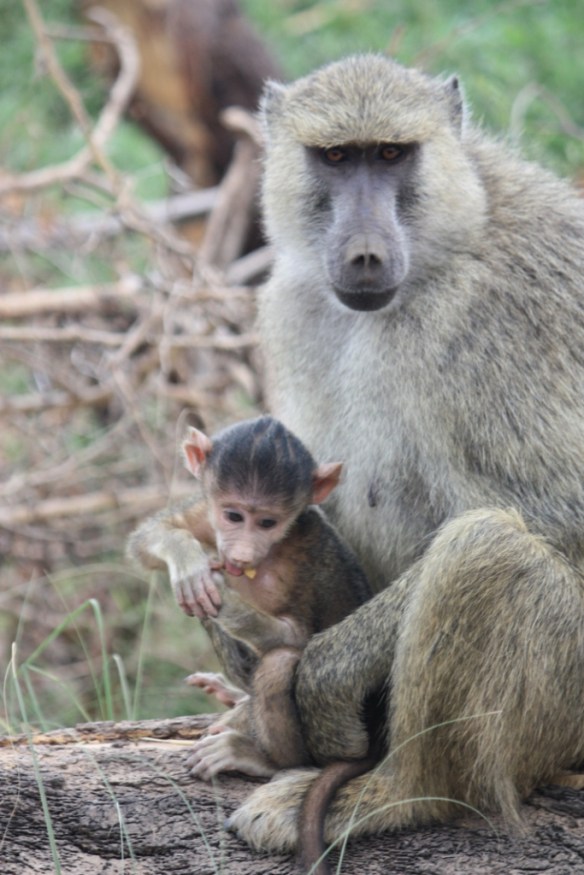
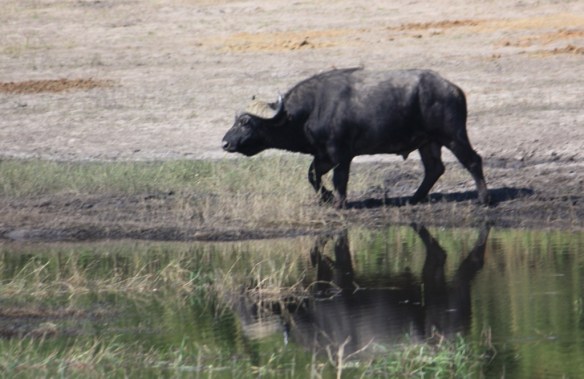
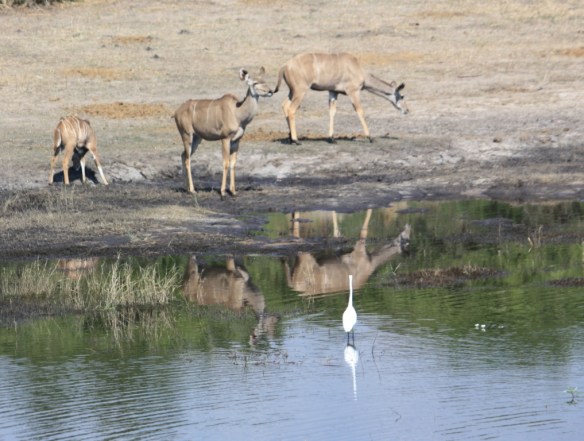
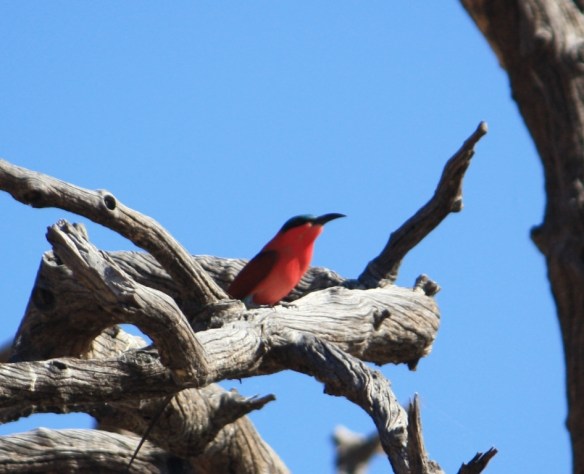
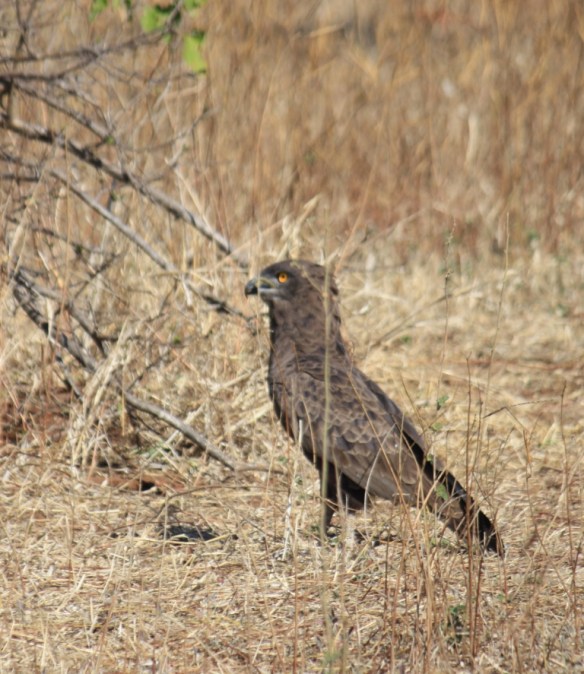
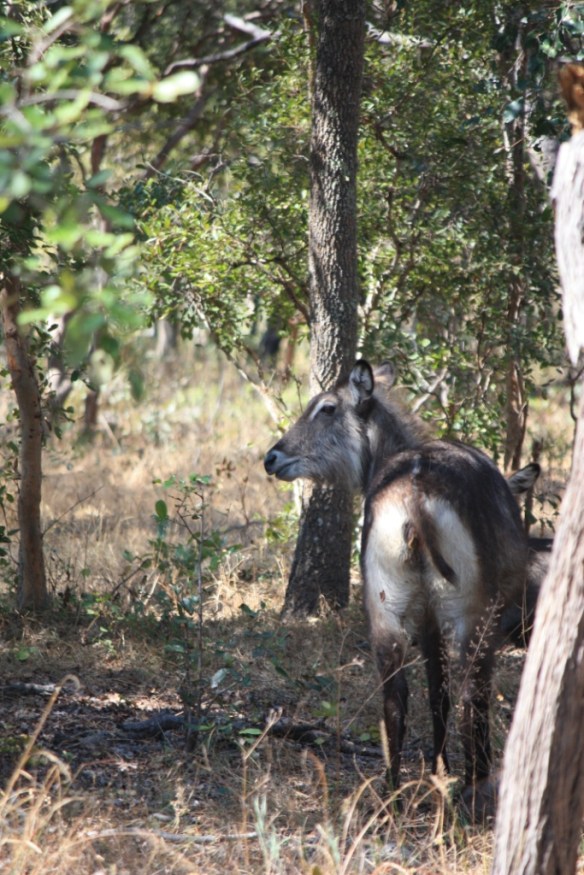
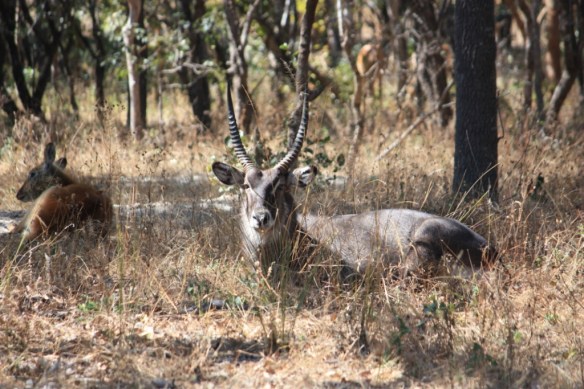
2.) Chaminuka Game Reserve, Zambia: Our first trip to Africa was far too short, but we did get a taste of the continent.

img_0201 img_0147 img_0184


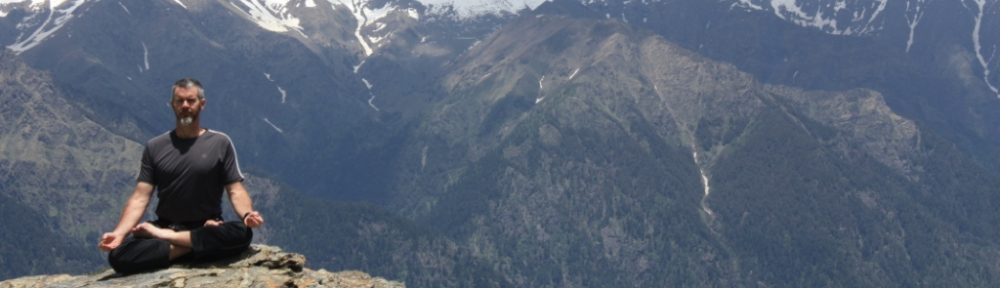
1.) Naranag to Sonamarg Trek: This may seem like an odd choice–particularly for the number one slot–given that Kashmir was under curfew when we visited. I think that may have made the trek all the more enjoyable. Not only is rural Kashmir gorgeous, but it was mostly normal–excepting the daily military checkpoints to remind us that Pakistan and /or China could invade at any moment. We certainly had our share of travails before and after the trek (e.g. only being able to drive through the middle of the night and all shops being closed on occasion) but the trek itself was outstanding. Besides, troubled travels make for good stories.

img_1316 img_1423 img_1591

DAILY PHOTO: The Queen’s Bath, Hampi

Taken in October of 2013 in Hampi

Taken in October of 2013 in Hampi

img_0655

DAILY PHOTO: Goan Garlands by the Mile

Taken in Vasco Da Gama, Goa in October of 2016

Taken in Vasco da Gama, Goa in October of 2016

img_3473

Vasco Da Gama

Vasco da Gama

img_3408

Panjim, Goa

Panjim, Goa