To me, fair friend, you never can be old,
   For as you were when first your eye I eyed,
   Such seems your beauty still. Three winters cold
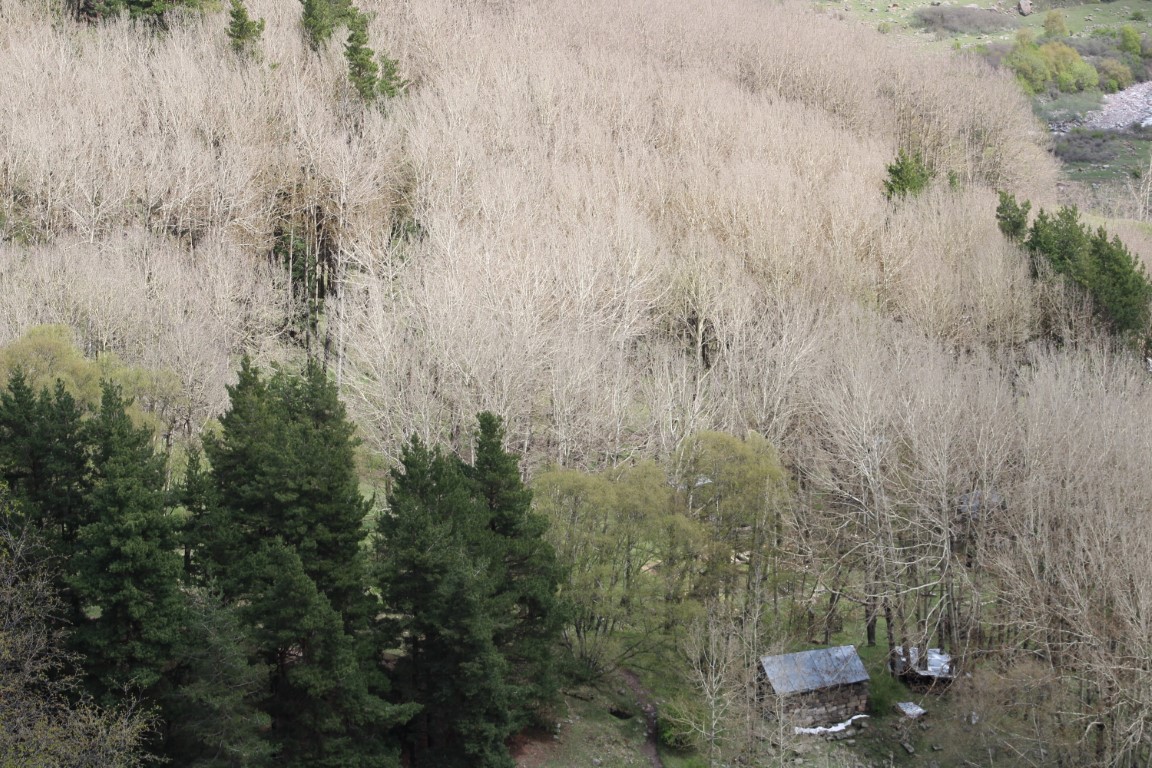
   Have from the forests shook three summer's pride,
 Three beauteous springs to yellow autumn turned
   In process of the seasons have I seen,
   Three April perfumes in three hot Junes burned,
   Since first I saw you fresh, which yet are green.
 Ah, yet doth beauty, like a dial-hand,
   Steal from his figure, and no pace perceived;
   So your sweet hue, which methinks still doth stand,
   Hath motion, and mine eye may be deceived:
 For fear of which, hear this, thou age unbred:
   Ere you were born was beauty's summer dead.
My heart leaps up when I behold
   A rainbow in the sky:
 So was it when my life began;
 So is it now I am a man;
 So be it when I shall grow old,
   Or let me die!
 The Child is father of the Man;
 And I could wish my days to be
 Bound each to each by natural piety.
Little Lamb who made thee
   Dost thou know who made thee
 Gave thee life & bid thee feed.
 By the stream & o'er the mead;
 Gave thee clothing of delight,
 Softest clothing wooly bright;
 Gave thee such a tender voice,
 Making all the vales rejoice!
   Little Lamb who made thee
   Dost thou know who made thee

   Little Lamb I'll tell thee,
   Little Lamb I'll tell thee!
 He is called by thy name,
 For he calls himself a Lamb:
 He is meek & he is mild,
 He became a little child:
 I a child & thou a lamb,
 We are called by his name.
   Little Lamb God bless thee.
   Little Lamb God bless thee.
When I am dead, my dearest,
 Sing no sad songs for me;
 Plant thou no roses at my head,
 Nor shady cypress tree:
  Be the green grass above me
  With showers and dew drops wet;
  And if thou wilt, remember,
  And if thou wilt, forget.

I shall not see the shadows,
 I shall not feel the rain;
 I shall not hear the nightingale
 Sing on, as if in pain:
  And dreaming through the twilight
  That doth not rise nor set,
  Haply I may remember,
  And haply may forget.
Let me not to the marriage of true minds
 Admit impediments; love is not love
 Which alters when it alteration finds,
 Or bends with the remover to remove.
O no, it is an ever-fixed mark
 That looks on tempests and is never shaken;
 It is the star to every wand'ring bark
 Whose worth's unknown, although his height be taken.
Love's not time's fool, though rosy lips and cheeks
 Within his bending sickle's compass come.
 Love alters not with his brief hours and weeks,
 But bears it out even to the edge of doom:
  If this be error and upon me proved,
  I never writ, nor no man ever loved.
Seventeen years ago you said
 Something that sounded like Good-bye;
 And everybody thinks that you are dead,
   But I.

So I, as I grow stiff and cold
 To this and that say Good-bye too;
 And everybody sees that I am old
   But you.

And one fine morning in a sunny lane
 Some boy and girl will meet and kiss and swear
 That nobody can love their way again
    While over there
 You will have smiled, I shall have tossed your hair.
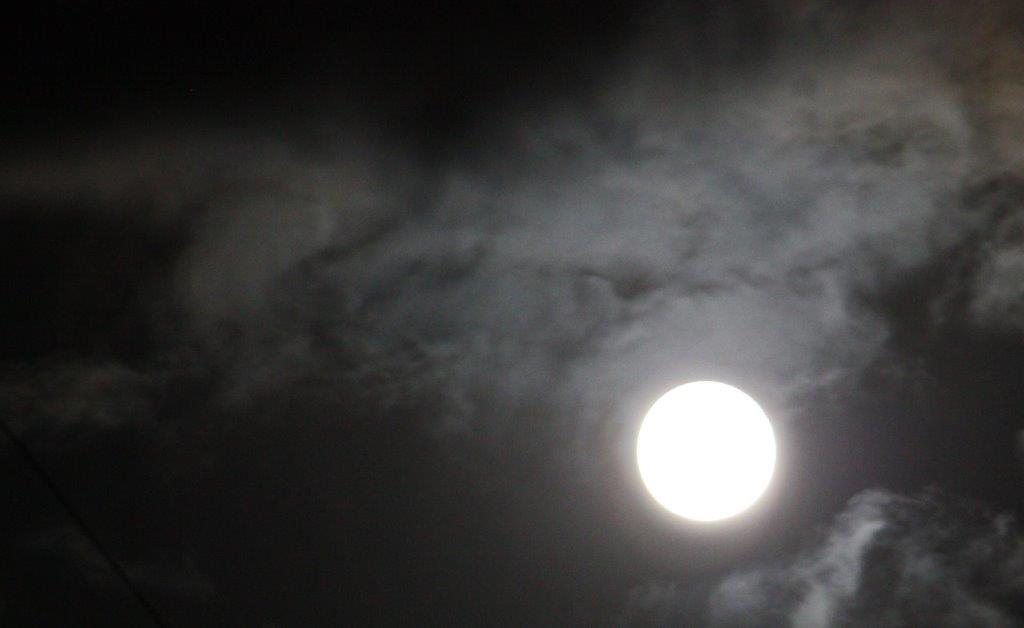
A touch of cold in the Autumn night --
   I walked abroad,
 And saw the ruddy moon lean over a hedge
   Like a red-faced farmer.
 I did not stop to speak, but nodded,
 And round about were the wistful stars
 With white faces like town children.
My mistress' eyes are nothing like the sun;
 Coral is far more red than her lips' red;
 If snow be white, why then her breasts are dun;
 If hairs be wires, black wires grow on her head.
I have seen roses damasked, red and white,
 But no such roses see I in her cheeks;
 And in some perfumes there is more delight
 Than in the breath that from my mistress reeks.
I love to hear her speak, yet well I know
 That music hath a far more pleasing sound;
 I grant I never saw a goddess go;
 My mistress, when she walks, treads on the ground.
   And yet, by heaven, I think my love as rare
   As any she belied with false compare.
This darksome burn, horseback brown,
 His rollback highroad roaring down,
 In coop and in comb the fleece of his foam
 Flutes and low to the lake falls home.

A windpuff-bonnet of fawn-froth
 Turns and twindles over the broth
 Of a pool so pitchblack, fell frowning,
 It rounds and rounds Despair and drowning.

Degged with dew, dappled with dew
 Are the groins of the braes that the brook threads through.
 Wiry heathpacks, flitches of fern,
 And the beadbonny ash that sits over the burn.

What would the world be, once bereft
 Of wet and of wildness? Let them be left,
 O let them be left, wildness and wet;
 Long live the weeds and the wilderness yet.











 Tiger Riding for Beginners