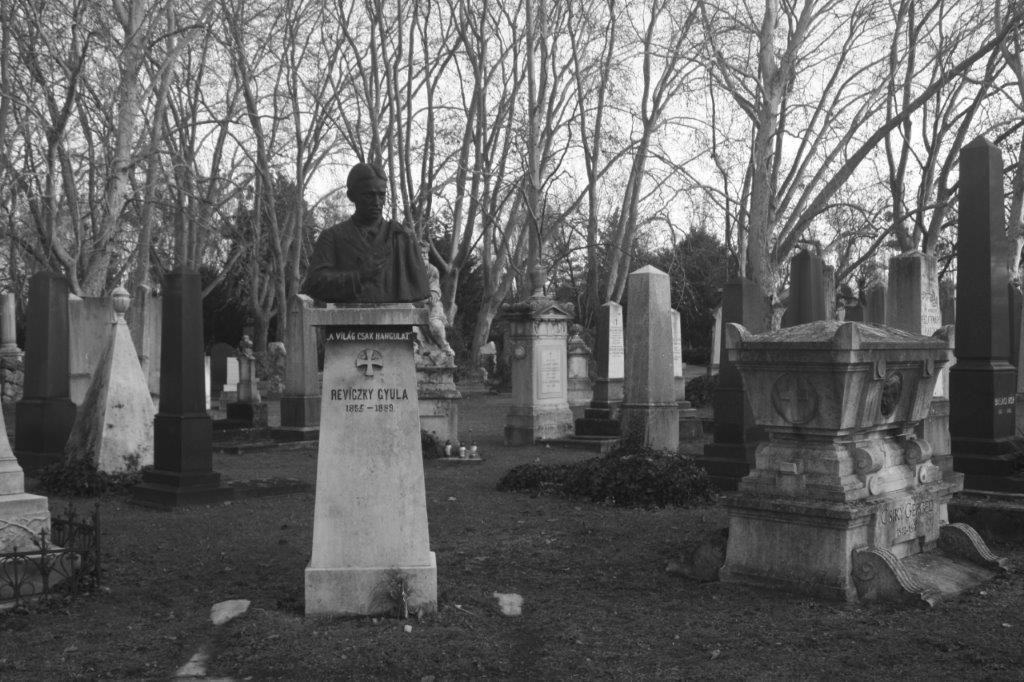
Seventeen years ago you said
 Something that sounded like Good-bye;
 And everybody thinks that you are dead,
   But I.

So I, as I grow stiff and cold
 To this and that say Good-bye too;
 And everybody sees that I am old
   But you.

And one fine morning in a sunny lane
 Some boy and girl will meet and kiss and swear
 That nobody can love their way again
    While over there
 You will have smiled, I shall have tossed your hair.
A touch of cold in the Autumn night --
   I walked abroad,
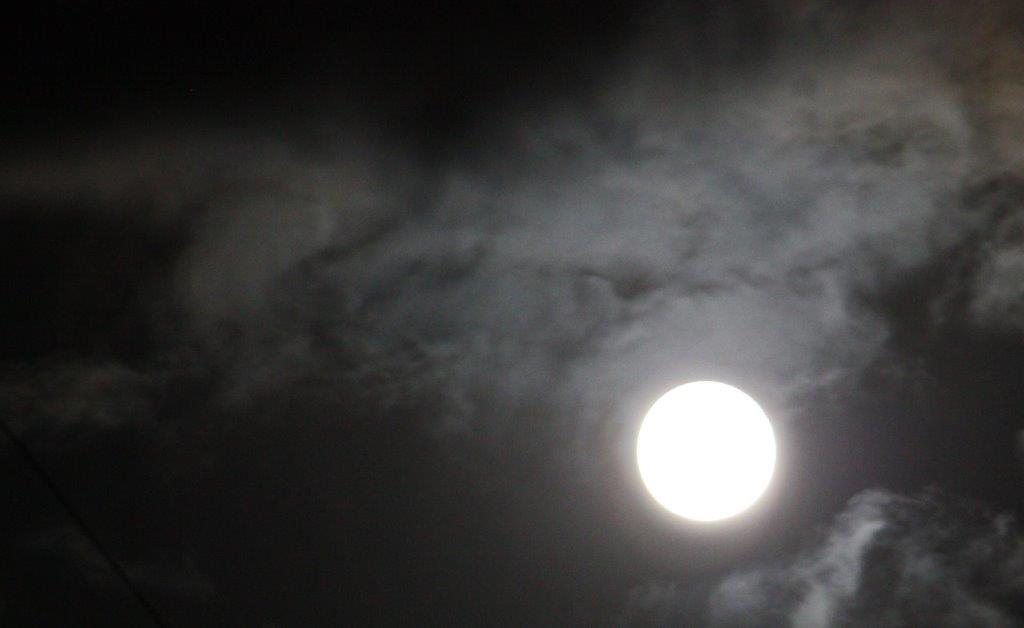
 And saw the ruddy moon lean over a hedge
   Like a red-faced farmer.
 I did not stop to speak, but nodded,
 And round about were the wistful stars
 With white faces like town children.
My mistress' eyes are nothing like the sun;
 Coral is far more red than her lips' red;
 If snow be white, why then her breasts are dun;
 If hairs be wires, black wires grow on her head.
I have seen roses damasked, red and white,
 But no such roses see I in her cheeks;
 And in some perfumes there is more delight
 Than in the breath that from my mistress reeks.
I love to hear her speak, yet well I know
 That music hath a far more pleasing sound;
 I grant I never saw a goddess go;
 My mistress, when she walks, treads on the ground.
   And yet, by heaven, I think my love as rare
   As any she belied with false compare.
This darksome burn, horseback brown,
 His rollback highroad roaring down,
 In coop and in comb the fleece of his foam
 Flutes and low to the lake falls home.

A windpuff-bonnet of fawn-froth
 Turns and twindles over the broth
 Of a pool so pitchblack, fell frowning,
 It rounds and rounds Despair and drowning.

Degged with dew, dappled with dew
 Are the groins of the braes that the brook threads through.
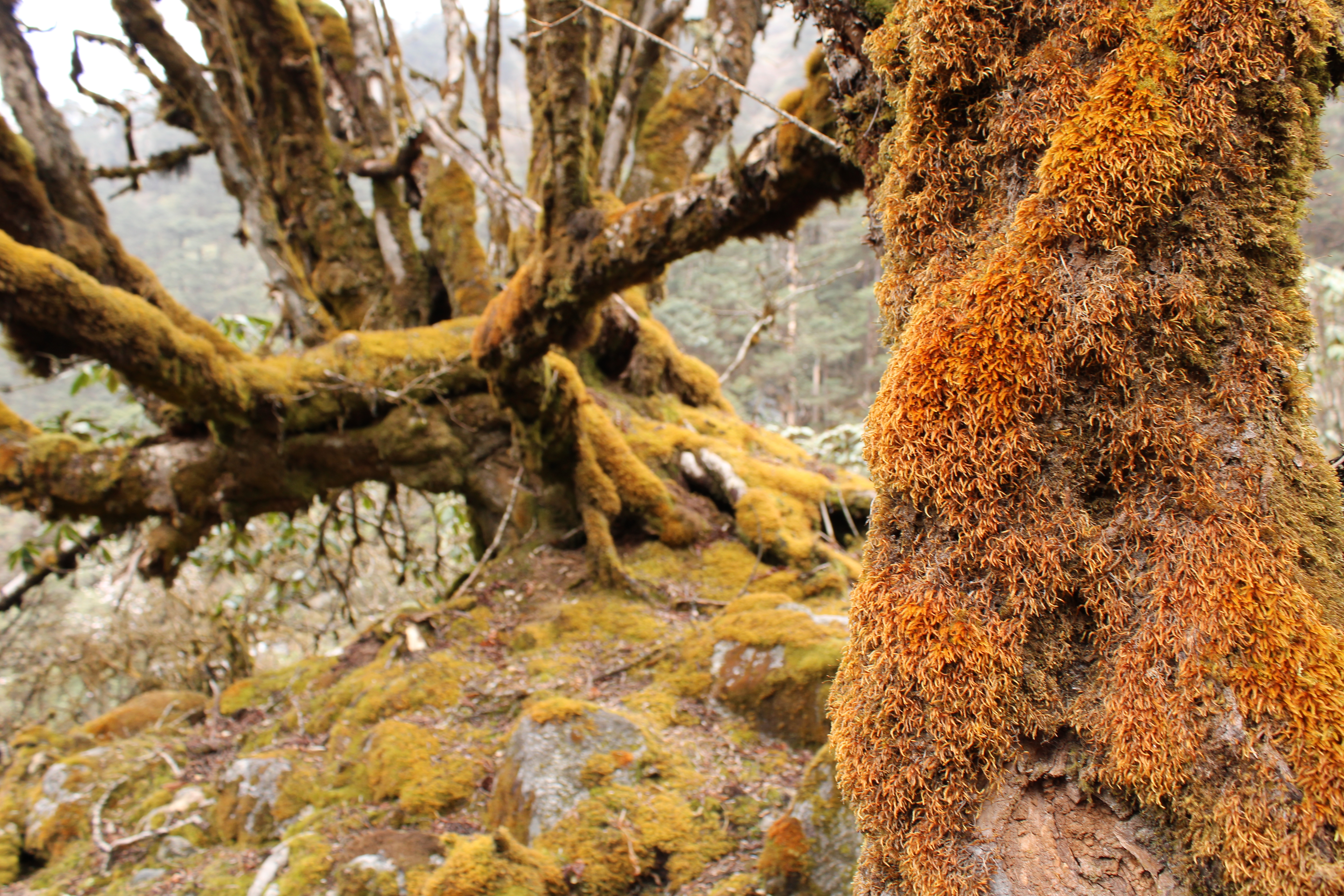
 Wiry heathpacks, flitches of fern,
 And the beadbonny ash that sits over the burn.

What would the world be, once bereft
 Of wet and of wildness? Let them be left,
 O let them be left, wildness and wet;
 Long live the weeds and the wilderness yet.
Be not afeard: the isle is full of noises,
 Sound and sweet airs, that give delight, and hurt not.
 Sometimes a thousand twangling instruments
 Will hum about mine ears; and sometimes voices,
 That, if I then had wak'd after long sleep,
 Will make me sleep again: and then, in dreaming,
 The clouds methought would open and show riches
 Ready to drop upon me; that, when I wak'd
 I cried to dream again.
NOTE: In The Tempest, Act III: Scene 2, Caliban speaks these words to Stephano and Trinculo.
Bent double, like old beggars under sacks,
 Knock-kneed, coughing like hags, we cursed through sludge,
 Till on the haunting flares we turned our backs,
 And towards our distant rest began to trudge.
Men marched asleep. Many had lost their boots,
 But limped on, blood-shod. All went lame; all blind;
 Drunk with fatigue; deaf even to the hoots
 Of gas-shells dropping softly behind.

Gas! GAS! Quick, boys! -- An ecstasy of fumbling
 Fitting the clumsy helmets just in time,
 But someone still was yelling out and stumbling
 And flound'ring like a man in fire or lime. --
Dim through the misty panes and thick green light,
 As under a green sea, I saw him drowning.

In all my dreams before my helpless sight,
 He plunges at me, guttering, choking, drowning.

If in some smothering dreams, you too could pace
 Behind the wagon that we flung him in,
 And watch the white eyes writhing in his face,
 His hanging face, like a devil's sick of sin;
 If you could hear, at every jolt, the blood
 Come gargling from the froth-corrupted lungs,
 Obscene as cancer, bitter as the cud
 Of vile, incurable sores on innocent tongues, --
 My friend, you would not tell with such high zest
 To children ardent for some desperate glory,
 The old Lie: Dulce et decorum est
   Pro patria mori.
NOTE: Dulce et decorum est pro patria mori is a line written by Horace in Latin that translates to: “It is sweet and fitting to die for one’s country.”
Half a league, half a league,
   Half a league onward,
 All in the valley of Death
   Rode the six hundred.
 "Forward the Light Brigade!
   Charge for the guns!" he said:
 Into the valley of Death
   Rode the six hundred.

"Forward the Light Brigade!"
   Was there a man dismay'd?
 Not tho' the soldier knew
   Some one had blunder'd:
 Their's not to make reply,
   Their's not to reason why,
 Their's but to do and die:
   Into the valley of Death
     Rode the six hundred.

Cannon to right of them,
   Cannon to left of them,
 Cannon in front of them
   Volley'd and thunder'd;
 Storm'd at with shot and shell,
   Boldly they rode and well,
 Into the jaws of Death,
   Into the mouth of Hell,
     Rode the six hundred.

Flash'd all their sabres bare,
   Flash'd as they turn'd in air
 Sabring the gunners there,
   Charging an army, while
 All the world wonder'd:
    Plunged in the battery-smoke
 Right thro' the line they broke;
   Cossack and Russian
 Reel'd from the sabre-stroke
   Shatter'd and sunder'd.
 Then they rode back, but not,
   Not the six hundred.

Cannon to right of them,
   Cannon to left of them,
 Cannon behind them
   Volley'd and thunder'd;
 Storm'd at with shot and shell,
   While horse and hero fell,
 They that had fought so well
    Came thro' the jaws of Death
 Back from the mouth of Hell,
   All that was left of them,
      Left of six hundred.

When can their glory fade?
   O the wild charge they made!
 All the world wonder'd.
   Honour the charge they made!
 Honour the Light Brigade,
   Noble six hundred!
Now winter nights enlarge
 The number of their hours;
 And clouds their storms discharge
 Upon the air towers.
Let now the chimneys blaze
 And cups o'erflow with wine,
 Let well-turned words amaze
 With harmony divine.
Now yellow waxen lights
 Shall wait on honey love
 While youthful revels, masques, and courtly sights
 Sleep's leaden spells remove.

This time doth well dispense
 With lovers' long discourse;
 Much speech hath some defense,
 Though beauty no remorse.
All do not all things well;
 Some measures comely tread,
 Some knotted riddles tell,
 Some poems smoothly read.
The summer hath his joys,
 And winter his delights;
 Though love and all his pleasures are but toys,
 They shorten tedious nights.
To be, or not to be, that is the question:
 Whether 'tis nobler in the mind to suffer
 The slings and arrows of outrageous fortune,
 Or to take arms against a sea of troubles
 And by opposing end them. To die -- to sleep,
 No more; and by a sleep to say we end
 The heart-ache and the thousand natural shocks
 That flesh is heir to: 'tis a consummation
 Devoutly to be wish'd. To die, to sleep;
 To sleep, perchance to dream -- ay, there's the rub:
 For in that sleep of death what dreams may come,
 When we have shuffled off this mortal coil,
 Must give us pause - there's the respect
 That makes calamity of so long life.
 For who would bear the whips and scorns of time,
 Th' oppressor's wrong, the proud man contumely,
 The pangs of dispriz'd love, the law's delay,
 The insolence of office, and the spurns
 That patient merit of th' unworthy takes,
 When he himself might his quietus make
 With a bare bodkin? Who would fardels bare,
 To grunt and sweat under a weary life,
 But that the dread of something after death,
 The undiscover'd country, from whose bourn
 No traveller returns, puzzles the will,
 And makes us rather bear those ills we have
 Than fly to others that we know not of?
 Thus conscience doth make cowards of us all,
 And thus the native hue of resolution
 Is sicklied o'er with the pale cast of thought,
 And enterprises of great pith and moment
 With this regard their currents turn awry
 And lose the name of action.