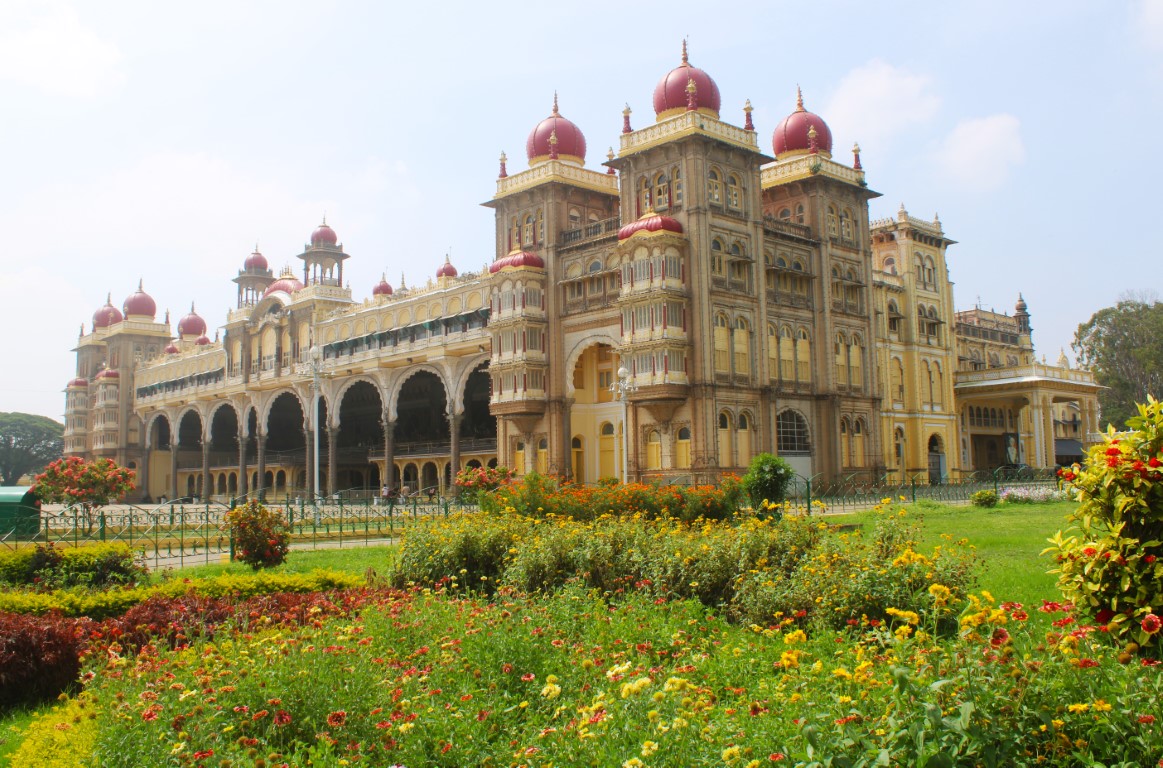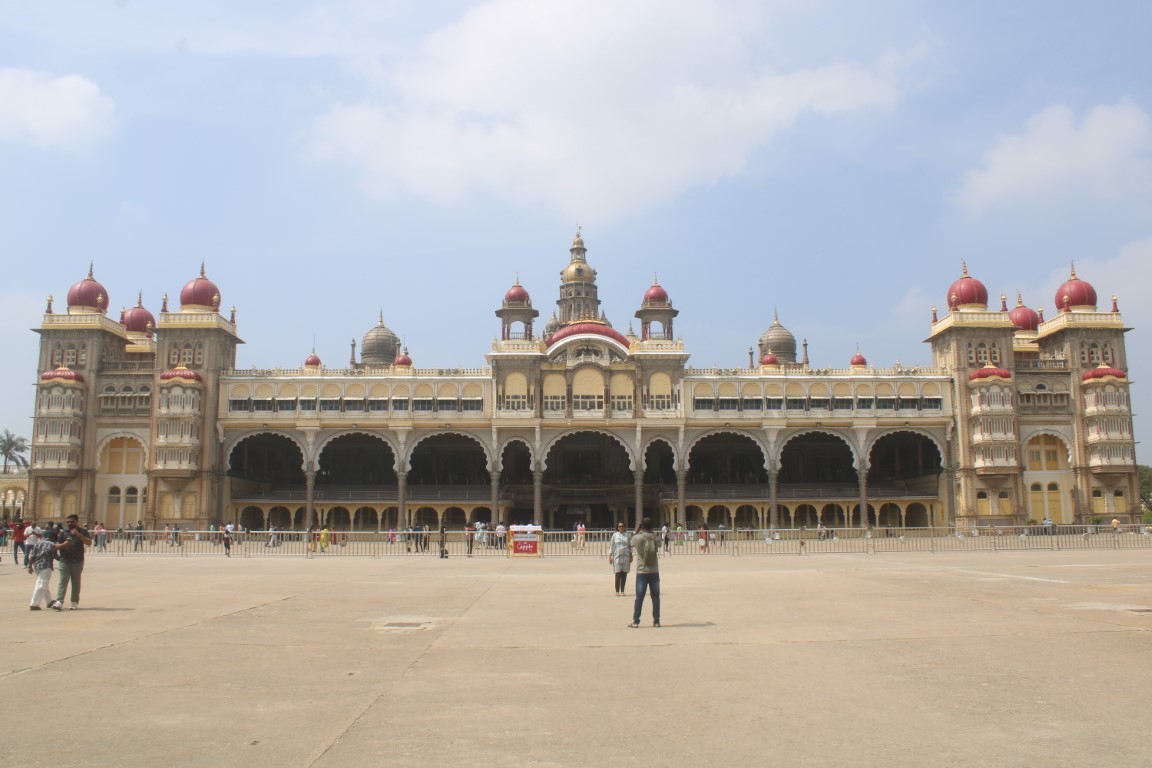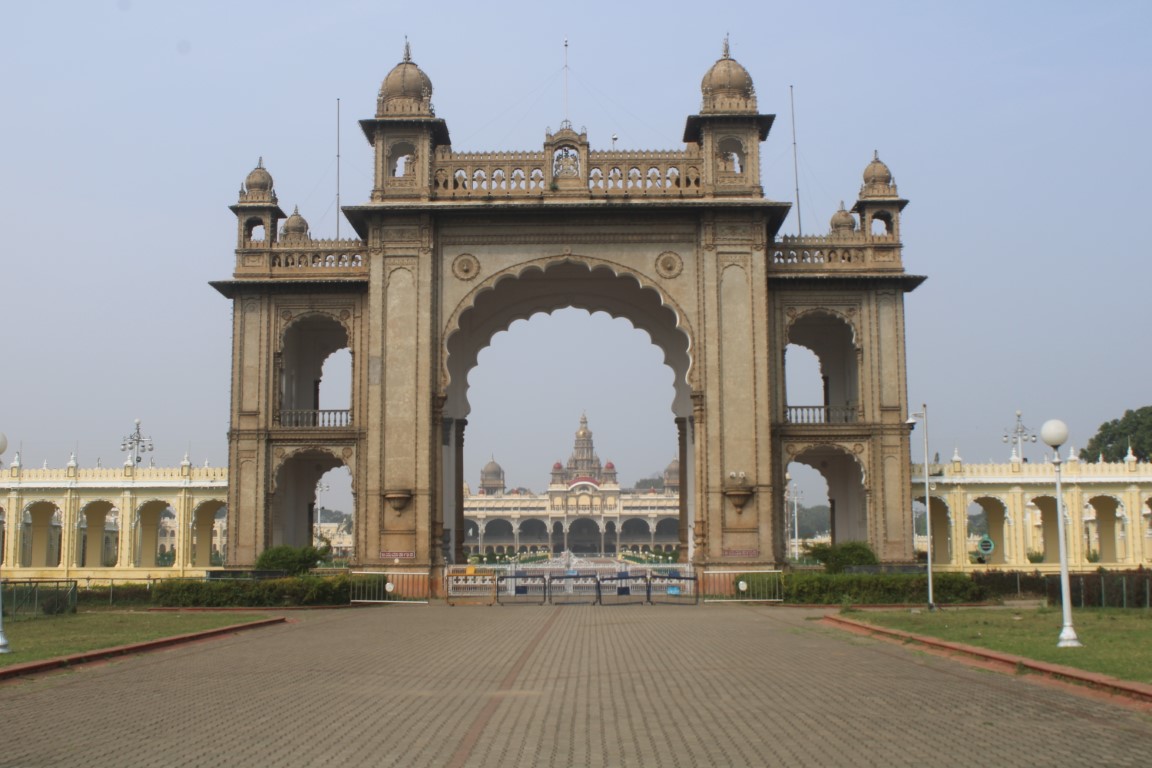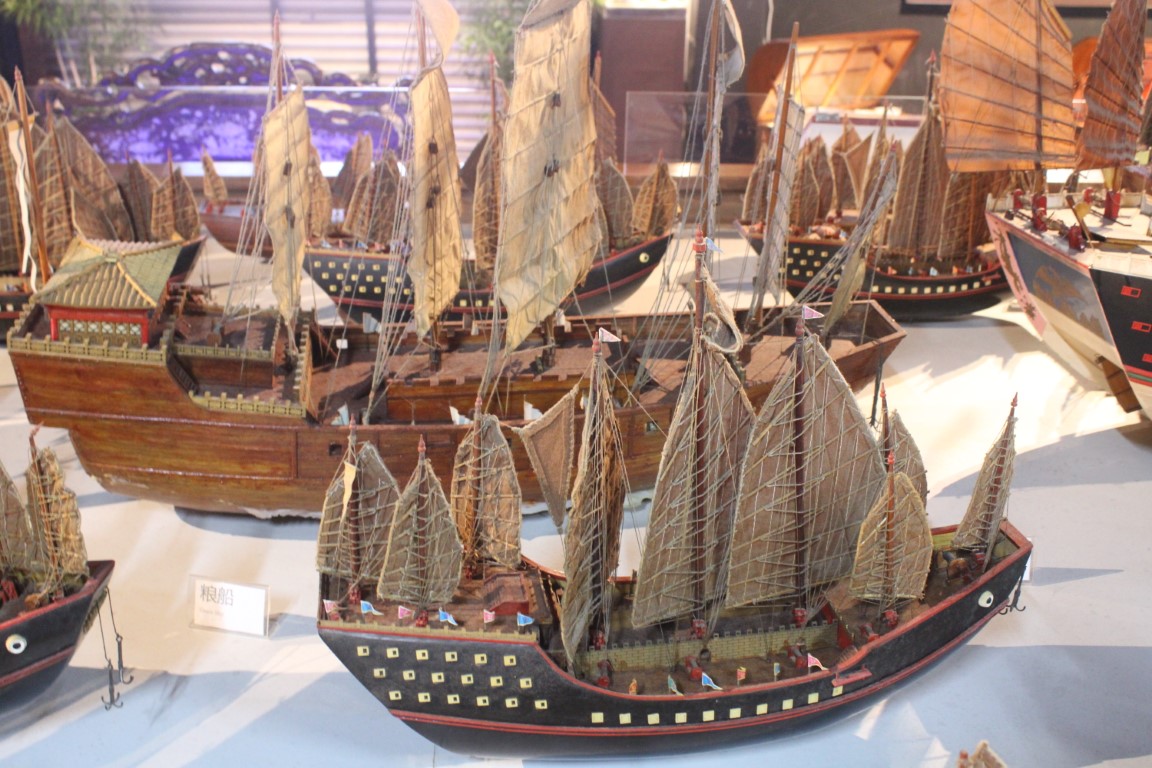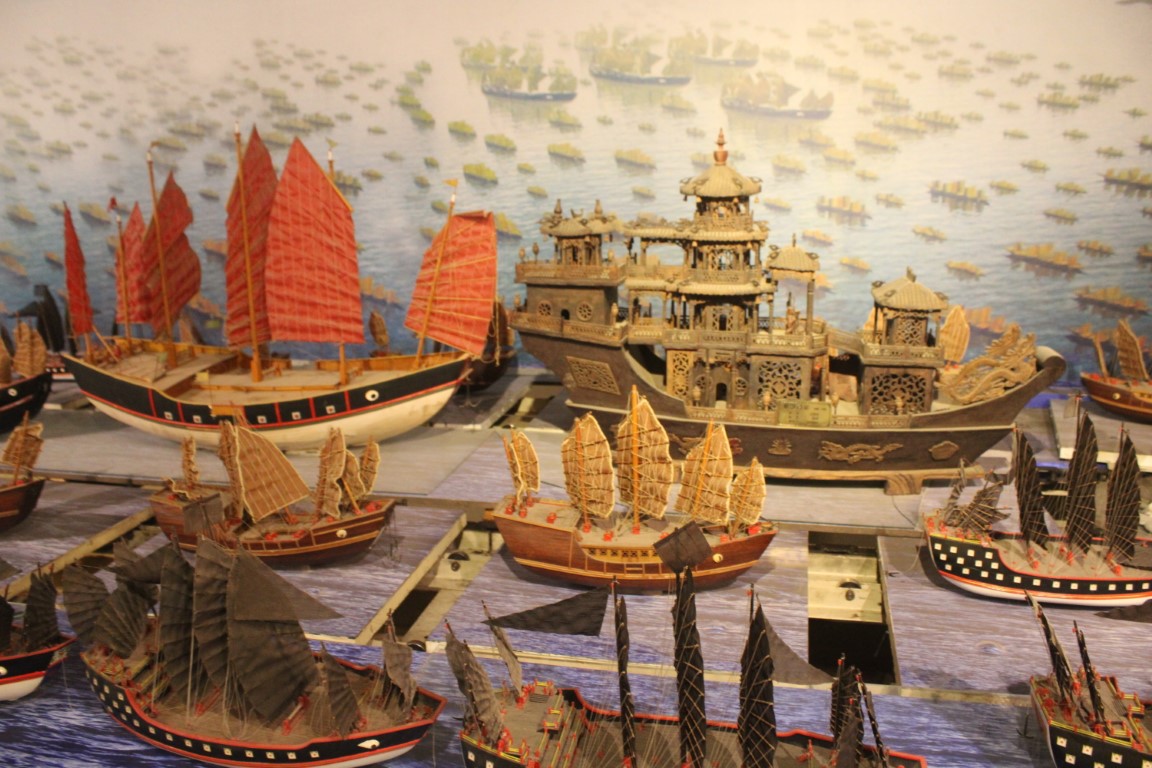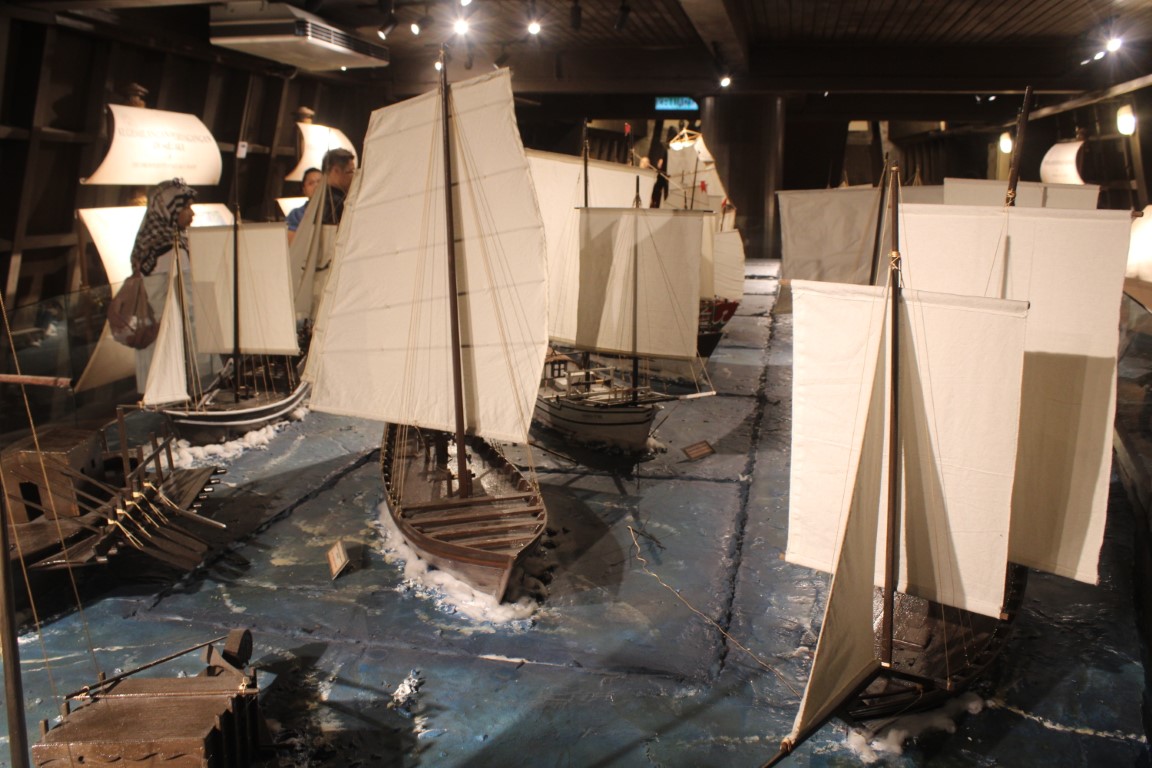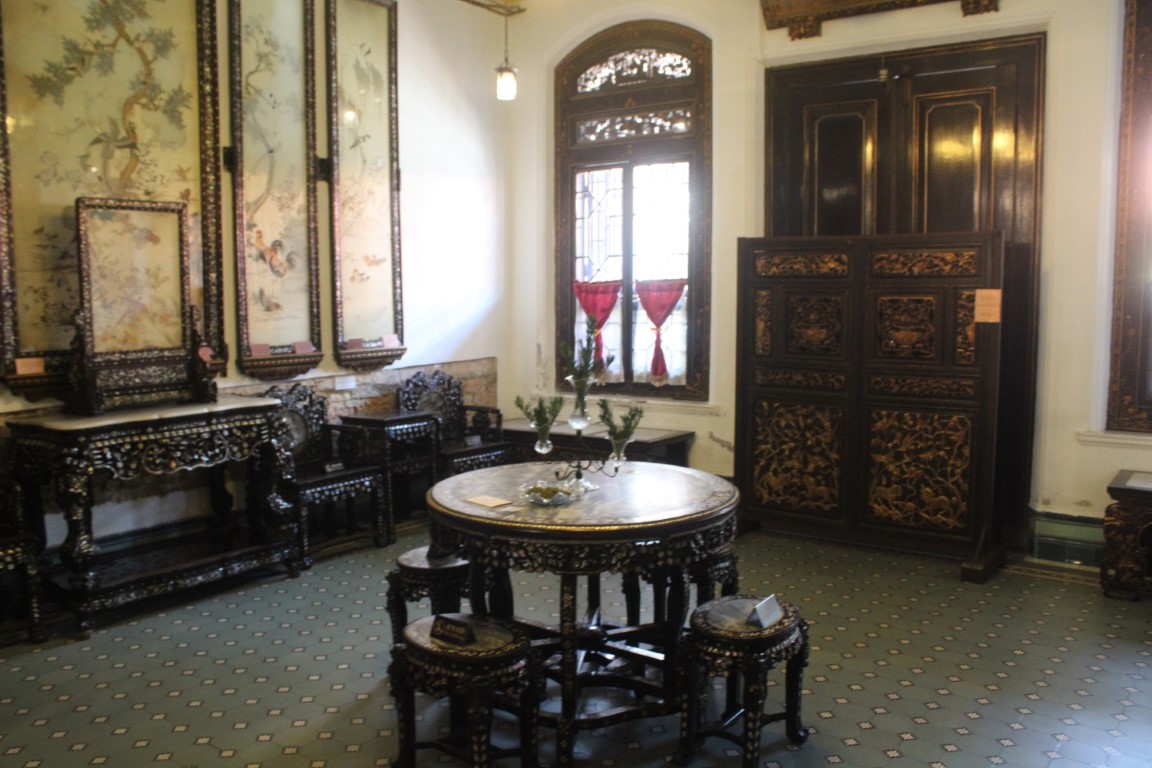
DAILY PHOTO: Ship Displays from Melaka Museums

Cheng Ho Cultural Museum (A museum dedicated to the famous Chinese Admiral Zheng He)
Cheng Ho Cultural Museum
Maritime Museum of Melaka (Flor de la Mar)

BOOK: “Mad About the Mekong” by John Keay

Mad About The Mekong: Exploration and Empire in South East AsiaMad About The Mekong: Exploration and Empire in South East Asia by John Keay
My rating: 4 of 5 stars

Publisher’s Site

This book is largely, but not exclusively, an accounting of the Mekong Exploration Commission’s two-year (1866-1868) expedition of the Mekong River. The French undertook this expedition in the expectation that the Mekong, like other of the world’s major rivers, would allow ocean-going ships to traverse deep inland — possibly even up into Yunnan, China. The explorers were quickly disabused of this notion, but they relentlessly kept going – despite suffering from disease and the exhaustion of a trip that involved a lot more portaging and other intense physical activities than they’d hoped for.

As I mentioned, Keay doesn’t stick purely to description of the activities of these nineteenth century explorers. Along the way he also brings in fascinating stories from other periods as well as discussion of what the river is like (e.g. its ecology, infrastructure, role in geopolitics, etc.) these days. So, while it would be excessive to call the book a history of the Mekong, it is in some regards — albeit the highlights reel. Some of the diversions were among my favorite parts of the book. Perhaps my favorite was the story of Tony Poe, whose story is said to be the model for Col. Kurtz of Apocalypse Now. I’d long heard that that movie was based on Joseph Conrad’s Heart of Darkness, and it is (the name “Kurtz” is clearly from Conrad’s novella, though Poe’s occupation more closely mirrors the Col. Kurtz character played by Marlon Brando.)

While the book sometimes shines the light more broadly than he Mekong Exploration Commission Expedition, it also narrows its focus much of the way, putting the expedition’s most colorful character, Francis Garnier, front and center. Garnier was not only the most intriguing member of the leadership, he also led the group to what was the end of the line for the expedition, deep in China, when the Captain, Ernest Doudart de Lagree, became incapacitated by disease.

If you’re interested in history, travel, or exploration, I’d recommend this book.

View all my reviews

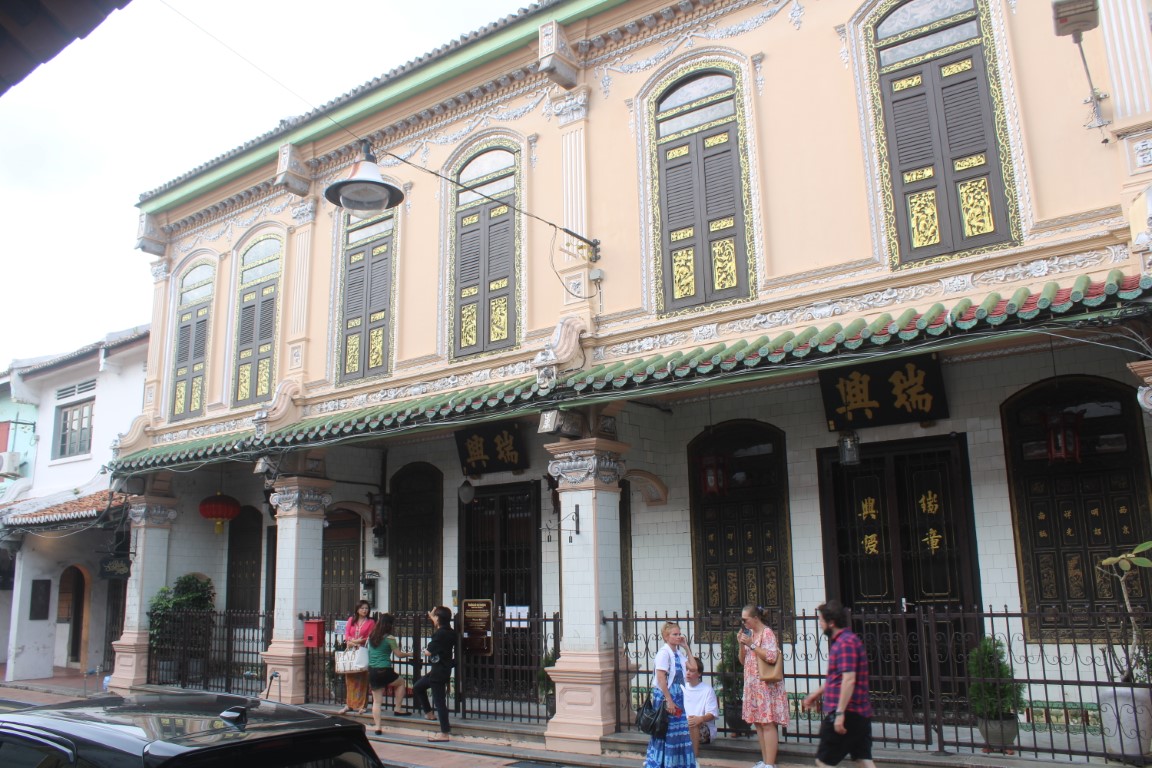
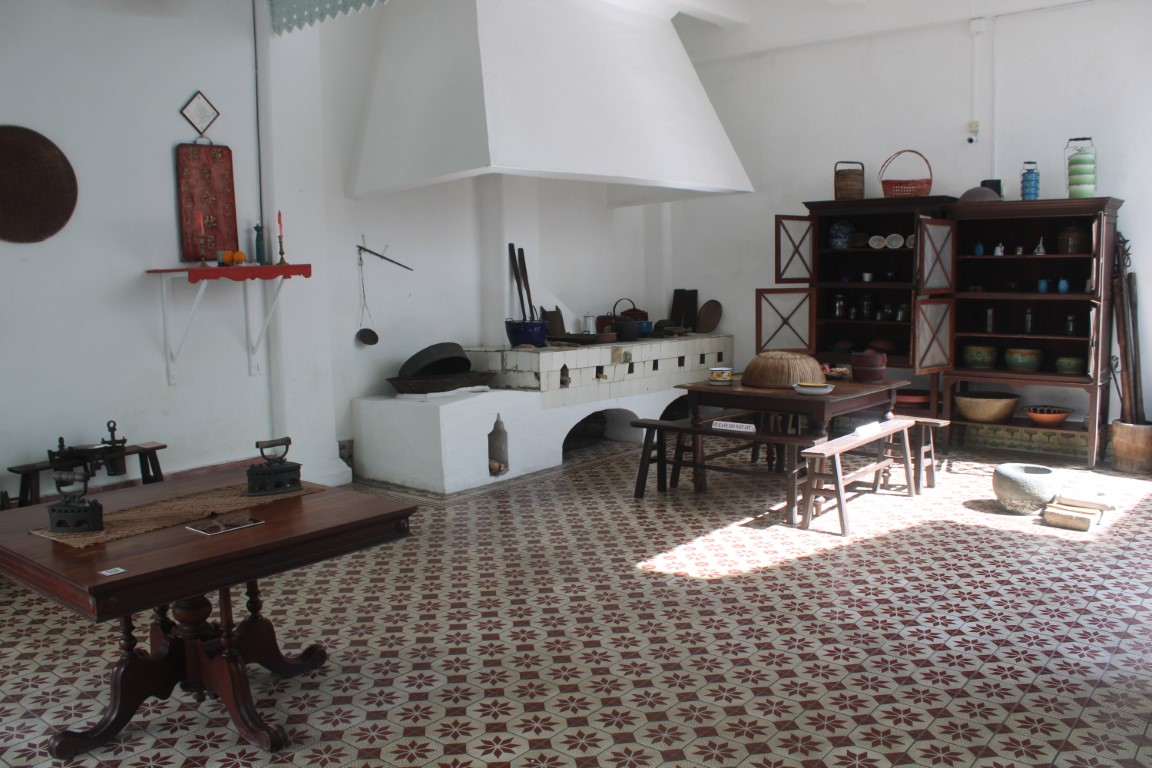
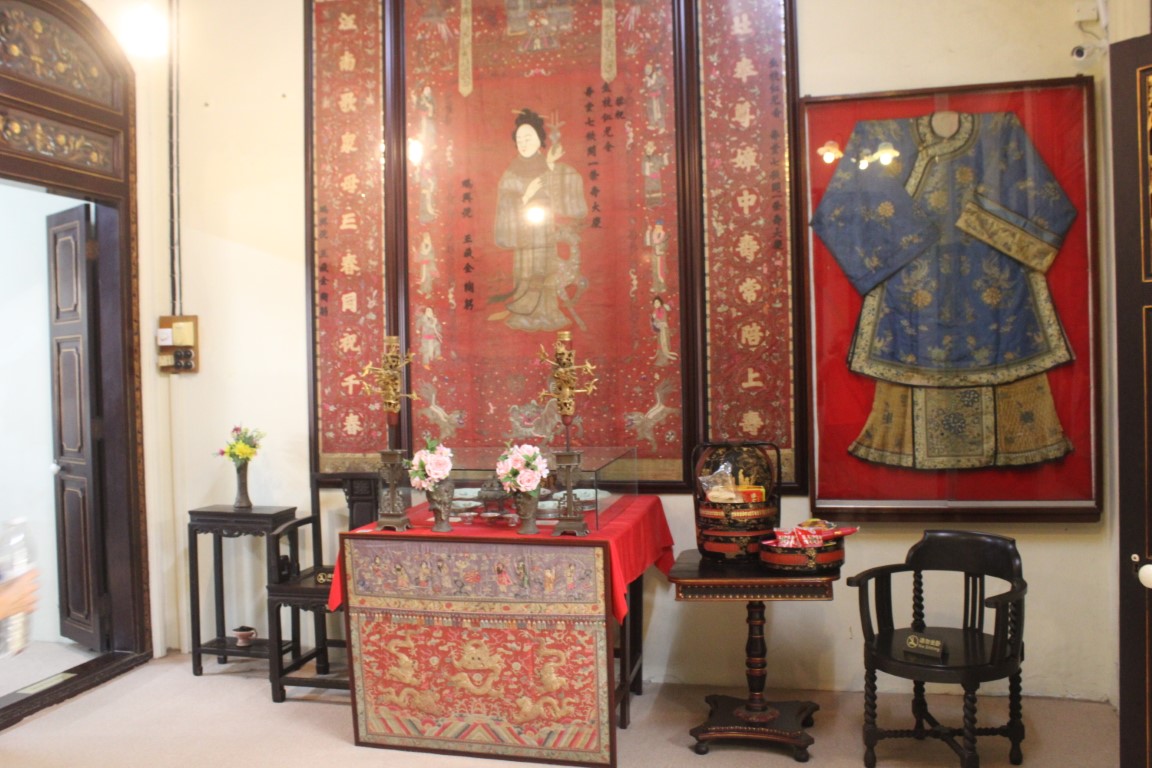
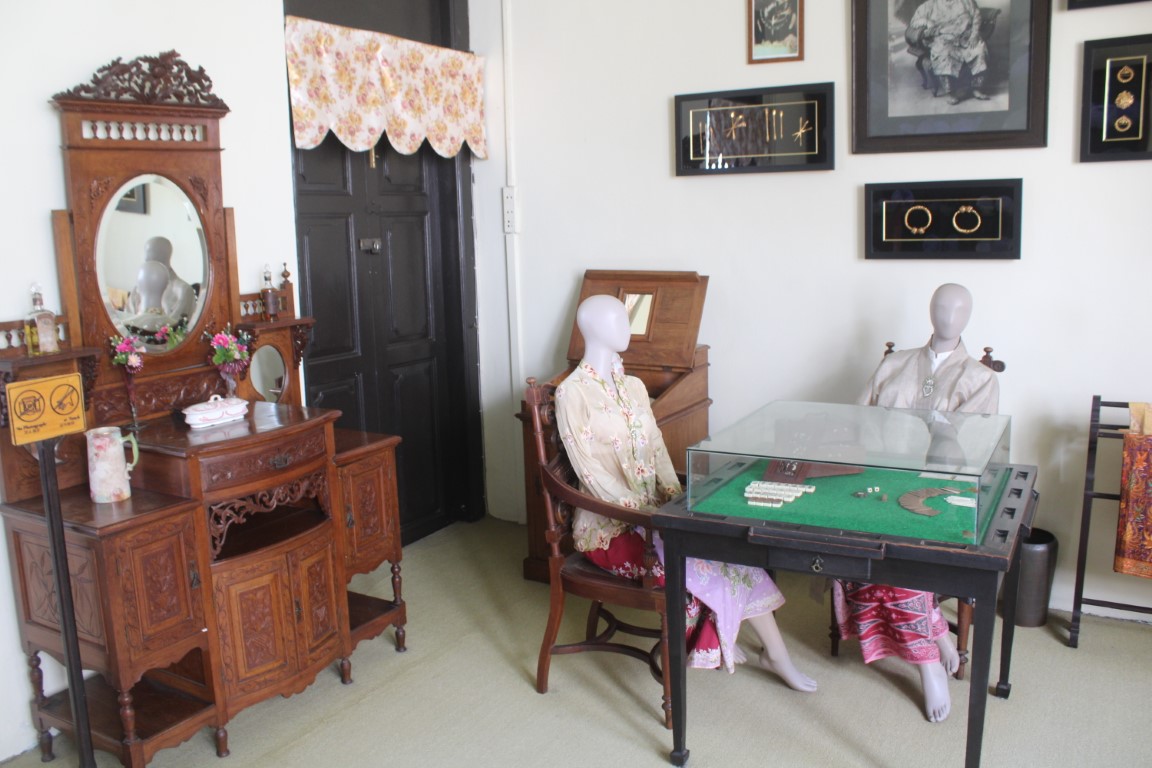
DAILY PHOTO: Baba & Nyonya Heritage Museum (or Crazy Rich Asians — 19th Century)

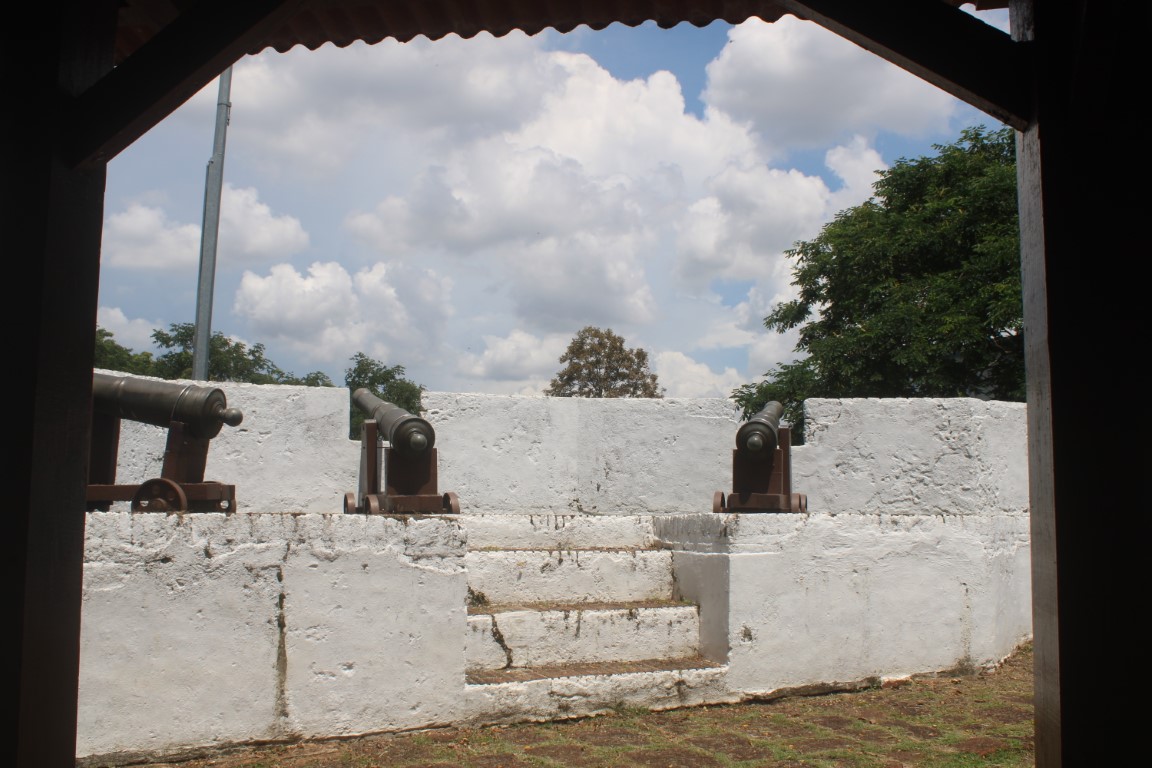
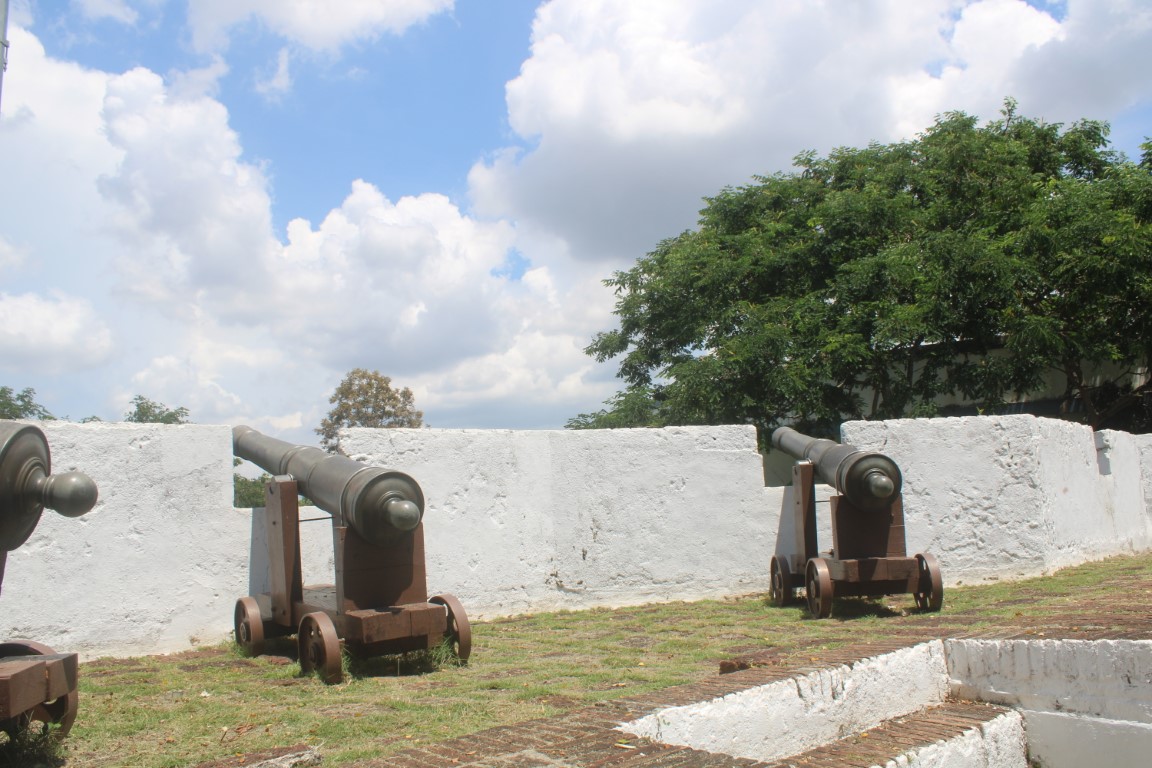
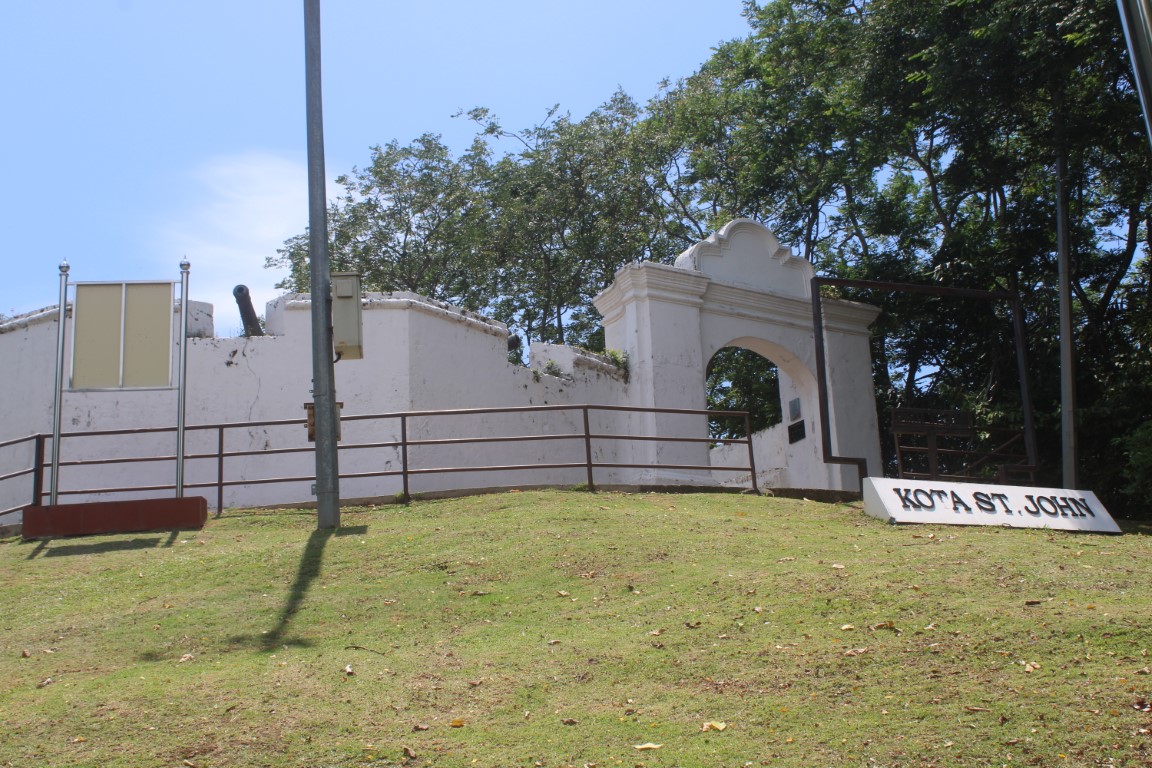
DAILY PHOTO: St. John’s Fort, Malacca

St. John’s Fort (or Kota St. John) is a preserved Dutch fort built upon existing Portuguese fortifications. This fort is built facing landward to protect against overland attacks by the Acehnese and Bugis (rather than toward the sea to protect from maritime competitors.)

BOOKS: “Writers’ Journeys That Shaped Our World” by Travis Elborough

The Writer's Journey: In the Footsteps of the Literary Greats (Journeys of Note, 1)The Writer’s Journey: In the Footsteps of the Literary Greats by Travis Elborough
My rating: 4 of 5 stars

Publisher Website

This book discusses important travel events in the lives of thirty-five prominent writers and poets. Some of these were long international travels and some entirely domestic, some aborted and others completed. All of these trips in some way influenced the subsequent works produced by these writers. In some cases, it was just for a scene, as with Sir Arthur Conan Doyle’s use of Reichenbach Falls to kill off his widely beloved (but personally soul-sucking) character, Sherlock Holmes. In others, the trip became the basis of a book, as with Joseph Conrad’s travels on the Congo River. And in yet others, the trip would become the basis of multiple works, such as Jack London’s travels in the Klondike. Of course, there were some travels that had more indirect influence on the writers’ works by way of shifts in worldview and life experience.

The graphics for this book are excellent and include a simple route map for each trip as well as photos from key locations, as well as a few relevant historic artworks. The maps and pictures help to give one a feel for the appeal of these places, and — in some cases — to better understand literary works once read.

If you are a traveler, are interested in literary history, or are both, this book is well worth investigating.

View all my reviews

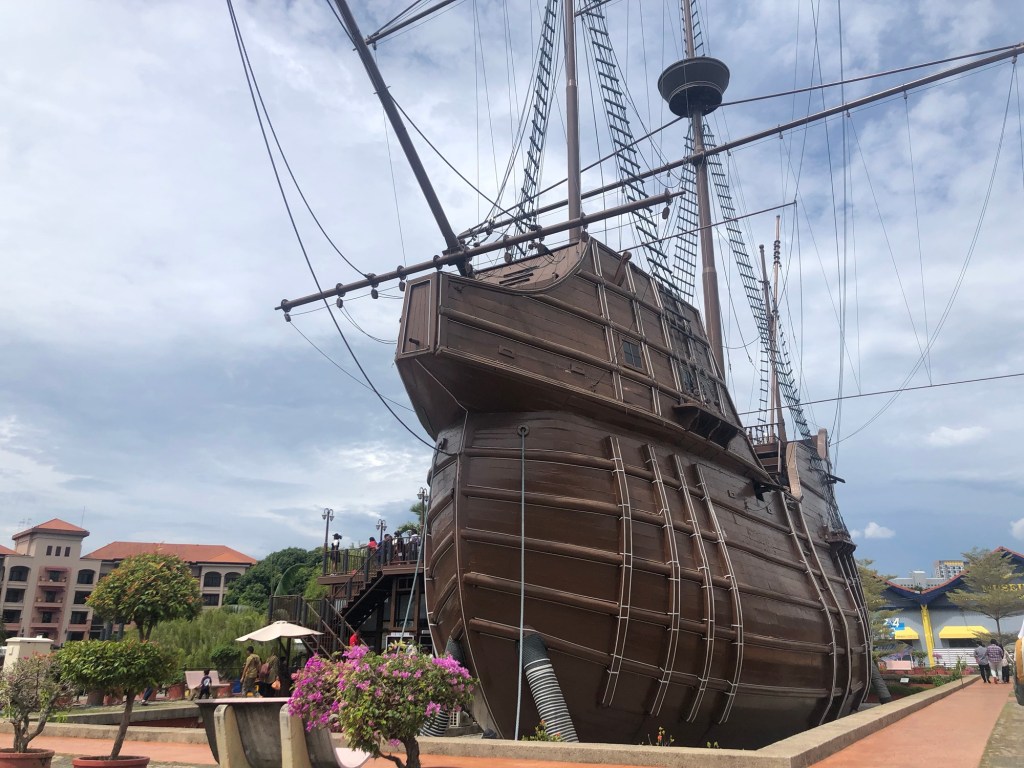
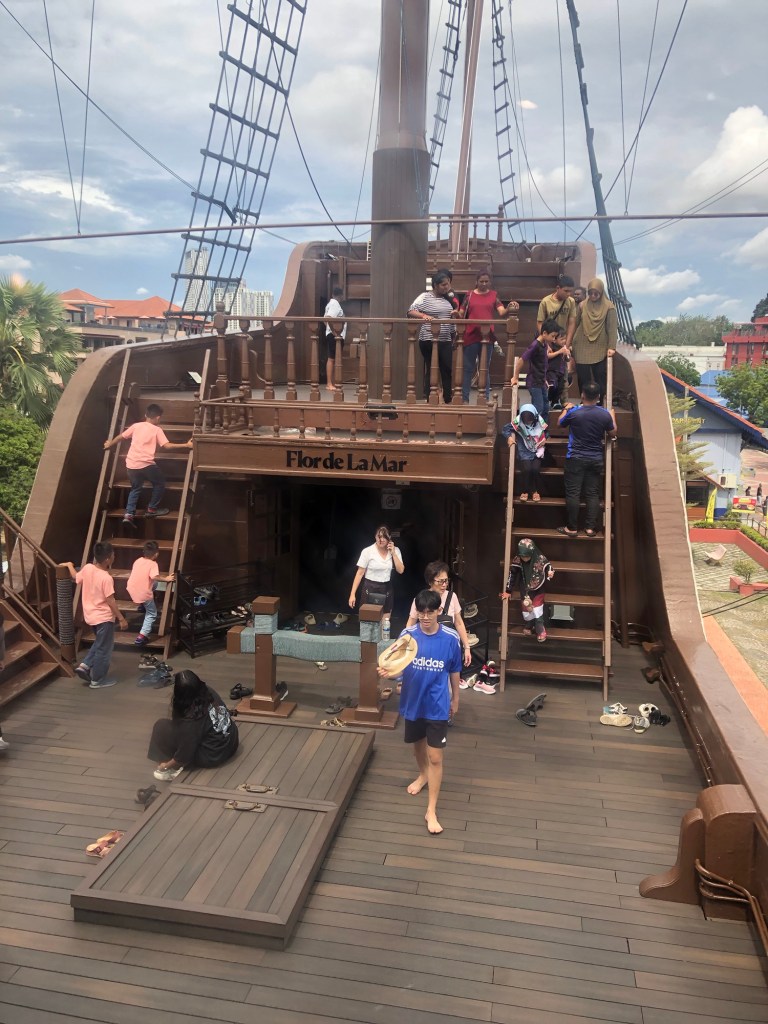
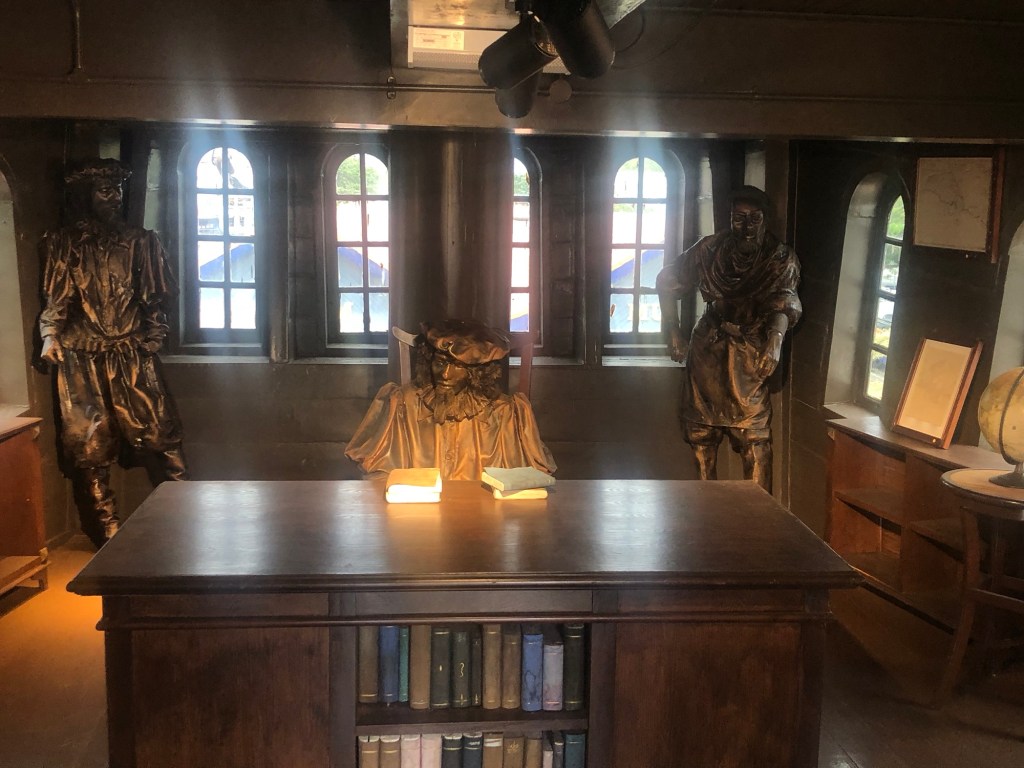
DAILY PHOTO: Flor de La Mar

The Flor de La Mar was a Portuguese ship laden with loot stolen from Malacca when it sunk. This scale replica is a museum (Muzium Sumadera) in Malacca.

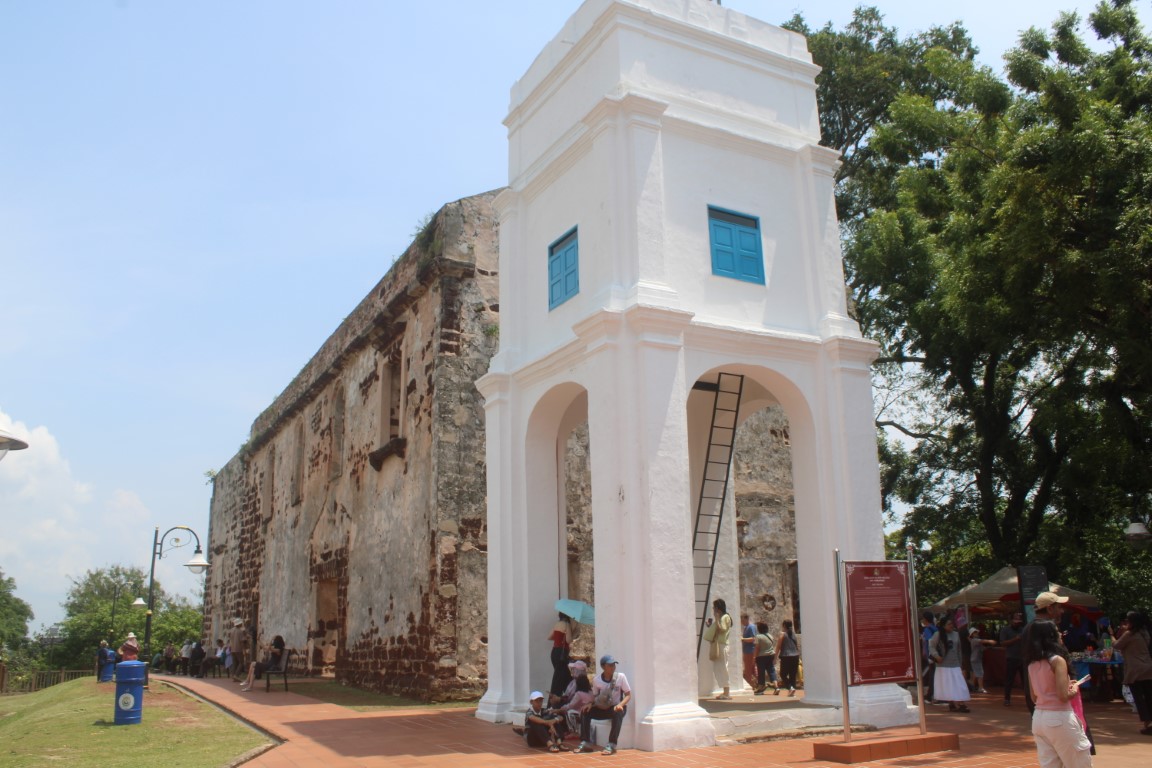
DAILY PHOTO: Church of St. Paul, Malacca

Said to be the oldest European building east of India, these hollowed out ruins represent one of the oldest Christian Churches in Southeast Asia.
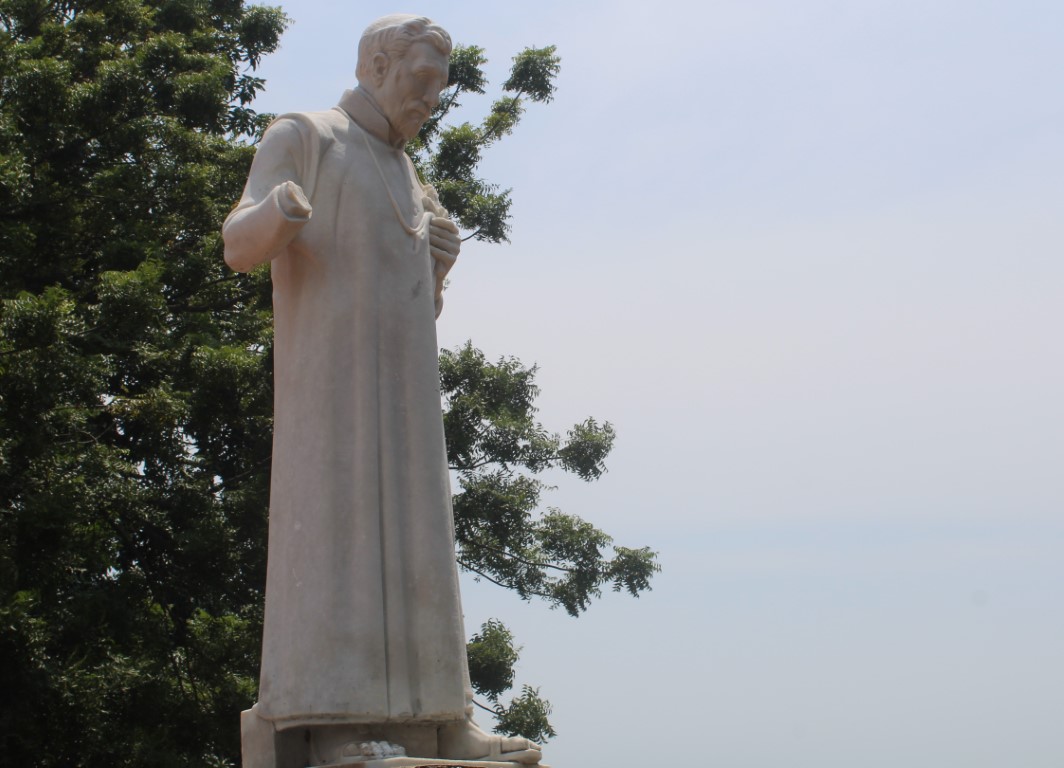
This statue of St. Francis Xavier stands in front of St. Paul’s Church. Francis Xavier did have his right hand amputated posthumously, and many like to tell the story that the statue’s hand was sheared off by lightning in an act of divine reckoning (though more likely the movers dropped the statue and the hand broke off. At any rate, that’s why they never got around to having it fixed.)

BOOKS: “Southeast Asia: A Very Short Introduction” by James R. Rush

Southeast Asia: A Very Short Introduction (Very Short Introductions)Southeast Asia: A Very Short Introduction by James R. Rush
My rating: 4 of 5 stars

Publisher Site

I’ve been to most of the eleven countries of Southeast Asia, but still my questions are many. This short guide answered some of them. The book takes a largely historical approach, breaking the timeline into periods during which these countries were pre-nation-state kingdoms, then colonies, and then independent countries. While the guide is written by a historian and is organized by governance (i.e. who won the wars,) it does not solely address politics and regimes.

The guide also explores subjects such as religion. This was fortunate for me because a lot of my questions involve this topic. Why is the northern part of the region mostly Buddhist while the southern part is mostly Muslim? Why did Hinduism and other Indian religions (not inclusive of Buddhism, which virtually died out within India) almost entirely give way to other religions in this area, except for spotty exceptions (most notably Bali?) Incidentally, the former question is answered more than the latter, which makes sense as this is small book for a relatively large area, but more importantly for a long history. Southeast Asia has been a strategically and economically important place for centuries.

As a traveler, I found this book well worth reading as a way to gain insight into the region. It doesn’t dive deep into cultural questions (except a bit into religion,) and so there is much more to learn from other books. It does explore who governed these countries and how, and the last chapter brings the question up to date — reflecting on the political and economic changes in the last couple decades. If you’re curious to know more about Southeast Asia, in a way that doesn’t get too deep in the minutiae, this book is worth checking out.


View all my reviews

BOOKS: “The Story of Malacca” by Allein G. Moore

Sultans and Spices, Guns and Greed, Race and Religion: The Story of MalaccaSultans and Spices, Guns and Greed, Race and Religion: The Story of Malacca by Allein G. Moore
My rating: 4 of 5 stars

Publisher Website

With an upcoming trip to Malacca (a.k.a. Melaka) planned, I decided it would be good to learn something about the city of Malacca besides that it shares a name with the pirate-infested strait that it sits beside. Fortunately, given the tremendous historical import of this town, there were at least a few English-language resources available. I settled on this history and was pleased with my choice. [It’s definitely the most up-to-date work in English that I found.]

The book covers the history of Malacca from its earliest human occupants through to the COVID pandemic [during which it was published.] (Actually, the last chapter is a wishful forecast of what the author hopes for the near-term future of Malacca (i.e. over the next decade or so.)) The core chapters are chronologically oriented and sorted by the ruler of the day (of which Malacca had an impressive sequence: Indian, Chinese, Portuguese, Dutch, British, Japanese, British (again,) and then Independence and a Malay-led government of its own.) Interspersed with these chronological chapters are a few topical ones, beside the aforementioned chapter about the future, these include chapters on the mythology of the city and one of biographical sketches of prominent historical figures.

I found this book to be educational and full of fascinating tidbits. While I appreciated that it brings the reader up to date, the last couple chapters do sometimes veer from “just-the-facts” description of events into a combination city planning rant / wish-list (Pollyanna, in places) regarding the state of the city and its future. I did like that the book touched upon cultural dimensions, from language to martial arts, in addition to a telling of historical events. The book is well worth reading for travelers and / or history buffs.

View all my reviews
BOOKS: “Moonwalking with Einstein” by Joshua Foer

Moonwalking with Einstein: The Art and Science of Remembering EverythingMoonwalking with Einstein: The Art and Science of Remembering Everything by Joshua Foer
My rating: 5 of 5 stars

Author’s Book Site

This fascinating work of immersion journalism offers insight into the human memory at its best (and worst,) and throughout the book one follows the author’s experience in preparing for and competing in the American and World Memory Championships. A central theme of the book is how humanity’s attitudes toward (and approach to) memory have changed over time. The tactics that allow competitive mnemonists to perform astounding feats of memorization were well-known in the ancient world and Middle Ages but began becoming less practiced from the dawn of the printing press, becoming almost unheard of by the general population in this, the internet age. Questions such as whether education’s shunning of memorization is, indeed, a sound move are explored. (The mnemonists argue that memorization is done poorly by our educational system, but — if it was done correctly — it would offer tremendous value.)

I found this book to be quite compelling. Foer pulls no punches when presenting individuals who are (or appear to be) charlatans — though in a way that is fair and doesn’t deny things are not always straightforward. (Most of the mnemonists he talks to are clear that they do not have particularly good memories but rather are well-practiced in a set of techniques — e.g. the “memory palace” — that allow even mediocre memories to memorize stacks of cards, chains of random numbers, or even poems at lightening speeds.) Hence the author, with no such background, can learn the skills well enough to be competitive in the US national competition after practicing about a year.

The author speaks to semi-celebrities such as Kim Peek (whom Dustin Hoffman’s character in “Rain Man” is very loosely based upon,) and self-help guru Tony Buzan. But he also interviews a man who has no long-term memory (except from his childhood) and speaks to experts in optimal human performance.

I’d highly recommend this book. It is intensely readable. The stories are riveting and sometimes humorous and the throughline of Foer’s preparation and competition just add icing to the cake.

View all my reviews