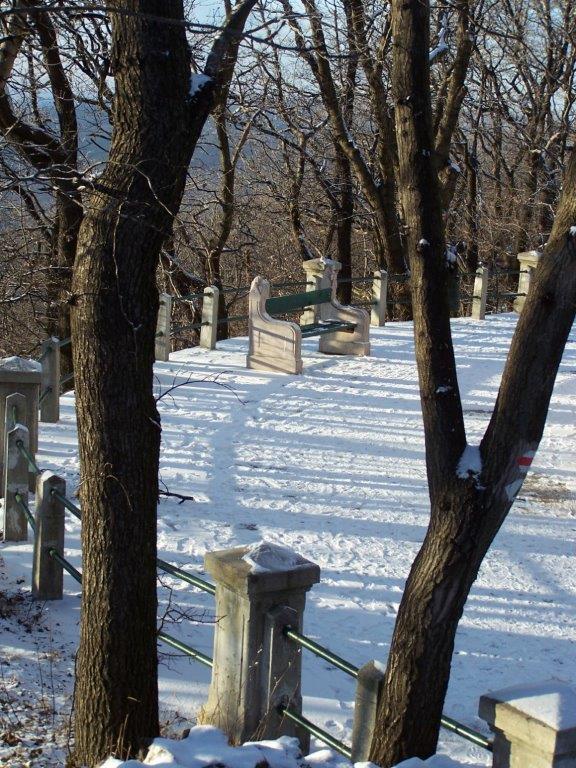
DAILY PHOTO: Evergreen Trees on the Mountain

Taken in the summer of 2019 at the Kolsai Lakes in Kazakhstan

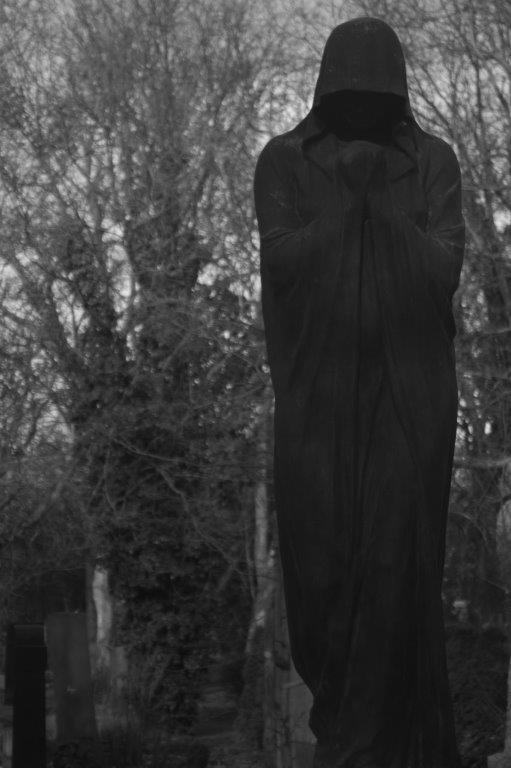
Sacrifice Play [Common Meter]

A prayer was made at the altar --
a prayer no one could hear.
A sacrifice had been promised
of someone all held dear.

But not one soul would take the knife,
and do the wicked deed:
to take that life, an unearned life
and speak the evil creed.

They dragged the victim to the rim
of an old volcano.
Just one kick would be all it took;
still, they all said, "Hell no!"

What kind of beastly deity
could fault them for failing?
The kind whose sense of right and wrong
is fucked beyond ailing.

BOOK REVIEW: Life at the Extremes by Frances Ashcroft

Life at the ExtremesLife at the Extremes by Frances Ashcroft
My rating: 5 of 5 stars

Amazon.in Page

Anyone interested in the limits of human physiology will find this book fascinating. Technically, its subject matter is broader than that, considering the environmental limits of living creatures, generally. However, all but the last chapter focuses on how humans react to (and adapt to) extreme conditions. Chapters one through six explore the challenges and limitations of humans under extreme conditions of elevation (ch. 1,) of pressure [underwater] (ch. 2,) of heat (ch. 3,) of cold (ch. 4,) of intense physical activity [running-centric, but deals with strength and power as well] (ch. 5,) and in space (ch. 6.) Then, each chapter reflects upon examples of species that are extremely well-adapted to said conditions, and why. (e.g. After learning about how and why humans have to acclimate to survive high elevation treks, one learns about the bar-headed goose, a bird that can go from sea level to flying over Everest – all in the same day.)

The final chapter (ch. 7) is a bit different in that it discusses extremophiles, creatures that can survive in a wide range of conditions (e.g. acidity, temperature, lack of moisture, lack of oxygen, etc.) that would be certain death not only for humans but for any animals. Most of the species discussed are either single-celled creatures or tiny multi-cellular life (e.g. Tardigrades.) With respect to humans, there is a discussion of the limits and present understanding of suspended animation.

This book offers an intriguing look at life at the extremes. While written by a Professor of Physiology, it’s highly readable for a general audience. It mixes narrative examples in with the discussion of physiology to make the material approachable and engaging. I’d highly recommend this book.


View all my reviews

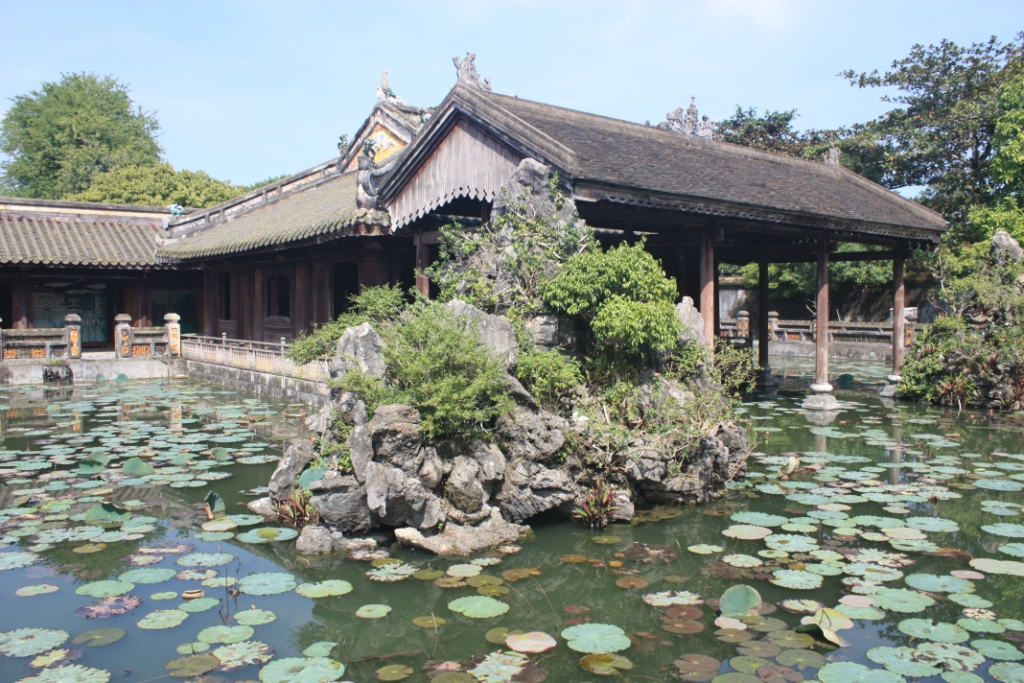
DAILY PHOTO: Tạ Trường Du, Huế

Taken in December of 2015 in Hue’s Imperial Citadel

BOOK REVIEW: After Lambana by Eliza Victoria & Mervin Malonzo

After Lambana: A Graphic Novel: Myth and Magic in ManilaAfter Lambana: A Graphic Novel: Myth and Magic in Manila by Eliza Victoria
My rating: 5 of 5 stars

Amazon.in Page

Out: May 10, 2022

This urban fantasy takes place in a Manila where magic exists and mythological creatures live. The story follows two young men as they travel around the city. The two seem to be new and casual friends. One is an ordinary human (Conrad) though with a terminal illness that seems not of this world, and the other is an expat from the magic realm (Ignacio) who’s going to great efforts to help Conrad. The hook is the question of why this casual acquaintance seems so important to the too-cool-for-school Ignacio. Conrad seems to be along for the ride as a distraction in his last hours, but Ignacio has an objective – benighted as it may be. The story unfolds to reveal what’s really happening and to offer backstory.

I love works that incorporate mythology and folklore, and think it’s a wise move for writers of speculative fiction because there’s such a rich and engaging field of stories and characters / creatures – all ripe for the picking. This is particularly true of a mythology, such as that of the Philippines, that isn’t widely known and, thus, offers a whole slate of creatures and alternate worlds with which most readers aren’t familiar. In this book, Filipino mythology is most prominently seen via the “Sirena,” which bear some resemblance to Greek Sirens – except being in the form of mermaids (though able to walk on legs under certain conditions.) I think more could have been done with Filipino Mythology, though there are a few other magic elements in the book that may or may not have mythological origins.

In found this to be a compelling story, and the art was colorful, while still capturing a little noir feel for late night Manila. If you’re interested in speculative fiction graphic novels, this one is worth investigating.


View all my reviews