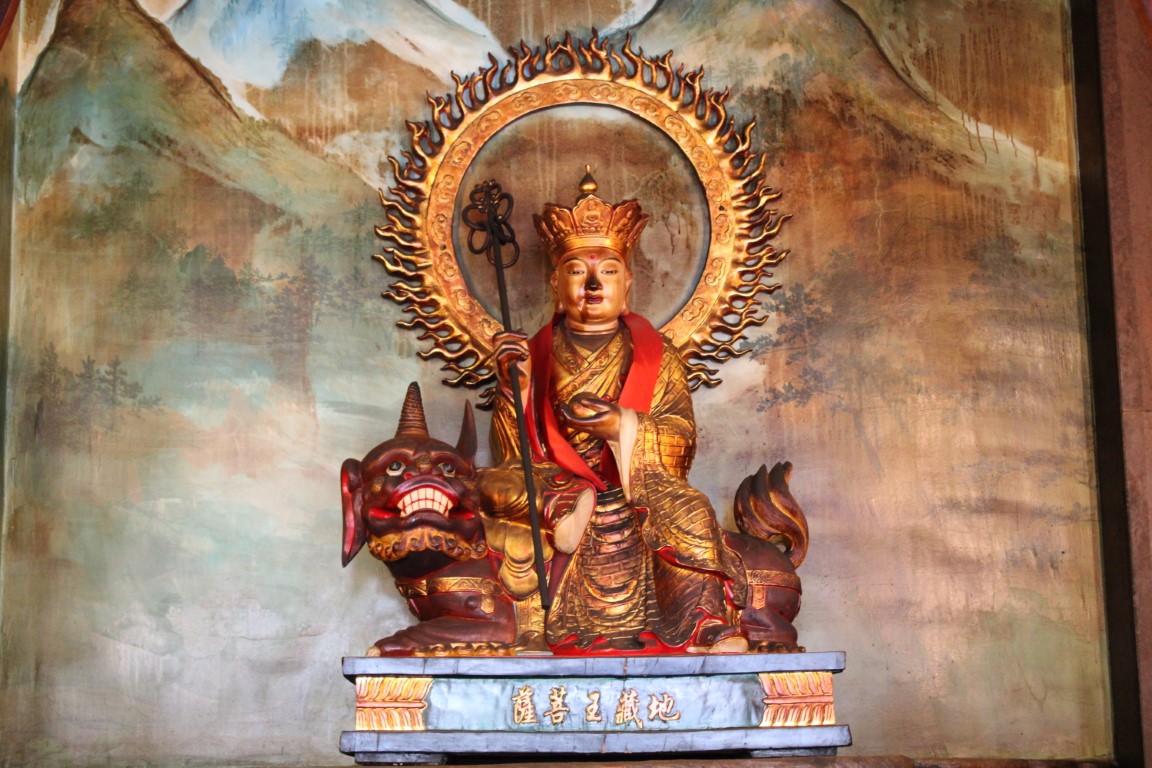
the monk rode in
 on a bright-eyed tiger, and
  started hulling rice.
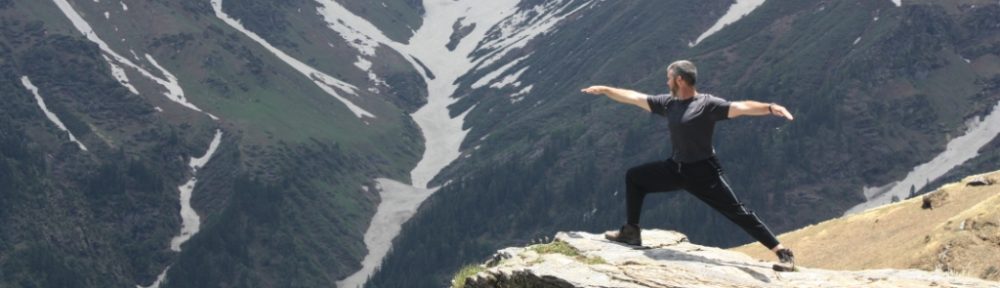
the monk rode in
on a bright-eyed tiger, and
started hulling rice.
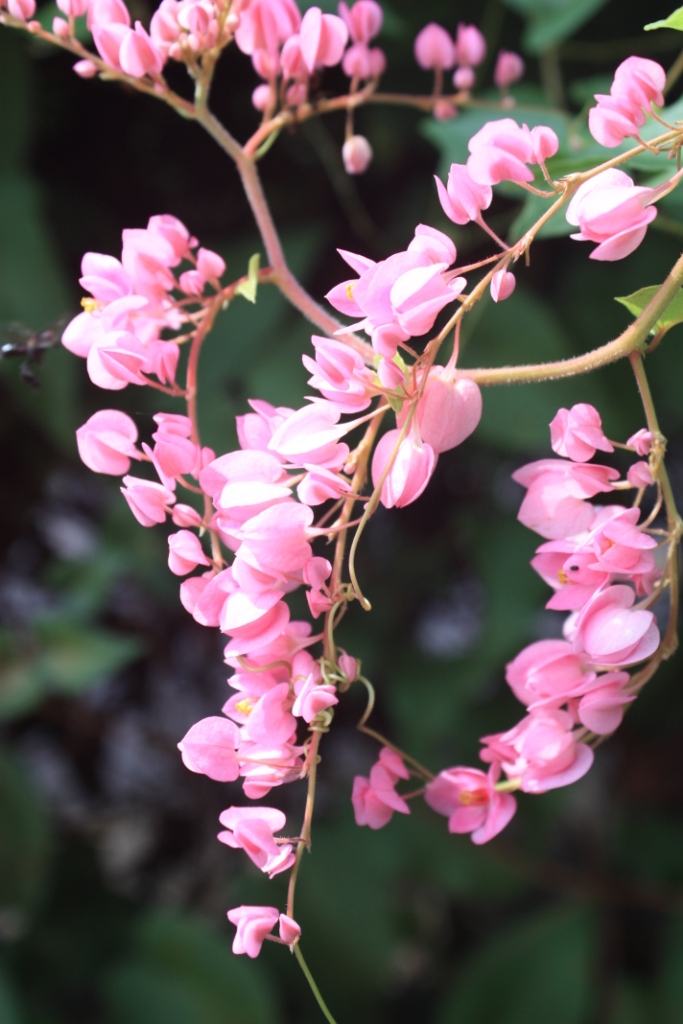
One may live a century --
 Short span though it may be:
  Joys are bitterly brief
  And sorrows are many.
 You may take a wine jug
  On your wisteria rounds:
   See flowers grow to the eves
   As sparse rains wet the grounds.
 And when the wine is gone,
  One strolls with cane and croons.
   We become wizened with age;
   South Mount, fair through countless moons.
NOTE: The late Tang Dynasty poet, Sikong Tu (a.k.a. Ssŭ-k‘ung T‘u,) wrote an ars poetica entitled Twenty-Four Styles of Poetry (二十四诗品.) It presents twenty-four poems that are each in a different tone, reflecting varied concepts from Taoist philosophy and aesthetics. Above is a crude translation of the twenty-third of the twenty-four poems. This poem’s Chinese title is 旷达, which has been translated as: “Illumed” [Giles,] “Big-hearted and Expansive [Barnstone and Ping,] “Expansive,” and “Open-minded.”
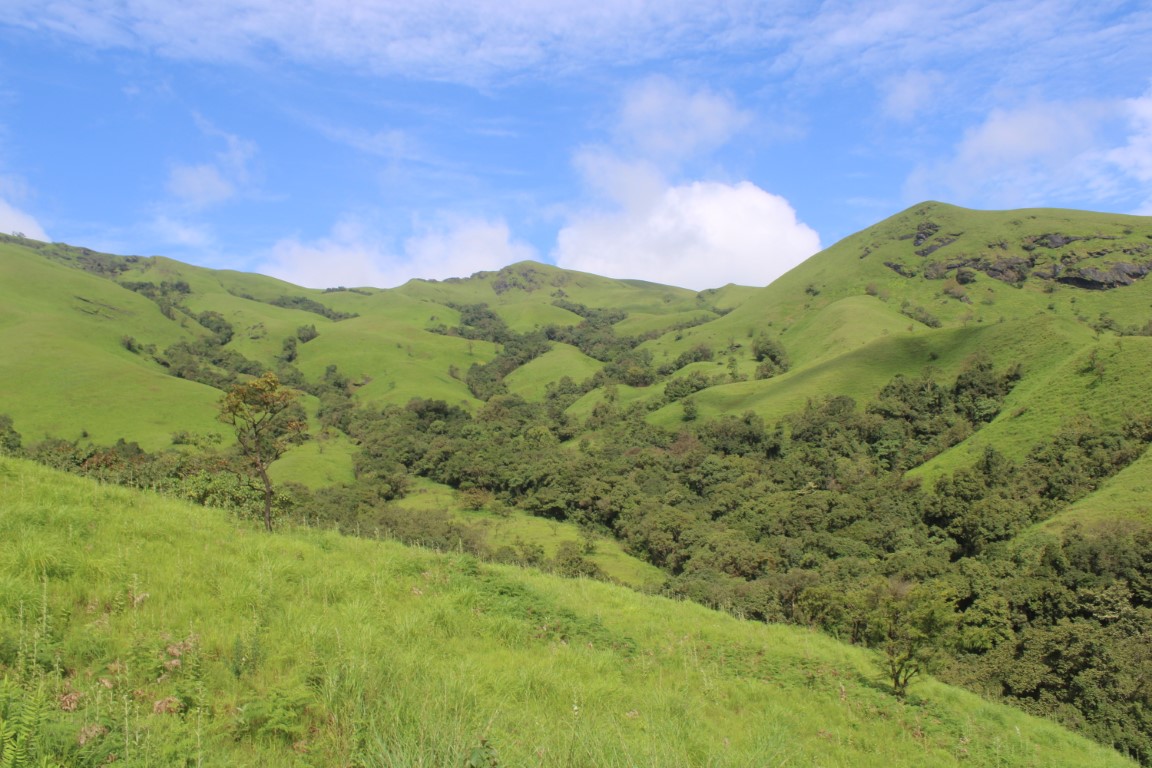
With no god, but with spirit;
   With no mass of tiny things;
   Up on high, with the white clouds --
   Borne aloft on breezy wings.
 From afar all seems in place.
   When you arrive it's not there.
   Just like acting with the Way
   Leaves customs beyond repair.
 Chaotic mountain woodlands,
   Sweet green moss in the sunshine.
   Keep reciting your mantra,
   Till it's lost among the pines.
NOTE: The late Tang Dynasty poet, Sikong Tu (a.k.a. Ssŭ-k‘ung T‘u,) wrote an ars poetica entitled Twenty-Four Styles of Poetry (二十四诗品.) It presents twenty-four poems that are each in a different tone, reflecting varied concepts from Taoist philosophy and aesthetics. Above is a crude translation of the twenty-first of the twenty-four poems. This poem’s Chinese title is 超诣 and it’s been translated as “The Transcendental” and “Super”
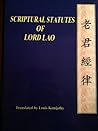 Handbooks for Daoist Practice: Scriptural Statutes of Lord Lao by Louis Komjathy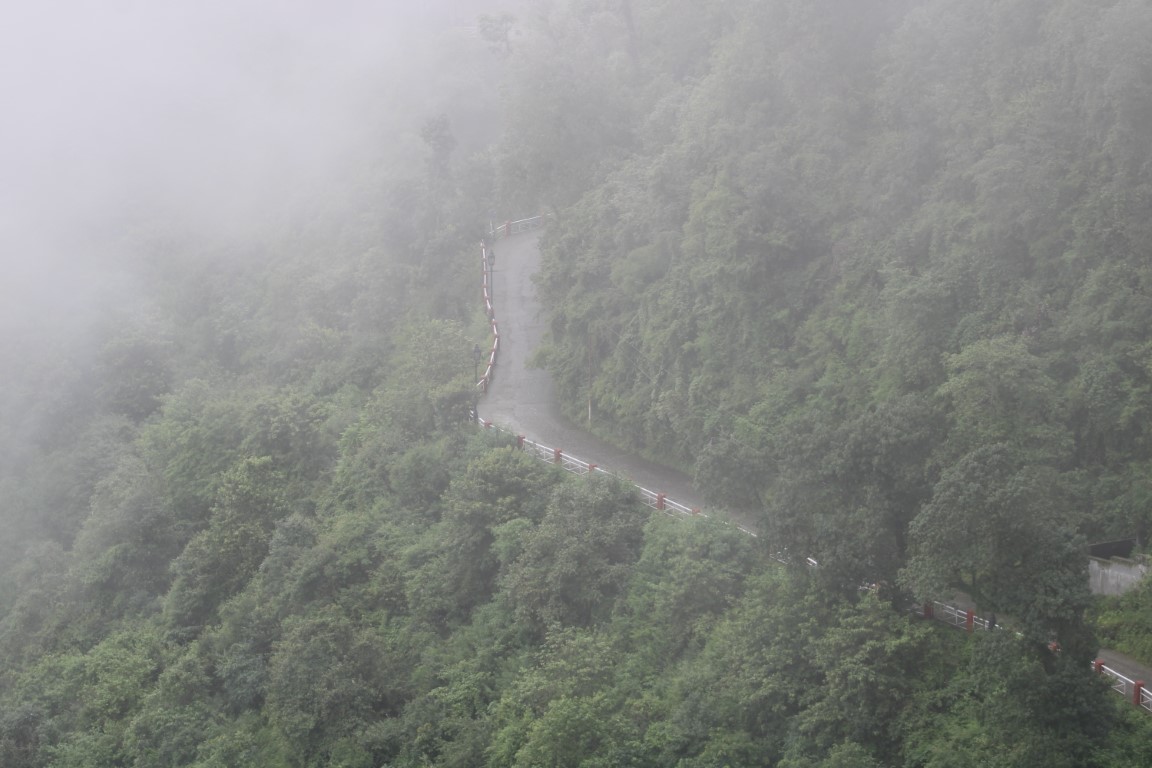
Climbing Taihang Mountain,
  On the green winding way.
  The jade-lined trail in fog,
  Floral scents from the gray.
 Stuck in unflowing time,
  'Til a song sung bright and gay...
  I'm steered back to my past
  With the grace of ghosts at play.
 Skirting roiling waters,
  A Roc soars after prey.
 The Tao is unbounded --
  Round or square as it may.
NOTE: The late Tang Dynasty poet, Sikong Tu (a.k.a. Ssŭ-k‘ung T‘u,) wrote an ars poetica entitled Twenty-Four Styles of Poetry. It presents twenty-four poems that are each in a different tone, reflecting varied concepts from Taoist philosophy and aesthetics. Above is a crude translation of the seventeenth of the twenty-four poems. This poem’s Chinese title is 委曲, and has been translated as: “Grievance” and “In Tortuous Ways.”
Ah, make nature your home;
  Be true and be unchained.
  Enrichment by control
  Can never be sustained.
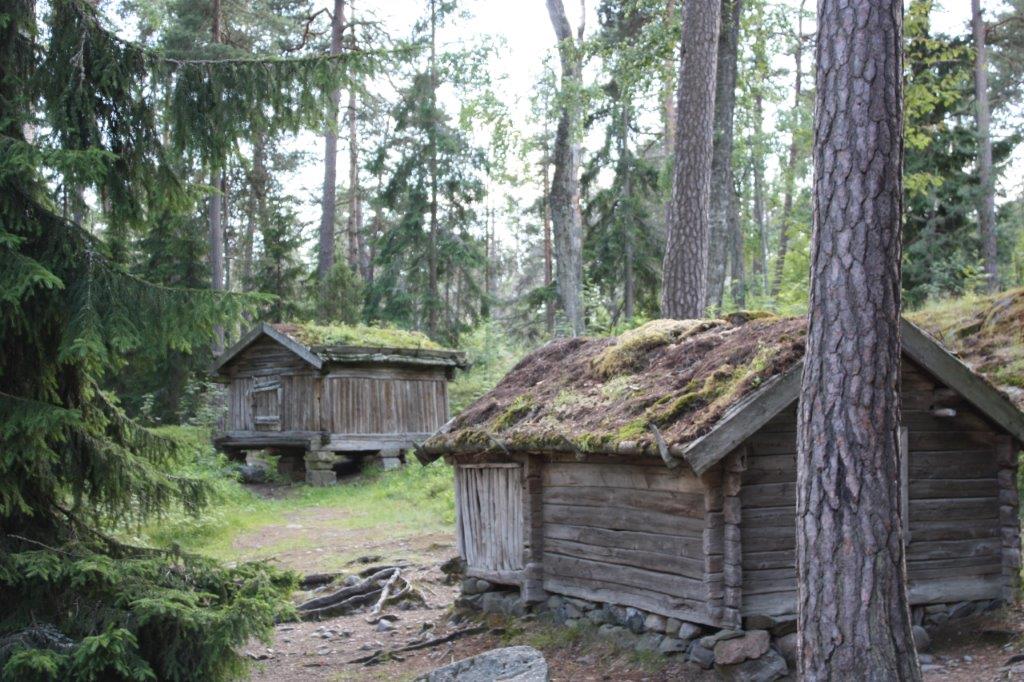
 Build your hut in the pines:
  Toss your hat and read verse.
  Know the dawn from the dusk,
  But not time -- cradle to hearse.
 If your life suits you well
  Why must you strive and strain?
 If you're unbound as sky,
  This style you have attained.
NOTE: The late Tang Dynasty poet, Sikong Tu (a.k.a. Ssŭ-k‘ung T‘u,) wrote an ars poetica entitled Twenty-Four Styles of Poetry. It presents twenty-four poems that are each in a different tone, reflecting varied concepts from Taoist philosophy and aesthetics. Above is a crude translation of the fifteenth of the twenty-four poems. This poem’s Chinese title is 疏野 and it has been translated as “Seclusion” [Giles,] “The Carefree and Wild Style” [Barnstone / Ping,] as well as, “Unrestricted,” “Seclusion,” and “Sparse Wilderness.”
 A New Interpretation of Chinese Taoist Philosophy by You-Sheng Li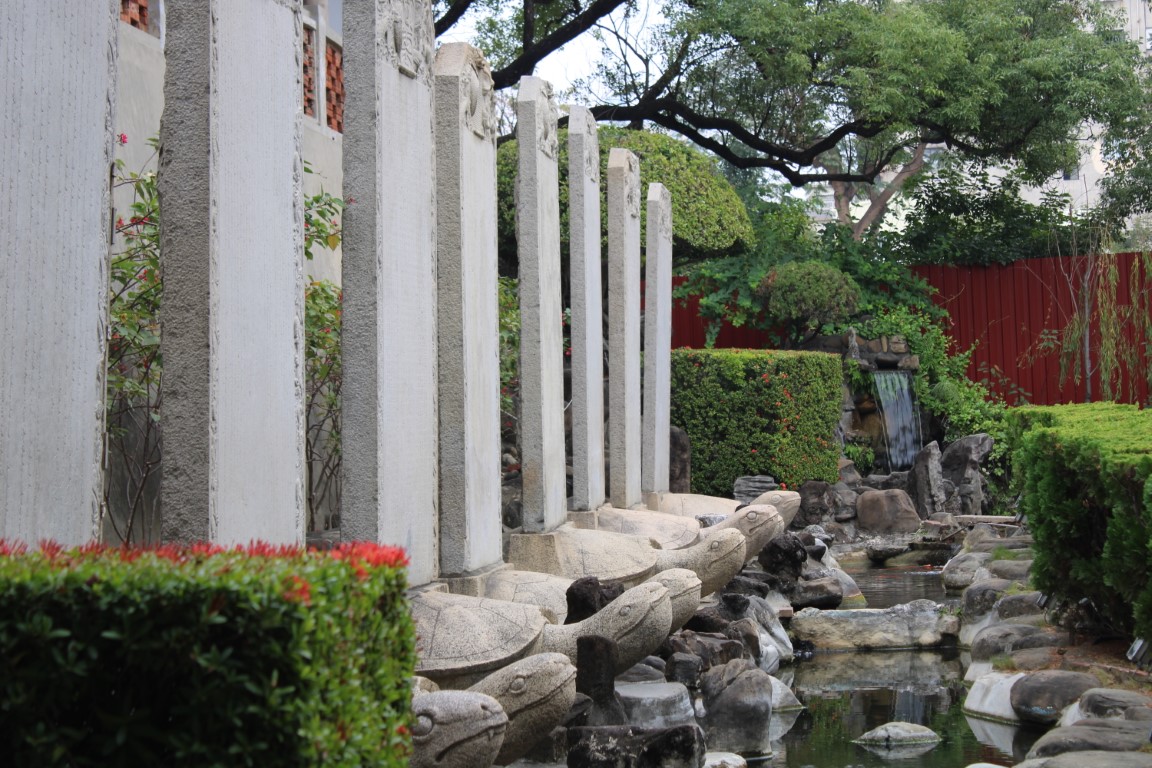
View flowers like a bandit;
  Let nature flow through you,
  Breathing in the Great Way
  As you let your crazy brew.
 Wander like the free winds --
  Sea and mountain in gray-blue.
  Feel true power overflow,
  As all nature lives through you.
 Before: sun, moon, and stars;
  Behind: the one from two.
  By dawn, sea turtles have gone,
  Soak your feet where they withdrew.
NOTE: The late Tang Dynasty poet, Sikong Tu (a.k.a. Ssŭ-k‘ung T‘u,) wrote an ars poetica entitled Twenty-Four Styles of Poetry. It presents twenty-four poems that are each in a different tone, reflecting varied concepts from Taoist philosophy and aesthetics. Above is a crude translation of the eleventh of the twenty-four poems. This poem’s Chinese title is 豪放, which has been translated to “Free,” “Set Free,” and “Broad-minded” in various English language translations.
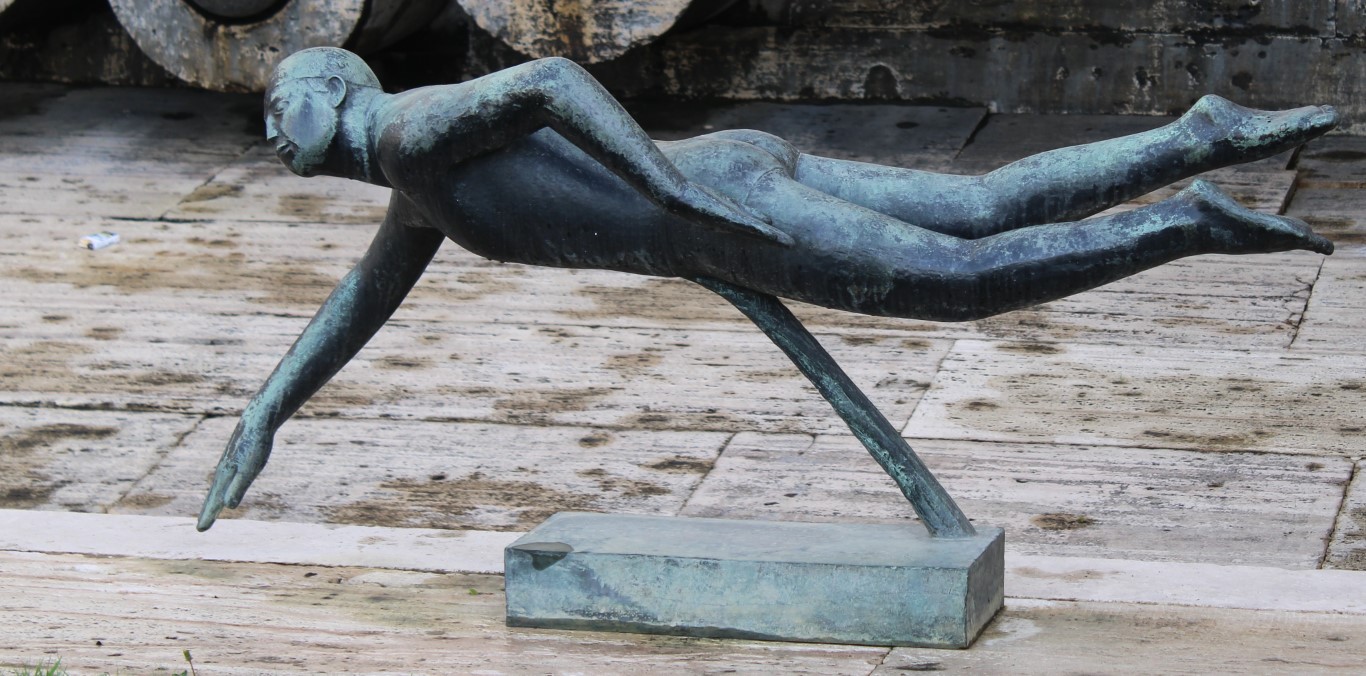
Moving at a glide --
   No strain, no effort,
 Rolling side to side,
   No lord or escort.

Things are going SWIMMINGLY.




 Tiger Riding for Beginners