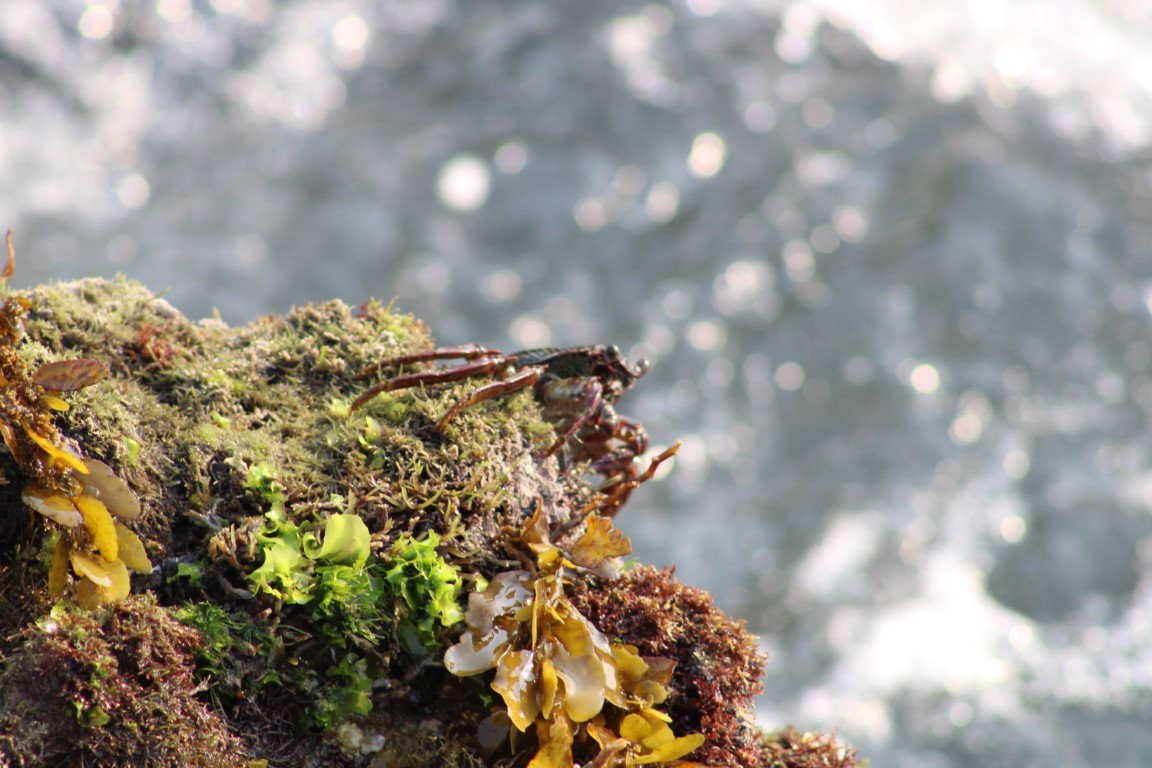
a crab scrambles.
 below: rocks and
  roiling water

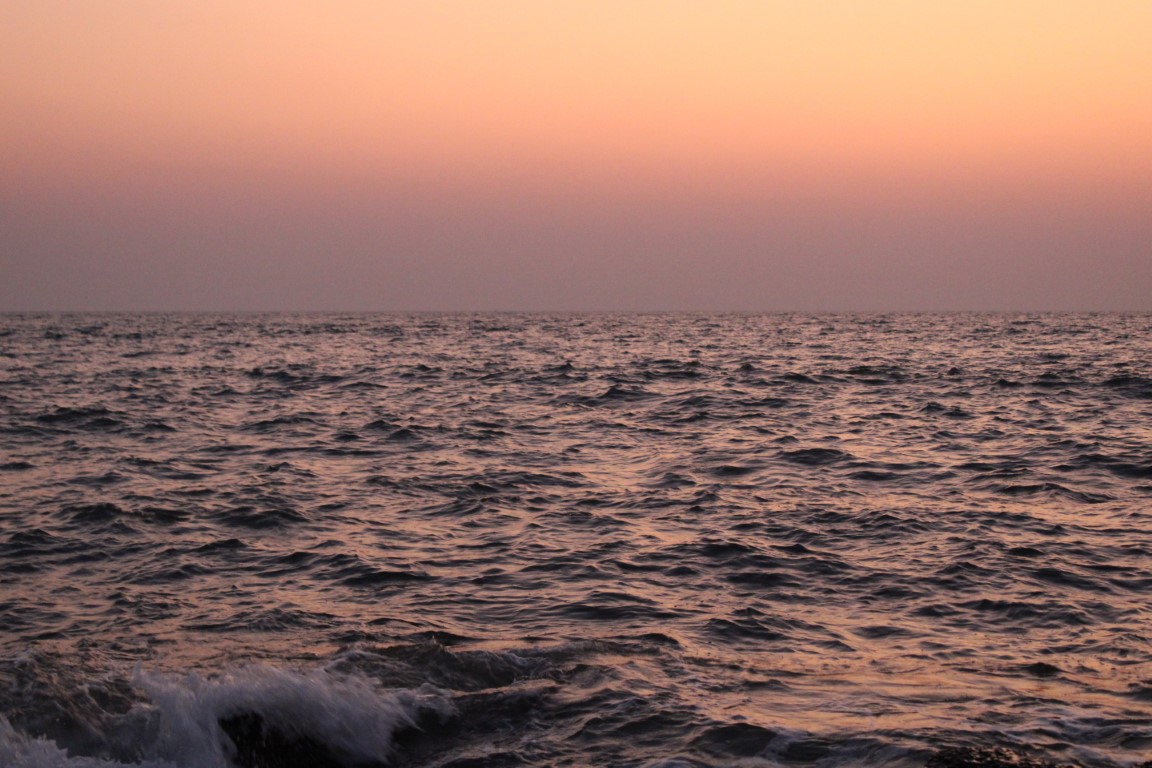
Breaching the surface,
 one's neck craning, stretching,
  one's lips in a wide "O,"
 one gasps,
   sucking air with a monster moan,
   or maybe it's dying-man death-rattle.

The gasped breath
 is insufficient,
  and the body shoves
  it back out,
    craving more &
    impulsively air packing.

As one bobs in the water,
 one times another gasp
  to the rebounding breach.

This one is more satisfying,
  more calming:
   the perfect breath --
    for all intents & purposes.

There may be a time
 when each breath is as precious
  as this one.

There was a rich businessman from Japan
 who'd always wanted to be his country's Batman.
  But his civil city
   was not Gotham-gritty,
 and the cape made him look like a madman.
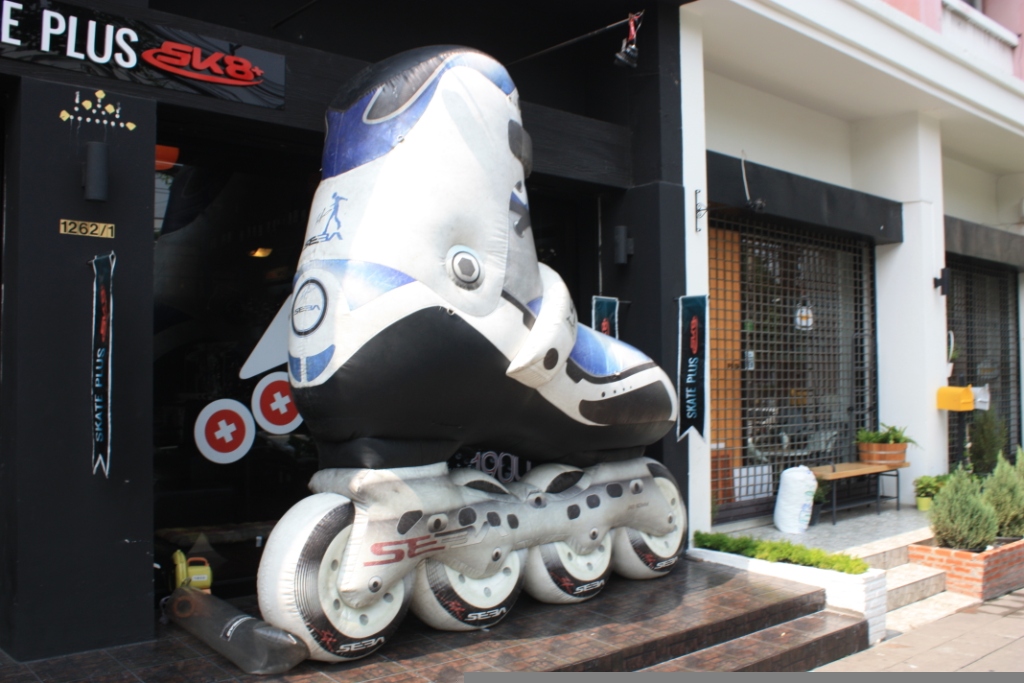
We were classed: Consumer.
 And that became our task.
  The stores grew like tumors,
    and in stuff piles we basked.
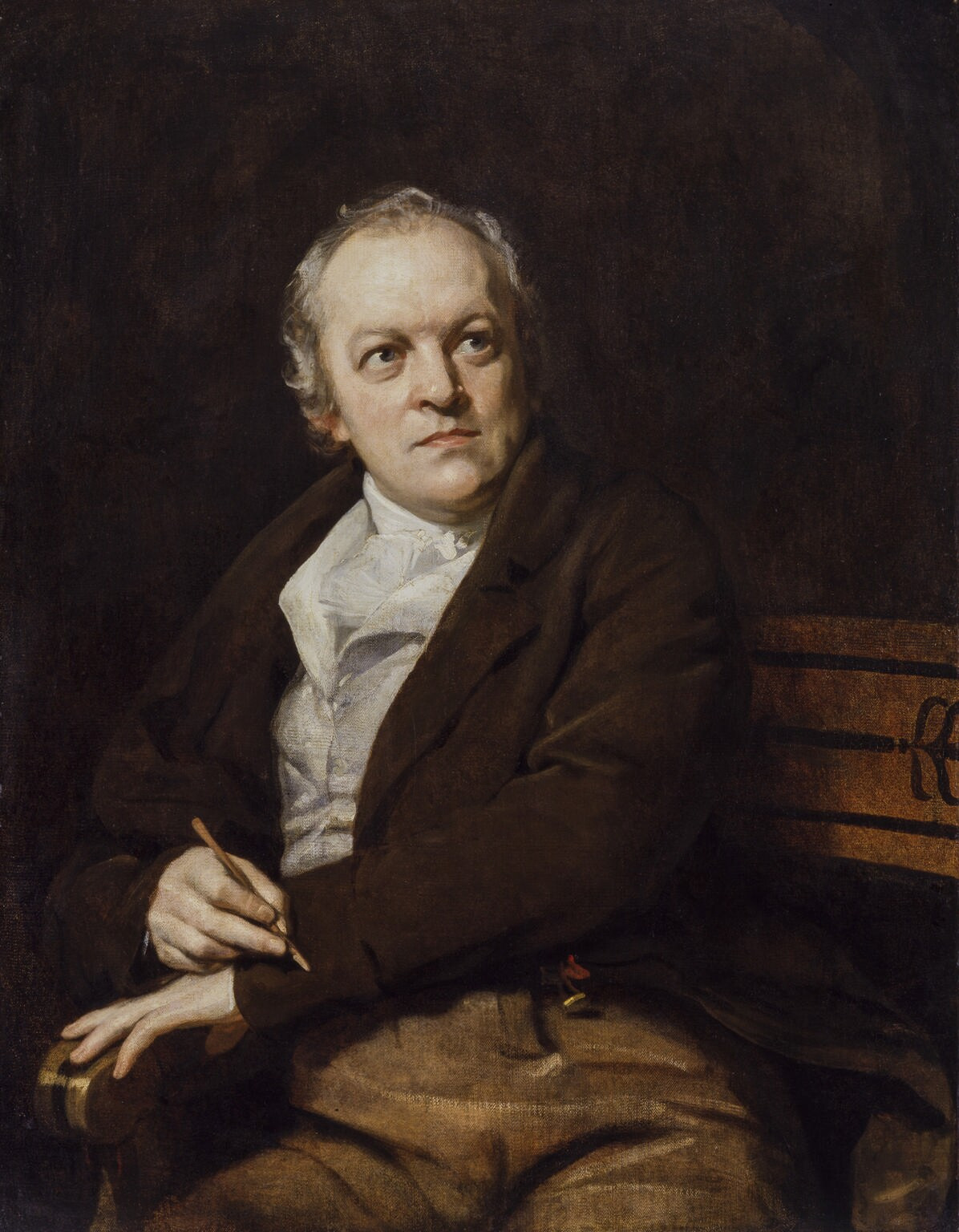
No bird soars too high, if he soars with his own wings.
william blake
The road of excess leads to the palace of wisdom.
William blake
Prisons are built with stones of Law, Brothels with bricks of Religion.
William Blake
The fox condemns the trap, not himself.
William Blake
Exuberance is Beauty.
William blake
Without Contraries is no Progression. Attraction and Repulsion, Reason and Energy, Love and Hate, are necessary to Human existence.
William Blake
If the doors of perception were cleansed, everything would appear to man as it is, infinite.
William blake
The man who never alters his opinion is like standing water, and breeds reptiles of the mind.
William Blake
I also asked Isaiah what made him go naked and barefoot three years. He answer’d: ‘The same that made our friend Diogenes, the Grecian.’
William Blake
The most sublime act is to set another before you.
William blake
NOTE: William Blake’s “The Marriage of Heaven in Hell” is available in many collections of his poetry, and is in the public domain and available via Project Gutenberg at: https://www.gutenberg.org/ebooks/45315
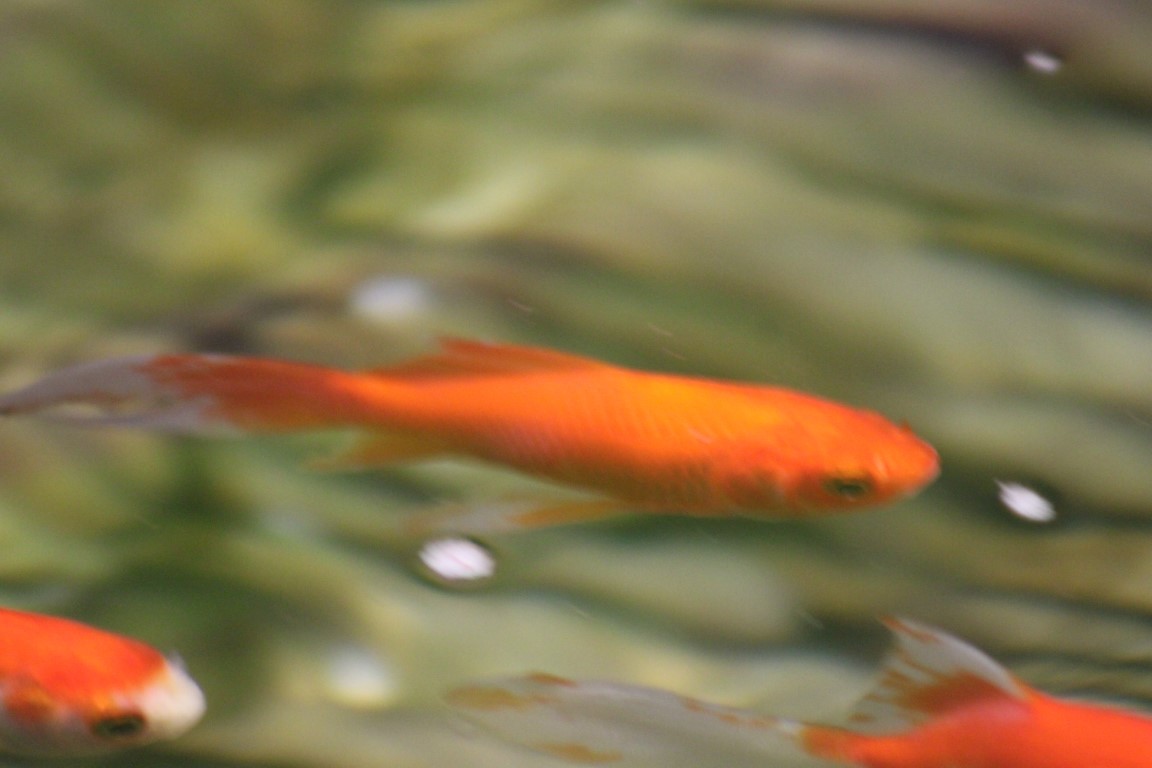
in the airport,
 i stop mid-stride, a fish
  has my attention.
There was a royal baker in Germany
 whose bread the king despised fervently.
The king issued a decree:
 Death, or bread passing light times three!
The baker twisted dough so three holes showed,
                  and bestowed it earnestly.
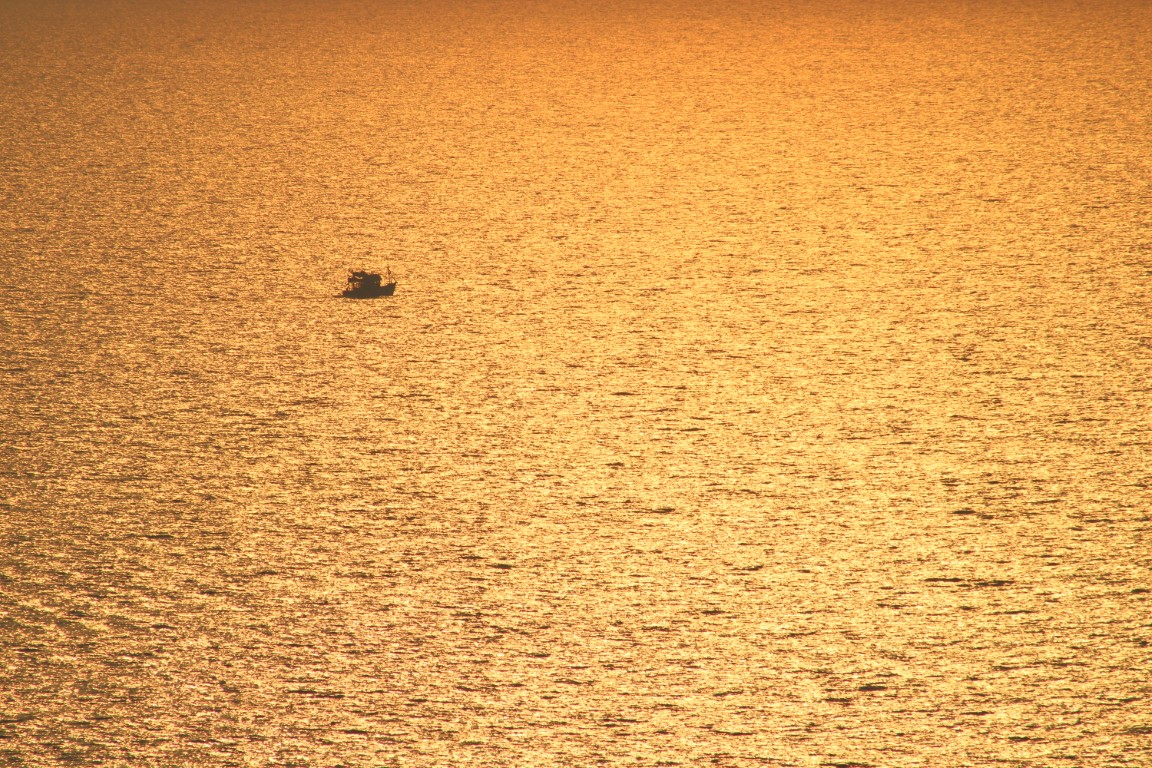
You see that one ship out on the horizon,
 and feel that unique tang of loneliness.
  There's far, far too much blank sea to thrive in,
   and all the makings for keen ghostliness.

That boat will soon be passing beyond sight,
 and maybe it will falter, maybe sink.
  The sea has created a million plights,
   and hazards there will honor no strict brinks.

In Shakespeare, ships are lost, often as not.
 See: "Tempest," "Merchant," "Pericles,” and so on.
  Perhaps, you'll say that today isn't so fraught
   with maritime menace and sea demons.

Why more vexed than those who keep ships running?
 'Cause sailors will never, ever, see it coming.
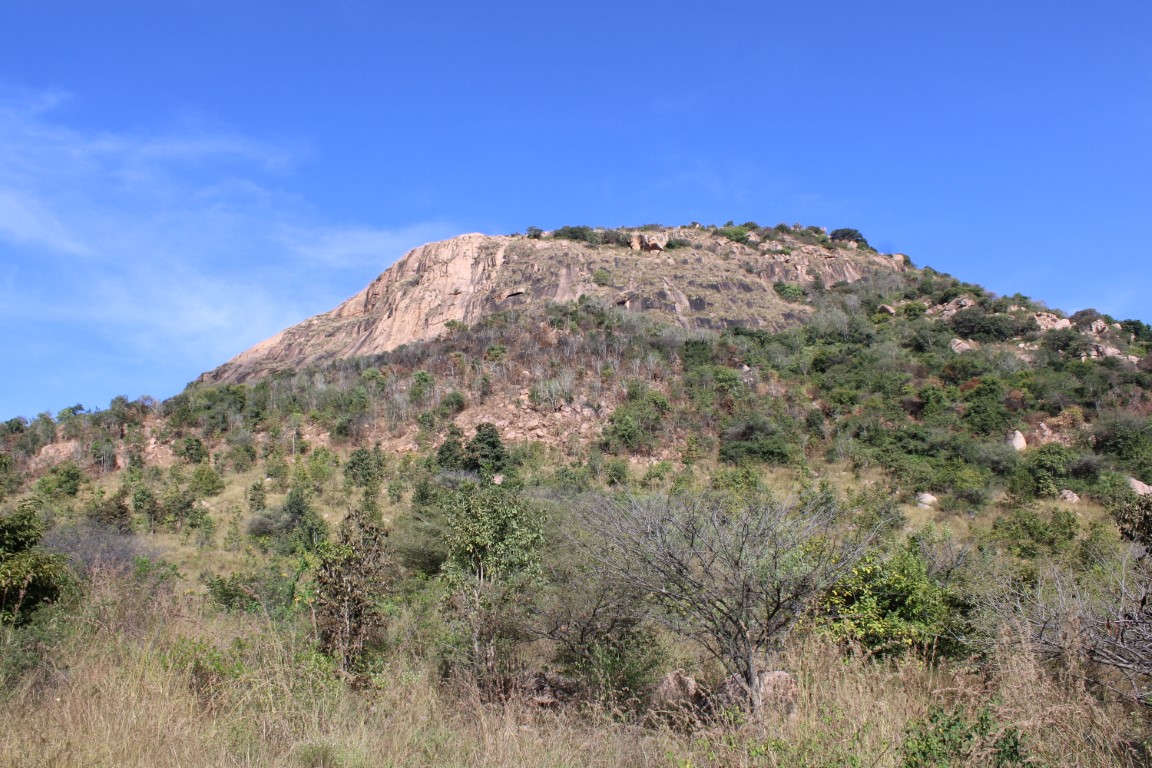
i look skyward,
 and others stop to look.
  those who wonder
 why I'm looking up,
   might wonder why they weren't.