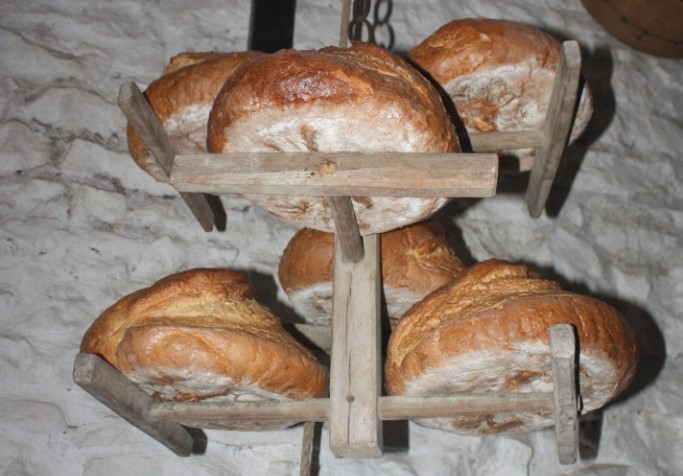
sourdough starter --
for those thinking of
having a child,
but who can't be trusted
with a dog or a cat

sourdough starter -- for those thinking of having a child, but who can't be trusted with a dog or a cat
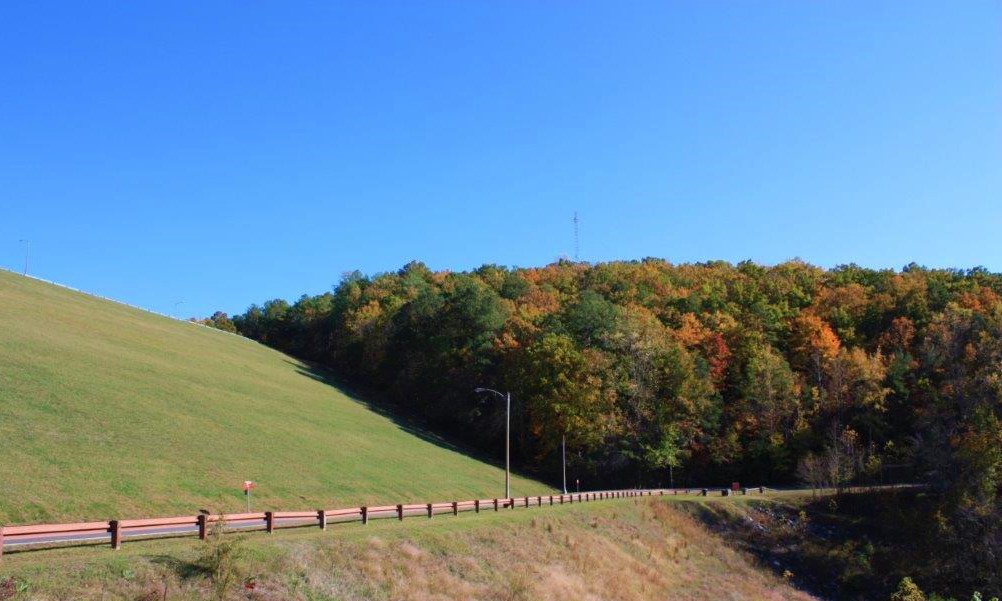
cloudless skies;
autumn crawls overland,
 swallowing green
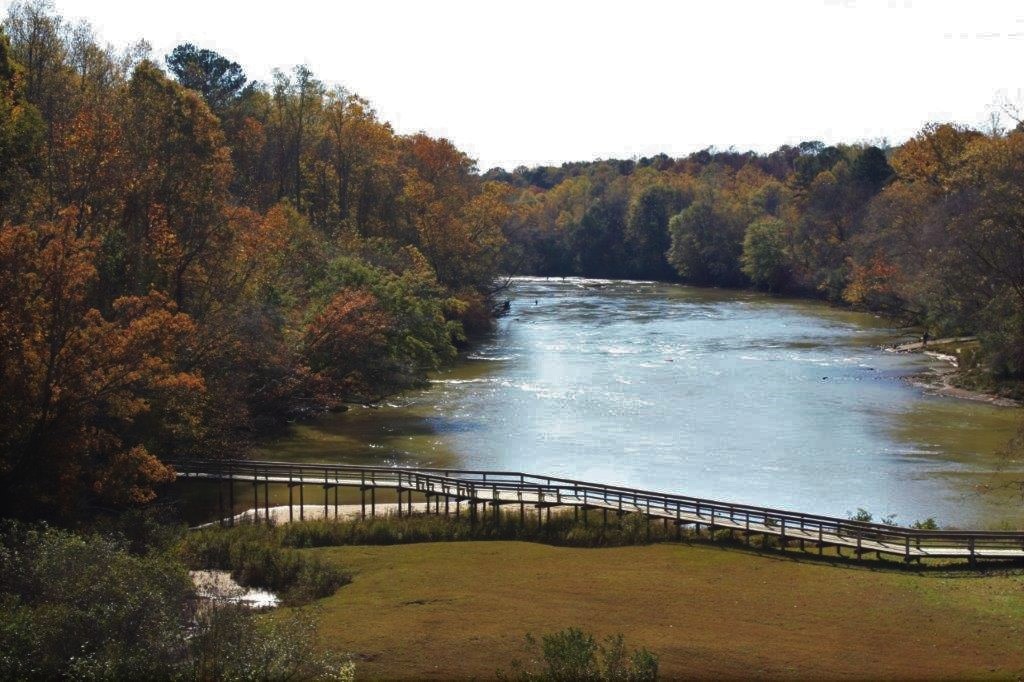
the river dawdles;
 the colorful leaves stick
  firm & still
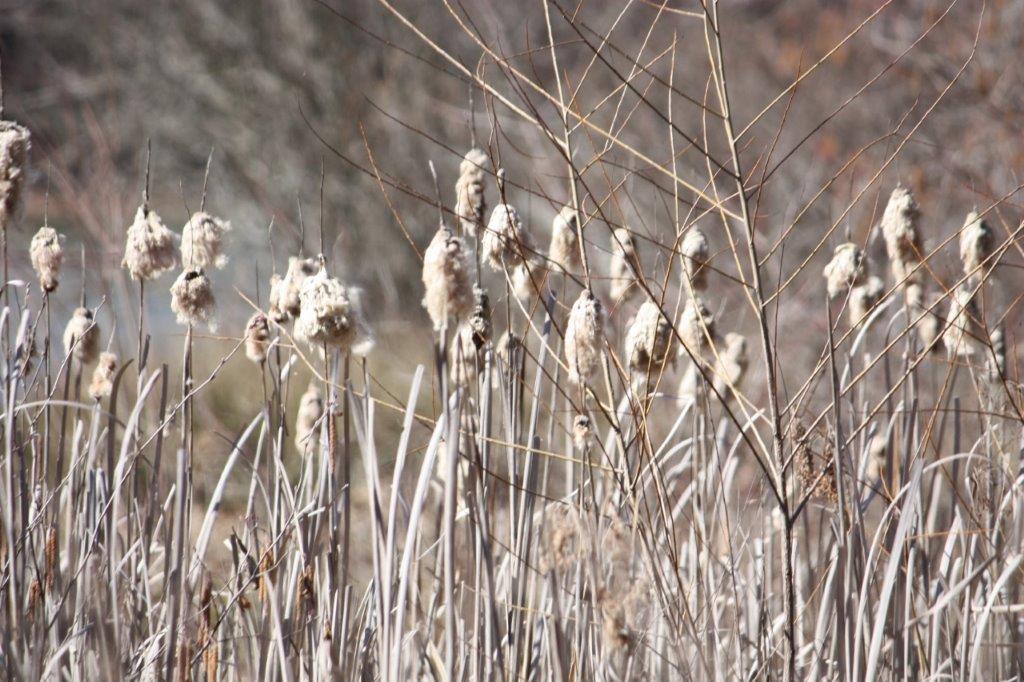
autumn bulrushes,
top-heavy on stiff stalks,
sway dizzily
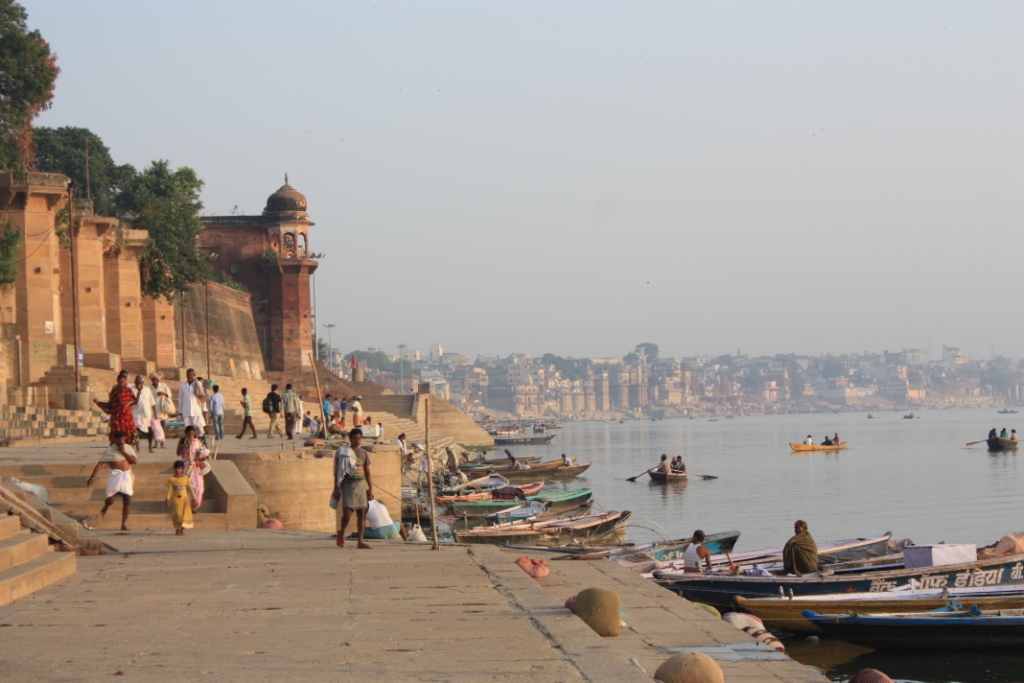
Varanasi smashes up against the Ganga. Note the tightly packed warren of lanes near the ghats, as if the city is compressed there. It's only farther from the river that the city unfolds, gaining breathing room, becoming wide enough for streets and signs that aren't blurred by being too close to one's face. The ubiquitous smoky scent also hints at a collision. Yet more evidence is seen in the barren east bank, a sandbar occupied by lounging cows and cricketers. As if the city refuses to crawl over the river as most cities do. The east bank desolation allows the formation of the "Golden Bridge," a band of orange that spans the glassy waters each morning, the only bridge in sight.


ramparts loom;
boats glide over
glassy waters

deep in the woods,
a weather-beaten cabin
slants slightly
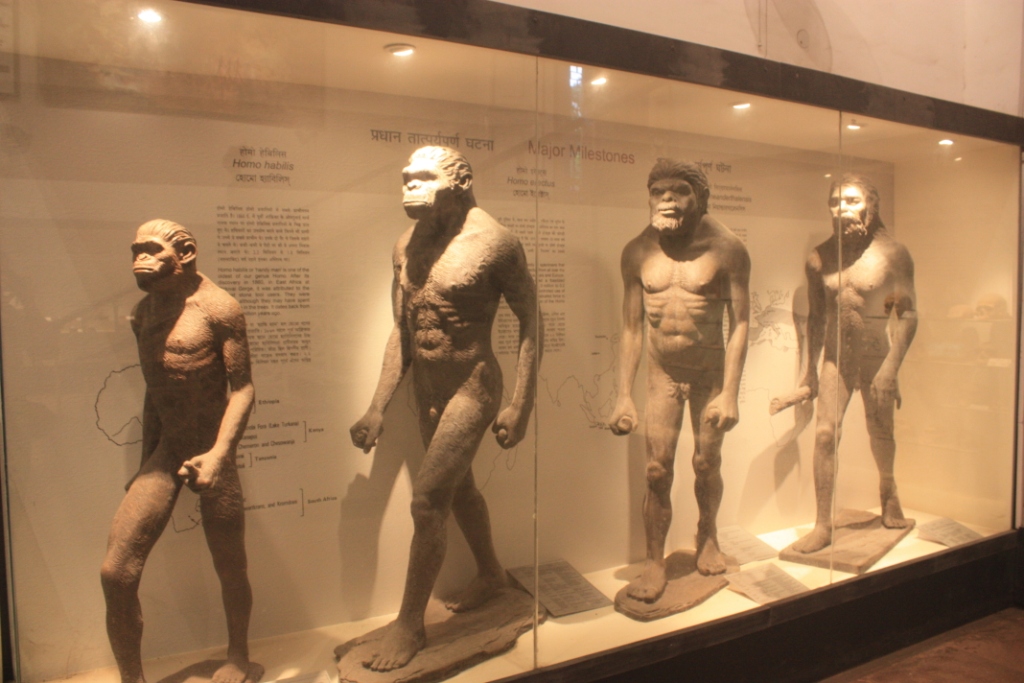
We laud our rational side

- The Thinking Man -

But we're emotional beasts
to the core.

To use that old
[and disparately applied]
chestnut:

Of emotions,
better master
than servant.

Poetry is a conduit
to emotional savvy.

That's part of the reason
Plato urged poetic restraint;

he found the emotional
inferior to the rational,
and thought most youngsters
couldn't behave responsibly
in the face of poetry's
emotional power.

It's also where Aristotle
found virtue in poetry,
its ability to induce
catharsis.

Could they both
be right?