“Nurse’s Song” by William Blake [w/ Audio]

When the voices of the children are heard on the green
And whisp'rings are in the dale,
The days of my youth rise fresh in my mind,
My face turns green and pale.

Then come home, my children, the sun is gone down,
And the dews of night arise;
Your spring & your day are wasted in play,
And your winter and night in disguise.

“Break, Break, Break” by Alfred Tennyson [w/ Audio]

Break, break, break,
On thy cold gray stones, O Sea!
And I would that my tongue could utter
The thoughts that arise in me.

O, well for the fisherman's boy,
That he shouts with his sister at play!
O, well for the sailor lad,
That he sings in his boat on the bay!

And the stately ships go on
To their haven under the hill;
But O for the touch of a vanish'd hand,
And the sound of a voice that is still!

Break, break, break
At the foot of thy crags, O Sea!
But the tender grace of a day that is dead
Will never come back to me.

“Sorrow” by Edna St. Vincent Millay [w/ Audio]

Sorrow like a ceaseless rain
Beats upon my heart.
People twist and scream in pain, --
Dawn will find them still again;
This has neither wax nor wane,
Neither stop nor start.

People dress and go to town;
I sit in my chair.
All my thoughts are slow and brown:
Standing up or sitting down
Little matters, or what gown
Or what shoes I wear.

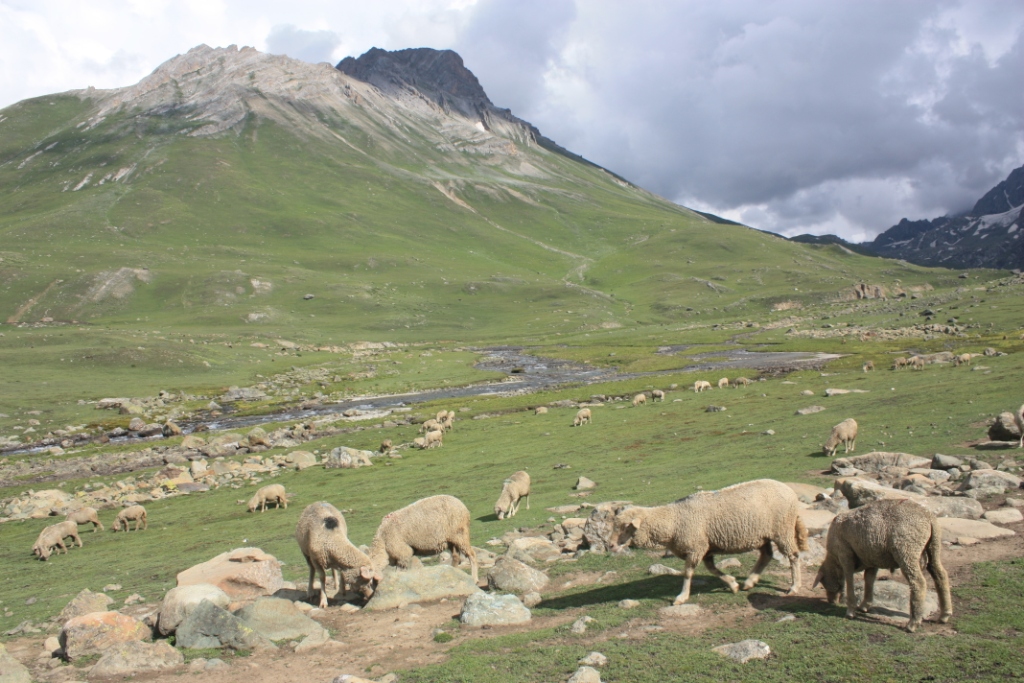
“The Shepherd” by William Blake [w/ Audio]

How sweet is the Shepherd's sweet lot!
From the morn to the evening he strays;
He shall follow his sheep all the day,
And his tongue shall be filled with praise.

For he hears the lamb's innocent call,
And he hears the ewe's tender reply;
He is watchful while they are in peace,
For they know when their Shepherd is nigh.

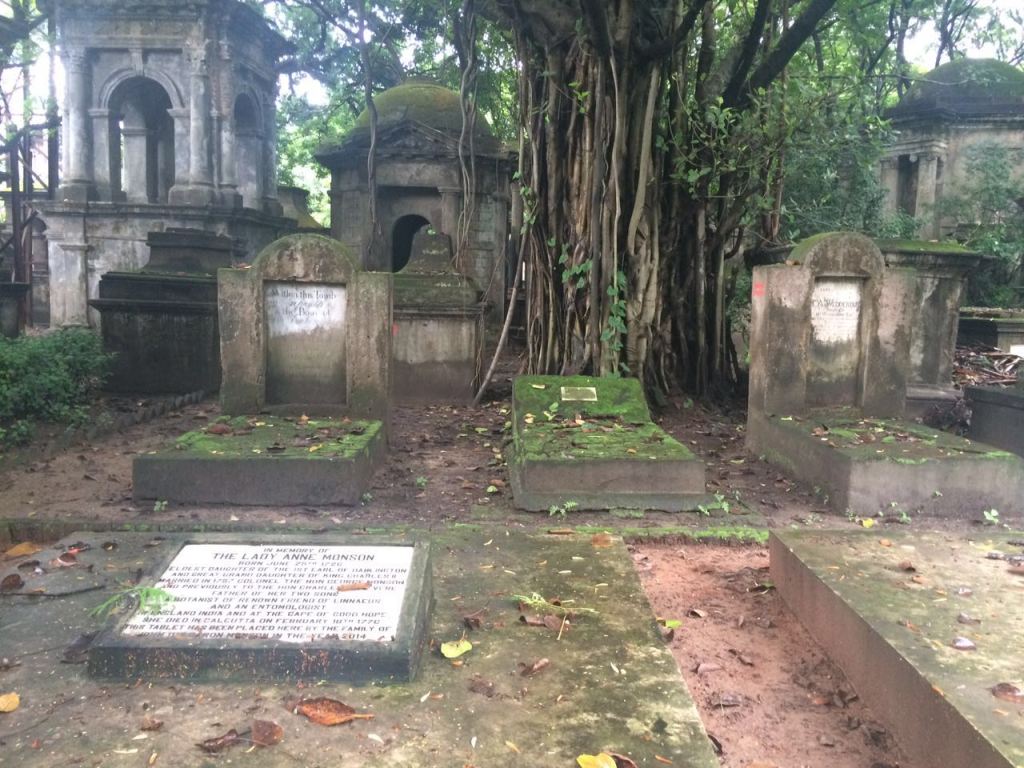
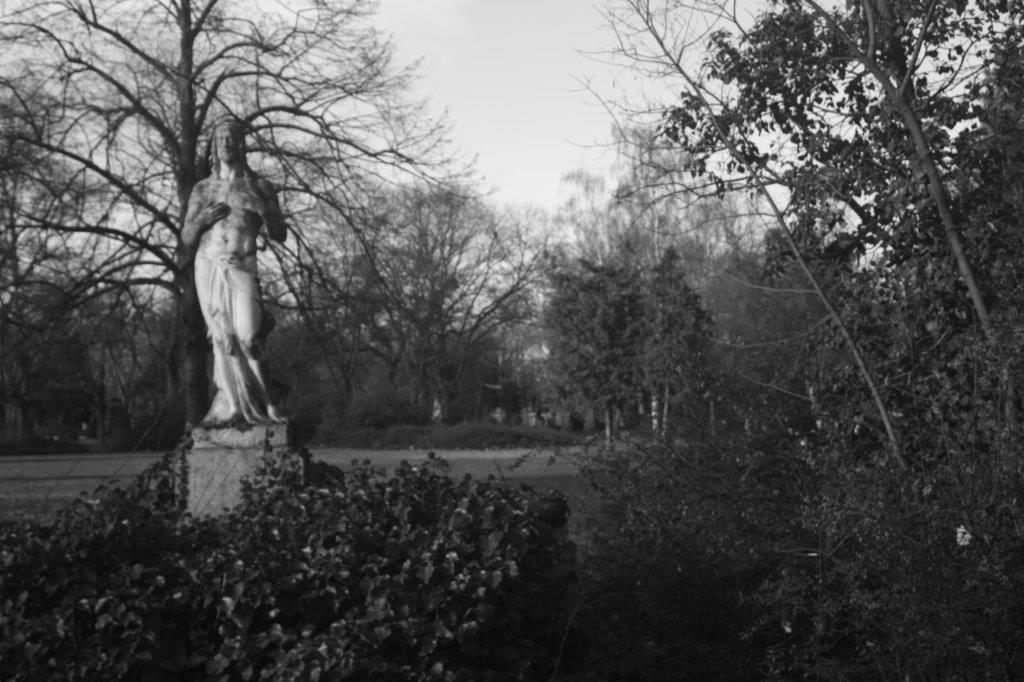
“In a Disused Graveyard” by Robert Frost [w/ Audio]

The living come with grassy tread
To read the gravestones on the hill;
The graveyard draws the living still,
But never any more the dead.

The verses in it say and say:
'The ones who living come today
To read the stones and go away
Tomorrow dead will come to stay.'

So sure of death the marbles rhyme,
Yet can't help marking all the time
How no one dead will seem to come.
What is it men are shrinking from?

It would be easy to be clever
And tell the stones: Men hate to die
And have stopped dying now forever.
I think they would believe the lie.

“A not admitting of the wound” (1188) by Emily Dickinson [w/ Audio]

A not admitting of the wound
Until it grew so wide
That all my Life had entered it
And there were troughs beside -

A closing of the simple lid
that opened to the sun
Until the tender Carpenter
Perpetual nail it down -

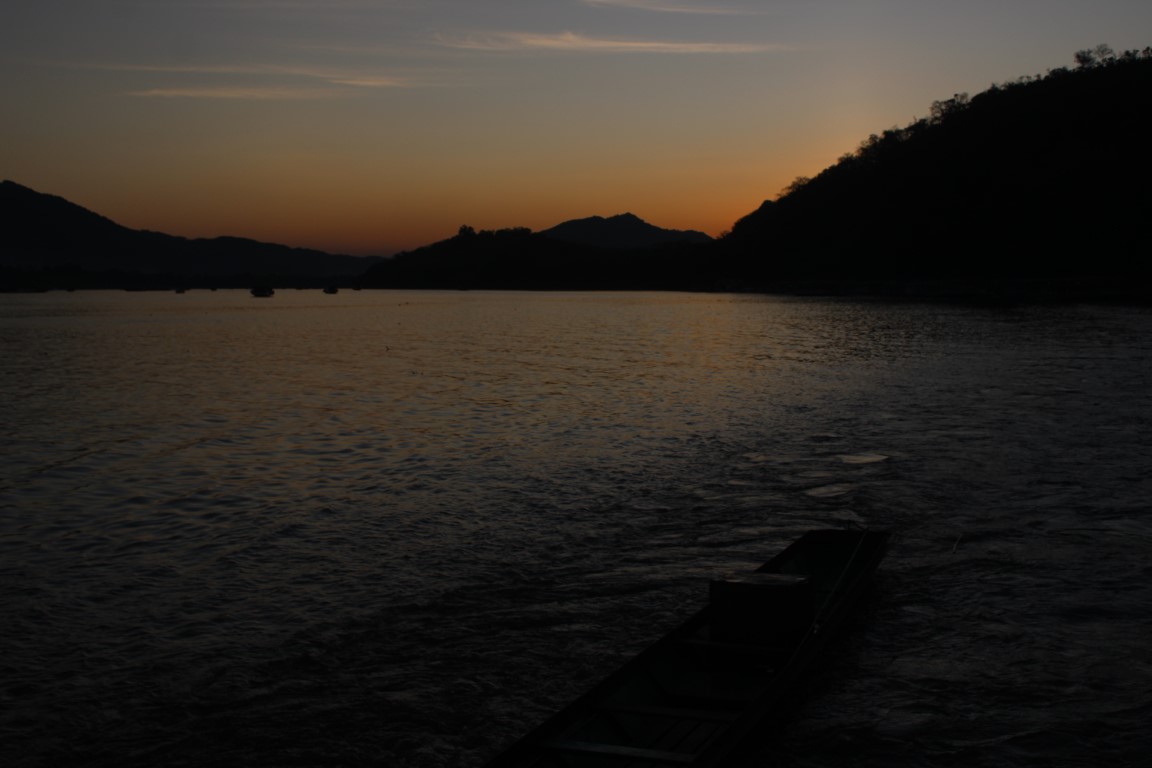
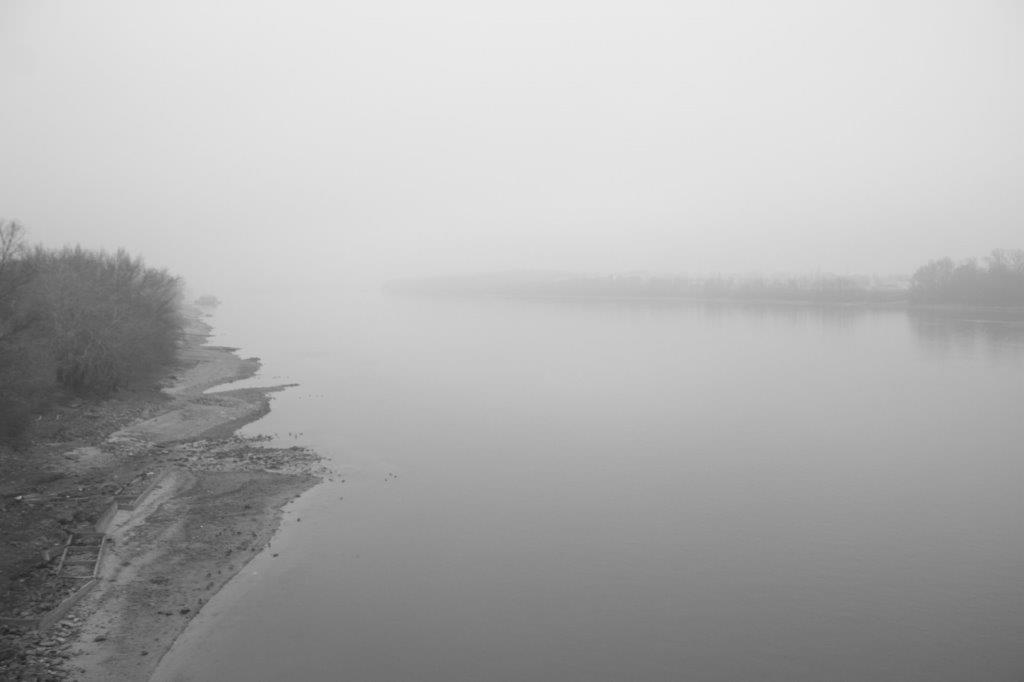
“Nightfall on the Tisza River” by Géza Gárdonyi [w/ Audio]

Up comes the Moon on the river,
Trees and grass quietly quiver.
Near Szeged a wooded island,
Od fishing barque, tied to the land.

By the moonlight, on this barque, old,
Sat a fisherman I am told,
Played a tune as well as he might,
Played it well, well into the night.

On the Tisza, velvet darkness,
Starry sky, the stars numberless,
Spread a shroud studded with diamonds
Radiating starry light fronds.

May have been this very spot, hark!
Right under this rickety barque,
In the very depths of the deep
An ancient king's sleeping his sleep.

His coffin is gold and silver,
Of iron is made its cover.
Up the river is glistening,
Down the ancient king, listening.

Translation by Frank Veszely in: Hungarian Poetry: One Thousand Years. 2023. Friesen Press: Altona, MB, Canada.

“I’ll be the tree…” by Sándor Petőfi [w/ Audio]

I'll be the tree, if you'll be its flower;
I'll be the flower, if you'll be the dew;
I'll be the dew, if you'll be the sunshine
That glistens as it unites we two.

If you, My Love, should become the Heavens,
I'd be reborn as a star on high.
Even if you turned into Hell, itself,
I'd be damned, and I'd gladly fry.

The Original Poem in Hungarian:

Fa leszek, ha fának vagy virága.
Ha harmat vagy: én virág leszek.
Harmat leszek, ha te napsugár vagy...
Csak, hogy lényink egyesüljenek.

Ha, leányka, te vagy a mennyország:
Akkor én csillagá változom.
Ha, leányka, te vagy a pokol: (hogy
Egyesüljünk) én elkárhozom.

“The Voice of the Ancient Bard” by William Blake [w/ Audio]

Youth of delight, come hither,
And see the opening morn,
Image of truth new born.
Doubt is fled, & clouds of reason,
Dark disputes & artful teazing.
Folly is an endless maze,
Tangled roots perplex her ways.
How many have fallen there!
They stumble all night over bones
of the dead,
And feel they know not what
but care,
And wish to lead others,
when they should be led.

“A Divine Image” by William Blake [w/ Audio]

Cruelty has a Human Heart,
And Jealousy a Human Face;
Terror the Human Form Divine,
And Secrecy the Human Dress.

The Human Dress is forged Iron,
The Human Form a fiery Forge,
The Human Face a Furnace seal'd,
The Human Heart its hungry Gorge.