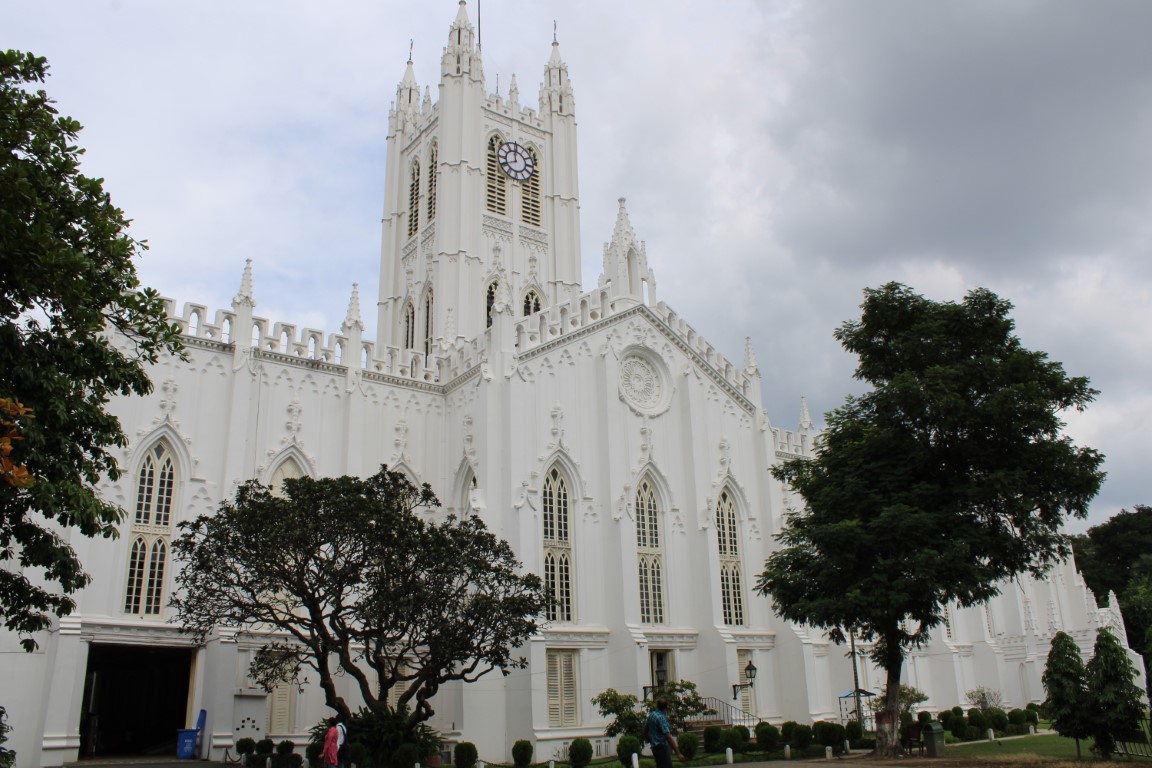
DAILY PHOTO: Saint Paul’s Cathedral, Kolkata
Image
Reply
 The Gothic: A Very Short Introduction by Nick Groom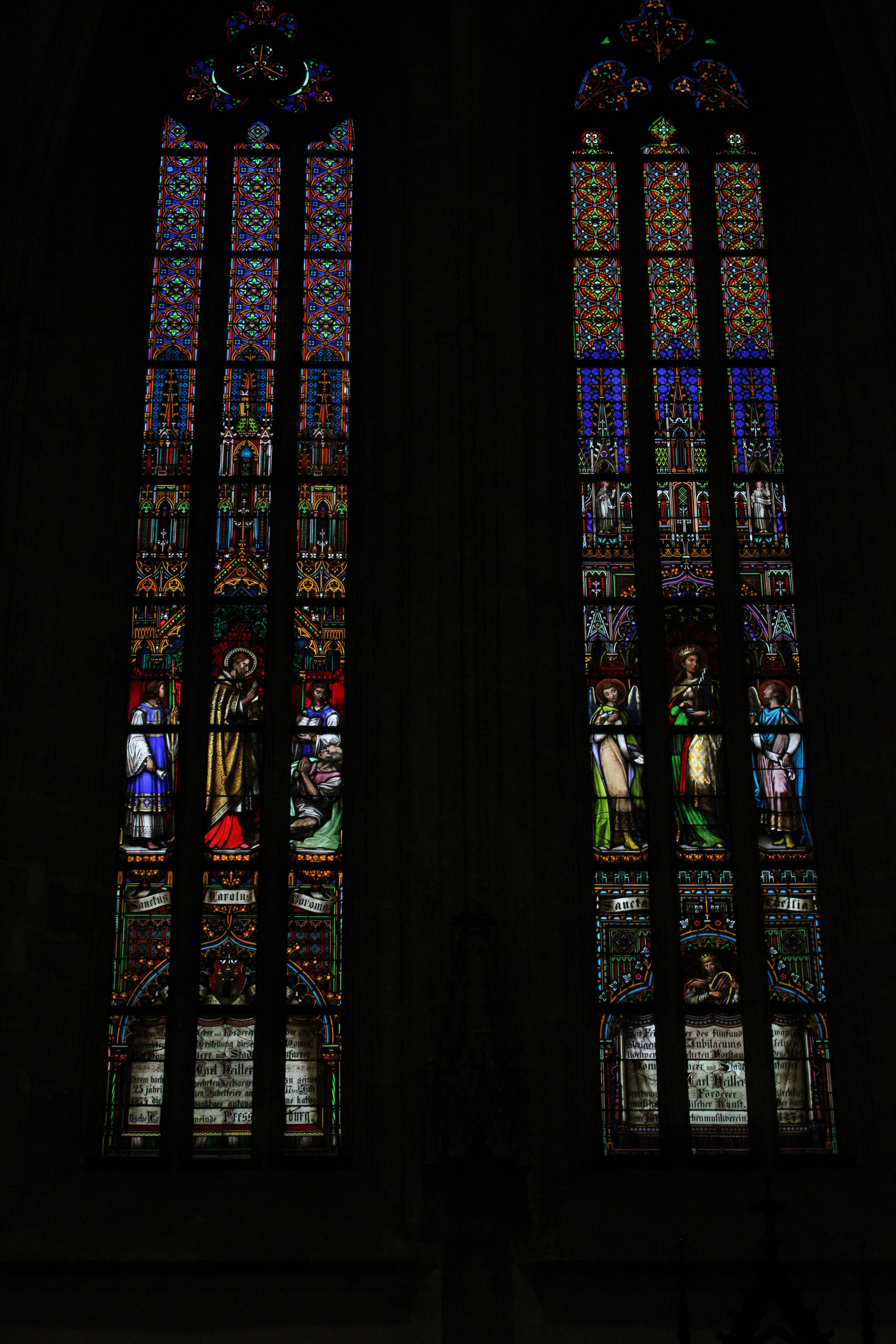
The gothic cathedral is dark --

unilluminated, but for the
flickering orange flames
of votive candles,

and the weak winter light
of a gloomy December day
that warms the panels
of stained glass.

A pew creaks.
A tiny movement makes
a giant sound, owing to
the stony acoustics.

The pew is creaking from the
restless fidgeting of the
church's sole occupant.
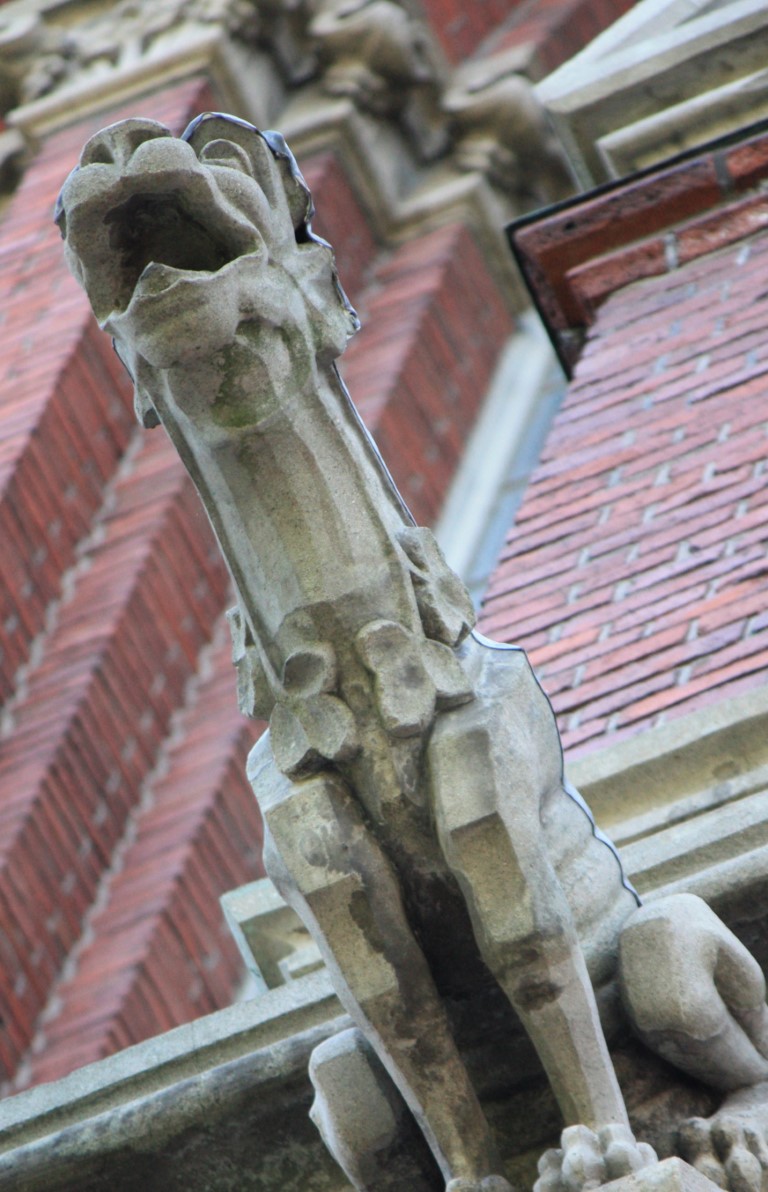
I first saw the stone beast
by the light of a bright day --
frozen, still & placid

My second sighting was on a rainy night,
a steady, careless rain,
the kind of rain
that seems to have declared
itself the new default mode.

I saw it in the space of lightning flash --
the silhouetted gargoyle.
It lacked the fine detail
of its sculptor's effort.
It lacked the clean edges
and ornamental effects.
Imagination filled in the lost detail
with scales rippling under
muscular flesh.

And while the lightning felt prolonged,
it was still just a flash --
leaving me to wonder whether
I'd really seen it rear back,
preparing to lunge off the wall?

And then I saw the world through its eyes
and all was better...

and then all was worse.

 Frankenstein Alive, Alive: The Complete Collection by Steve Niles
My rating: 5 of 5 stars
This graphic novella collects four issues together with some ancillary matter (e.g. draft sketches.) It not only draws upon the Shelley Frankenstein world; it picks up from it as if it were a sequel. That is, it begins on the Artic ice, with Frankenstein’s monster intent upon finding peace – if not an end — frozen in the glacial mass. The story is about the monster coming to grips with its humanity, its monstrosity, and its immortality.
When the monster’s attempt to freeze himself in the ice fails to bring eternal rest, as well as a second attempt of a similar nature, the monster realizes there is no respite to be had in hiding out in suspended animation. It will simply result in a string of rebirths like the one that began his torment. The monster must go about the business of living.
Wandering back to civilization, the monster finds a rare friend among a wealthy doctor, and takes up residence in the doctor’s mansion. At first, this doctor, Dr. Simon Ingles, seems quite unlike the monster’s creator, Dr. Victor Frankenstein. Ingles isn’t repulsed by the creature’s existence and has a nurturing manner that wasn’t to be found in Victor. However, eventually we see that Ingles shares with Victor an ambition to be free from the shackles of mortality.
Ingles wants to harness the power of life to keep his terminally ill wife from dying. The price that must be paid to extend his wife’s life is even more foul than that paid by Dr. Frankenstein. When the monster recognizes this monstrous ambition in Ingles, he is torn about what to do. On the one hand, Ingles has been kind to him, is in many ways a good person, and the monster thinks that it is far be it for him to enforce morality given his own great crimes. On the other hand, the monster is uniquely attuned to the darkness of this desire shared by the two doctors, the desire to be master over life and death, and the sight of this ambition brings out a desire to end Ingles’ life and his despicable plan.
This is a smart story built around the humanity in a monster and the monstrosity in humans. It’s a quick read, being less than one-hundred pages. Bernie Wrightson’s artwork is appropriately gothic, and – except for a few plates between issues, is black-and-white. I’d highly recommend it for those who like classic horror and science fiction, particularly if you enjoy graphic works.


 Tiger Riding for Beginners