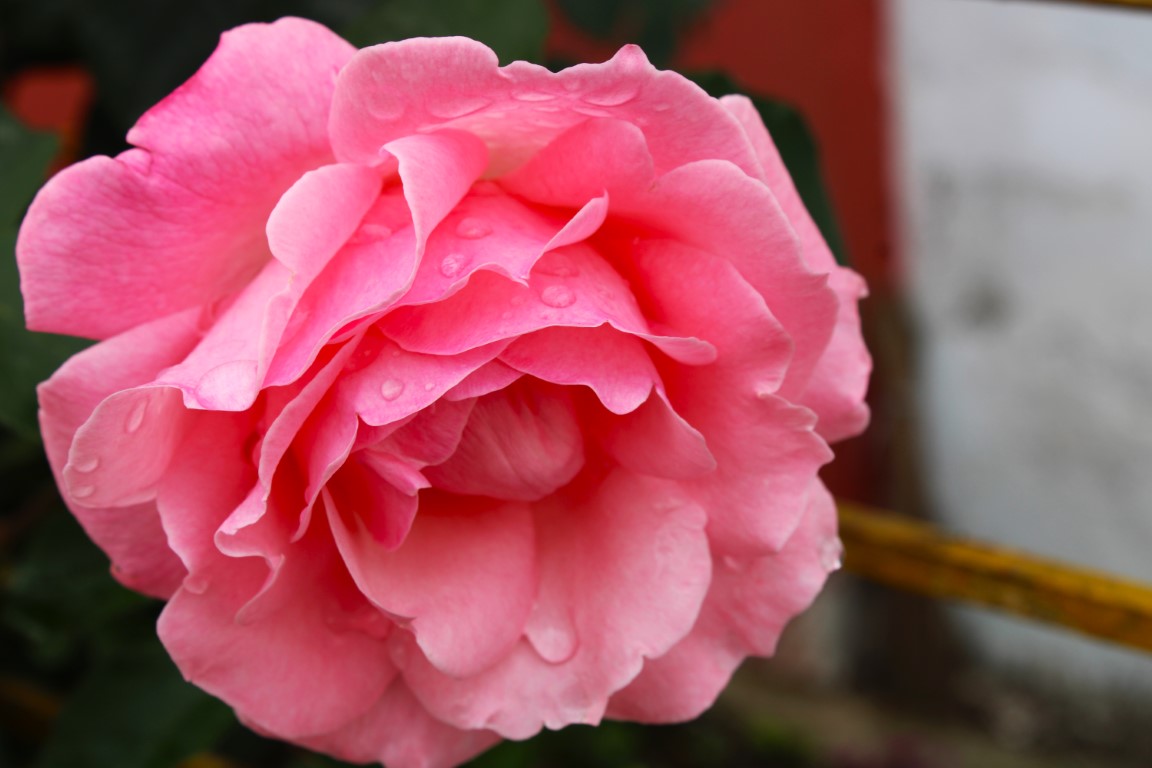
O Rose thou art sick.
 The invisible worm
 That flies in the night
 In the howling storm,

Has found out thy bed
 Of crimson joy:
 And his dark secret love
 Does thy life destroy.

O Rose thou art sick.
The invisible worm
That flies in the night
In the howling storm,
Has found out thy bed
Of crimson joy:
And his dark secret love
Does thy life destroy.
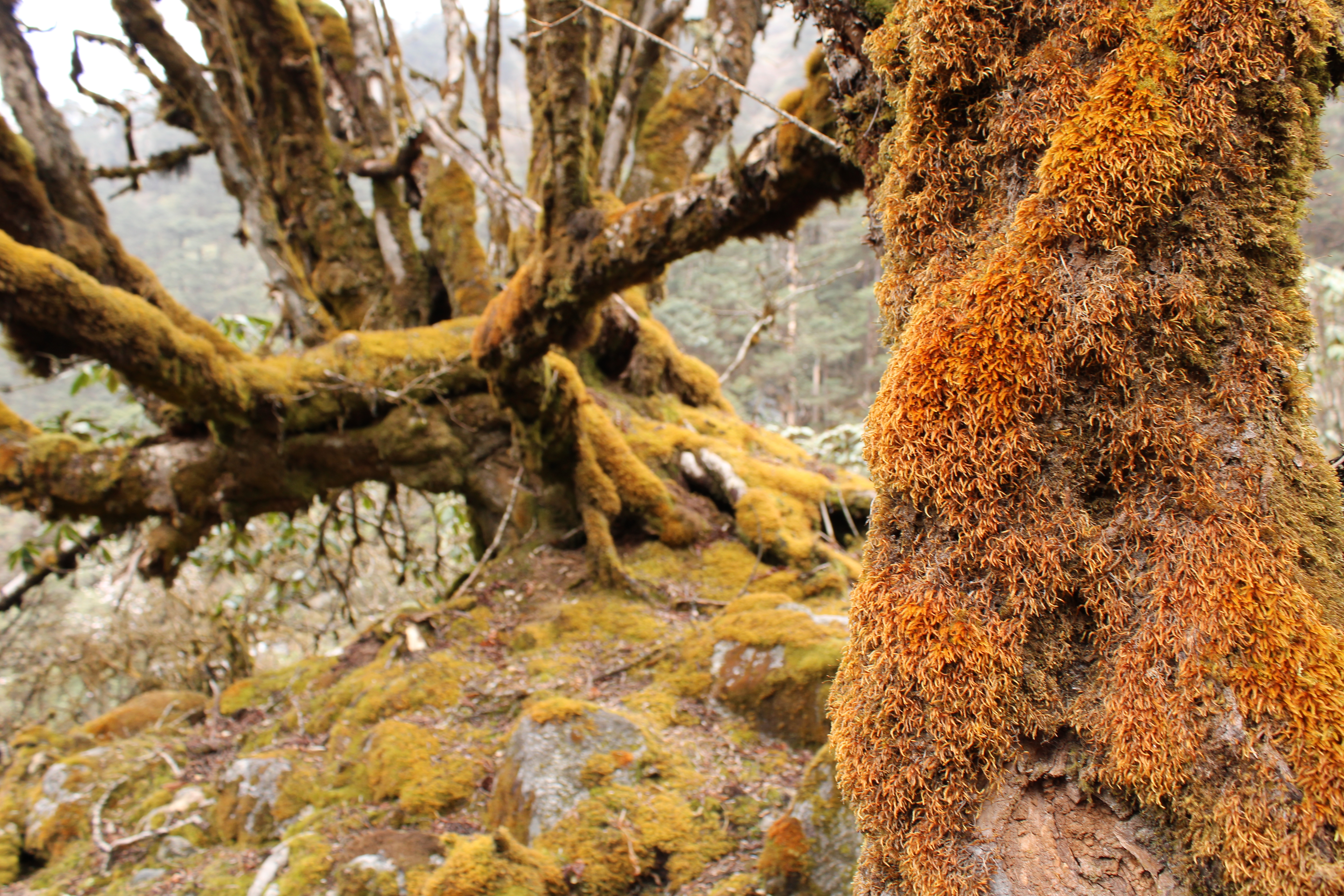
Be not afeard: the isle is full of noises,
 Sound and sweet airs, that give delight, and hurt not.
 Sometimes a thousand twangling instruments
 Will hum about mine ears; and sometimes voices,
 That, if I then had wak'd after long sleep,
 Will make me sleep again: and then, in dreaming,
 The clouds methought would open and show riches
 Ready to drop upon me; that, when I wak'd
 I cried to dream again.
NOTE: In The Tempest, Act III: Scene 2, Caliban speaks these words to Stephano and Trinculo.

Bent double, like old beggars under sacks,
 Knock-kneed, coughing like hags, we cursed through sludge,
 Till on the haunting flares we turned our backs,
 And towards our distant rest began to trudge.
Men marched asleep. Many had lost their boots,
 But limped on, blood-shod. All went lame; all blind;
 Drunk with fatigue; deaf even to the hoots
 Of gas-shells dropping softly behind.

Gas! GAS! Quick, boys! -- An ecstasy of fumbling
 Fitting the clumsy helmets just in time,
 But someone still was yelling out and stumbling
 And flound'ring like a man in fire or lime. --
Dim through the misty panes and thick green light,
 As under a green sea, I saw him drowning.

In all my dreams before my helpless sight,
 He plunges at me, guttering, choking, drowning.

If in some smothering dreams, you too could pace
 Behind the wagon that we flung him in,
 And watch the white eyes writhing in his face,
 His hanging face, like a devil's sick of sin;
 If you could hear, at every jolt, the blood
 Come gargling from the froth-corrupted lungs,
 Obscene as cancer, bitter as the cud
 Of vile, incurable sores on innocent tongues, --
 My friend, you would not tell with such high zest
 To children ardent for some desperate glory,
 The old Lie: Dulce et decorum est
   Pro patria mori.
NOTE: Dulce et decorum est pro patria mori is a line written by Horace in Latin that translates to: “It is sweet and fitting to die for one’s country.”

Half a league, half a league,
   Half a league onward,
 All in the valley of Death
   Rode the six hundred.
 "Forward the Light Brigade!
   Charge for the guns!" he said:
 Into the valley of Death
   Rode the six hundred.

"Forward the Light Brigade!"
   Was there a man dismay'd?
 Not tho' the soldier knew
   Some one had blunder'd:
 Their's not to make reply,
   Their's not to reason why,
 Their's but to do and die:
   Into the valley of Death
     Rode the six hundred.

Cannon to right of them,
   Cannon to left of them,
 Cannon in front of them
   Volley'd and thunder'd;
 Storm'd at with shot and shell,
   Boldly they rode and well,
 Into the jaws of Death,
   Into the mouth of Hell,
     Rode the six hundred.

Flash'd all their sabres bare,
   Flash'd as they turn'd in air
 Sabring the gunners there,
   Charging an army, while
 All the world wonder'd:
    Plunged in the battery-smoke
 Right thro' the line they broke;
   Cossack and Russian
 Reel'd from the sabre-stroke
   Shatter'd and sunder'd.
 Then they rode back, but not,
   Not the six hundred.

Cannon to right of them,
   Cannon to left of them,
 Cannon behind them
   Volley'd and thunder'd;
 Storm'd at with shot and shell,
   While horse and hero fell,
 They that had fought so well
    Came thro' the jaws of Death
 Back from the mouth of Hell,
   All that was left of them,
      Left of six hundred.

When can their glory fade?
   O the wild charge they made!
 All the world wonder'd.
   Honour the charge they made!
 Honour the Light Brigade,
   Noble six hundred!

Now winter nights enlarge
 The number of their hours;
 And clouds their storms discharge
 Upon the air towers.
Let now the chimneys blaze
 And cups o'erflow with wine,
 Let well-turned words amaze
 With harmony divine.
Now yellow waxen lights
 Shall wait on honey love
 While youthful revels, masques, and courtly sights
 Sleep's leaden spells remove.

This time doth well dispense
 With lovers' long discourse;
 Much speech hath some defense,
 Though beauty no remorse.
All do not all things well;
 Some measures comely tread,
 Some knotted riddles tell,
 Some poems smoothly read.
The summer hath his joys,
 And winter his delights;
 Though love and all his pleasures are but toys,
 They shorten tedious nights.
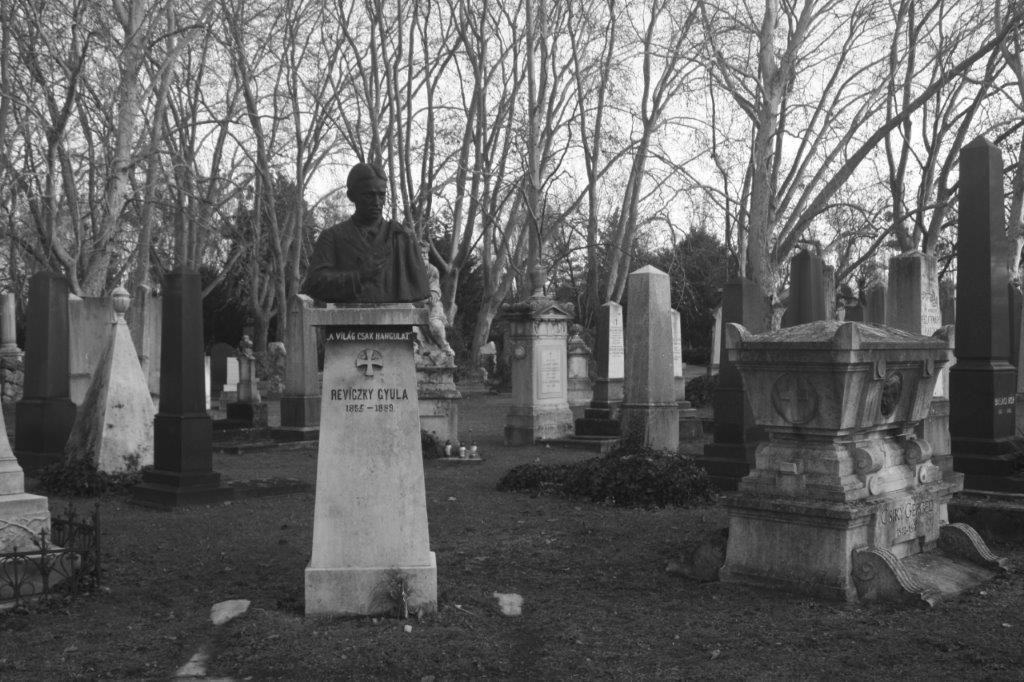
To be, or not to be, that is the question:
 Whether 'tis nobler in the mind to suffer
 The slings and arrows of outrageous fortune,
 Or to take arms against a sea of troubles
 And by opposing end them. To die -- to sleep,
 No more; and by a sleep to say we end
 The heart-ache and the thousand natural shocks
 That flesh is heir to: 'tis a consummation
 Devoutly to be wish'd. To die, to sleep;
 To sleep, perchance to dream -- ay, there's the rub:
 For in that sleep of death what dreams may come,
 When we have shuffled off this mortal coil,
 Must give us pause - there's the respect
 That makes calamity of so long life.
 For who would bear the whips and scorns of time,
 Th' oppressor's wrong, the proud man contumely,
 The pangs of dispriz'd love, the law's delay,
 The insolence of office, and the spurns
 That patient merit of th' unworthy takes,
 When he himself might his quietus make
 With a bare bodkin? Who would fardels bare,
 To grunt and sweat under a weary life,
 But that the dread of something after death,
 The undiscover'd country, from whose bourn
 No traveller returns, puzzles the will,
 And makes us rather bear those ills we have
 Than fly to others that we know not of?
 Thus conscience doth make cowards of us all,
 And thus the native hue of resolution
 Is sicklied o'er with the pale cast of thought,
 And enterprises of great pith and moment
 With this regard their currents turn awry
 And lose the name of action.
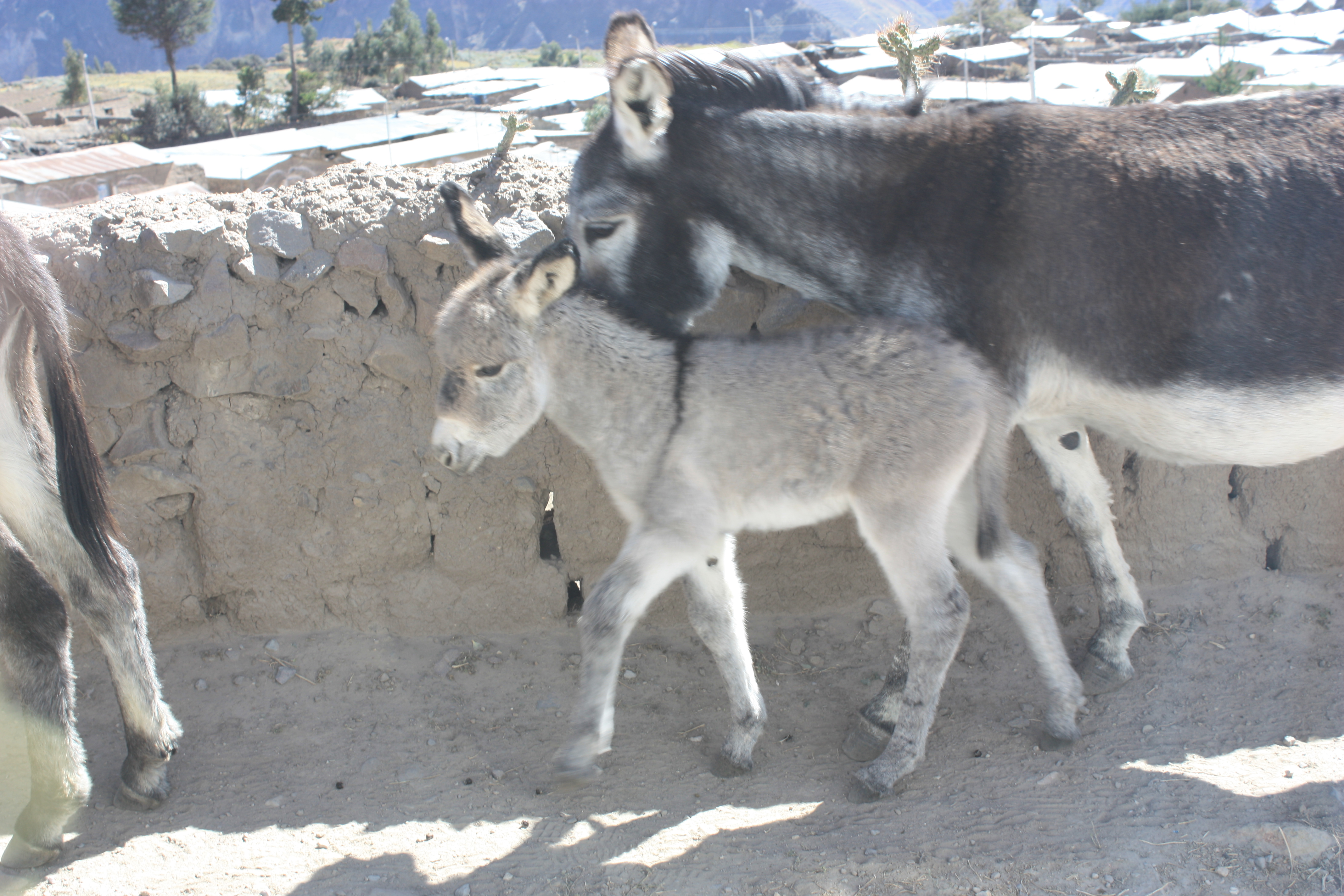
When fishes flew and forests walked
   And figs grew upon thorn,
 Some moment when the moon was blood
   Then surely I was born.

With monstrous head and sickening cry
   And ears like errant wings,
 The devil's walking parody
   On all four-footed things.

The tattered outlaw of the earth,
   Of ancient crooked will;
 Starve, scourge, deride me: I am dumb,
   I keep my secret still.

Fools! For I also had my hour;
   One far fierce hour and sweet:
 There was a shout about my ears,
    And palms before my feet.
Slowly, silently, the moon
 Walks the night in her silver shoon;
 This way, and that, she peers, and sees
 Silver fruit upon silver trees;
One by one the casements catch
 Her beams beneath the silvery thatch;
 Couched in his kennel, like a log,
 With paws of silver sleeps the dog;
From their shadowy cote the white breasts peep
 Of doves in a silver-feathered sleep;
 A harvest mouse goes scampering by,
 With silver claws, and silver eye;
And moveless fish in the water gleam,
 By silver reeds in a silver stream.
All the world's a stage,
 And all the men and women merely players:
 They have their exits and their entrances;
 And one man in his time plays many parts,
 His acts being seven ages. At first the infant,
 Mewling and puking in the nurse's arms;
 Then the whining school-boy, with his satchel
 And shining morning face, creeping like a snail
 Unwilling to school. And then the lover,
 Sighing like furnace, with a woeful ballad
 Made to his mistress' eyebrow. Then a soldier,
 Full of strange oaths, and bearded like the pard,
 Jealous in honour, sudden and quick in quarrel,
 Seeking the bubble reputation
 Even in the cannon's mouth. And then the justice,
 In fair round belly with good capon lin'd,
 With eyes severe and beard of formal cut,
 Full of wise saws and modern instances;
 And so he plays his part. The sixth age shifts
 Into the lean and slipper'd pantaloon,
 With spectacles on nose and pouch on side.
 His youthful hose, well sav'd, a world too wide
 For his shrunk shank; and his big manly voice,
 Turning again toward childish treble, pipes
 And whistles in his sound. Last scene of all,
 That ends this strange eventful history,
 Is second childishness and mere oblivion;
 Sans teeth, sans eyes, sans taste, sans everything.
NOTE: Sometimes called the “Seven Ages of Man,” this soliloquy is spoken by Jacques in Act II: Sc. 7 of As You Like It.
The thirsty Earth soaks up the Rain,
 And drinks, and gapes for drink again.
 The Plants suck in the Earth, and are
 With constant drinking fresh and faire.
The Sea itself, which one would think
 Should have but little need of Drink,
 Drinks ten thousand Rivers up,
 So fill'd that they o'erflow the Cup.
The busy Sun (and one would guess
 By 's drunken fiery face no less)
 Drinks up the Sea, and when he's done,
 The Moon and Stars drink up the Sun.
They drink and dance by their own light,
 They drink and revel all the night.
 Nothing in Nature 's Sober found,
 But an eternal Health goes round.
Fill up the Bowl then, fill it high,
 Fill all the Glasses there, for why
 Should every creature drink but I,
 Why, Man of Morals, tell me why?


