
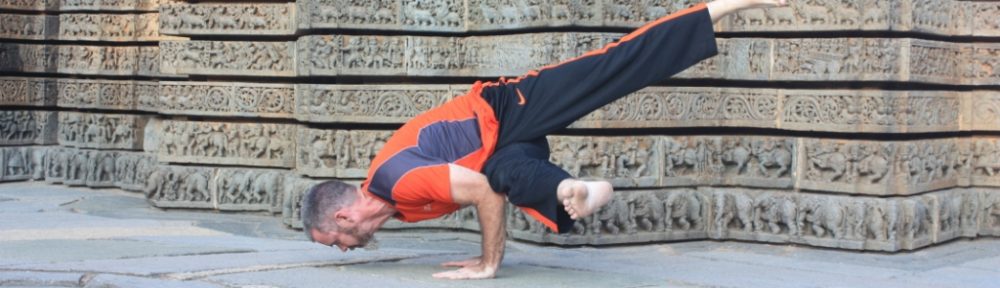
Taken on November 25, 2017 in Rishikesh



Neelkanth Mahadev Mandir; Taken on November 25, 2017


Triveni Ghat Ganga Aarti Site

Trimurti Gurudatt Ashram
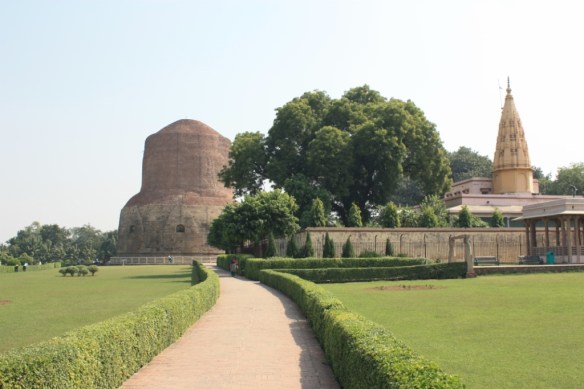
Taken in October of 2015 at Sarnath
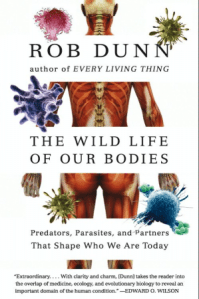
5.) The Wild Life of Our Bodies by Rob Dunn: This book takes a broad look at the role that hangers-on have on human life.
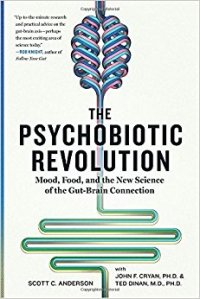
4.) The Psychobiotic Revolution by Scott C. Anderson et. al.: This book focuses on the role that our gut microbiota have on our mental well-being–which increasingly appears to be substantial.
3.) Missing Microbes by Martin J. Blaser: The focus of this book is on how our love of antibiotics in every form– from pills to antimicrobial soaps–is killing us by denying us microbiotic diversity and robustness.
2.) 10% Human by Alanna Collen: Collen’s book addresses many of the same issues as the other books mentioned, but–as the title suggests–it emphasizes the fact that a human has 10 times as many hangers-on of other species as it does cells that are contiguous to the body. (If you’re wondering how this could be, it’s because the human body has some pretty big cells [some macroscopic, in fact] and the bacteria and other single-celled species tend to be relatively tiny.)
1.) I Contain Multitudes by Ed Young: This is probably the most highly-regarded of the books on this subject. It was considered one of the best science books of 2016.


Taken in April of 2017 in Bangalore

Taken on November 18, 2017 in Bengaluru
 The Sun and Her Flowers by Rupi Kaur
My rating: 5 of 5 stars
This is the second collection of free verse (with some prose) poetry and line drawn art by Rupi Kaur, an ethnically Indian Canadian poet. Like the first collection, “Milk and Honey,” this collection has been well received critically. The strengths of the collection include some beautiful, evocative, and unique use of language; the author’s willingness to lay it all on the line in a bold and brave fashion; and the often clever–if simple, verging on crude—artwork. Its greatest weakness is frequent restatement of clichéd notions and truisms that don’t stand up well juxtaposed to the more personal and illuminating lines.
The collection is divided into five parts, each of them reflecting a theme—while being tied together by the titular floral theme. “Wilting” is about breakups. This flows smoothly in tone into the second part, “Falling,” which is about sexual violence, depression, and the linkage between them. “Rooting” is about family and origins, and—in particular—the poet’s relationship with her mother. As an immigrant child who moved to Canada from Punjab while young, Kaur was more attuned to her new home than her parents—who were less at ease with their adopted homeland and more rooted to their ancestral home. The penultimate part, “Rising” is about love and relationships, and it takes the collection into brighter territory. “Blooming” is about feeling comfortable within one’s own skin, and—in particular—the female experience of it.
As hinted, the overall organization of the collection seems purposeful and intriguing. The two melancholy parts at the beginning are blended into the last two (more optimistic) parts by way of a chapter on roots and family. This bridging seems to be done on purpose to make a statement.
I enjoyed this collection, and would highly recommend it for poetry readers—particularly for those who enjoy free verse.

Taken in May of 2017 at Amboseli National Park in Kenya


