Taken in April of 2017 in Meghalaya

Baby Pineapple

Heart’s Ease



Taken in April of 2017 in Meghalaya
Baby Pineapple
Heart’s Ease
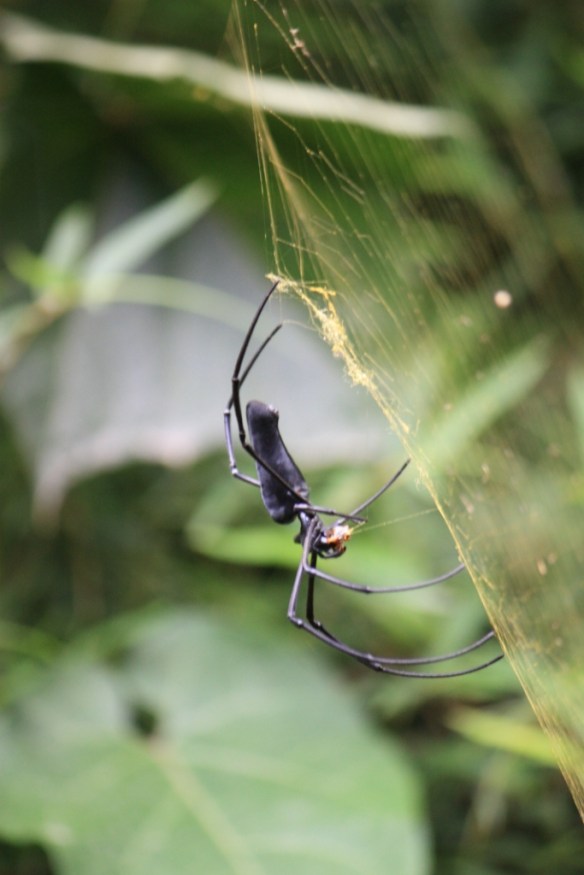
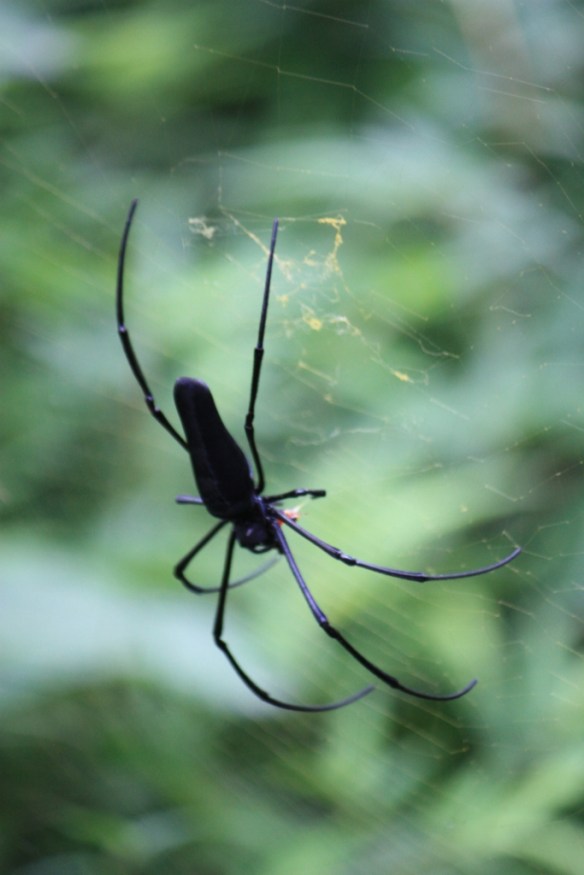
Taken in April of 2017 at Nameri National Park Eco Camp
As near as I can tell from a Google search, and with no knowledge of arachnology, this is either a Giant Wood Spider, a Giant Golden Orb Weaver, or something related.
If you know better, feel free to correct me in the comments.

Taken in the Summer of 2015 at Great Himalayan National Park in Kullu District

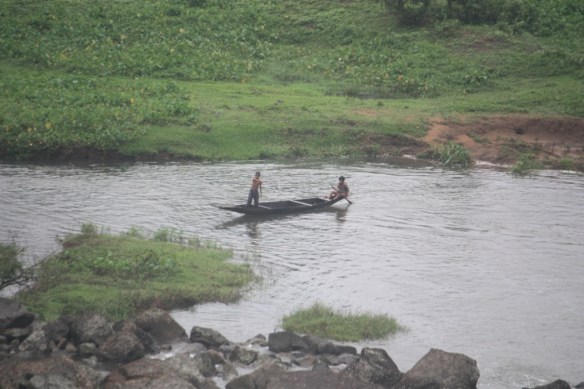
Taken in April of 2017 near Dawki (border town on the India – Bangladesh border)


Living Root Bridge (both has plants growing in it and roots still growing); Taken in Riwai on April 19, 2017

One of the longer root bridges; Taken near Nongthymmai on April 18, 2017

Double Decker Root Bridge; Taken on April 18, 2017 near Nongthymmai
In a sacred forest
a Rodent roamed
who owned a sword
it freely loaned.
This was no hacking
machete blade,
but made of metal
of unmatched grade.
One day Lightening
made a request:
To borrow the blade
believed the best.
Lightening zigged,
sliced, and zagged.
Claiming ownership
in its boastful brags.
The rightful owner
requested its return.
But the rodent’s
plea met only spurn.
So the critter devised
a clever, sensible plan
in order to bridge
the requisite span.
It needed to climb
from Earth to the sky
because it had no
wings with which to fly.
But it wasn’t just wings
which Rodent lacked.
It had only one item
to be skyward stacked.
So it piled its poop
as high as it could,
from the base of a tree
past the top of the woods.
Stacking and piling, the
poop nearly touched cloud.
When a thunder crack
struck ear-splitting loud.
Lightening saw rodent
would reclaim the sword
that Lightening had come
to so ardently adore.
Down fell the Rodent
to a pile of fried dung
that had once been its
steps and its ladder rungs.
You may think that
Lightening got its way.
But the Rodent piles
its poop to this very day.
Someday when Lightening
is momentarily distracted,
Rodent’s sword will be
surreptitiously extracted.

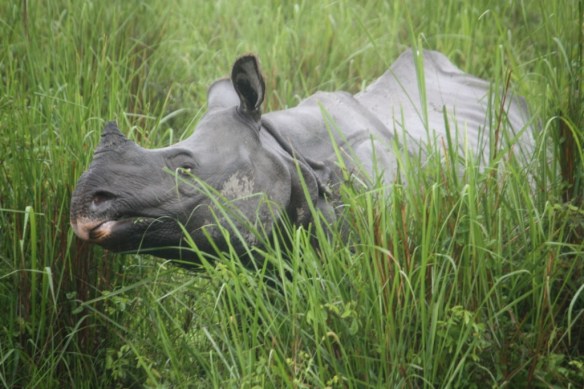
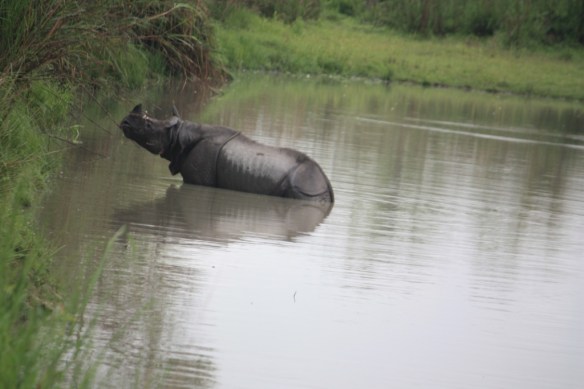
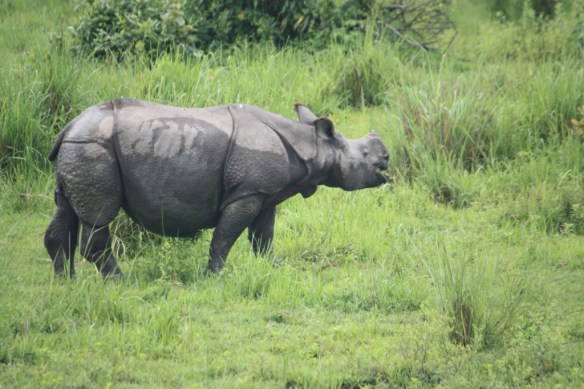
Taken on April 23, 2017 at Kaziranga National Park in Assam
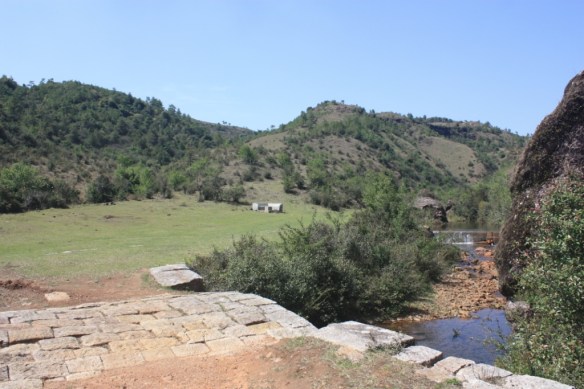
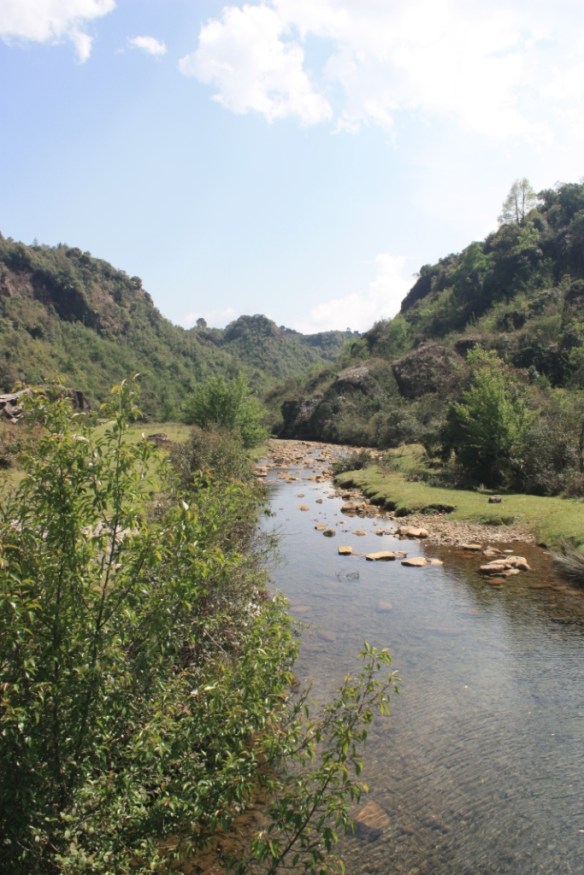


Taken on April 17, 2017 on the David Scott Trail

This was the view were we came off the trail near Lad-Mawphlang
I’m back after three weeks traveling about the Indian Northeast, i.e. the states of Meghalaya, Assam, Nagaland, and Manipur. And I’ve got a pile of pics.
The David Scott Trail is a hiking trail that was built as a carriage trail from Burma into India at the behest of the British colonial leader whose name it bears. Since it was made for traffic by animal-drawn carriages, it makes for easy hiking. It’s a scenic trail. It should be noted that (like most trails in India) it isn’t well-marked, however, the fact that it is wider than most trails and has old paving stones along much of the route makes it fairly easy to avoid getting lost.
We hiked only the section from Mawphlang to Lad-Maphlang. It’s an easy day hike.
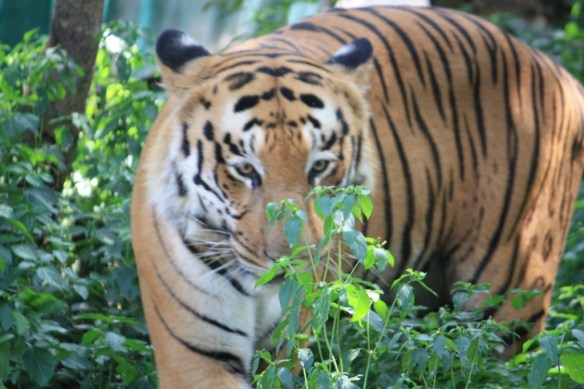
Taken at Bannerghatta Biological Park in Bangalore
What’s a tiger but a bright, orange cat
who naps all day but doesn’t get fat?
How does he stay muscled and lean
when he eats and eats and sleeps between?
Sure, now and again, he’ll chase a gazelle.
Unlike my cat, who’s trained me with a bell
to deliver food to a bowl right under her nose
lest I hear the pitiful yowl of hunger throes.
But when chasing prey, tigers never run long.
He picks slow and weak over fast and strong.
And you’ll never see him run in the mid-day sun,
and he’ll always be napping when his meal is done.
[National Poetry Month: Poem #14]