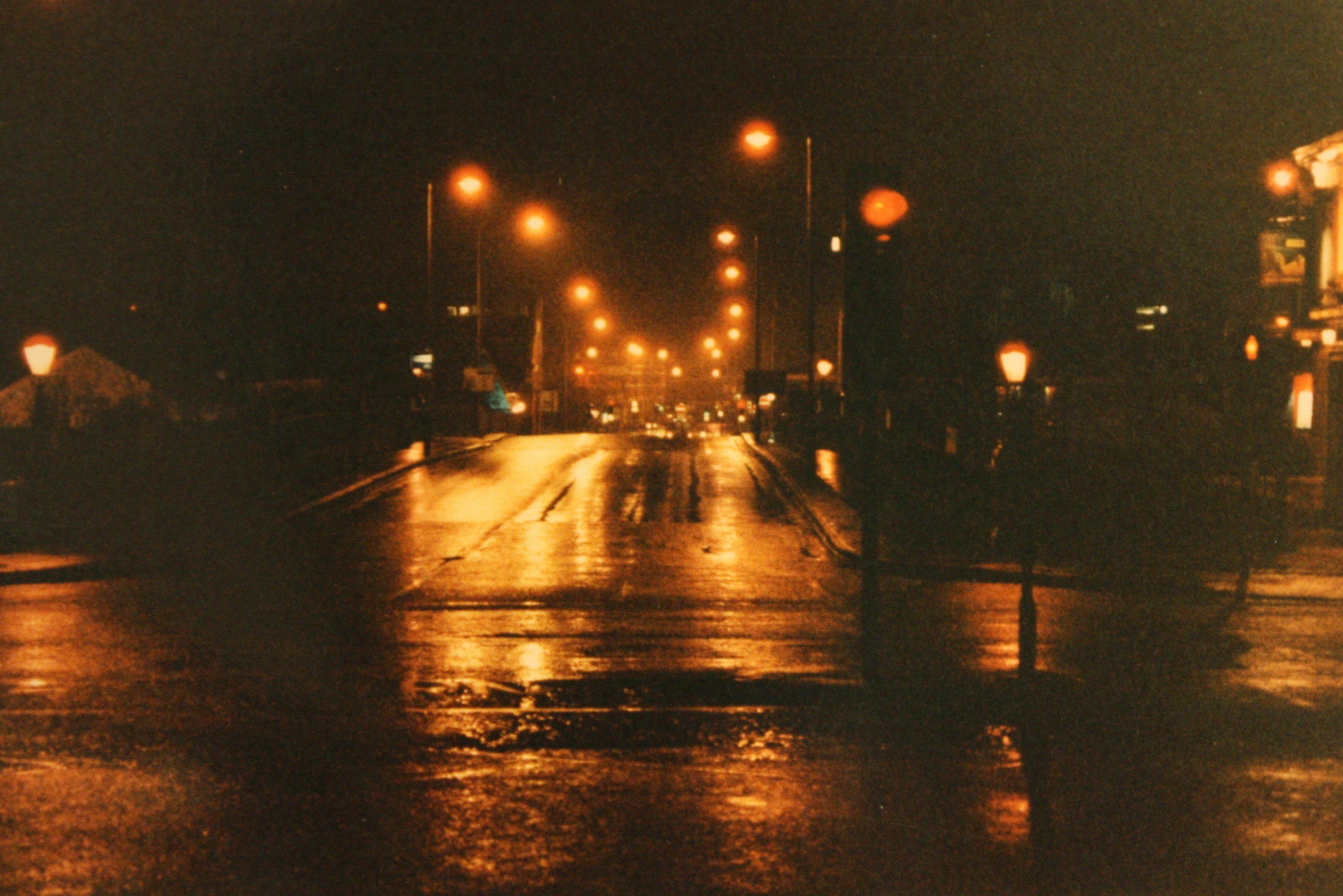
They have watered the street,
 It shines in the glare of lamps,
 Cold, white lamps,
 And lies
 Like a slow-moving river,
 Barred with silver and black.
 Cabs go down it,
 One,
 And then another.
 Between them I hear the shuffling of feet.
 Tramps doze on the window-ledges,
 Night-walkers pass along the sidewalks.
 The city is squalid and sinister,
 With the silver-barred street in the midst,
 Slow-moving,
 A river leading nowhere.

Opposite my window,
 The moon cuts,
 Clear and round,
 Through the plum-colored night.
 She cannot light the city;
 It is too bright.
 It has white lamps,
 And glitters coldly.

I stand in the window and watch the moon.
 She is thin and lustreless,
 But I love her.
 I know the moon,
 And this is an alien city.
I shall die, but
   that is all that I shall do for Death.
 I hear him leading his horse out of the stall;
 I hear the clatter on the barn-floor.
 He is in haste; he has business in Cuba,
   business in the Balkans, many calls to make this morning.
 But I will not hold the bridle
   while he clinches the girth.
 And he may mount by himself:
 I will not give him a leg up.

Though he flick my shoulders with his whip,
   I will not tell him which way the fox ran.
 With his hoof on my breast, I will not tell him where
   the black boy hides in the swamp.
 I shall, die, but that is all that I shall do for Death;
  I am not on his pay-roll.

I will not tell him the whereabout of my friends
   nor of my enemies either.
 Though he promise me much,
   I will not map him the route to any man's door.
 Am I a spy in the land of the living,
   that I should deliver men to Death?
Brother, the password and the plans of our city
  are safe with me; never through me Shall you be overcome.
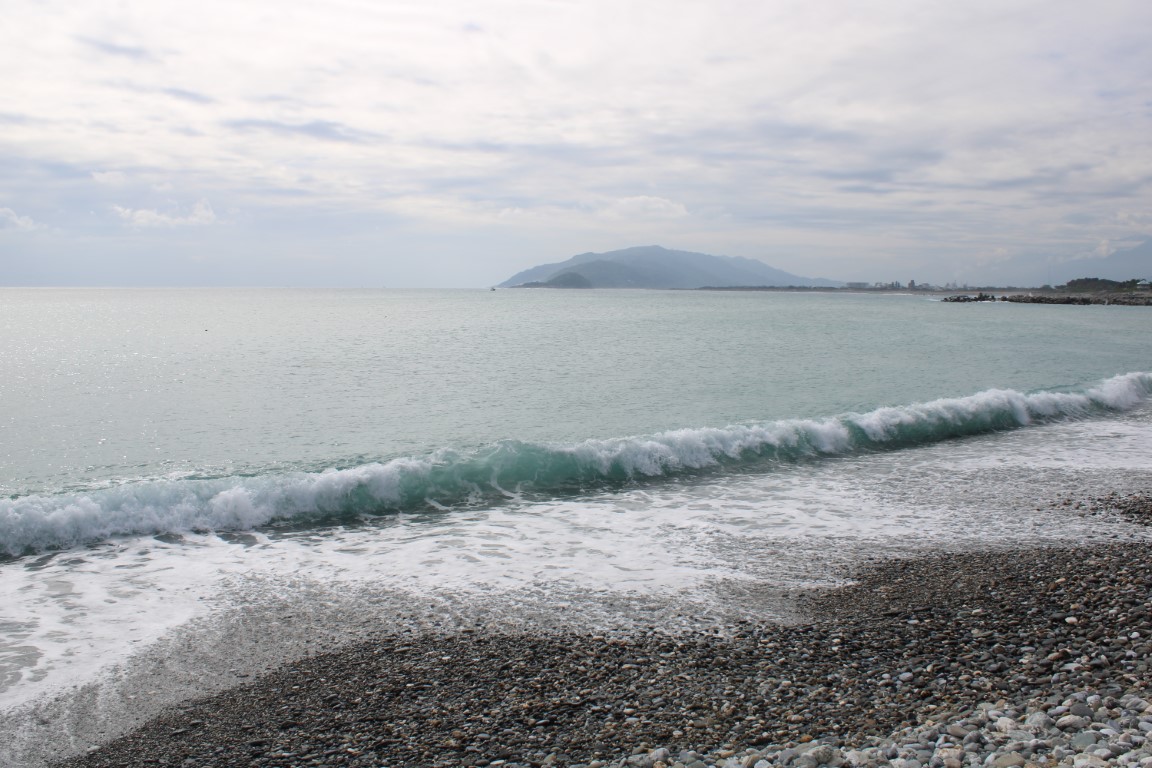
The tide rises, the tide falls,
 The twilight darkens, the curlew calls;
 Along the sea-sands damp and brown
 The traveller hastens toward the town,
          And the tide rises, the tide falls.

Darkness settles on roofs and walls,
 But the sea, the sea in the darkness calls;
 The little waves, with their soft, white hands,
 Efface the footprints in the sands,
          And the tide rises, the tide falls.

The morning breaks; the steeds in their stalls
 Stamp and neigh, as the hostler calls;
 The day returns, but nevermore
 Returns the traveller to the shore,
          And the tide rises, the tide falls.
Life has loveliness to sell,
     All beautiful and splendid things,
 Blue waves whitened on a cliff,
     Soaring fire that sways and sings,
 And children's faces looking up
 Holding wonder like a cup.

Life has loveliness to sell,
     Music like a curve of gold,
 Scent of pine trees in the rain,
     Eyes that love you, arms that hold,
 And for your spirit's still delight,
 Holy thoughts that star the night.

Spend all you have for loveliness,
     Buy it and never count the cost;
 For one white singing hour of peace
     Count many a year of strife well lost,
 And for a breath of ecstasy
 Give all you have been, or could be.
Why fades a dream?
   An iridescent ray
 Flecked in between the tryst
   Of night and day.
   Why fades a dream? --
 Of consciousness the shade
 Wrought out by lack of light and made
   Upon life's stream.
   Why fades a dream?
That thought may thrive,
   So fades the fleshless dream;
 Lest men should learn to trust
   The things that seem.
   So fades a dream,
 That living thought may grow
 And like a waxing star-beam glow
   Upon life's stream --
   So fades a dream.
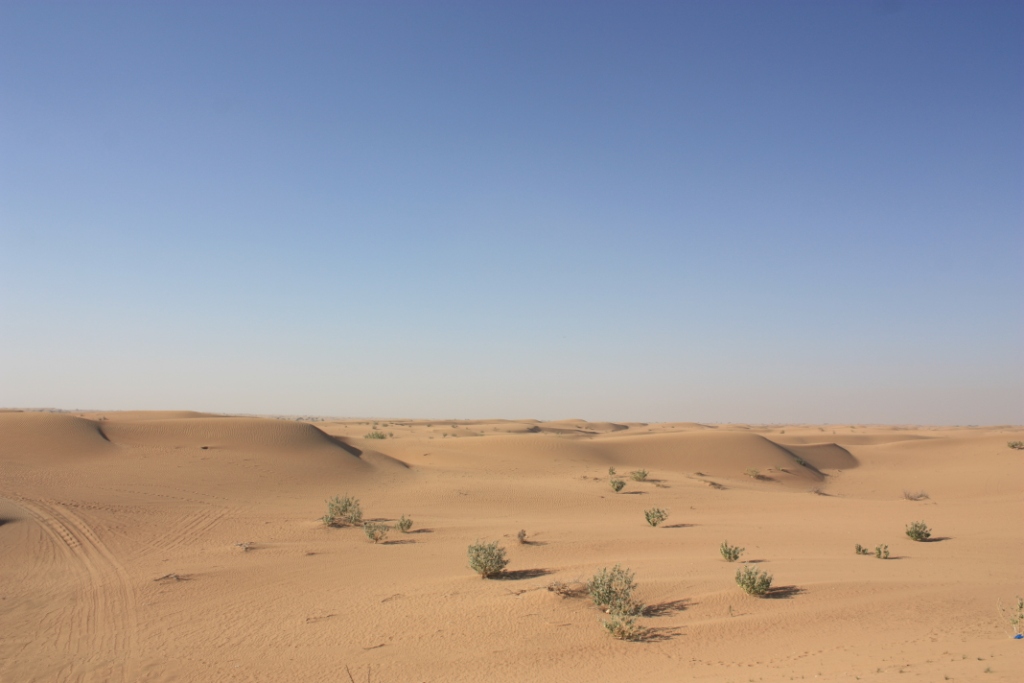
In the desert
 I saw a creature, naked, bestial,
 Who, squatting upon the ground,
 Held his heart in his hands,
 And ate of it.
 I said, "Is it good, friend?"
 "It is bitter -- bitter," he answered;

"But I like it
 "Because it is bitter,
 "And because it is my heart."
Villain shows his indiscretion,
 Villain's partner makes confession.
 Juvenile, with golden tresses,
 Finds her pa and dons long dresses.
 Scapegrace comes home money-laden,
 Hero comforts tearful maiden,
 Soubrette marries loyal chappie,
 Villain skips, and all are happy.












 Tiger Riding for Beginners